Understanding the Malaysian Transportation Job Market Landscape
Malaysia’s strategic geographical location and robust economic growth have positioned its transportation and logistics sector as a pivotal component of both domestic and international trade. This dynamism creates a complex, yet vibrant, job market. A deep understanding of its current state and future trajectories is crucial for anyone looking to navigate or define a Salary Defining Strategy for all job titles in transportation field in malaysia. The sector is a melting pot of traditional roles evolving alongside emerging specializations, all influenced by global economic shifts, technological advancements, and domestic policies. Factors such as infrastructure development, e-commerce proliferation, and sustainability mandates are continuously reshaping demand for skills and, consequently, salary structures across the industry. From drivers and warehouse managers to supply chain analysts and logistics technology experts, the landscape offers a diverse range of career paths, each with its own compensation dynamics influenced by experience, specialized knowledge, and market scarcity.
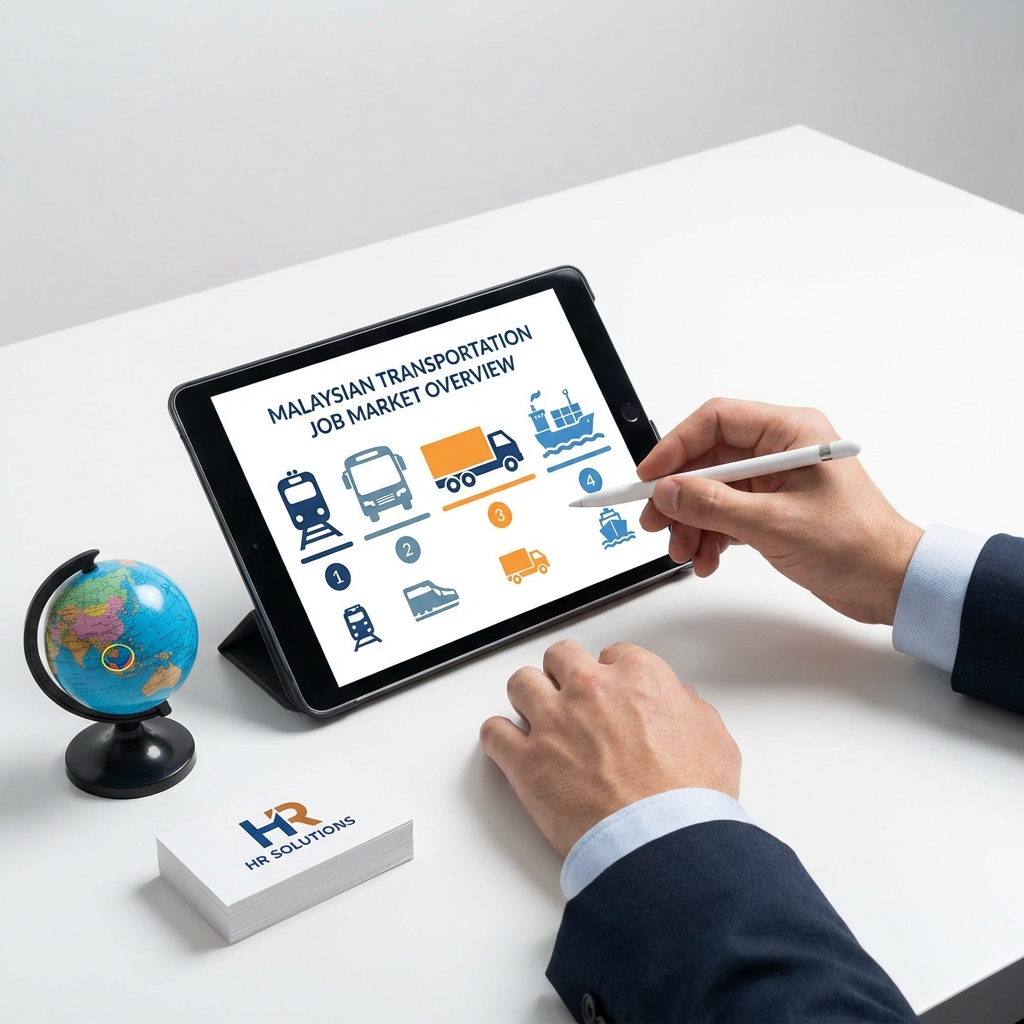
1. Current Growth and Demand in Malaysian Logistics
The Malaysian logistics and transportation sector is experiencing significant growth, primarily fueled by the booming e-commerce market and the government’s continuous investment in infrastructure projects like the East Coast Rail Link (ECRL) and various port expansions. This robust expansion leads to a heightened demand for skilled professionals across all levels of the supply chain. From operational roles such as truck drivers, dispatchers, and warehouse personnel to managerial positions like logistics coordinators and operations managers, the demand remains strong. The increase in manufacturing activities and cross-border trade further amplifies this need. According to insights from the Department of Statistics Malaysia, the transport and storage sector has consistently contributed significantly to the nation’s GDP, signaling sustained growth and a stable job market. This growth trajectory translates into competitive salary offerings, particularly for roles that are critical to maintaining efficient supply chains and meeting rising consumer expectations for rapid delivery. The emphasis on seamless last-mile delivery and efficient freight forwarding means that professionals with a proven track record in optimizing these processes are highly valued. Understanding these demand drivers is fundamental to crafting an effective Salary Defining Strategy for all job titles in the transportation field in Malaysia, ensuring that compensation packages attract and retain top talent in a competitive environment. For further detailed insights into Malaysia’s economic outlook and sectoral contributions, refer to reports from the Department of Statistics Malaysia (DOSM).
2. Impact of Digitalization on Transportation Roles
Digitalization is rapidly transforming the Malaysian transportation sector, introducing both opportunities and challenges. Technologies such as Artificial Intelligence (AI), the Internet of Things (IoT), automation, big data analytics, and blockchain are reshaping traditional job functions and creating entirely new ones. Automated warehouses, intelligent traffic management systems, and real-time tracking platforms are becoming standard, necessitating a workforce equipped with digital literacy and technical prowess. This shift means that roles requiring manual tasks or basic administrative functions are either being automated or requiring upskilling to manage sophisticated digital tools. Conversely, there’s a surge in demand for specialists in logistics software implementation, data analytics for supply chain optimization, cybersecurity for logistics platforms, and automation engineers. For instance, a logistics manager today not only oversees operations but also needs to interpret data from tracking systems to optimize routes and inventory. This evolving skill requirement directly impacts salary structures. Professionals who embrace these digital tools and possess advanced analytical capabilities can command higher salaries, reflecting the strategic value they bring in enhancing efficiency, reducing costs, and improving service delivery. The industry is witnessing a clear premium placed on skills that bridge the gap between traditional transportation knowledge and cutting-edge technology.
3. Emerging Job Titles and Skill Gaps (e.g., supply chain salary Malaysia)
As the Malaysian transportation landscape evolves, several new and specialized job titles are emerging, accompanied by noticeable skill gaps. The demand for roles such as Supply Chain Data Analysts, Logistics IT Specialists, E-commerce Logistics Managers, Last-Mile Delivery Coordinators, and Sustainable Logistics Experts is on the rise. These roles require a blend of traditional logistics knowledge with advanced analytical, technological, and problem-solving skills. For example, a Supply Chain Data Analyst needs to understand not only logistics operations but also be proficient in statistical software and data visualization tools to optimize complex supply networks. This increasing specialization also affects the supply chain salary Malaysia landscape, with these niche skills commanding higher remuneration due to their scarcity and strategic importance. The current educational and training infrastructure is often struggling to keep pace with the rapid technological advancements, leading to a significant skill gap. Employers are actively seeking individuals who can navigate smart logistics platforms, manage autonomous vehicle fleets, or implement sustainable transportation practices. Consequently, professionals who invest in continuous learning, obtain certifications in relevant technologies (e.g., blockchain in logistics, AI in supply chain), and demonstrate adaptability to new methodologies are in a strong position to negotiate more attractive compensation packages. Bridging these skill gaps through targeted training and development initiatives is crucial for both individual career progression and the overall competitiveness of Malaysia’s transportation sector.
Key Factors Influencing Salary Benchmarking
Understanding the intricacies of salary structures within Malaysia’s dynamic transportation sector is crucial for both employers and job seekers. A comprehensive Salary Defining Strategy for all job titles in transportation field in malaysia necessitates a deep dive into various contributing elements. The compensation landscape for roles ranging from warehouse operatives to logistics managers is shaped by a confluence of factors, making accurate benchmarking a complex yet vital exercise. This section will explore the specific elements that drive salary variations across different transportation job titles in Malaysia, ensuring a clearer picture of remuneration expectations and competitive positioning.
-
Experience, Education, and Certifications (e.g., for truck driver salary Malaysia)
The foundational pillars of any remuneration package often begin with an individual’s professional background. Experience plays a paramount role, with seasoned professionals consistently commanding higher salaries. A junior freight forwarder with 1-2 years of experience will naturally earn less than a senior counterpart with a decade of expertise navigating complex international routes. This trend is evident across all levels, from entry-level transportation salary Malaysia for administrative roles to executive positions in supply chain management.
Education also significantly impacts earning potential. A diploma or degree in Logistics, Supply Chain Management, or Business Administration can open doors to higher-paying roles like a logistics manager salary Malaysia. Specialized certifications further enhance a candidate’s value. For instance, a professional holding certifications in hazardous materials handling, cold chain logistics, or even advanced software proficiencies (e.g., SAP, Oracle Transportation Management) will find themselves in a stronger negotiating position. Even for roles like a truck driver salary Malaysia, specific endorsements (e.g., for heavy and articulated vehicles, dangerous goods) and an impeccable driving record can significantly influence compensation, reflecting both skill and responsibility.
These credentials signal a deeper understanding and proven capability, directly translating into higher remuneration. For those eyeing a lucrative supply chain salary Malaysia, continuous professional development and acquiring relevant certifications are non-negotiable.
-
Geographic Location and Cost of Living Implications
Malaysia’s diverse geography brings with it significant variations in the cost of living, which directly impacts salary scales. Urban centers like Kuala Lumpur, Penang, and Johor Bahru, with their higher operational costs and greater demand for skilled labor, typically offer more attractive salaries compared to smaller towns or rural areas. A warehouse salary Malaysia in the Klang Valley, for example, is likely to be higher than for a similar role in Kedah, primarily to offset the higher rental, food, and transport expenses.
This regional disparity extends across all transportation job titles. Companies operating in major industrial hubs or port cities often adjust their salary benchmarks upwards to attract and retain talent in areas with a higher cost of living index. Conversely, roles based in less developed regions, while potentially offering a lower nominal salary, might provide a higher effective purchasing power due to significantly reduced living expenses. Understanding these regional economic nuances is critical when formulating a competitive transportation salary Malaysia strategy, as highlighted by insights from the Department of Statistics Malaysia’s Salaries & Wages Survey.
-
Company Size and Type (MNC vs. local SMEs)
The nature and scale of an employer significantly shape salary offerings and overall benefits packages. Multinational Corporations (MNCs) operating in Malaysia’s transportation and logistics sector typically offer more structured salary scales, comprehensive benefits, and often higher base salaries compared to local Small and Medium-sized Enterprises (SMEs). MNCs frequently have global compensation strategies, robust HR departments, and greater financial capacity to attract top-tier talent. They also tend to offer better opportunities for career progression, international exposure, and professional development programs, which indirectly add to the overall compensation package.
On the other hand, while local SMEs might offer lower base salaries, they often provide unique advantages such as a more agile work environment, broader job scopes (allowing for diverse skill development), and a closer-knit company culture. Compensation in SMEs can sometimes be more flexible, with greater potential for performance-based bonuses or equity options in growing companies. However, for a competitive freight forwarder salary Malaysia or a substantial logistics manager salary Malaysia, an MNC often provides a more predictable and higher floor. Job seekers must weigh these factors – base pay, benefits, career trajectory, and work environment – when evaluating offers from different types of organizations within the transportation industry.
In conclusion, a robust Salary Defining Strategy for all job titles in transportation field in malaysia must account for the multi-faceted interplay of experience, education, certifications, geographic location, cost of living, and company specifics. By meticulously analyzing these elements, stakeholders can ensure fair, competitive, and sustainable compensation practices across the diverse roles that power Malaysia’s vital transportation and logistics network.
Strategies for Effective Salary Structure Design
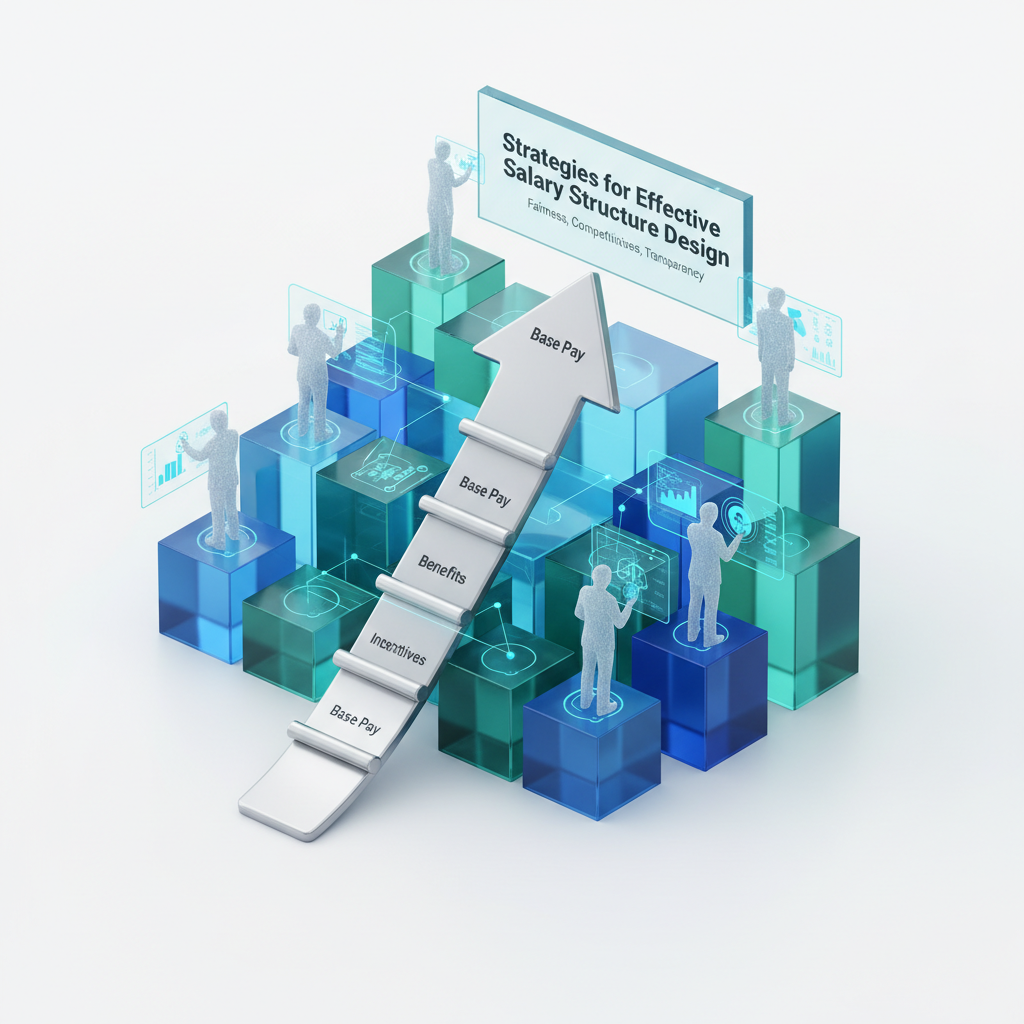
Defining a competitive and fair salary structure is paramount for attracting, retaining, and motivating talent, especially within the dynamic Malaysian transportation sector. Given its vital role in the national economy, companies operating in logistics, maritime, aviation, and road transport must adopt robust Salary Defining Strategy for all job titles in transportation field in malaysia. This involves a systematic approach that balances internal equity with external competitiveness, ensuring all roles, from entry-level drivers to senior logistics managers and specialized port operations personnel, are compensated appropriately. An effective salary structure not only enhances employee satisfaction and productivity but also reinforces a company’s reputation as a fair employer in a competitive market.
-
Market Research and Competitor Analysis (e.g., transportation salary Malaysia)
The foundation of any sound salary structure lies in comprehensive market research and competitor analysis. For the Malaysian transportation field, this means understanding the prevailing wage statistics and economic outlook specifically for roles within logistics, freight, and public transport. Companies must identify direct competitors and benchmark salaries for similar positions. This includes analyzing data for general transportation salary Malaysia, focusing on specifics like driver compensation Malaysia, warehousing staff, and administrative roles. Leveraging industry surveys, national economic reports, and reputable HR consulting firms’ data is crucial. This step helps in identifying salary ranges, benefits, and variable pay components offered by other players, ensuring your proposed structure is not only competitive but also sustainable. It prevents both overpaying, which impacts profitability, and underpaying, which leads to high turnover and difficulty in recruitment. Understanding regional variations within Malaysia (e.g., differences in Kuala Lumpur versus other states) is also vital for an accurate assessment.
-
Job Evaluation and Grading Systems
Once market data is gathered, the next critical step is to conduct a thorough job evaluation. This process systematically assesses the relative worth of each job within the organization based on factors such as responsibility, required skills, effort, working conditions, and complexity. For the transportation sector, this could mean differentiating between the skill sets required for a heavy vehicle driver versus a supply chain analyst, or a shipping clerk versus a port operations supervisor. Implementing a robust job grading system, such as a point-factor method or job-ranking, allows organizations to group jobs of similar value into grades or bands. Each grade is then assigned a salary range, ensuring internal equity and a clear career progression path. This transparency is crucial for employee morale and reduces perceptions of unfairness. A well-defined grading system provides a logical framework for managing salary progression and ensures that compensation aligns with the strategic value each role brings to the company, from intricate port operations salary Malaysia roles to broader logistics pay scales.
-
Performance-Based Incentives and Benefits (e.g., for port operations salary Malaysia)
Beyond the base salary, integrating performance-based incentives and comprehensive benefits packages significantly enhances the overall remuneration strategy. In the highly competitive Malaysian transportation sector, attracting and retaining top talent often requires more than just a good base pay. For roles critical to operational efficiency, such as those in port operations salary Malaysia, performance bonuses tied to efficiency metrics, safety records, or cargo throughput can be highly effective. Similarly, sales roles in logistics might benefit from commission structures, while drivers could have incentives for timely deliveries or fuel efficiency. Beyond monetary incentives, a well-rounded benefits package including health insurance, retirement plans, training and development opportunities, and even flexible working arrangements where feasible, adds substantial value. These benefits should be reviewed periodically to ensure they remain competitive and relevant to employee needs and market trends in maritime industry wages and overall supply chain remuneration. This holistic approach to compensation not only motivates high performance but also fosters a sense of loyalty and commitment among employees, contributing to the long-term success of the organization.
Salary Expectations for Specific Transportation Roles
The dynamic and ever-expanding transportation sector in Malaysia offers a diverse range of career opportunities, each with its own salary expectations. Understanding these benchmarks is crucial for job seekers to negotiate effectively and for employers to attract top talent. This section provides insights into typical salary ranges for various popular transportation job titles across logistics, operations, and specialized roles, offering practical benchmarks for negotiation and planning, forming a vital part of any Salary Defining Strategy for all job titles in transportation field in malaysia. These figures are influenced by factors such as experience, qualifications, company size, location, and the specific demands of the role. Staying informed about these trends can significantly impact career progression and financial planning within this essential industry.
1. Logistics and Supply Chain Management Roles
Roles within logistics and supply chain management are foundational to Malaysia’s trade and commerce, encompassing the planning, execution, and control of goods movement. Salaries in this segment vary widely based on the complexity of the supply chain, the industry sector (e.g., manufacturing, retail, e-commerce), and the level of responsibility. For those seeking logistics jobs salary Malaysia, here’s what to expect:
- Logistics Coordinator/Executive: Entry to mid-level positions typically range from RM 2,500 to RM 5,000 per month. These roles focus on daily operations, documentation, and coordination.
- Supply Chain Analyst: With a focus on data and process improvement, analysts can expect RM 4,000 to RM 7,500 monthly. Advanced analytical skills and relevant software proficiency can command higher wages.
- Warehouse Manager: Overseeing storage and distribution, a Warehouse Manager’s salary often falls between RM 5,000 and RM 12,000, depending on the scale of operations and inventory value.
- Logistics/Supply Chain Manager: Senior roles, often requiring extensive experience and strategic planning capabilities, can command RM 7,000 to RM 18,000 or more, especially in large multinational corporations. A seasoned supply chain manager salary Malaysia can reach even higher with performance-based bonuses.
- Procurement Specialist: Focused on sourcing and purchasing, these roles typically earn RM 4,000 to RM 9,000, with those managing significant budgets or complex international procurements earning at the higher end.
Certifications like CSCP (Certified Supply Chain Professional) or CPIM (Certified in Production and Inventory Management) can significantly boost earning potential in these roles.
2. Drivers and Operations Personnel
The backbone of any transportation network, drivers and operations personnel ensure the physical movement and handling of goods and people. Salaries here are often influenced by licenses held, type of vehicle, route complexity, hazardous material endorsements, and overtime opportunities. For roles in public transport salary Malaysia and cargo delivery, the ranges are:
- Truck Driver (Heavy Goods Vehicle – HGV): Depending on the route (local vs. interstate), cargo type, and hours, a heavy vehicle driver can earn between RM 3,000 and RM 7,000 per month, often including allowances and overtime. Specialized drivers (e.g., chemical tankers) can earn more. A competitive truck driver salary Malaysia often includes mileage or per-trip incentives.
- Bus Driver (Public Transport): For bus drivers, including those in urban and intercity routes, salaries generally range from RM 2,500 to RM 5,000. This often includes a base salary supplemented by overtime, allowances, and performance incentives.
- Delivery Rider/Driver (Light Vehicle): With the surge in e-commerce, these roles typically offer RM 1,800 to RM 3,500 (base), with earnings heavily dependent on delivery volume and commission structures.
- Forklift Operator: Skilled forklift operators crucial for warehouse efficiency can expect RM 2,000 to RM 4,000, with those holding advanced certifications or handling specialized equipment earning more.
- Operations Executive/Supervisor: Overseeing daily transport schedules and fleet management, these roles typically fall between RM 3,000 and RM 6,000, with higher earners having experience in optimizing logistics flows.
These roles often involve shift work and irregular hours, which can lead to higher overall compensation through overtime pay.
3. Port, Aviation, and Marine Specialists
Specialized roles within ports, airports, and marine operations demand specific certifications, extensive training, and often adherence to international regulations. Consequently, these positions generally command higher salaries due to their technical nature and critical importance to global trade and travel. If you’re exploring the port operations salary Malaysia or related fields, consider these benchmarks:
- Port Operations Officer: Responsible for managing vessel movements, cargo handling, and terminal efficiency, these officers typically earn RM 4,000 to RM 8,500. Senior roles with management responsibilities can exceed RM 10,000.
- Freight Forwarding Executive: Facilitating international shipping and customs clearance, executives in this area can expect RM 3,000 to RM 6,000. Those with expertise in complex customs regulations or specific trade lanes command higher salaries. The freight forwarding salary Malaysia can significantly increase with client portfolio and experience.
- Air Cargo Specialist: Handling air freight logistics, from booking to delivery, these specialists typically earn RM 3,500 to RM 7,000, with expertise in dangerous goods or oversized cargo potentially leading to higher pay.
- Marine Engineer/Deck Officer (Shore-based): While sea-going salaries are significantly higher and variable, shore-based roles for qualified marine professionals (e.g., superintendent, technical manager) can start from RM 6,000 and go well beyond RM 15,000, depending on experience and vessel type managed.
- Air Traffic Controller: One of the most critical and highly specialized roles, Air Traffic Controllers in Malaysia can earn between RM 5,000 and RM 12,000 or more, reflecting the intense training, responsibility, and stress associated with ensuring air safety.
These specialized areas require continuous professional development and adherence to international standards, making them highly sought-after and well-compensated career paths. For a broader understanding of compensation across industries, you can explore general Malaysia salary guides.
Understanding these salary expectations forms a cornerstone of a robust Salary Defining Strategy for all job titles in transportation field in malaysia. It empowers both job seekers to negotiate confidently and employers to craft competitive compensation packages that attract and retain top talent in this vital sector.
Future Trends and Compensation Challenges in 2026
The Malaysian transportation sector is on the cusp of significant transformation, driven by technological advancements, pressing environmental concerns, and evolving workforce dynamics. As we approach 2026, organizations must proactively rethink their Salary Defining Strategy for all job titles in transportation field in Malaysia. This forward-looking approach is crucial for attracting, retaining, and motivating talent in an increasingly competitive and complex landscape. The interplay of automation, sustainability initiatives, and demographic shifts will fundamentally reshape job roles and, consequently, compensation structures across the logistics and transportation ecosystem. Companies that fail to adapt their compensation models risk lagging behind, jeopardizing their operational efficiency and long-term viability in this critical sector.

-
Impact of Automation and AI on Job Roles
The rapid advancement of automation and artificial intelligence (AI) is set to redefine numerous job functions within Malaysian transportation. From autonomous vehicles and drones to AI-powered logistics planning and warehouse automation, these technologies promise enhanced efficiency and productivity. However, this also implies a shift in required skill sets. Manual, repetitive tasks in areas like cargo handling, route planning, and administrative support are likely to be automated, leading to a decreased demand for traditional roles.
Conversely, the demand for roles focused on managing, maintaining, and developing these new technologies will surge. This includes AI specialists, data scientists, robotics engineers, automation technicians, and cybersecurity experts specializing in transportation systems. The World Economic Forum’s Future of Jobs Report consistently highlights the growing importance of technological literacy and problem-solving skills in the face of automation. Consequently, a progressive Salary Defining Strategy for all job titles in transportation field in Malaysia must factor in these emerging skill premiums. Companies will need to benchmark salaries for these high-demand tech roles against broader IT and engineering markets, rather than solely within traditional logistics automation impact salary structures. Upskilling and reskilling existing employees will be vital, and compensation strategies should incentivize participation in such development programs, reflecting the value of enhanced capabilities and future-proofing the transportation workforce development. AI in logistics salaries will become a significant differentiator.
-
Sustainability Initiatives and Green Logistics Jobs
Malaysia’s commitment to environmental sustainability, coupled with global pressure for greener supply chains, will profoundly influence the transportation sector. The push towards electric vehicles (EVs), sustainable fuels, optimized route planning to reduce carbon footprints, and circular economy principles will create a new category of “green logistics jobs.” These roles will range from specialists in EV fleet management and charging infrastructure development to experts in sustainable supply chain optimization and environmental compliance officers.
A forward-thinking Salary Defining Strategy for all job titles in transportation field in Malaysia will need to identify and value these nascent positions. Salaries for roles focused on green supply chain jobs, such as sustainability managers in logistics or EV fleet coordinators, will likely command a premium due to the specialized knowledge required and the strategic importance of these initiatives for corporate reputation and regulatory adherence. Organizations must ensure their compensation packages are competitive enough to attract individuals passionate about environmental stewardship and equipped with the technical skills to implement sustainable practices. This segment represents a significant area for transportation workforce development, requiring new expertise that traditional compensation models might not adequately address.
-
Attracting and Retaining Talent in a Competitive Market
Beyond automation and sustainability, the general landscape for attracting and retaining talent in Malaysian transportation remains fiercely competitive. Demographic shifts, including an aging workforce and evolving expectations from younger generations, necessitate a holistic approach to compensation. A robust Salary Defining Strategy for all job titles in transportation field in Malaysia in 2026 will extend beyond base pay to encompass comprehensive benefits packages, opportunities for career progression, flexible work arrangements, and a strong organizational culture.
For critical roles – especially those requiring advanced technical skills or leadership in new areas like AI-driven logistics or green initiatives – sign-on bonuses, performance-based incentives, and long-term retention schemes will become more prevalent. Companies must also invest in continuous learning and development programs, not just as a perk but as a core component of their value proposition. The future of transport compensation isn’t just about the number; it’s about the overall employee experience. Effective talent acquisition logistics Malaysia means understanding that Gen Z and Millennials prioritize work-life balance, purpose-driven work, and continuous skill enhancement. Therefore, compensation strategies must be dynamic, transparent, and aligned with these evolving expectations to effectively attract and retain high-caliber professionals across all job titles in the transportation field in Malaysia.
Partner with Shelby Global
You are looking for reliable HR Sevice Suppliers? Contact Shelby Global Now! To connect with verified talents and upgrade your orginization.
—————————————
References
– Department of Statistics Malaysia (DOSM): https://www.dosm.gov.my/
– Department of Statistics Malaysia’s Salaries & Wages Survey: https://www.dosm.gov.my/portal-main/release-content/salaries-wages-survey-report-malaysia
– wage statistics and economic outlook: https://www.dosm.gov.my/v1/index.php?r=column/ctwoByCat&parent_id=141&menu_id=113&catid=23&type=1&lang=en
– Malaysia salary guides: https://www.jobstreet.com.my/career-resources/salary-guide/
– World Economic Forum – Future of Jobs Report: https://www.weforum.org/agenda/2023/05/future-of-jobs-2023-ai-impact-on-work-skills/