
Understanding the Vietnamese Fashion Market Landscape
The Vietnamese fashion market is experiencing a dynamic transformation, driven by robust economic growth, a burgeoning middle class, and increasing global integration. As a key manufacturing hub for textiles and garments, Vietnam is now rapidly developing its domestic fashion scene, creating a complex landscape that significantly influences salary structures across various job titles. This overview explores the current state and projected growth of the fashion industry in Vietnam, highlighting pivotal factors that shape compensation.

1. Current Growth Trends and Market Size (2024-2026)
The Vietnamese fashion market is on a robust growth trajectory, positioning itself as a significant player in Southeast Asia. Analysts project continued expansion, with the fashion market revenue in Vietnam expected to reach substantial figures, showcasing impressive annual growth rates into 2026 and beyond. This expansion is fueled by several factors, including rising disposable incomes and a youthful demographic eager for new styles and trends. The increasing sophistication of Vietnamese consumers is pushing demand for both international brands and high-quality local designs, contributing to the overall market size and stimulating the textile industry. This surge translates into a greater need for skilled professionals across the entire supply chain, from creative designers and merchandisers to production managers and marketing specialists. As the industry matures, there’s also a noticeable shift towards sustainable fashion practices, requiring new skill sets and potentially impacting salary structures for roles focused on ethical sourcing and eco-friendly production.
2. Key Industry Hubs and Regional Salary Variations
Vietnam’s fashion industry is not uniformly distributed, with distinct hubs emerging that offer varying opportunities and salary scales. Ho Chi Minh City and Hanoi are the undisputed epicenters for design, retail, marketing, and headquarters functions. These metropolitan areas boast a higher concentration of international fashion brands, local design studios, and an affluent consumer base, leading to more competitive salaries for creative roles like fashion designers, brand managers, and visual merchandisers. Production-heavy regions such as Binh Duong, Dong Nai, and other provinces in the south and north, serve as critical manufacturing bases. Salaries in these areas tend to be more focused on production management, quality control, and textile engineering roles, often reflecting the cost of living and specific industry demands. The disparity underscores the importance of a nuanced Salary Defining Strategy for all job titles in Fashion field in vietnam, accounting for both functional specialization and geographical influence.
3. Impact of International Investment and Local Demand
International investment plays a pivotal role in shaping the Vietnamese fashion market. Foreign Direct Investment (FDI) has poured into the textile and garment sector, establishing modern factories and bringing advanced technology and management practices. This influx creates a demand for professionals with international experience and specialized skills in areas like supply chain fashion management, digital marketing, and quality assurance, often leading to higher compensation packages. Simultaneously, robust local demand is fueling the growth of domestic brands and e-commerce fashion platforms. Vietnamese consumers, increasingly global in their outlook, are driving innovation in local retail, including the rapid expansion of online shopping. This trend requires new talent in e-commerce strategy, digital content creation, and logistics. The interplay between global manufacturing standards and evolving local consumer preferences means that job titles in fashion, from retail salary benchmarks to production manager salary expectations, are constantly adjusting. The market rewards adaptability, technological proficiency, and a keen understanding of both global trends and unique Vietnamese consumer behavior, shaping compensation across the board for all professionals in the industry.
Core Factors Influencing Fashion Salaries
Understanding the intricate web of factors that dictate remuneration in Vietnam’s dynamic fashion sector is crucial for both employers and job seekers. From aspiring entry-level fashion professionals to seasoned executives, salary defining strategy for all job titles in the fashion field in Vietnam is a complex interplay of individual attributes and market dynamics. This section delves into the universal and specific elements that shape salary ranges for various roles, providing insight into what drives compensation across the industry.
1. Experience Level, Education, and Specialized Skills
The foundation of any competitive fashion salary in Vietnam often rests on an individual’s experience, educational background, and unique skill set. Naturally, years of practical experience directly correlate with increased earning potential. Entry-level fashion jobs command salaries reflecting foundational knowledge, while mid-career professionals with 3-7 years of experience typically see a significant jump as they take on more responsibility and demonstrate proven results. Senior and executive roles, demanding extensive industry insight and leadership capabilities, represent the highest fashion executive compensation tiers.
Beyond raw experience, formal education plays a pivotal role. Degrees in fashion design, merchandising, textile technology, marketing, or business administration from reputable institutions, both local and international, enhance a candidate’s profile. However, it is the acquisition of specialized skills that truly distinguishes top earners. Proficiency in CAD software for designers, expertise in sustainable practices for product developers, advanced digital marketing and e-commerce analytics for brand managers, or robust supply chain optimization for operations roles are highly sought after. Knowledge of international trade regulations, fluency in multiple languages, and a deep understanding of consumer psychology also contribute to a higher skill premium in fashion, impacting the overall fashion job market for roles like designer pay and merchandiser salary.
2. Company Size, Type (Local vs. International), and Brand Reputation
The employing entity itself is a significant determinant of fashion salaries in Vietnam. Generally, larger companies with established financial structures and broader market reach tend to offer more competitive compensation packages than small and medium-sized enterprises (SMEs) or startups. This is particularly evident in the disparity between local Vietnamese fashion brands and international fashion houses operating within the country.
International fashion brands operating in Vietnam, often adhering to global compensation standards, typically provide higher base salaries, more comprehensive benefits, and better opportunities for career progression. Their larger budgets and emphasis on attracting top talent allow them to set a higher benchmark. Conversely, while local Vietnamese brands might offer unique cultural insights and growth potential, their salary scales can be more modest. However, successful local brands with strong market presence and expanding operations are increasingly bridging this gap. A company’s brand reputation salary impact is undeniable; working for a prestigious or well-known brand, whether local or international, often comes with a premium due to the perceived value of that experience and the brand’s ability to attract and retain high-caliber professionals. This applies across roles, from marketing fashion pay to supply chain fashion salary.
3. Role Responsibilities, Complexity, and Performance Metrics
The specific demands and strategic importance of a role profoundly influence its compensation structure. Positions with greater responsibility, requiring complex problem-solving, strategic decision-making, and direct impact on the company’s bottom line, inherently command higher salaries. For instance, a Creative Director overseeing entire collections and brand aesthetics will earn significantly more than an entry-level designer. Similarly, a Head of Merchandising managing extensive product portfolios and sales targets will have a higher merchandiser salary than a junior merchandiser.
The complexity of tasks involved, the number of direct reports, and the scope of influence are all factored into a role’s valuation. Roles that involve managing international teams, navigating intricate supply chains, or driving significant revenue streams are among the highest paid. Furthermore, a substantial portion of fashion executive compensation and even mid-level salaries often includes performance-based components. Performance bonus fashion structures, commissions for sales roles, and profit-sharing schemes tie an individual’s earnings directly to their measurable output and contribution to company success. This incentivizes high performance and ensures that top talent is rewarded commensurate with their impact. Understanding this link is key to developing a robust Salary Defining Strategy for all job titles in Fashion field in Vietnam.
Salary Benchmarking for Key Fashion Job Titles
Understanding the competitive landscape of compensation is paramount for sustainable growth and talent retention within Vietnam’s burgeoning fashion industry. This section provides a robust Salary Defining Strategy for all job titles in Fashion field in vietnam, offering specific insights and expected salary ranges for common and specialized roles across design, production, marketing, and retail. By analyzing current market trends and demand, businesses can develop fair and attractive compensation packages that align with industry standards and regional cost of living, crucial for effective talent acquisition and employee satisfaction.
Vietnam’s fashion sector is dynamic, with a blend of international brands, local designers, and a robust manufacturing base. This diversity means salary expectations can vary significantly based on company size, location (e.g., Ho Chi Minh City vs. Hanoi vs. provincial areas), local versus foreign-owned enterprises, and, critically, an individual’s experience and skill set. Our benchmarking provides a general guideline, encouraging companies to conduct more detailed analyses using comprehensive salary reports, such as those often published by leading recruitment firms like Navigos Search’s Vietnam Labour Market Report.
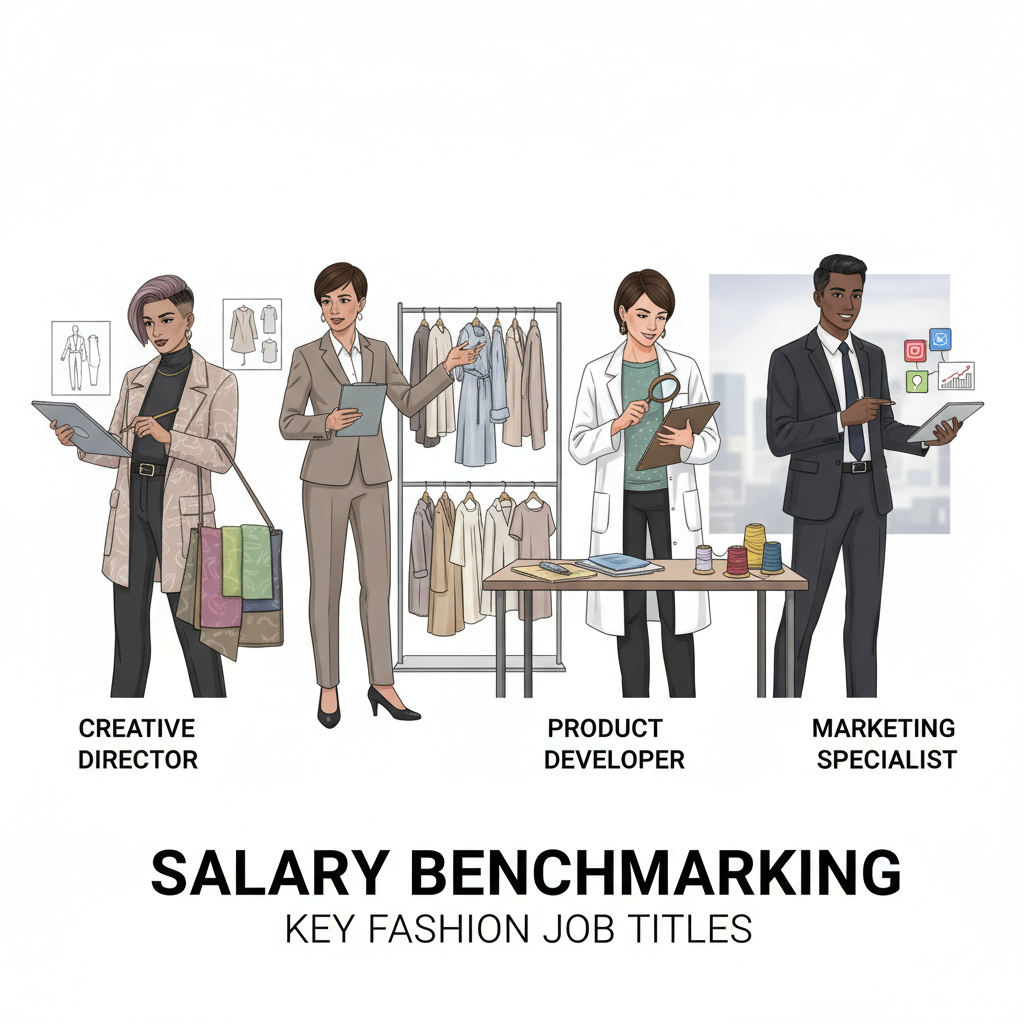
1. Design & Creative Roles (e.g., Designer, Pattern Maker, Stylist)
The heart of any fashion brand lies in its creative force. Salaries for design and creative roles in Vietnam reflect a blend of artistic talent, technical skill, and industry experience. Entry-level positions typically command lower figures, while seasoned professionals with a strong portfolio and a proven track record can expect significantly higher compensation. A well-defined Salary Defining Strategy for all job titles in Fashion field in vietnam for creative roles acknowledges the value of innovation and trend-setting capabilities.
- Fashion Designer: Responsible for conceptualizing and creating apparel collections.
- Junior Designer (1-3 years experience): VND 10,000,000 – 18,000,000 per month
- Mid-level Designer (3-6 years experience): VND 18,000,000 – 30,000,000 per month
- Senior Designer/Design Lead (6+ years experience): VND 30,000,000 – 60,000,000+ per month
- Pattern Maker: Translates design sketches into precise patterns for production.
- Junior Pattern Maker (1-3 years experience): VND 8,000,000 – 15,000,000 per month
- Experienced Pattern Maker (3+ years experience): VND 15,000,000 – 30,000,000 per month
- Fashion Stylist: Curates looks for photoshoots, campaigns, or personal clients.
- Entry-level/Assistant Stylist: VND 7,000,000 – 12,000,000 per month
- Experienced Stylist: VND 12,000,000 – 25,000,000+ per month (often project-based)
2. Production & Supply Chain Roles (e.g., Merchandiser, QA/QC Manager)
Vietnam’s strength as a manufacturing hub means that production and supply chain roles are critical and often in high demand. These positions require meticulous attention to detail, strong organizational skills, and a deep understanding of manufacturing processes and logistics. A clear Salary Defining Strategy for all job titles in Fashion field in vietnam within this segment acknowledges their direct impact on efficiency, quality, and delivery timelines.
- Merchandiser: Bridges the gap between design, production, and sales; manages product development and order execution.
- Junior Merchandiser (1-3 years experience): VND 9,000,000 – 16,000,000 per month
- Mid-level Merchandiser (3-6 years experience): VND 16,000,000 – 28,000,000 per month
- Senior Merchandiser/Merchandising Manager (6+ years experience): VND 28,000,000 – 50,000,000+ per month
- QA/QC Manager (Quality Assurance/Quality Control Manager): Oversees product quality from raw materials to finished goods.
- QA/QC Executive (2-4 years experience): VND 12,000,000 – 20,000,000 per month
- QA/QC Manager (5+ years experience): VND 20,000,000 – 45,000,000+ per month
- Production Manager: Manages the entire manufacturing process, ensuring efficiency and timely output.
- Production Supervisor (3-5 years experience): VND 15,000,000 – 25,000,000 per month
- Production Manager (5+ years experience): VND 25,000,000 – 60,000,000+ per month
3. Marketing, Retail & Management Roles (e.g., Brand Manager, Store Manager)
These roles are pivotal for market penetration, brand building, and customer engagement. They require a strong understanding of consumer behavior, marketing strategies, and operational excellence. Salaries here often include performance-based bonuses, reflecting the direct impact these roles have on revenue generation and brand perception. A robust Salary Defining Strategy for all job titles in Fashion field in vietnam for these roles incentivizes growth and leadership.
- Brand Manager: Develops and executes brand strategies, marketing campaigns, and brand positioning.
- Junior Brand Executive (1-3 years experience): VND 10,000,000 – 18,000,000 per month
- Brand Manager (3-6 years experience): VND 18,000,000 – 35,000,000 per month
- Senior Brand Manager/Marketing Manager (6+ years experience): VND 35,000,000 – 70,000,000+ per month
- Store Manager: Oversees daily store operations, sales targets, staff management, and customer service.
- Assistant Store Manager (2-4 years experience): VND 10,000,000 – 16,000,000 per month
- Store Manager (4+ years experience): VND 16,000,000 – 30,000,000+ per month (plus sales incentives)
- Retail Area Manager: Manages multiple retail outlets within a specific geographical area.
- Area Manager (5+ years experience): VND 30,000,000 – 60,000,000+ per month (plus performance bonuses)
It is important for companies to consistently review their compensation structures to remain competitive. Factors such as benefits packages, professional development opportunities, and company culture also play a significant role in attracting and retaining top talent in the dynamic Vietnamese fashion industry. A proactive approach to Salary Defining Strategy for all job titles in Fashion field in vietnam is key to long-term success.
Developing a Strategic Compensation Framework
The dynamic and rapidly evolving fashion industry in Vietnam demands a sophisticated approach to attracting and retaining top talent. A robust, competitive, and fair salary defining strategy for all job titles in the fashion field in Vietnam is not just about paying well; it’s about creating an employee value proposition that resonates with professionals, from designers and merchandisers to marketing specialists and retail managers. This section guides employers and HR professionals through developing a comprehensive compensation framework that ensures sustainable growth and cultivates a highly motivated workforce. By understanding market dynamics, performance incentives, and the power of non-monetary benefits, businesses can craft tailored compensation frameworks that stand out in Vietnam’s competitive labor landscape, enhancing both talent attraction and retention strategies.
1. Market Research and Data Analysis Tools for Compensation
Establishing a truly competitive compensation structure begins with thorough market research and astute data analysis. For the fashion industry in Vietnam, this means delving into specific fashion salary benchmarks Vietnam and understanding regional variations. Tools for this research include participation in local and international salary surveys specific to the fashion sector, analyzing job board data, and consulting reports from HR consulting firms specializing in compensation within Southeast Asia. Businesses must identify comparable roles – not just within fashion but also in related creative and retail industries – to gauge competitive salaries fashion Vietnam accurately.
Effective data analysis involves more than just collecting numbers; it’s about interpreting them to discern trends, identify pay equity fashion Vietnam gaps, and project future compensation needs. Leveraging HR analytics software can help organizations perform job evaluation fashion roles Vietnam efficiently, comparing internal role values against external industry salary benchmarks. This process enables companies to determine appropriate pay ranges for various positions, from entry-level apprentices to executive leadership, ensuring that their market pricing jobs strategy aligns with both external market realities and internal pay philosophies. Without this foundational understanding, any compensation framework risks being either over-generous and unsustainable or under-competitive, leading to talent drain and difficulty in talent attraction fashion Vietnam. Regularly updating this market analysis fashion salaries is crucial given the rapid changes in labor costs and talent demand.
2. Implementing Performance-Based Pay and Incentive Structures
Beyond competitive base salaries, a strategic compensation framework in the Vietnamese fashion industry leverages performance-based pay and robust incentive structures to drive results and motivate employees. This approach directly links individual and team contributions to financial rewards, fostering a high-performance culture. Examples of performance-based pay fashion Vietnam include sales commissions for retail staff, project bonuses for design teams based on collection success or market reception, and profit-sharing schemes for senior management tied to the company’s overall financial performance.
Designing effective incentive structures fashion Vietnam requires clear, measurable key performance indicators (KPIs) relevant to each job title. For a fashion designer, KPIs might include successful product launches, adherence to budget, and positive customer feedback. For a marketing manager, it could be brand engagement metrics or campaign ROI. Transparency in how these incentives are calculated and disbursed is paramount to maintaining trust and encouraging employee buy-in. When employees understand how their efforts translate into tangible rewards, it significantly bolsters motivation and loyalty. Implementing such structures also serves as a powerful retention strategy fashion Vietnam, as high-performing individuals are rewarded proportionally for their contributions, making them less likely to seek opportunities elsewhere. This also ties into overall fashion HR trends Vietnam, which increasingly emphasize meritocracy and demonstrable impact.
3. Benefits, Perks, and Non-Monetary Compensation Strategies
While salary is a primary motivator, a truly compelling compensation framework extends beyond direct pay to encompass a holistic approach known as total rewards fashion Vietnam. This includes a comprehensive package of benefits, perks, and non-monetary compensation strategies that significantly enhance the employee value proposition fashion. In Vietnam, where work-life balance and career development are increasingly valued, these elements can be powerful differentiators.
Standard benefits often include health insurance, social insurance contributions, and paid time off. However, to stand out, fashion businesses in Vietnam can offer additional perks such as professional development opportunities (e.g., workshops on sustainable fashion, digital marketing for fashion, or design software training), flexible working arrangements, employee discounts on company products, and even wellness programs. Non-monetary benefits fashion Vietnam like a positive company culture, opportunities for creative expression, recognition programs, mentorship initiatives, and clear career progression paths are equally crucial. These elements contribute to a positive work environment, foster loyalty, and demonstrate an employer’s commitment to their employees’ well-being and growth. By strategically combining competitive base salaries with attractive non-monetary benefits, companies can build a truly robust and appealing compensation package that not only draws in top talent but also ensures long-term employee engagement and retention. This holistic approach is key to developing a sustainable compensation framework fashion Vietnam that addresses the multifaceted needs and aspirations of professionals in the vibrant Vietnamese fashion scene.
Future Trends & Navigating Salary Negotiations in 2026
The Vietnamese fashion industry is experiencing an unprecedented period of transformation, driven by global shifts and local dynamism. As we approach 2026, understanding the upcoming influences on fashion salaries is crucial for both professionals seeking fair compensation and businesses aiming to attract and retain top talent. This section explores these evolving trends, providing a comprehensive Salary Defining Strategy for all job titles in Fashion field in vietnam, alongside practical advice for successful salary negotiations.

1. Impact of Digitalization, E-commerce, and AI on Future Salaries
The rapid acceleration of digitalization, e-commerce, and artificial intelligence (AI) is fundamentally reshaping job roles and compensation structures within Vietnam’s fashion sector. As traditional retail models evolve, there’s an increasing demand for specialized skills that bridge the gap between creativity and technology. Professionals proficient in areas such as digital marketing, data analytics, UI/UX design for e-commerce platforms, and AI-driven supply chain optimization are becoming invaluable. Consequently, roles requiring these advanced digital competencies are commanding higher salaries. For instance, a fashion brand’s e-commerce manager who can effectively leverage data to drive sales and personalize customer experiences will likely see their market value soar compared to those focused solely on traditional retail operations. Companies are increasingly willing to invest in talent that can navigate the complexities of online marketplaces, optimize digital customer journeys, and implement AI tools for trend forecasting and inventory management. This shift means that continuous upskilling in digital and AI-related fields is not just beneficial but essential for career growth and improved earning potential in 2026.
2. Sustainability, Ethical Practices, and Their Role in Compensation
Consumer consciousness regarding sustainability and ethical practices is no longer a niche concern; it’s a driving force in the global fashion industry, and Vietnam is no exception. As brands strive for greater transparency and responsible production, there’s a growing need for professionals with expertise in sustainable sourcing, circular design principles, environmental impact assessment, and ethical supply chain management. Roles such as Sustainability Coordinators, Ethical Production Managers, and specialists in eco-friendly material development are emerging and gaining significant traction. Individuals who can demonstrate a deep understanding of these practices, develop sustainable strategies, and ensure compliance with international standards (such as those outlined in reports like McKinsey’s State of Fashion reports which highlight these critical shifts) are becoming highly sought after. Their ability to enhance a brand’s reputation, mitigate risks, and appeal to a growing segment of environmentally and socially conscious consumers directly translates into higher compensation. Employers are recognizing that investing in such expertise is not just about compliance but also about competitive advantage and long-term brand value.
3. Effective Negotiation Strategies for Employees and Employers
Navigating salary negotiations in 2026 requires a strategic approach from both sides of the table. For employees, thorough market research is paramount. Understand the average compensation for your specific role and experience level within the Vietnamese fashion industry, especially factoring in the digital and sustainability skills you possess. Highlight your unique value proposition – whether it’s proven success in e-commerce growth, expertise in sustainable material innovation, or leadership in digital transformation projects. Be prepared to articulate how your skills directly contribute to the company’s profitability and strategic goals. Practice your pitch, quantify your achievements, and be confident yet flexible. For employers, attracting and retaining top talent in a competitive market means offering competitive compensation packages. Beyond the base salary, consider benefits such as professional development opportunities (especially in digital and sustainability), flexible working arrangements, and performance-based bonuses. Transparency in salary bands and a willingness to engage in open dialogue about compensation can foster trust and facilitate smoother negotiations. Understanding the evolving landscape of in-demand skills and adjusting your compensation structures accordingly is vital. Both parties should approach negotiations as a collaborative effort to find a mutually beneficial agreement that acknowledges individual contributions and market realities.
Partner with Shelby Global
You are looking for reliable HR Sevice Suppliers? Contact Shelby Global Now! To connect with verified talents and upgrade your orginization.
—————————————
References
– Statista – Fashion Market in Vietnam: https://www.statista.com/outlook/dmo/ecommerce/fashion/vietnam
– Essential Fashion Skills for Industry Success: https://www.businessoffashion.com/articles/careers/the-skills-you-need-to-succeed-in-the-fashion-industry-bof-careers-report/
– :
– Market Pricing Jobs Toolkit – SHRM: https://www.shrm.org/resources-and-tools/tools-and-samples/toolkits/pages/marketpricingjobs.aspx
– :