
Understanding AI Agents in Vietnam’s Financial Landscape
Vietnam’s financial sector is undergoing a rapid transformation, driven by technological advancements and an increasingly digitally-savvy population. At the forefront of this evolution are AI agents – sophisticated software systems designed to perceive their environment, make decisions, and take actions autonomously to achieve specific goals. This section delves into what AI agents are, exploring how AI agent effect to finance field in vietnam, and examines their current level of adoption and integration within the nation’s diverse financial sector, from established banks to agile FinTech startups. The impact of these intelligent systems is profound, promising enhanced financial automation, improved customer experience, and robust risk management strategies across the industry.

1. What are AI Agents and How Do They Work?
At its core, an AI agent is an entity that perceives its environment through sensors and acts upon that environment through actuators. In the context of finance, these “sensors” can be data feeds from transactions, customer interactions, market trends, or regulatory updates, while “actuators” can range from executing trades, approving loans, generating personalized advice, or flagging suspicious activities. AI agents operate based on a set of defined rules, sophisticated algorithms, and often machine learning models, enabling them to learn and adapt over time.
They typically embody several key characteristics: autonomy, meaning they can operate without constant human supervision; responsiveness, allowing them to react to changes in real-time; pro-activeness, enabling them to initiate actions based on goals; and social behavior, where they can interact with other agents or humans. For instance, a fraud detection AI agent continuously monitors transactions, identifies anomalous patterns, and alerts relevant personnel or even blocks transactions proactively. The effectiveness of AI agents in finance stems from their ability to process vast amounts of data at speeds and scales impossible for humans, leading to more informed decisions and optimized operations.
2. Current AI Adoption Trends in Vietnamese Banks and FinTechs
The digital transformation sweeping through Vietnam’s financial landscape has seen a notable surge in the adoption of AI agents. Traditional banks are increasingly investing in AI to streamline back-office operations, enhance customer service, and fortify security measures. Major players like Vietcombank, Techcombank, and VPBank have deployed AI-powered chatbots for 24/7 customer support, helping resolve common queries, process routine requests, and guide customers through banking products. This not only improves customer satisfaction but also frees up human agents for more complex tasks.
In the realm of FinTech innovation, AI agents are even more pervasive. Startups are leveraging AI for advanced credit scoring, particularly for unbanked or underbanked populations, by analyzing non-traditional data points. Peer-to-peer lending platforms and digital wallets frequently use AI for personalized financial recommendations, real-time risk assessment, and dynamic pricing. The drive for greater efficiency and competitive differentiation is a key factor. According to a report by PwC, global financial services firms are increasingly turning to AI to enhance various functions, a trend strongly mirrored in Vietnam’s evolving market. This underlines the broader impact of AI on financial services worldwide, with Vietnam actively participating in this technological wave.
The current landscape suggests a clear trajectory towards more sophisticated AI integration, moving beyond basic automation to predictive analytics and prescriptive actions. This shift is crucial for understanding how AI agent effect to finance field in vietnam, paving the way for more agile and resilient financial institutions.
3. Key Technologies Powering AI in Vietnam’s Finance
The deployment and efficacy of AI agents in Vietnam’s financial sector are heavily reliant on several foundational technologies:
- Machine Learning (ML): Algorithms that enable systems to learn from data without explicit programming. In finance, ML models are crucial for everything from predictive analytics for market trends to identifying anomalies in transactions for fraud prevention.
- Natural Language Processing (NLP): This technology allows AI agents to understand, interpret, and generate human language. NLP is fundamental for conversational AI (chatbots), sentiment analysis of customer feedback, and processing unstructured data from documents.
- Big Data Analytics: Financial institutions generate massive amounts of data daily. Data analytics in finance tools, powered by AI, can process and derive insights from these vast datasets, identifying patterns, correlations, and trends that would be invisible to human analysts. This informs better decision-making in areas like investment strategies, credit risk assessment, and personalized marketing.
- Robotic Process Automation (RPA): While distinct from AI, RPA often works in conjunction with AI agents to automate repetitive, rule-based tasks such as data entry, report generation, and processing customer applications. When combined with AI, RPA becomes “intelligent automation,” capable of handling more complex, decision-based workflows.
These technologies empower AI agents to perform tasks ranging from complex investment analysis to personalized financial advice, driving efficiency, reducing operational costs, and opening new avenues for product development and customer engagement. As Vietnam’s financial sector continues its digital journey, the synergy of these technologies will define the next generation of financial services, profoundly influencing how AI agent effect to finance field in vietnam.
Transformative Impacts on Banking and Operational Efficiency
AI agents are rapidly reshaping the financial landscape, particularly in Vietnam, where digital transformation is a key focus for growth. These intelligent systems are not just tools; they are becoming indispensable partners in revolutionizing day-to-day banking operations, significantly enhancing customer experiences, and driving unparalleled efficiency gains across the industry. Understanding exactly how AI agents effect to finance field in Vietnam reveals a sector poised for a new era of innovation, where speed, precision, and personalization define success. From streamlining complex back-office functions to fortifying cybersecurity, the integration of AI in Vietnamese banking is proving to be a game-changer for financial institutions across the nation.
The strategic deployment of AI agents addresses critical challenges and unlocks new opportunities, ushering in an era of unprecedented growth and reliability within the finance sector. Let’s delve into the specific areas where their influence is most pronounced:
1. Enhancing Customer Service and Personalized Banking Experiences
The advent of AI agents has dramatically elevated customer service standards in Vietnamese banking, moving beyond traditional models to offer hyper-personalized experiences. AI-powered chatbots and virtual assistants are now commonplace, providing instant, 24/7 support for inquiries ranging from account balances to loan applications. These intelligent interfaces reduce wait times, resolve common issues efficiently, and free up human staff to handle more complex customer needs. Beyond mere convenience, AI algorithms analyze vast datasets of customer interactions, transaction histories, and preferences to offer tailored product recommendations and proactive financial advice. This level of personalized banking AI Vietnam helps banks build stronger, more loyal customer relationships by understanding individual needs and anticipating future requirements. The result is a seamless, intuitive, and highly responsive customer journey that significantly boosts satisfaction and engagement, marking a pivotal shift in how financial institutions connect with their clientele. This focus on customer experience AI Vietnam is a crucial differentiator in a competitive market, fostering greater trust and retention.
2. Automating Back-Office Processes and Reducing Manual Work
One of the most profound impacts of AI agents in the finance field is their ability to automate intricate back-office processes, leading to substantial operational efficiency banks Vietnam. Tasks traditionally performed manually, such as data entry, reconciliation, compliance checks, and report generation, are now handled with remarkable speed and accuracy by AI and Robotic Process Automation (RPA) systems. This financial automation Vietnam minimizes human error, drastically cuts down processing times, and allows financial institutions to reallocate valuable human resources to more strategic, value-added activities. For instance, AI can swiftly process vast amounts of loan application documents, verify identities, and assess creditworthiness, significantly accelerating the lending process. Similarly, in treasury operations, AI agents can automate trade confirmations and settlement processes. The reduction in manual work translates directly into cost savings, increased throughput, and a more agile operational framework. This digital transformation finance Vietnam driven by AI ensures that banks can operate leaner, more effectively, and with greater resilience against market fluctuations, underpinning their ability to scale services while maintaining robust control.
3. AI-Powered Fraud Detection and Cybersecurity Fortification
The increasing sophistication of cyber threats demands equally advanced defense mechanisms, and AI agents are at the forefront of cybersecurity fortification in the financial sector. AI-powered fraud detection and prevention systems are now indispensable tools for Vietnamese banks. These systems leverage machine learning algorithms to continuously analyze transactional data, behavioral patterns, and network traffic in real-time, identifying anomalies and potential fraud indicators that human analysts might miss. Unlike traditional rule-based systems, AI can adapt to new and evolving fraud tactics, offering a dynamic shield against financial crime. For example, AI can detect unusual spending patterns on credit cards, identify suspicious login attempts, or flag money laundering activities with a high degree of accuracy, thereby minimizing financial losses and protecting customer assets. Furthermore, AI contributes to strengthening overall cybersecurity posture by identifying vulnerabilities in IT infrastructure, predicting potential attack vectors, and automating responses to cyber threats. The strategic deployment of fraud detection AI finance Vietnam not only enhances the security of financial transactions but also reinforces customer trust in the banking system, which is paramount for sustainable growth. Global reports on AI adoption in financial services consistently highlight the critical role of AI in bolstering security measures, making banks more resilient to external threats and ensuring regulatory compliance.
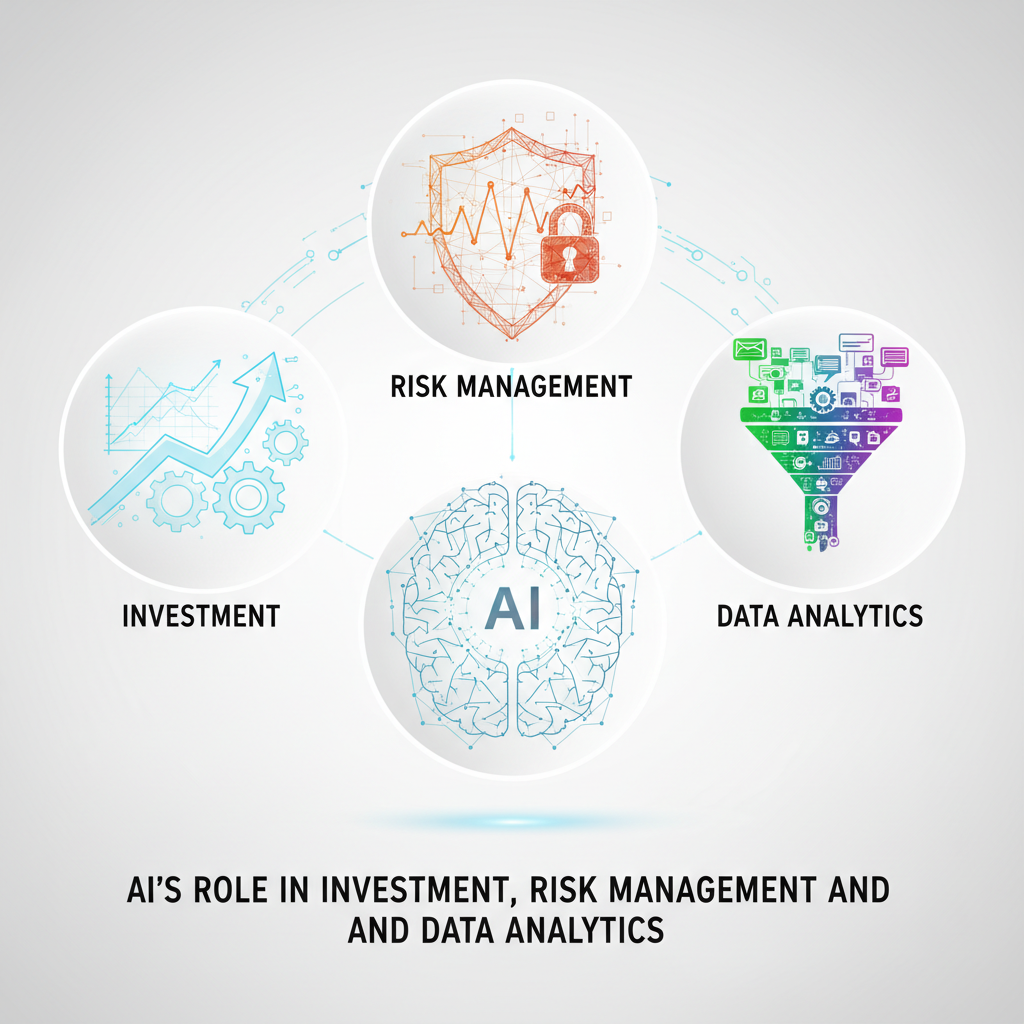
AI’s Role in Investment, Risk Management, and Data Analytics
Delve into the influence of AI agents on investment strategies, advanced risk assessment models, and sophisticated data analytics within Vietnam’s financial markets.
The global financial landscape is undergoing a profound transformation, with Artificial Intelligence (AI) agents emerging as pivotal drivers of innovation and efficiency. In Vietnam, a rapidly growing economy with an increasingly sophisticated financial sector, the impact of AI is becoming particularly pronounced. From optimizing complex trading decisions to enhancing the precision of risk assessments and revolutionizing how financial data is analyzed, AI is reshaping the entire ecosystem. Understanding how AI agents effect the finance field in Vietnam is crucial for institutions looking to maintain a competitive edge and drive sustainable growth. This section explores the multifaceted ways AI is influencing investment strategies, risk management, and data analytics across Vietnam’s dynamic financial markets, fostering data-driven decisions and improving operational efficiency.
-
Algorithmic Trading and Portfolio Optimization in Vietnam
AI’s application in algorithmic trading and portfolio optimization is fundamentally altering investment approaches within Vietnam. AI agents can process vast amounts of real-time and historical market data, identifying patterns, correlations, and anomalies that human traders might miss. These algorithms execute trades at speeds and volumes impossible for individuals, capitalizing on fleeting market opportunities and reacting instantaneously to changes. For Vietnamese investment firms, this means the ability to develop highly sophisticated trading strategies that can adapt to local market nuances and global influences. AI-driven systems also excel at portfolio optimization, dynamically rebalancing asset allocations to minimize risk while maximizing returns based on predefined objectives and market conditions. This precision helps mitigate exposure to market volatility and significantly enhances overall investment performance, providing a critical advantage in Vietnam’s competitive environment.
-
Predictive Analytics for Market Trends and Economic Forecasting
Beyond immediate trading, AI’s prowess in predictive analytics is proving invaluable for forecasting market trends and economic shifts in Vietnam. Machine learning models analyze diverse datasets, ranging from macroeconomic indicators and geopolitical events to social media sentiment and news articles, to generate highly accurate predictions about future market movements, commodity prices, and even currency fluctuations. For financial institutions and policymakers in Vietnam, this provides a powerful tool for strategic planning and proactive risk management. By anticipating potential economic downturns or sector-specific booms, businesses can adjust their strategies, optimize resource allocation, and strengthen regulatory compliance. This foresight helps Vietnamese enterprises navigate uncertainties more effectively, make informed decisions, and better position themselves for sustainable growth.
-
Improving Credit Scoring and Loan Underwriting with AI
One of the most transformative impacts of AI in Vietnam’s finance field is in the realm of credit scoring and loan underwriting. Traditional credit assessment models often rely on limited historical data, which can exclude a significant portion of the population, particularly those without extensive credit histories or small and medium-sized enterprises (SMEs). AI agents, however, can leverage alternative data sources – such as transaction data, utility payments, and even mobile usage patterns – to create more comprehensive and accurate credit profiles. This advanced analytical capability allows Vietnamese banks and lenders to identify creditworthy individuals and businesses previously overlooked, expanding access to finance while simultaneously reducing default rates. By automating and refining the underwriting process, AI not only enhances customer experience through faster approvals but also significantly lowers operational costs and improves the overall efficiency and fairness of lending decisions, aligning with the broader push for financial technology (FinTech) innovation in the country. A report by the World Bank highlights the increasing importance of digital transformation in financial sectors worldwide, echoing Vietnam’s trajectory in adopting AI-driven solutions.
In conclusion, AI agents are not merely augmenting existing processes in Vietnam’s financial markets; they are fundamentally redefining them. From the high-frequency demands of algorithmic trading and the strategic insights of predictive analytics to the inclusive potential of AI-enhanced credit scoring, the technology is driving unprecedented levels of precision, efficiency, and accessibility. As Vietnam continues its digital transformation journey, the integration of AI will undoubtedly remain a cornerstone of its financial sector’s evolution, fostering innovation and resilience in an increasingly complex global economy.
Challenges and Opportunities for Vietnamese Financial Institutions
The integration of AI agents into core strategies presents both significant hurdles and promising growth avenues for Vietnamese financial entities. As the financial landscape rapidly evolves, understanding how AI agent effect to finance field in Vietnam is crucial for institutions aiming for sustainable growth and competitive advantage. From enhancing operational efficiency to revolutionizing customer experience, AI’s potential is vast, yet its adoption requires careful navigation through various complexities.
1. Addressing Data Privacy, Security, and Ethical AI Concerns
One of the foremost challenges facing Vietnamese banking AI adoption is ensuring robust data privacy and security. Financial institutions handle sensitive customer information, and the deployment of AI agents amplifies the need for stringent cybersecurity measures. Breaches can lead to severe reputational damage, financial losses, and erosion of customer trust. Implementing AI also demands adherence to ethical guidelines. Biased algorithms, lack of transparency, and accountability issues can undermine public confidence. Vietnamese financial entities must invest in advanced encryption, data anonymization techniques, and develop clear ethical frameworks for AI development and deployment. Establishing a robust governance structure that prioritizes data protection, including data security Vietnamese banks, and AI ethics financial sector Vietnam considerations is paramount for successful and responsible AI integration.
2. Bridging the Talent Gap: Skills Development for an AI-Driven Future
The rapid technological shift brought about by AI agents in finance necessitates a highly skilled workforce, a significant challenge for AI talent gap Vietnam. There is a pressing need for professionals proficient in AI engineering, data science, machine learning, cybersecurity, and even AI ethics. Many existing employees may lack the specialized skills required to develop, deploy, and manage AI systems effectively. To bridge this gap, Vietnamese financial institutions must commit to comprehensive upskilling and reskilling initiatives. This involves establishing internal training programs, collaborating with universities and vocational schools to develop tailored curricula, and attracting top talent from both domestic and international markets. Fostering a culture of continuous learning and innovation will be vital. By investing in human capital, financial institutions can ensure they have the expertise to harness the full potential of AI agents, thereby enhancing their digital transformation Vietnam finance initiatives and securing their future competitiveness.
3. Navigating Regulatory Frameworks and Compliance for AI Adoption
The regulatory landscape surrounding AI in finance is still nascent and evolving globally, posing a complex challenge for financial technology Vietnam challenges. Vietnamese financial institutions must navigate existing financial regulations while anticipating and adapting to new, AI-specific guidelines. Ensuring compliance with data protection laws, consumer protection regulations, and anti-money laundering (AML) directives becomes more intricate with AI-driven operations. Regulators, such as the State Bank of Vietnam, are tasked with striking a balance between fostering innovation and safeguarding financial stability and consumer interests. Financial institutions should proactively engage with regulatory bodies to contribute to the development of clear, comprehensive, and adaptive regulatory frameworks. Participating in “regulatory sandbox” initiatives can provide a controlled environment to test AI applications and inform future policy. A proactive approach to understanding and adhering to regulatory sandbox Vietnam fintech guidelines will be key to unlocking the benefits of AI agents without incurring undue compliance risks and will significantly influence how AI agent effect to finance field in Vietnam.
The journey towards fully leveraging AI agents for Vietnamese financial institutions is complex, marked by the need for strategic investments in technology, talent, and governance. Overcoming these challenges, however, presents unparalleled opportunities for innovation, efficiency, and market leadership. The ongoing digital banking transformation in Vietnam underscores the urgency and importance of addressing these issues head-on to build a resilient and forward-looking financial sector.
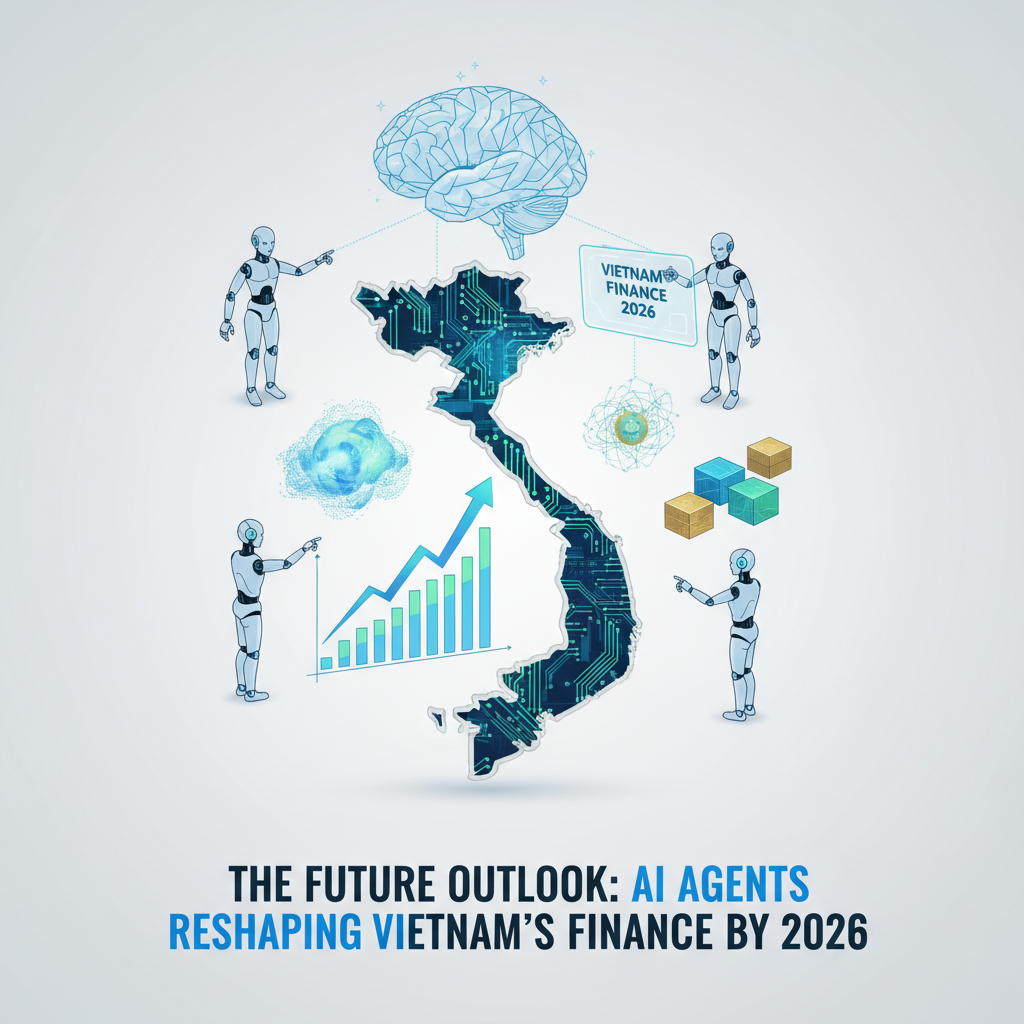
The Future Outlook: AI Agents Reshaping Vietnam’s Finance by 2026
The landscape of Vietnam’s financial sector is on the cusp of a radical transformation, driven by the accelerating proliferation of AI agents. By 2026, these intelligent systems are not merely tools but fundamental architects reshaping every facet of financial operations, from customer interaction to risk management. The question of how AI agents affect the finance field in Vietnam is no longer speculative but a pressing reality, heralding an era of unprecedented efficiency, innovation, and competitiveness. This shift is integral to Vietnam’s broader digital transformation Vietnam agenda, positioning the nation at the forefront of AI-driven financial services in Southeast Asia.
AI agents, encompassing everything from advanced chatbots and intelligent automation to sophisticated predictive analytics banking tools, are set to redefine financial inclusion AI, enhance regulatory compliance AI, and revolutionize customer experience AI finance. Their capabilities extend beyond automation, enabling deep learning and adaptive decision-making that will fundamentally alter service delivery and operational models. The profound implications of AI agent proliferation will manifest across several key areas, creating a dynamic and highly responsive financial ecosystem.
1. Hyper-personalization and the Rise of Digital Financial Ecosystems
One of the most immediate and impactful changes will be the ascent of hyper-personalization, powered by AI-driven financial services. AI agents will analyze vast datasets to understand individual financial behaviors, preferences, and future needs with unparalleled precision. This will lead to bespoke financial products, real-time advice, and proactive service offerings tailored to each customer. Imagine an AI agent not only managing your budget but also predicting future liquidity needs, recommending optimal investment strategies, or even identifying potential financial risks before they materialize. This level of personalized engagement will significantly enhance customer experience AI finance, fostering deeper trust and loyalty.
Furthermore, AI agents will be the lynchpin of integrated digital financial ecosystems. These ecosystems will seamlessly connect banking, insurance, investment, and payment services, creating a unified and intuitive user journey. Customers will manage their entire financial lives through a single, AI-powered interface, benefiting from cross-product insights and streamlined processes. For underserved populations, AI-driven financial inclusion AI will bridge gaps, offering accessible and affordable services previously out of reach, leveraging mobile platforms and simplified interfaces. This will empower broader segments of the Vietnamese population, driving economic growth and stability.
2. Ethical AI and Responsible Innovation in Financial Services
As AI agents become more embedded in critical financial decisions, the imperative for AI ethics finance and responsible innovation grows exponentially. Ensuring fairness, transparency, and accountability in AI algorithms will be paramount. Regulators and financial institutions in Vietnam must collaborate to establish robust frameworks that govern data privacy, mitigate algorithmic bias, and ensure consumer protection. This includes developing clear guidelines for the use of AI in credit scoring, fraud detection, and automated financial advice to prevent discrimination and uphold ethical standards. As highlighted by PwC’s insights on AI in financial services, striking the right balance between innovation and responsibility is crucial for building public trust.
Investing in explainable AI (XAI) will be key, allowing both financial professionals and customers to understand the rationale behind AI-generated recommendations and decisions. This transparency is vital for maintaining trust, particularly in sensitive areas like loan approvals or investment advice. Vietnam’s financial sector needs to proactively develop a culture of responsible AI deployment, ensuring that technological advancements serve societal good while minimizing potential risks. This proactive stance on AI ethics finance will not only safeguard consumers but also enhance the long-term sustainability and credibility of AI-driven financial services.
3. Preparing for a Fully AI-Integrated and Competitive Financial Future
The shift towards an AI-integrated financial future demands strategic preparation from all stakeholders. Financial institutions must invest heavily in upgrading their technological infrastructure, adopting cloud-native solutions, and building robust data governance frameworks to support the advanced capabilities of AI agents. Crucially, talent development will be a cornerstone of this preparation. Reskilling and upskilling the existing workforce with AI literacy, data science expertise, and ethical AI understanding will be vital. New roles will emerge, requiring collaboration between human intelligence and AI systems, moving from purely manual tasks to strategic oversight and AI model management.
The competitive landscape will also intensify. Fintech startups, often unburdened by legacy systems, will continue to leverage AI agents to disrupt traditional models, forcing established banks to accelerate their own AI adoption. Those institutions that embrace AI proactively, fostering a culture of continuous innovation and adaptability, will thrive. Vietnam’s financial sector needs to view AI not as a threat but as an opportunity to leapfrog conventional development stages, achieving greater efficiency, security, and accessibility. By 2026, success will hinge on the ability to strategically deploy AI agents to enhance operational resilience, drive innovation, and deliver superior value in a fiercely competitive, data-driven financial world.
Partner with Shelby Global
You are looking for reliable HR Sevice Suppliers? Contact Shelby Global Now! To connect with verified talents and upgrade your orginization.
—————————————
References
– the broader impact of AI on financial services worldwide: https://www.pwc.com/gx/en/industries/financial-services/technology/artificial-intelligence.html
– AI in Financial Services: Deloitte Insights: https://www2.deloitte.com/us/en/pages/financial-services/articles/ai-in-financial-services.html
– World Bank – Financial Sector Overview: https://www.worldbank.org/en/topic/financialsector/overview
– digital banking transformation in Vietnam: https://fintechnews.sg/84100/vietnam/vietnams-digital-banking-transformation-a-comprehensive-overview/
– PwC’s insights on AI in financial services: https://www.pwc.com/gx/en/industries/financial-services/publications/artificial-intelligence-in-financial-services.html