Foundations of Malaysian Employment Law for Finance
Navigating the complex landscape of Malaysian employment law is crucial for finance firms to ensure compliance, foster a fair workplace, and mitigate legal risks. Understanding the Legal HR terms & conditions for finance field in malaysia is not merely a bureaucratic exercise; it’s fundamental to sustainable business operations and attracting top talent. This overview delves into the core employment legislation specifically impacting the financial services industry in Malaysia, highlighting recent amendments and their profound implications for HR practices and operational strategies.

1. Employment Act 1955 (EA 1955) & Recent Amendments Affecting Finance
The Employment Act 1955 (EA 1955) stands as the cornerstone of labour legislation in Peninsular Malaysia and Labuan, governing essential aspects of employment such as wages, working hours, holidays, and termination benefits. While traditionally applied to employees earning below a certain threshold, significant amendments, notably the Employment (Amendment) Act 2022, have broadened its scope considerably. Effective from January 1, 2023, the EA 1955 now largely applies to all employees, irrespective of their salary level, transforming the landscape of key changes introduced by the Employment (Amendment) Act 2022 and its impact on the finance sector.
For finance firms, these amendments bring several critical implications. The extension of EA 1955 to all employees means that more financial professionals, including managers and executives, now benefit from statutory protections for working hours, overtime, and annual leave, which previously might have been solely contractually driven. Other crucial changes include:
- Reduced Weekly Working Hours: From 48 hours to 45 hours, requiring adjustments to work schedules and potential implications for productivity metrics and overtime calculations within the demanding finance environment.
- Expanded Paternity Leave: Increased from 3 to 7 days, allowing more flexibility for fathers in the financial workforce.
- Flexible Working Arrangement (FWA): Employees can now formally request FWAs, compelling employers to review and respond to such requests, a significant factor for talent retention in a competitive industry like finance.
- Presumption of Employment: Shifting the burden of proof to employers to disprove an employment relationship in certain circumstances, affecting how firms engage contractors and freelancers.
- Sexual Harassment: Enhanced protections and obligations for employers to address and prevent sexual harassment in the workplace.
Finance HR departments must meticulously update their policies, employment contracts, and compliance frameworks to reflect these changes, ensuring that all Legal HR terms & conditions for finance field in malaysia align with the revised Act.
2. Industrial Relations Act 1967: Dispute Resolution & Trade Unions in Finance
The Industrial Relations Act 1967 (IRA 1967) governs the relationship between employers, employees, and trade unions, aiming to promote and maintain industrial harmony. For finance firms, understanding this Act is vital, particularly concerning unfair dismissal claims and the process of industrial dispute resolution. While the finance sector, especially at higher echelons, may not be heavily unionized, the IRA 1967 provides a robust framework for individual employee grievances, notably regarding unjust terminations.
Key aspects include:
- Unfair Dismissal: Employees who believe they have been dismissed without just cause or excuse can appeal to the Director General of Industrial Relations, potentially leading to conciliation or adjudication by the Industrial Court. Finance companies must ensure that all termination processes are meticulously documented, fair, and comply with principles of natural justice to withstand potential challenges.
- Collective Bargaining & Agreements: Where trade unions exist, the IRA 1967 facilitates collective bargaining, leading to collective agreements that regulate terms and conditions of employment. Though less prevalent in some finance segments, HR must be prepared for this possibility and understand the legal framework surrounding union recognition and negotiations.
- Trade Disputes: The Act outlines procedures for resolving trade disputes, including conciliation by the Industrial Relations Department and, if unresolved, referral to the Industrial Court for a binding decision. Adhering to these mechanisms is crucial for finance firms to manage any collective disagreements effectively and prevent costly industrial actions.
Proactive HR practices, fair disciplinary procedures, and a clear understanding of the IRA 1967 are paramount for finance firms to mitigate risks associated with industrial disputes and maintain a stable workforce.
3. Sabah & Sarawak Labour Ordinances: Regional Differences for Finance Firms
While the EA 1955 governs Peninsular Malaysia, finance firms operating across Malaysia must also be acutely aware of the distinct labour laws applicable in East Malaysia: the Sabah Labour Ordinance (SLO) and the Sarawak Labour Ordinance (WLO). These Ordinances, while sharing many similarities with the EA 1955, possess unique provisions that demand careful consideration for nationwide compliance with Malaysian employment regulations.
Significant differences that finance firms with operations in Sabah and Sarawak need to address include:
- Scope of Application: Historically, the salary thresholds for specific protections under SLO and WLO differed from the EA 1955. While recent amendments aim for greater harmonization, finance firms must verify the latest updates to ensure correct application to their East Malaysian employees.
- Public Holidays: The list of gazetted public holidays can vary between Peninsular Malaysia, Sabah, and Sarawak, impacting payroll and work schedules for finance professionals working across these regions.
- Termination & Retrenchment Benefits: While fundamental principles are similar, the specific calculation methods or minimum requirements for termination and retrenchment benefits might have subtle distinctions.
- Female Employee Provisions: Historically, there have been minor differences in provisions related to female employees, such as restrictions on night work, though these are progressively being harmonized.
For finance firms with a national footprint, it is imperative to have HR policies and employment contracts that explicitly account for these regional variances. A ‘one-size-fits-all’ approach derived solely from the EA 1955 could lead to non-compliance, legal challenges, and reputational damage in East Malaysia. Regular legal audits and consultations with local experts are advisable to ensure adherence to the specific requirements of the SLO and WLO, safeguarding the interests of both the employer and employees in these regions.
Key HR Terms & Conditions in Finance Employment Contracts
Detailed examination of essential contractual clauses and policies vital for both employees and employers within the sensitive finance sector to ensure clarity and compliance.
-
Offer Letters & Employment Contracts Essentials for Finance Roles
In the dynamic and highly regulated finance sector, a meticulously drafted offer letter and subsequent employment contract are paramount. These documents form the bedrock of the employer-employee relationship, outlining critical expectations and legal obligations. For finance roles in Malaysia, it is essential that these contracts clearly define the job title, detailed responsibilities (which can be complex in finance), reporting lines, and the agreed-upon compensation structure, including base salary, bonuses, and other financial incentives prevalent in the industry. Beyond remuneration, key clauses must cover the probation period, notice periods for termination (adhering to Malaysian employment law finance standards), and specific performance metrics often linked to financial targets. Ensuring Legal HR terms & conditions for finance field in Malaysia are embedded from the outset helps prevent future disputes. The contract should also reference internal HR policies finance Malaysia, providing a comprehensive framework for employee conduct and company expectations. Clear offer letter essentials Malaysia are not just good practice but a fundamental aspect of establishing robust employment contracts finance Malaysia, ensuring mutual understanding and compliance from day one, offering an important layer of employee protection finance.
-
Confidentiality & Non-Disclosure Agreements (NDAs) in Finance
The financial services industry thrives on information, making confidentiality a non-negotiable aspect of any employment agreement. Finance professionals routinely handle highly sensitive data, including client portfolios, proprietary trading strategies, investment models, merger and acquisition plans, and market-sensitive research. Therefore, robust Confidentiality Agreements Finance and Non-Disclosure Clauses Malaysia are crucial. These clauses typically define what constitutes ‘confidential information,’ outline the employee’s obligation to protect such information both during and after employment, and specify the consequences of any breach. Given the digital nature of modern finance, these agreements often extend to digital data, intellectual property, and trade secrets. The enforceability of these clauses in Malaysia hinges on their reasonableness and specificity. A well-drafted NDA serves as a critical tool for financial sector legal compliance, safeguarding the firm’s competitive advantage and client trust. Employers must ensure these terms are explicitly detailed, understood by the employee, and regularly reinforced through HR policies finance Malaysia to maintain data integrity and prevent information leakage.
-
Restrictive Covenants: Non-Compete, Non-Solicit, & Garden Leave Clauses
To protect valuable business interests and client relationships, finance employment contracts in Malaysia frequently include Restrictive Covenants Finance Malaysia. These clauses aim to limit an employee’s activities post-termination. The most common types are Non-Compete, Non-Solicit, and Garden Leave clauses.
- Non-Compete Clauses Financial Services: These clauses prevent former employees from joining a competitor or starting a competing business within a specified geographic area and for a defined period after leaving the company. While their enforceability of restrictive covenants in Malaysia is scrutinised by courts for reasonableness (e.g., duration, scope, and geographical reach), they are vital in finance to protect highly specialised knowledge and market access.
- Non-Solicitation Agreements Malaysia: These are designed to prevent former employees from poaching clients or key employees from their previous firm. In the relationship-driven finance sector, non-solicitation agreements Malaysia are particularly important to protect existing client books and high-performing teams, preventing unfair competition and ensuring business continuity. This is a key aspect of employee protection finance for the company.
- Garden Leave Finance Sector: This clause allows an employer to place an employee on paid leave for all or part of their notice period, often without requiring them to attend work. It’s frequently used in senior finance roles to prevent an employee from accessing sensitive information or interacting with clients during their notice period, especially when they are moving to a competitor. It provides a valuable buffer, protecting the firm’s assets while the employee is still contractually bound.
All these restrictive covenants must be carefully drafted to comply with Malaysian employment law finance, balancing the employer’s legitimate business interests with the employee’s right to earn a living. Seeking legal counsel is highly recommended to ensure these clauses are robust and enforceable under the specific context of the finance field in Malaysia.
Remuneration, Benefits & Statutory Contributions in Finance
Understanding the legal requirements and best practices for compensation, employee benefits, and mandatory statutory contributions specific to the Malaysian finance industry is crucial for both employers and employees. Navigating the complex landscape of Legal HR terms & conditions for finance field in Malaysia ensures compliance, fosters employee satisfaction, and maintains a competitive edge within the dynamic financial sector.

1. Minimum Wage, Overtime & Allowances Regulations for Finance Employees
Compliance with Malaysian labor laws, particularly the Employment Act 1955 (as amended), is paramount for financial institutions. The Legal HR terms & conditions for finance field in Malaysia dictate the baseline for employee remuneration. All employees, including those in the finance sector, are entitled to the gazetted minimum wage, which undergoes periodic reviews by the government. Beyond the basic salary, regulations around overtime work are stringent. Employees working beyond their ordinary hours are entitled to premium rates, typically 1.5 times their hourly rate for overtime on a normal workday, 2 times for rest days, and 3 times for public holidays. For managerial and executive positions, specific exemptions may apply based on their employment contracts and salary thresholds, making careful contract drafting essential in financial sector HR.
Furthermore, various allowances are common in the Malaysian finance industry, ranging from transport and housing allowances to performance-based bonuses and professional development subsidies. While some allowances are discretionary, others, such as those related to shift work or specific job functions, might be stipulated in collective agreements or company policies. Adhering to these regulations is a key component of robust payroll regulations Malaysia and effective compensation strategies, ensuring fair treatment and avoiding disputes within the workforce.
2. EPF, SOCSO, EIS Contributions & Compliance for Financial Institutions
Mandatory statutory contributions form a significant part of the Legal HR terms & conditions for finance field in Malaysia and are non-negotiable for financial institutions operating in the country. The Employees Provident Fund (EPF) is a compulsory savings scheme for retirement, requiring contributions from both employers and employees based on the employee’s monthly wages. These rates are subject to change, and staying updated with the latest EPF contribution rates is critical for HR and finance departments to ensure continuous compliance. The Social Security Organization (SOCSO), governed by the Employees’ Social Security Act 1969, provides protection against employment injury and invalidity for employees. Financial institutions must register their employees and make regular contributions, adhering to specific wage ceilings.
The Employment Insurance System (EIS), managed by SOCSO, offers temporary financial assistance to Malaysian employees who lose their jobs. Both employers and employees contribute a small percentage of the employee’s monthly salary. Ensuring accurate and timely submission of these contributions is not only a legal obligation but also a fundamental aspect of employee welfare and HR compliance finance. Non-compliance can lead to severe penalties, underscoring the importance of meticulous record-keeping and robust internal processes for all statutory deductions Malaysia.
3. Employee Benefits: Annual, Sick, Maternity/Paternity Leave & Other Perks
Beyond statutory contributions, a comprehensive benefits package is vital for attracting and retaining talent in the competitive Malaysian finance industry. The Employment Act 1955 sets out minimum entitlements for various leaves. Employees are entitled to annual leave based on their length of service, typically ranging from 8 to 16 days per year. Sick leave entitlements also vary with service length and may require medical certificates. Maternity leave is a statutory entitlement for female employees, providing a minimum of 98 consecutive days for eligible mothers, while paternity leave, though more recently introduced and with shorter duration, is also now a legal requirement, promoting work-life balance for new fathers. These provisions are fundamental workplace rights Malaysia.
However, many financial institutions go beyond these minimums, offering enhanced benefits as part of their remuneration packages finance. Common perks include comprehensive medical and dental insurance coverage, enhanced maternity/paternity leave, compassionate leave, professional development opportunities (e.g., certifications, training programs), performance bonuses, share options, and even flexible working arrangements. Such competitive financial institution benefits reflect HR best practices finance and contribute significantly to employee engagement and retention. Understanding these various provisions and ensuring they align with Malaysian employment law is crucial for effective talent management and maintaining a positive work environment within the finance sector.
Data Protection, Anti-Bribery & Whistleblowing Compliance
Addressing critical compliance areas such as personal data protection, anti-bribery measures, and whistleblowing policies, which are particularly sensitive in the finance field.
In the dynamic and highly regulated Malaysian finance sector, human resources (HR) departments bear significant responsibility for navigating a complex web of legal and ethical compliance. Beyond standard employment regulations, HR professionals must possess a deep understanding of data protection, anti-bribery, and whistleblowing frameworks. These areas are not merely legal obligations but are fundamental to maintaining trust, integrity, and operational resilience within financial institutions. Effective management of these aspects forms a critical part of the overall Legal HR terms & conditions for finance field in malaysia, ensuring adherence to national laws and international best practices, thereby safeguarding both the institution and its employees.
1. Personal Data Protection Act (PDPA) 2010 Implications for HR in Finance
The Personal Data Protection Act (PDPA) 2010 is paramount for HR in the Malaysian finance sector, given the highly sensitive nature of information handled by financial institutions. HR departments collect, process, and store vast amounts of personal data belonging to employees, job applicants, and even their dependents, including financial details, medical records, and other confidential information. Compliance with the PDPA is not optional; it’s a mandatory aspect of data protection that safeguards individual privacy and prevents misuse of information.
Key implications for HR include obtaining explicit consent for data collection and processing, ensuring the security of personal data against unauthorized access or breaches, and adhering to strict data retention policies. HR must implement robust data governance frameworks, conduct regular data protection impact assessments, and provide continuous training to staff on their responsibilities under the Act. Failing to comply can result in substantial penalties, reputational damage, and loss of public trust – all of which are particularly detrimental in the financial services industry where trust is currency. From background checks to payroll processing, every HR function must be meticulously aligned with PDPA principles, making data protection a core competency for HR professionals in finance.
2. Malaysian Anti-Corruption Commission (MACC) Act & HR Best Practices
The Malaysian Anti-Corruption Commission (MACC) Act 2009, particularly with the introduction of Section 17A on corporate liability in 2020, has significantly heightened the stakes for financial institutions regarding anti-bribery and corruption. This provision holds commercial organizations liable for corrupt acts committed by their employees or associates if the organization cannot demonstrate that it had adequate procedures in place to prevent such acts. This places immense pressure on HR to be at the forefront of establishing and enforcing robust anti-bribery compliance measures.
HR’s role extends to developing and embedding a strong anti-corruption culture within the organization. This involves crafting comprehensive anti-bribery policies, including guidelines on gifts, hospitality, and conflict of interest. Effective HR best practices include mandatory anti-corruption training for all employees, especially those in high-risk roles, conducting thorough due diligence during recruitment, and implementing clear disciplinary procedures for breaches. Moreover, HR must facilitate an environment where employees feel empowered to report suspicious activities without fear of reprisal. Proactive measures are crucial to mitigate the risks of corporate liability and maintain the integrity expected of financial services providers. For detailed guidance on anti-corruption efforts, organizations often refer to resources provided by the Malaysian Anti-Corruption Commission (MACC) itself.
3. Whistleblowing Policies & Protection for Employees in Financial Services
Whistleblowing is a critical mechanism for promoting transparency and accountability, particularly within the financial services sector where ethical conduct is paramount. Robust whistleblowing policies provide a safe and confidential channel for employees to report illegal, unethical, or improper conduct without fear of retaliation. In Malaysia, the Whistleblower Protection Act (WPA) 2010 provides a framework for protecting whistleblowers, although its scope has certain limitations.
For financial institutions, it is imperative to establish internal whistleblowing policies that go beyond the minimum legal requirements. HR plays a pivotal role in designing, communicating, and managing these policies. This includes defining clear reporting channels (e.g., dedicated hotlines, ethics committees), ensuring confidentiality, and guaranteeing non-retaliation against those who report in good faith. HR must also oversee the fair and thorough investigation of all reported concerns and communicate outcomes appropriately. A well-implemented whistleblowing framework not only helps uncover wrongdoing early, preventing potentially catastrophic financial and reputational damage but also fosters a culture of integrity, trust, and ethical behavior among employees. It reinforces the institution’s commitment to compliance and upholding the highest standards in financial services.
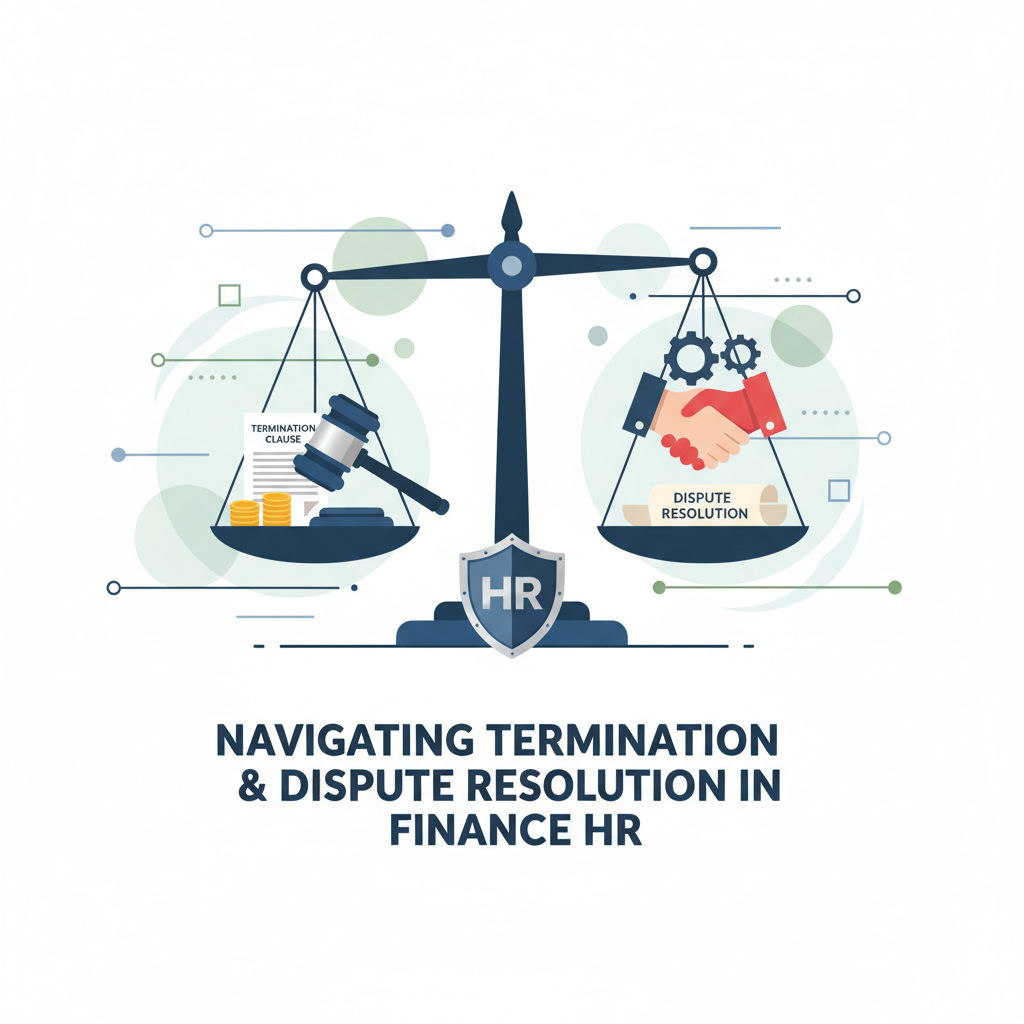
Navigating Termination & Dispute Resolution in Finance HR
The finance sector, with its high stakes, regulatory scrutiny, and sensitive data, demands a meticulous approach to human resources, particularly when dealing with employee termination and dispute resolution. In Malaysia, HR professionals in finance must navigate a complex web of employment laws, industrial relations acts, and best practices to ensure fairness, compliance, and minimal risk. Understanding the legal HR terms & conditions for finance field in malaysia is paramount to protecting both the organization and its employees. This section delves into the critical aspects of managing employee exits, addressing misconduct, and resolving industrial disputes fairly and compliantly within the dynamic Malaysian finance landscape. From ensuring due process during termination to mitigating risks associated with constructive dismissal claims and effectively engaging with industrial court procedures, robust HR strategies are essential.
1. Just Cause & Due Process for Termination of Finance Employees
Terminating an employee in the Malaysian finance sector requires adherence to strict legal frameworks, primarily governed by the Employment Act 1955 and the Industrial Relations Act 1967. Employers must demonstrate “just cause or excuse” for dismissal, meaning there must be a valid, substantive reason. Common grounds for employee termination finance Malaysia include misconduct, poor performance, redundancy, or breach of contract. However, merely having a reason is insufficient; employers must also follow “due process.” This involves providing the employee with a clear statement of allegations, conducting a thorough investigation, offering an opportunity to be heard (often through a domestic inquiry), considering all representations, and making a decision based on the evidence. Failure to observe these procedures can render an otherwise justifiable termination procedurally unfair, leading to potential reinstatement or compensation claims at the Industrial Court, which could also impact termination benefits finance Malaysia. For finance professionals handling sensitive information or entrusted with significant financial responsibilities, breaches of trust or regulatory non-compliance are severe forms of misconduct in finance sector Malaysia that often warrant termination, provided due process is meticulously followed. Understanding these fair dismissal finance employees principles is crucial for HR compliance.
2. Constructive Dismissal Claims & How to Mitigate Risks
Beyond direct termination, HR professionals in finance must be acutely aware of constructive dismissal, a nuanced area where an employee resigns but alleges that the employer’s conduct made their continued employment impossible. This occurs when an employer commits a fundamental breach of contract or exhibits behavior that demonstrates an intention no longer to be bound by the employment contract, forcing the employee to resign. Examples in the finance sector could include significant unilateral changes to job scope, demotion without cause, unreasonable working conditions, or creating a hostile work environment due to harassment or bullying. Such claims can be costly and damaging to an organization’s reputation. To mitigate risks, employers should maintain clear communication, ensure transparency in decision-making, document all interactions and changes, and establish fair grievance procedures. Addressing workplace grievances finance promptly and effectively can prevent situations from escalating. Ensuring that any changes to employment terms are mutually agreed upon or implemented with proper notice and justification is vital. A robust understanding of employment law finance Malaysia helps HR foresee and prevent scenarios that could lead to such claims, thereby safeguarding the company’s standing and financial stability. Regularly reviewing legal HR terms & conditions for finance field in malaysia and internal policies is key to preventing these claims.
3. Industrial Court & Conciliation Processes for HR Disputes in Finance
When internal dispute resolution fails, or an employee feels unfairly dismissed, the matter often escalates to the Industrial Relations Department (IRD) for conciliation, and subsequently to the Industrial Court if conciliation is unsuccessful. The IRD’s conciliation process is an informal attempt to mediate a settlement between the employer and employee, aiming to avoid formal litigation. It is a critical first step in dispute resolution HR Malaysia finance. If conciliation fails, the dispute is referred to the Industrial Court, which operates on principles of equity and good conscience, often favoring the employee where there is ambiguity. The court’s primary objective is to determine if the dismissal was with “just cause or excuse.” Outcomes can range from reinstatement, back wages, or compensation in lieu of reinstatement. For finance firms, managing these processes requires detailed documentation, legal counsel, and a clear understanding of precedents set by previous cases. Familiarity with the Industrial Relations Act 1967 is indispensable. Participating effectively in the conciliation finance disputes stage can save significant time and resources compared to a full Industrial Court hearing. HR professionals must be prepared to present their case thoroughly, demonstrating adherence to all HR compliance finance Malaysia requirements and fair labor practices. This systematic approach to industrial relations Malaysia finance is fundamental for maintaining a stable and compliant workforce environment.
By adhering to these legal provisions and best practices, finance HR professionals in Malaysia can effectively navigate the complexities of termination and dispute resolution, fostering a fair, compliant, and productive work environment while minimizing legal and reputational risks. Continuous learning about evolving legal HR terms & conditions for finance field in malaysia is not just beneficial, but essential.
Partner with Shelby Global
You are looking for reliable HR Sevice Suppliers? Contact Shelby Global Now! To connect with verified talents and upgrade your orginization.
—————————————
References
– :
– The Legality and Enforceability of Restrictive Covenants in Malaysia: https://www.skrine.com/insights/alerts/september-2021/the-legality-and-enforceability-of-restrictive-cov
– EPF contribution rates: https://www.kwsp.gov.my/member/contributions/contribution-rates
– Malaysian Anti-Corruption Commission (MACC) Official Website: https://www.sprm.gov.my/index.php?id=21&page_id=85
– Industrial Relations Act 1967 (Malaysia) – ILO: https://www.ilo.org/dyn/natlex/natlex4.detail?p_lang=en&p_isn=25946&p_country=MYS&p_classification=01.03