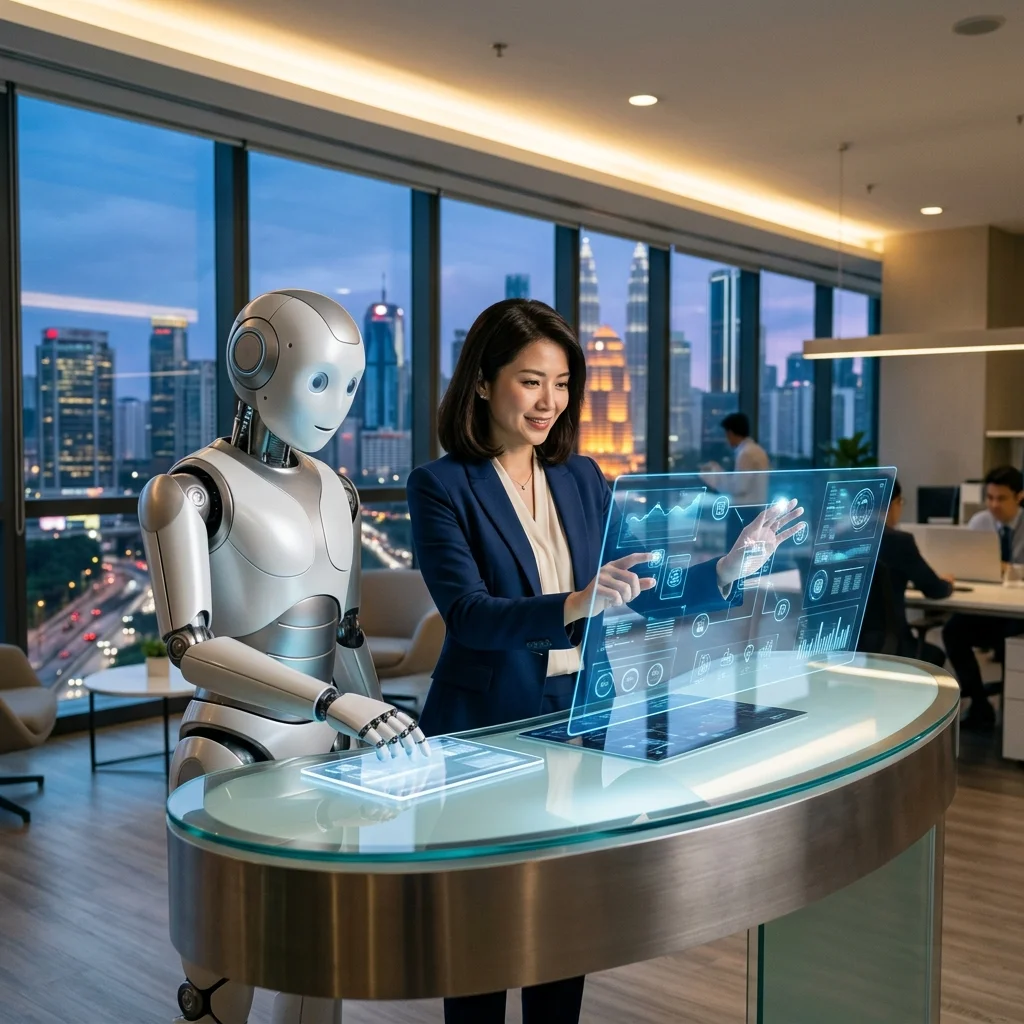
Decoding AI Agents and Their Role in Malaysian FMCG
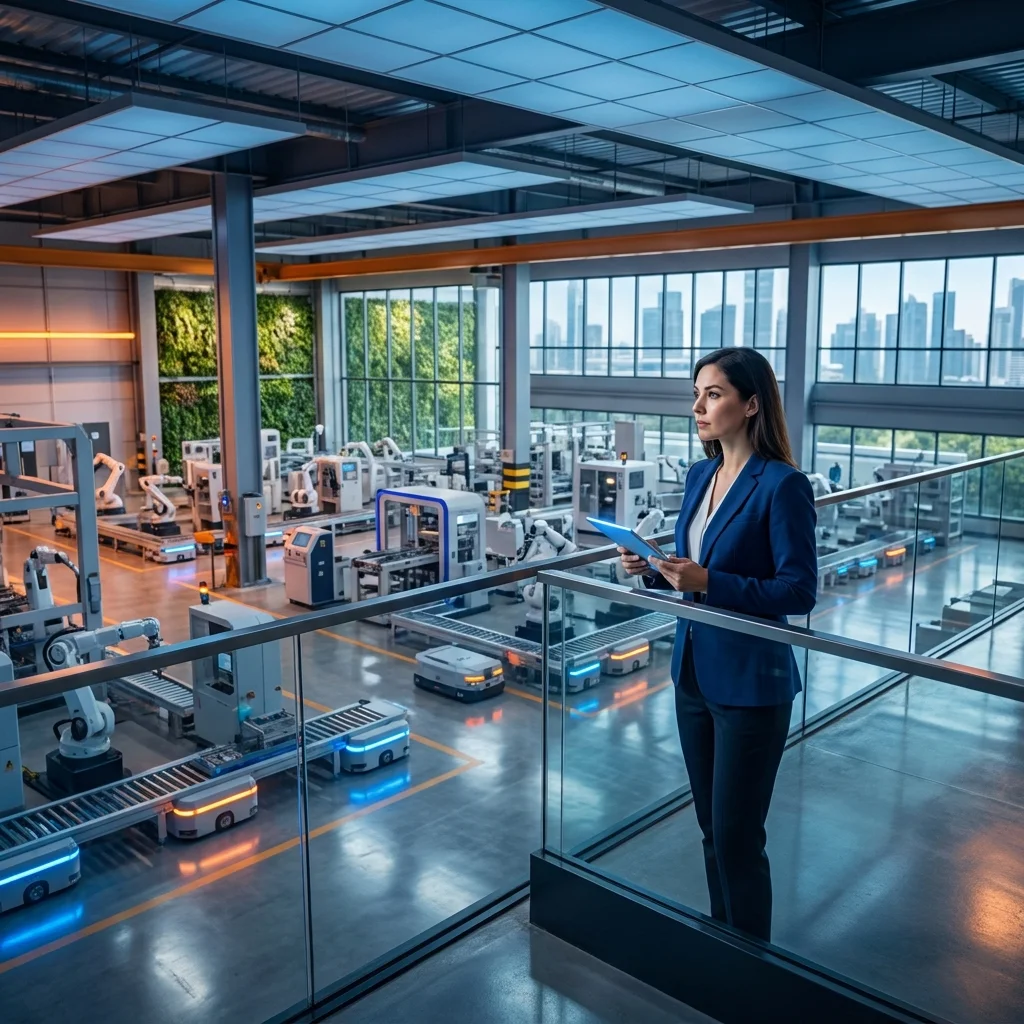
The Fast-Moving Consumer Goods (FMCG) sector in Malaysia is dynamic and fiercely competitive, characterized by rapid product cycles, evolving consumer preferences, and intricate supply chains. In this high-stakes environment, efficiency, speed, and precision are paramount. Enter AI agents – a revolutionary technological advancement poised to redefine how FMCG companies operate. These sophisticated software entities are designed to perceive their environment, make autonomous decisions, and take actions to achieve specific goals, often without constant human intervention. Their adoption is not merely an upgrade but is becoming increasingly critical for Malaysian FMCG players looking to maintain a competitive advantage, enhance operational efficiency, and drive sustainable growth in a rapidly digitizing market.
1. What Exactly Are AI Agents?
At their core, AI agents are intelligent systems capable of autonomous action. Unlike traditional software that simply executes pre-programmed commands, AI agents possess the ability to learn, adapt, and make decisions based on real-time data and environmental cues. They can range from simple reflex agents that respond directly to stimuli to more complex learning agents that improve their performance over time through experience. In the context of FMCG, these agents can be deployed across various functions, from managing complex supply chain optimization tasks to engaging with customers on digital platforms. Their capabilities extend to processing vast datasets, identifying intricate patterns in consumer behavior and market trends, and executing precise actions, thereby offering a significant leap in data-driven decisions and automation.
2. Current Landscape of FMCG in Malaysia
Malaysia’s FMCG sector is experiencing substantial growth, fueled by a rising middle class, increasing urbanization, and the proliferation of e-commerce. However, it also grapples with significant challenges. Intense competition, volatile raw material costs, and the increasing demand for sustainable and personalized products put immense pressure on companies. Traditional approaches to demand forecasting, inventory management, and retail execution often fall short in meeting these complex demands. Furthermore, understanding the nuanced local consumer behavior across diverse demographics requires sophisticated analytical tools. Many Malaysian FMCG companies are already exploring digital transformation, but the integration of advanced AI capabilities, particularly AI agents, remains largely untapped, representing a massive opportunity for innovation and significant impact on their bottom line.
3. Why AI Agents are a Game-Changer for FMCG
The deployment of AI agents offers a transformative potential for FMCG companies in Malaysia. Here’s how AI agent effect to FMCG companies in Malaysia will play out:
- Enhanced Demand Forecasting: AI agents can analyze historical sales data, promotional activities, external factors like weather, social media sentiment, and economic indicators to provide highly accurate predictive analytics. This precision in demand forecasting leads to better inventory management, reducing stockouts and overstocking, thereby cutting costs and minimizing waste.
- Optimized Supply Chain & Logistics: From managing warehouse operations to optimizing delivery routes, AI agents can streamline the entire supply chain. They can predict potential disruptions, re-route shipments dynamically, and ensure timely product availability, significantly improving supply chain optimization and reducing logistical complexities.
- Personalized Marketing & Customer Engagement: AI agents can analyze individual customer preferences and purchasing habits to deliver highly personalized marketing campaigns. This not only boosts customer engagement and brand loyalty but also drives product innovation tailored to specific consumer segments.
- Improved Retail Execution: AI agents can monitor shelf presence, pricing, and promotional compliance in real-time, providing actionable insights to field teams. This ensures optimal retail execution, maximizing sales opportunities at the point of purchase.
- Operational Efficiency & Cost Reduction: Automating repetitive tasks and optimizing complex processes across various departments directly translates to higher operational efficiency and substantial cost reduction. This frees up human resources to focus on strategic initiatives rather than mundane operations.
In essence, AI agents equip Malaysian FMCG companies with unprecedented capabilities for making data-driven decisions, responding swiftly to market changes, and ultimately creating a more agile, efficient, and customer-centric business model. Embracing this technology is no longer an option but a strategic imperative for future success.
Streamlining Supply Chain and Logistics with AI Agents
The Fast-Moving Consumer Goods (FMCG) sector in Malaysia operates on razor-thin margins and demands unparalleled efficiency. In this dynamic landscape, Artificial Intelligence (AI) agents are no longer a futuristic concept but a crucial tool for optimizing every stage of the supply chain. From the intricacies of inventory management to the complexities of last-mile delivery, AI-powered solutions are revolutionizing operations, leading to unprecedented efficiency, significant cost savings, and enhanced customer satisfaction for how AI agent effect to FMCG companies in malaysia. This digital transformation is not just about automation; it’s about intelligent automation that learns, adapts, and predicts, empowering businesses to make data-driven decisions at speed and scale.
The integration of AI agents across the FMCG supply chain addresses long-standing challenges such as unpredictable demand, high operational costs, and the need for rapid response to market changes. By leveraging advanced algorithms and machine learning, Malaysian FMCG companies can achieve a competitive edge, reduce waste, and improve overall logistical performance. This exploration will delve into key areas where AI agents are making a profound impact, demonstrating their role in shaping a more resilient and responsive supply chain.
1. Predictive Demand Forecasting & Inventory Optimization
One of the most significant challenges for FMCG companies is accurately predicting consumer demand. Inaccurate forecasts can lead to either costly overstocking or detrimental stockouts, both impacting profitability and customer loyalty. AI agents are transforming this by utilizing sophisticated machine learning models to analyze vast datasets, including historical sales, promotional activities, seasonal trends, weather patterns, social media sentiment, and even external economic indicators. This allows for highly accurate predictive analytics, providing insights far beyond traditional statistical methods.
With precise demand forecasts, AI agents can then optimize inventory levels across warehouses and retail outlets in real-time. These intelligent systems monitor current stock, sales velocity, and upcoming promotions to recommend optimal reorder points and quantities. For Malaysian FMCG businesses, this means a dramatic reduction in inventory carrying costs, minimized waste dueemto expired products, and a significant decrease in stockouts. The result is a finely tuned inventory management system that ensures products are available when and where consumers want them, enhancing service levels while simultaneously boosting efficiency and profitability. This proactive approach to inventory management is a cornerstone of modern supply chain optimization.
2. Automated Warehouse Management & Robotics
The physical hub of any FMCG supply chain, the warehouse, is another area where AI agents are driving transformative change. Automated warehouse management systems, powered by AI, orchestrate a symphony of operations from receiving and storage to picking, packing, and dispatch. AI algorithms optimize storage layouts based on product demand and picking frequency, ensuring that fast-moving items are easily accessible, thereby reducing travel time for human or robotic workers.
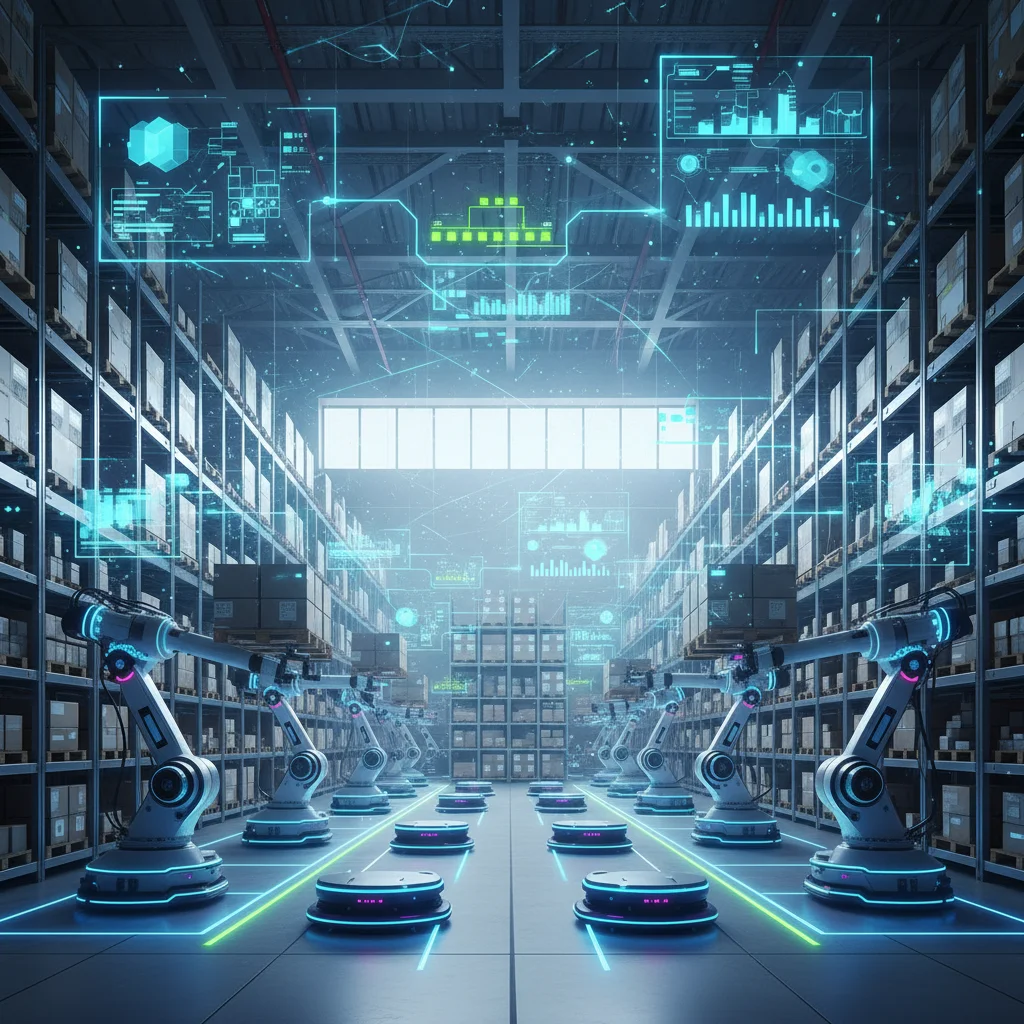
Beyond software, AI agents are increasingly integrated with robotics to create highly automated and efficient warehouses. Autonomous Guided Vehicles (AGVs) and Autonomous Mobile Robots (AMRs) navigate warehouse floors, transporting goods, while robotic arms handle picking and packing tasks with unparalleled speed and accuracy. These robots, guided by AI, can work 24/7, reducing reliance on manual labor for repetitive tasks, minimizing human error, and dramatically increasing throughput. For FMCG operations in Malaysia, this not only translates into substantial cost savings from reduced labor and increased efficiency but also improves workplace safety and allows human employees to focus on more complex, value-added tasks. This synergy between AI software and robotic hardware represents the future of automated supply chain management.
3. Intelligent Route Planning & Delivery Efficiency
The ‘last mile’ of delivery is often the most expensive and complex part of the supply chain, particularly in a diverse geographical landscape like Malaysia. AI agents are revolutionizing intelligent route planning and delivery efficiency by offering dynamic, real-time optimization. Instead of static, pre-planned routes, AI algorithms analyze a multitude of factors, including traffic conditions, weather forecasts, delivery time windows, vehicle capacity, driver availability, and even customer preferences.
This allows AI to generate optimal delivery routes that minimize fuel consumption, reduce travel time, and accommodate unexpected delays or new orders on the fly. Real-time tracking capabilities, combined with AI, provide full visibility into the delivery process, enabling proactive communication with customers and swift resolution of any issues. Furthermore, AI agents can be used for predictive maintenance of delivery vehicles, flagging potential issues before they lead to breakdowns, thus preventing costly service interruptions. By optimizing every aspect of the delivery process, FMCG companies can significantly lower operational costs, enhance delivery speed and reliability, and ultimately elevate customer satisfaction, solidifying their market position through superior logistical performance.
In conclusion, AI agents are not merely tools but strategic partners for FMCG companies in Malaysia aiming for a truly streamlined and resilient supply chain. From foreseeing consumer demands to automating warehouse operations and perfecting last-mile delivery, AI’s multi-faceted impact is driving unprecedented levels of efficiency, cost savings, and a competitive edge in a demanding market.
Revolutionizing Marketing, Sales, and Customer Experience
The competitive landscape for Fast-Moving Consumer Goods (FMCG) brands in Malaysia is evolving rapidly, driven by tech-savvy consumers and increasingly complex market dynamics. In this environment, Artificial Intelligence (AI) agents are emerging as a pivotal force, fundamentally transforming how these brands connect with customers, optimize operations, and drive growth. The pervasive influence of AI agents is creating unprecedented opportunities for Malaysian FMCG companies to achieve hyper-personalization, enhance efficiency, and deliver superior customer experiences, ultimately redefining their competitive edge. Understanding How AI agent effect to FMCG companies in Malaysia is crucial for brands looking to stay ahead.
-
Personalized Marketing Campaigns & Consumer Insights
AI agents are at the forefront of a personalization revolution, allowing Malaysian FMCG brands to move beyond broad demographic targeting to deliver hyper-tailored marketing experiences. By leveraging advanced machine learning algorithms, AI agents analyze vast quantities of data, including purchase history, browsing behavior, social media interactions, and real-time market trends. This deep dive into Malaysian consumer behavior enables brands to create micro-segments and generate dynamic content, from personalized product recommendations and targeted advertisements to custom promotional offers delivered at optimal times. This AI-driven personalization not only increases conversion rates but also fosters stronger brand loyalty. Furthermore, these agents provide invaluable consumer insights, identifying unmet needs, predicting future trends, and informing product development strategies. The ability of AI to interpret complex data sets means FMCG companies can launch more effective campaigns, reduce marketing spend waste, and truly understand the pulse of their target audience. This data-driven marketing approach is crucial for capturing the attention of discerning Malaysian consumers. For a broader perspective on AI’s impact across industries, a McKinsey report highlights the rapid advancements and adoption of AI technologies globally, showcasing their transformative power.
-
Optimized Pricing Strategies & Sales Forecasting
Optimizing pricing and ensuring accurate sales forecasting are critical for the profitability of FMCG brands. AI agents are dramatically enhancing these functions by processing and analyzing a multitude of variables that are impossible for humans to manage effectively. These include competitor pricing, fluctuating raw material costs, seasonal demand patterns, promotional effectiveness, and even macroeconomic indicators. With this comprehensive analysis, AI agents can recommend dynamic pricing strategies that maximize revenue and market share, adjusting prices in real-time based on current market conditions and consumer demand. This capability is particularly impactful for FMCG companies in Malaysia navigating a diverse and competitive market. Moreover, AI’s predictive analytics significantly improve sales forecasting accuracy, leading to more efficient inventory management, reduced stockouts or overstock, and optimized supply chain operations. By minimizing waste and ensuring product availability, AI contributes directly to operational efficiency and strengthens a brand’s competitive advantage. For Malaysian FMCG companies seeking to leverage these advanced capabilities and understand how AI agents effect to FMCG companies in Malaysia, investing in these technologies is becoming a necessity for sustained growth.
-
24/7 AI-Powered Customer Support & Engagement
The modern consumer expects immediate and consistent support, a demand that traditional customer service models often struggle to meet around the clock. AI-powered chatbots and virtual assistants are filling this gap, providing 24/7 customer support and significantly enhancing the overall customer experience. These AI agents can handle a wide array of inquiries, from answering frequently asked questions and tracking orders to resolving common issues and providing product information instantly. This always-on availability not only boosts customer satisfaction by reducing wait times but also frees up human agents to focus on more complex, high-value interactions. Beyond reactive support, AI agents are also adept at proactive engagement, reaching out to customers with personalized recommendations or updates, thereby fostering deeper relationships. For Malaysian FMCG brands, this means an enhanced ability to build loyalty, gather real-time feedback, and maintain a consistent brand voice across all touchpoints. The operational efficiency AI brings to customer service translates into reduced costs and improved resource allocation, making it a win-win for both brands and consumers.
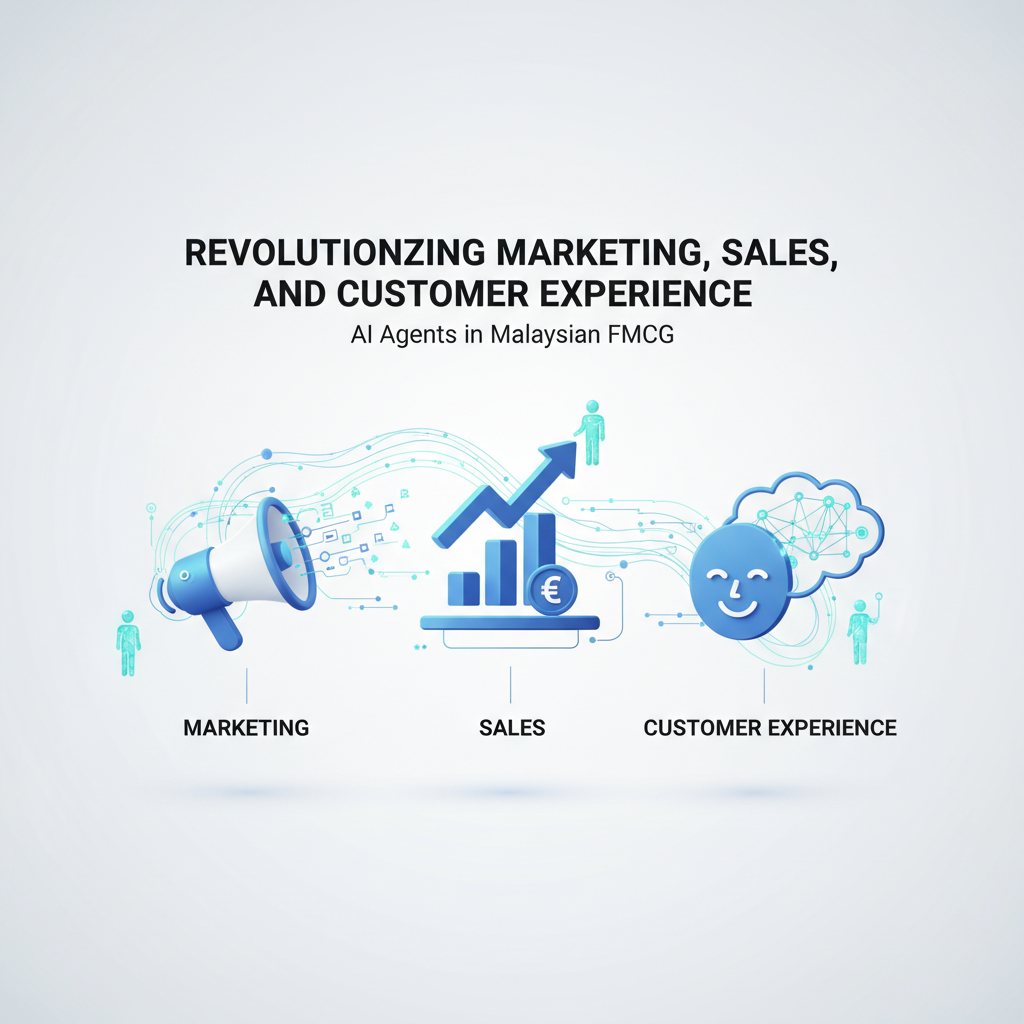
In conclusion, the integration of AI agents is not merely an optional upgrade but a strategic imperative for FMCG companies in Malaysia. From hyper-personalized marketing and precise sales forecasting to round-the-clock customer support, AI agents are reshaping every facet of the business. By harnessing the power of AI, Malaysian brands can unlock new levels of efficiency, gain unparalleled consumer insights, and cultivate stronger, more lasting customer relationships, ensuring their relevance and growth in an increasingly digital-first world. This transformation clearly demonstrates how AI agent effect to FMCG companies in Malaysia by driving innovation, enhancing competitiveness, and securing a leading position in the dynamic marketplace.
Enhancing Product Development and Operational Efficiency
Discover how AI agents are contributing to faster product innovation, improving quality control, and automating various operational processes within FMCG companies.
The fast-paced nature of the Fast-Moving Consumer Goods (FMCG) sector in Malaysia demands constant innovation and unparalleled efficiency. In this dynamic landscape, AI agent effect to FMCG companies in Malaysia is becoming increasingly profound, revolutionizing everything from conceptualizing new products to optimizing daily operations. These intelligent systems are not just tools; they are strategic partners enabling businesses to stay competitive, meet evolving consumer demands, and achieve significant cost savings. By leveraging advanced algorithms and machine learning, AI agents are reshaping how FMCG companies operate, driving both profitability and sustainability across the value chain through enhanced operational efficiency AI and streamlined workflows.
1. Accelerating New Product R&D
One of the most significant impacts of AI agents in the FMCG sector is the dramatic acceleration of New Product Research & Development (R&D). Traditionally, this process was time-consuming, resource-intensive, and often relied on retrospective data. Today, AI in FMCG Malaysia is transforming this by enabling predictive analytics and real-time market insights. AI agents can process vast amounts of data from social media, sales figures, competitor analysis, and demographic trends to identify emerging consumer preferences and market gaps with unprecedented accuracy. This capability for consumer behavior analysis allows companies to predict market trend prediction and tailor product concepts to specific demographics before they even become mainstream. Furthermore, AI agents can assist in formulation optimization, simulating different ingredient combinations and packaging designs to predict consumer acceptance and manufacturing feasibility. This data-driven decision making dramatically shortens product innovation FMCG cycles, reduces the financial risk associated with new launches, and significantly enhances the probability of market success, driving R&D acceleration across the industry.
2. Quality Control and Predictive Maintenance
Maintaining consistent product quality is paramount in FMCG, and AI agents are at the forefront of ensuring this. Automated quality control systems powered by AI can monitor production lines in real-time, detecting anomalies and potential defects with precision that human inspection cannot match. From scanning product packaging for imperfections to analyzing the consistency of ingredients, these agents ensure every item meets stringent quality standards before reaching the consumer. This not only minimizes waste and recalls but also safeguards brand reputation. Beyond immediate quality checks, AI agents excel in predictive maintenance FMCG. By continuously monitoring the performance of manufacturing machinery, they can identify subtle deviations that indicate impending equipment failure. This allows for proactive maintenance, scheduling repairs or replacements before a breakdown occurs, thereby minimizing costly downtime and ensuring an uninterrupted supply chain. Such applications are critical for cost reduction strategies and maintaining seamless production flows in complex manufacturing environments, contributing to robust automated quality control.
3. Automating Repetitive Tasks and Processes
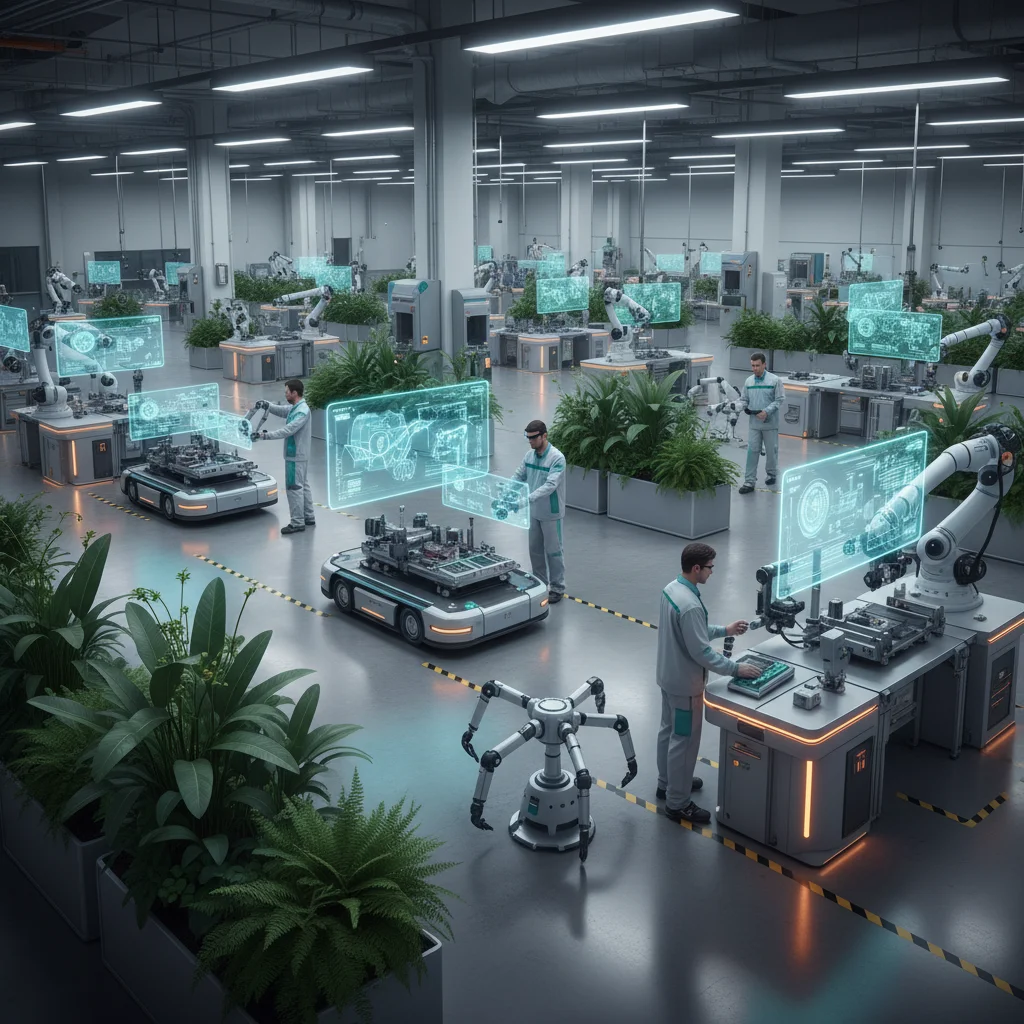
The operational backbone of any FMCG company involves numerous repetitive, rule-based tasks that are ripe for automation. AI agents are adept at taking over these roles, freeing up human capital for more strategic initiatives. In areas like supply chain optimization, AI can manage inventory levels, forecast demand fluctuations, and optimize logistics routes, leading to significant efficiencies and reduced carrying costs. For instance, AI-driven inventory management solutions can predict optimal stock levels for various distribution points, preventing both stockouts and overstocking. Beyond the warehouse, AI agents streamline order processing, manage customer service inquiries through chatbots, and even automate administrative tasks like data entry and report generation. This digital transformation FMCG journey results in faster processing times, fewer errors, and a substantial reduction in operational overhead. By automating these processes, companies can reallocate resources, focus on strategic growth, and achieve higher levels of overall operational efficiency AI.
In conclusion, the integration of AI agents is not merely an incremental improvement for FMCG companies in Malaysia; it represents a fundamental shift in how products are conceived, produced, and delivered. From accelerating product innovation and ensuring unparalleled quality to automating the most intricate operational processes, AI agents are proving to be indispensable. As technology continues to evolve, their role will only expand, promising a future where FMCG companies are more agile, efficient, and responsive to the ever-changing demands of the global market, driven by sophisticated data-driven decision making and advanced robotics in manufacturing.
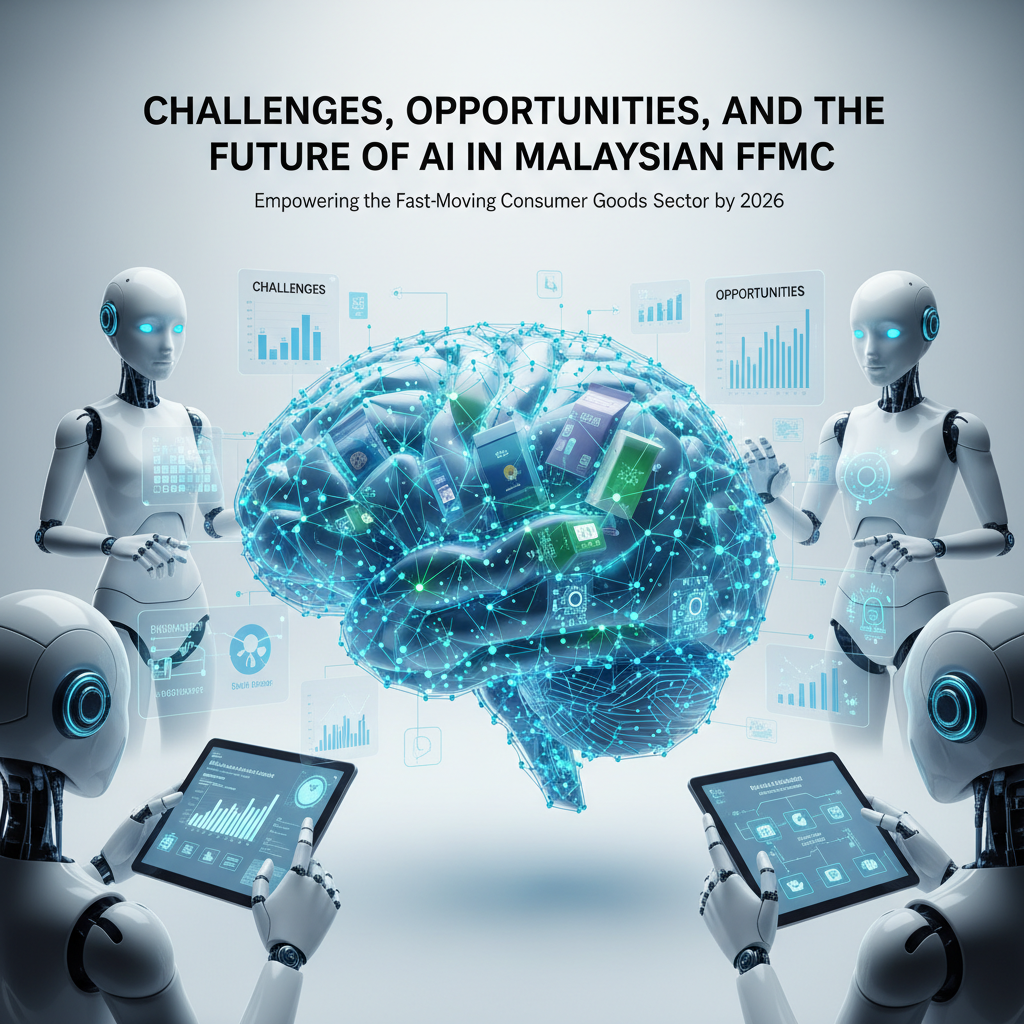
Challenges, Opportunities, and the Future of AI in Malaysian FMCG
The journey towards full How AI agent effect to FMCG companies in malaysia is fraught with both significant hurdles and unparalleled potential. As Malaysian fast-moving consumer goods (FMCG) companies increasingly recognize the transformative power of artificial intelligence (AI) agents, understanding the landscape of challenges, the scope of opportunities, and the strategic path forward becomes paramount. This concluding section addresses the hurdles FMCG companies might face in adopting AI agents, highlights future growth opportunities, and provides a forward-looking perspective on the integration of AI in this dynamic sector.
1. Data Privacy and Ethical AI Concerns
One of the primary AI challenges FMCG Malaysia faces is navigating the complex landscape of data privacy and ethical AI. The deployment of AI agents often requires access to vast amounts of consumer data, from purchasing habits to personal preferences, raising significant concerns about security and compliance. Malaysian FMCG companies must adhere to local regulations, such as the Personal Data Protection Act (PDPA) 2010, which governs the collection, processing, and storage of personal data. Ensuring robust data privacy AI solutions is not just a legal requirement but a fundamental aspect of building consumer trust. Beyond compliance, ethical AI FMCG considerations are crucial. This includes addressing potential biases in AI algorithms that could lead to unfair consumer targeting or discriminatory practices. Transparency in how AI makes decisions, accountability for AI-driven outcomes, and the establishment of clear governance frameworks are essential. Companies must invest in developing ethical guidelines, implementing regular audits, and fostering a culture that prioritizes responsible AI deployment to mitigate risks and uphold brand integrity.
2. Upskilling Workforce for AI Integration
The successful AI adoption in Malaysia FMCG hinges significantly on preparing the human workforce for a collaborative future with AI agents. There is often a misconception that AI will lead to widespread job displacement; however, the reality is more nuanced. AI integration will transform roles, necessitating a strategic approach to workforce upskilling AI. Employees will need to acquire new skills in areas such as AI literacy, data interpretation, machine learning oversight, and human-AI collaboration. This challenge presents a significant opportunity for companies to invest in continuous learning programs, workshops, and certifications. Government initiatives, educational institutions, and industry associations can play a vital role in developing curricula tailored to the needs of the evolving FMCG sector. By empowering employees with the knowledge and tools to work alongside automated agents FMCG, companies can unlock new levels of operational efficiency AI and foster innovation, ensuring that human ingenuity complements AI’s analytical power. This proactive approach turns a potential challenge into a powerful competitive advantage.
3. Strategic Investment and Future Growth Areas
For Malaysian FMCG companies, discerning where to direct AI investment strategies is key to unlocking the full spectrum of AI benefits for FMCG. The future of FMCG with AI is bright, characterized by hyper-personalization, optimized supply chains, and superior market insights. Key growth areas include predictive analytics FMCG for demand forecasting and inventory management, significantly reducing waste and improving responsiveness. Supply chain optimization AI can lead to real-time tracking, intelligent routing, and proactive problem-solving, enhancing resilience and cost-effectiveness. Furthermore, AI agents can revolutionize customer engagement through personalized marketing AI, delivering tailored promotions and product recommendations based on granular consumer behavior AI analysis. Investing in market intelligence AI tools will enable companies to gain deeper insights into competitive landscapes and emerging trends, facilitating agile product development and market entry strategies. To ensure successful implementation, companies should consider starting with pilot projects, focusing on specific pain points to demonstrate tangible return on investment before scaling. According to the World Economic Forum, establishing clear ethical guidelines from the outset is crucial for sustainable AI growth, ensuring trust and responsible innovation. The strategic deployment of AI agents is not merely about adopting technology; it’s about redefining competitive advantage and sustainable growth in a rapidly evolving market.
In conclusion, while the path to integrating AI in Malaysian FMCG presents challenges related to data privacy and workforce adaptation, the opportunities for innovation, efficiency, and market leadership are immense. By strategically addressing these hurdles and focusing on key investment areas, Malaysian FMCG companies can confidently navigate the digital transformation, securing a resilient and prosperous future in an increasingly AI-driven world.
Partner with Shelby Global
You are looking for reliable HR Sevice Suppliers? Contact Shelby Global Now! To connect with verified talents and upgrade your orginization.
—————————————
References
– The Power of AI in Retail and Consumer Goods – McKinsey & Company: https://www.mckinsey.com/capabilities/quantumblack/our-insights/the-power-of-ai-in-retail-and-consumer-goods
– AI in supply chain: A guide for leaders – McKinsey & Company: https://www.mckinsey.com/capabilities/operations/our-insights/ai-in-supply-chain-a-guide-for-leaders
– McKinsey report highlights the rapid advancements and adoption of AI technologies globally: https://www.mckinsey.com/capabilities/quantumblack/our-insights/the-state-of-ai-in-2023-generative-ais-breakout-year
– The Future of Product Development with AI: https://www.mckinsey.com/capabilities/quantumblack/our-insights/the-future-of-product-development-with-ai
– World Economic Forum on AI Ethics: https://www.weforum.org/agenda/2023/07/artificial-intelligence-ethics-guidelines/