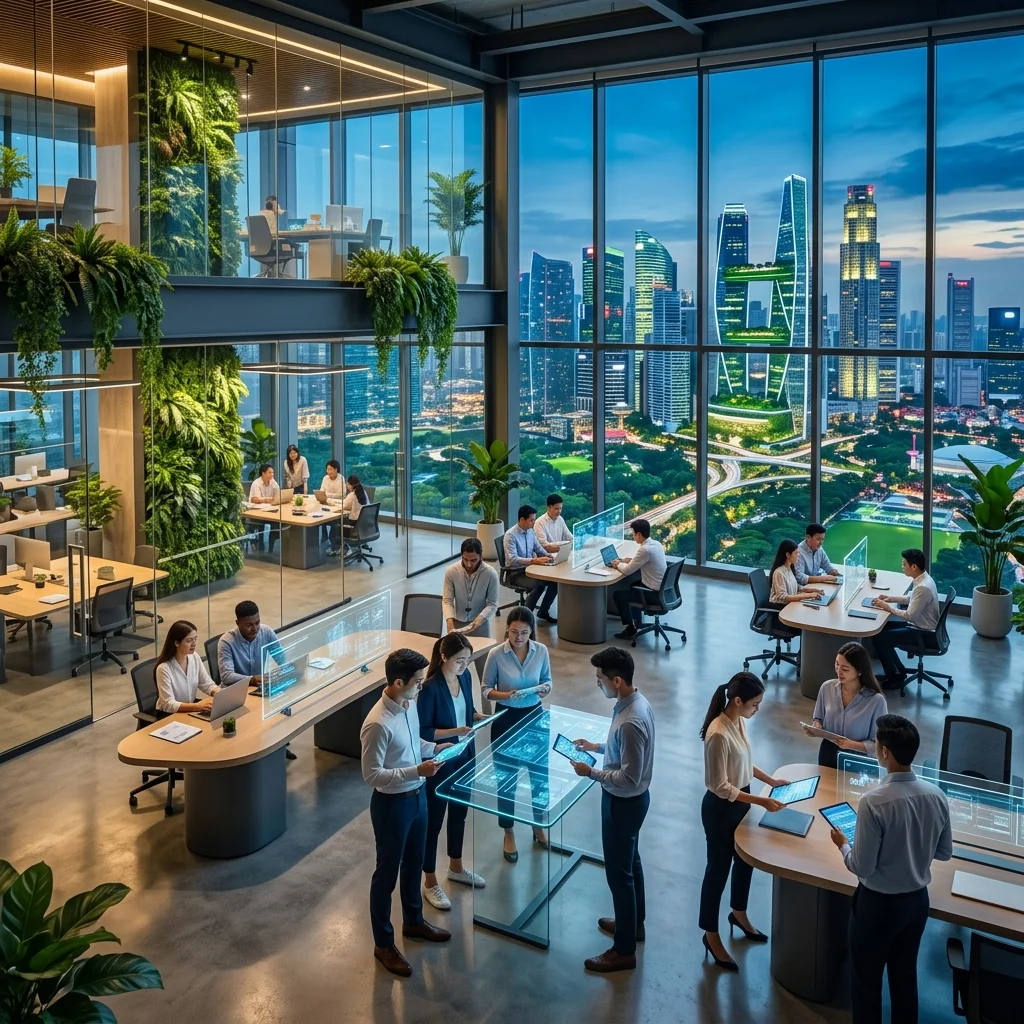
The Current State: Malaysia’s FMCG Risk Landscape
Malaysia’s Fast-Moving Consumer Goods (FMCG) sector, a cornerstone of its economy, faces a multifaceted and evolving risk landscape. This section provides an essential overview of the present risks impacting Malaysia’s FMCG sector, setting the context for understanding future trends and challenges. A comprehensive the trend report of the risk of FMCG field in malaysia is crucial for businesses aiming to navigate these complexities successfully. From fluctuating economic conditions to supply chain vulnerabilities and intense market rivalry, these factors collectively shape the operational environment for consumer goods companies across the nation, demanding strategic foresight and agile responses.
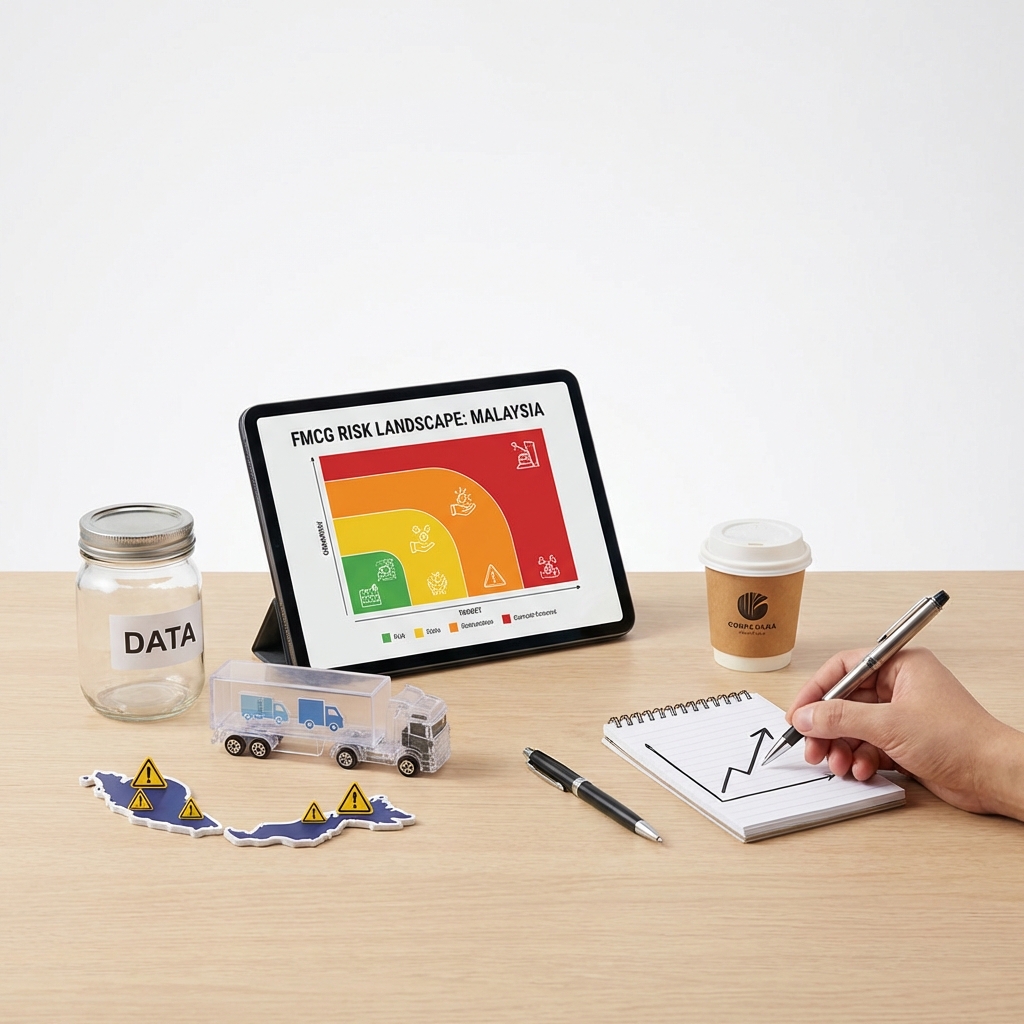
1. Economic Volatility & Consumer Spending Patterns
Malaysia’s FMCG sector is highly susceptible to economic fluctuations. Persistent inflation, rising interest rates, and currency depreciation directly impact consumer purchasing power and sentiment. While the country has shown resilience, global economic slowdowns and domestic policy shifts can quickly alter disposable income levels. This leads to a noticeable shift in consumer spending patterns, where price sensitivity becomes paramount. Shoppers increasingly opt for private labels, smaller pack sizes, or value-for-money alternatives, putting pressure on established brands to justify their price points. Retailers and manufacturers must contend with consumers becoming more discerning, often delaying non-essential purchases or trading down to more affordable options. Understanding these intricate shifts is vital, as highlighted by reports such as the World Bank’s Malaysia Economic Monitor, which frequently outlines the economic challenges and opportunities shaping consumer behavior.
2. Supply Chain Fragilities & Import Dependencies
The resilience of Malaysia’s FMCG supply chain remains a significant concern. The sector’s heavy reliance on imported raw materials, packaging components, and even finished goods exposes it to global disruptions. Geopolitical tensions, natural disasters, port congestions, and energy price volatility can lead to significant delays, increased freight costs, and stockouts. For instance, disruptions in key manufacturing hubs or shipping routes can have a cascading effect, driving up production costs and ultimately retail prices. Local logistics infrastructure, while improving, still faces challenges in ensuring efficient last-mile delivery, especially to remote areas. These supply chain vulnerabilities necessitate robust risk mitigation strategies, including diversification of sourcing, investment in local production capabilities, and enhanced inventory management to safeguard against unforeseen shocks and maintain product availability for the Malaysian consumer market.
3. Intensifying Competition & Market Saturation
The Malaysian FMCG landscape is characterized by intensifying competition and increasing market saturation. A multitude of local and international brands vie for shelf space and consumer attention, making differentiation a continuous challenge. This crowded environment often leads to aggressive pricing strategies, promotion wars, and shrinking profit margins for many players. New entrants, particularly in the e-commerce space, further intensify this rivalry by offering wider selections and competitive pricing. Furthermore, the rise of specialized and niche brands, driven by evolving consumer preferences for health, wellness, and sustainability, adds another layer of complexity. Companies must innovate not only in product development but also in marketing, distribution, and customer engagement to stand out. Staying abreast of these competitive pressures and market dynamics is paramount for sustained growth, a topic extensively covered in analyses such as the trend report of the risk of FMCG field in malaysia, which delves into strategic responses to these market forces. Navigating this environment requires continuous market analysis and agile business models to capture and retain consumer loyalty.
Emerging Threats: Economic & Regulatory Shifts Post-Pandemic
The post-pandemic era has ushered in a complex and volatile landscape, profoundly reshaping the Fast-Moving Consumer Goods (FMCG) environment globally. For Malaysia, a vibrant market with a growing consumer base, navigating these shifts is paramount. This section explores new and escalating risks stemming from global economic changes and evolving government policies that will critically shape the FMCG environment, demanding agile strategies and foresight from industry players. Understanding the trend report of the risk of FMCG field in malaysia is more crucial than ever for maintaining competitive advantage and ensuring long-term sustainability.
1. Inflationary Pressures & Rising Input Costs
One of the most immediate and pervasive threats confronting the FMCG sector is persistent global inflation. Following unprecedented fiscal stimuli and supply chain disruptions, the cost of raw materials, energy, and logistics has surged. Malaysian manufacturers are grappling with increased expenses for ingredients, packaging, and transportation, directly impacting their operational efficiency and profitability. This upward trend in input costs inevitably translates into higher retail prices, which in turn challenges consumer purchasing power and alters consumer spending patterns. Brands face the delicate balance of passing on costs without eroding market share or alienating brand loyalty. Furthermore, for a deeper understanding of the country’s broader global economic outlook, fluctuating currency exchange rates add another layer of market volatility, making forecasting and budgeting particularly challenging for businesses operating in a globalized supply chain.
2. Evolving Trade Policies & Geopolitical Tensions
The global trade landscape is undergoing a significant transformation, marked by increasing protectionism and geopolitical tensions. Shifts in trade policies, including tariffs, quotas, and non-tariff barriers, can severely disrupt established supply chain resilience and affect market access for Malaysian FMCG companies. The ongoing geopolitical climate, particularly in key shipping lanes and resource-rich regions, introduces unpredictability, causing logistics challenges and potential delays in raw material procurement. This necessitates a strategic re-evaluation of global sourcing and distribution networks. Companies are increasingly looking towards supply chain diversification and regionalization to mitigate risks, explore new growth opportunities, and ensure greater stability. The ability to adapt to new regulatory compliance frameworks and navigate complex international relations will be a critical differentiator in the competitive landscape.
3. Stricter ESG (Environmental, Social, Governance) Regulations
The demand for greater corporate social responsibility and sustainable practices is intensifying, driven by both informed consumers and stringent government regulations. FMCG companies are facing pressure to reduce their carbon footprint, adopt sustainable packaging solutions, and ensure ethical sourcing across their value chains. New environmental regulations, such as those targeting plastic waste reduction or mandating specific emissions standards, require significant investment in research, development, and operational adjustments. Social aspects, including fair labor practices and community engagement, are also under increased scrutiny, impacting brand reputation and consumer preferences. While these regulations pose substantial compliance costs and innovation demands, they also present opportunities for competitive advantage through sustainable innovation and enhanced brand perception. Embracing digital transformation and data analytics can aid in tracking and reporting ESG metrics effectively, contributing to waste reduction and improved transparency.
In conclusion, the FMCG sector in Malaysia faces a multi-faceted risk landscape shaped by economic volatility and regulatory evolution. Successfully navigating inflationary pressures, evolving trade dynamics, and stringent ESG requirements will demand proactive risk management, strategic investment in technology, and a deep understanding of shifting consumer demands. Companies that can build agile, resilient supply chains, prioritize sustainable practices, and leverage data for informed decision-making will be best positioned to thrive in this new era of uncertainty and opportunity.
Consumer Behavior & Digital Transformation Risks
The fast-moving consumer goods (FMCG) sector in Malaysia is currently navigating a period of unprecedented change, driven by evolving consumer behaviors and the relentless pace of digital transformation. This dynamic landscape introduces new challenges and uncertainties, demanding strategic agility from brands aiming to maintain relevance and market share. A comprehensive understanding, much like what you’d find in the trend report of the risk of FMCG field in malaysia, reveals that brands face intense pressure across multiple fronts, including managing supply chain complexities, fostering consumer trust, and adapting to new digital marketing paradigms. These challenges, numbering perhaps up to 18 critical areas, underscore the necessity for robust digital strategies and a deep understanding of the Malaysian consumer. From personalized experiences to data analytics, the future of FMCG in Malaysia hinges on proactive engagement with these transformative forces.
1. Shift Towards E-commerce & Logistics Demands
The irreversible shift of Malaysian consumers towards online shopping channels presents both immense opportunities and significant risks for FMCG brands. The convenience, wider product selection, and competitive pricing offered by e-commerce platforms have profoundly reshaped the retail landscape. This migration necessitates that FMCG companies not only establish a strong online presence but also rethink their entire supply chain and logistics infrastructure. The challenge extends beyond merely listing products online; it encompasses optimizing omnichannel strategies, ensuring seamless last-mile delivery, and managing complex inventory across various touchpoints. Brands must invest heavily in robust e-commerce capabilities, from user-friendly interfaces to efficient warehousing and distribution networks. The competitive landscape demands rapid fulfillment, often within hours, placing immense pressure on existing logistics models. Moreover, reliance on third-party logistics (3PL) providers introduces another layer of risk, requiring careful vetting and integration. For a broader perspective on how digital transformation impacts commerce regionally, insights from reports like McKinsey’s analysis on new consumer demand highlight the imperative for agility. Failing to adapt can lead to lost market share and diminished brand loyalty. This shift is one of the 18 key areas demanding immediate attention from Malaysian FMCG players.
2. Data Privacy Concerns & Cyber Security Threats
In an increasingly data-driven world, FMCG brands collect vast amounts of consumer information to personalize marketing, optimize product development, and enhance customer experience. However, this reliance on data brings substantial risks related to data privacy and cybersecurity. Malaysian consumers are more aware of their digital rights, and regulatory bodies are tightening data protection laws. Brands must ensure strict compliance with personal data protection acts (PDPA) and implement robust cybersecurity measures to safeguard sensitive customer information. A single data breach can lead to severe financial penalties, irreparable damage to brand reputation, and a significant erosion of consumer trust. The sophistication of cyber threats is constantly evolving, requiring continuous investment in advanced security technologies, employee training, and incident response plans. Transparent communication with consumers about how their data is collected, used, and protected is vital. Companies demonstrating a strong commitment to data privacy and security can build a competitive advantage. Ignoring these risks is no longer an option, particularly as companies consider the broader implications detailed in the trend report of the risk of FMCG field in malaysia, where such vulnerabilities are often highlighted as critical points of failure.
3. Demand for Sustainable & Ethical Products
A growing segment of Malaysian consumers, particularly younger demographics, is increasingly prioritizing sustainable and ethically produced FMCG products. This trend reflects a global movement towards conscious consumption, driven by heightened awareness of environmental issues and social justice. Brands face mounting pressure to demonstrate transparency across their entire value chain, from sourcing raw materials to manufacturing processes and packaging. This includes reducing carbon footprints, minimizing plastic waste, ensuring fair labor practices, and avoiding harmful ingredients. Companies that fail to adapt to these evolving values risk being perceived as irrelevant or irresponsible, leading to a decline in brand preference and potential boycotts. The challenge lies in integrating sustainability not just as a marketing ploy (greenwashing) but as a core component of business strategy and product innovation. This often requires significant investment in new technologies, supply chain audits, and certification processes. Authenticity and clear communication about sustainable practices are key to building consumer trust and loyalty. The impact of online reviews and social media further amplifies the need for genuine commitment. Embracing this demand is not just about mitigating risk but also about unlocking new growth opportunities and enhancing long-term brand equity in a market that values responsibility.
Operational Challenges & Environmental Impact Risks
The fast-moving consumer goods (FMCG) sector in Malaysia, while dynamic, faces a complex web of internal and external operational hurdles. These challenges, often exacerbated by environmental factors, pose significant risks to both production efficiency and distribution networks. Understanding these obstacles is paramount for businesses to navigate the competitive landscape and ensure sustainability. A comprehensive examination of these issues forms a critical part of the trend report of the risk of FMCG field in malaysia, offering insights into the evolving threat matrix that businesses must address. This section delves into key operational challenges, providing a clearer picture of the vulnerabilities within the Malaysian FMCG supply chain.
1. Labor Shortages & Skill Gaps
One of the most persistent operational challenges confronting the FMCG field in Malaysia is the increasing scarcity of skilled and unskilled labor. This issue is multifaceted, stemming from several factors including an aging workforce, reliance on foreign labor subject to policy changes, and a growing reluctance among local youth to engage in manual labor or specific technical roles within manufacturing. The impact is felt across the production line, from raw material processing and packaging to warehousing and distribution. For instance, a shortage of workers can lead to underutilized capacity, production delays, and compromised quality control, directly affecting the volume and consistency of goods reaching consumers.
Furthermore, a significant skill gap exists, particularly in areas requiring advanced manufacturing technologies, data analytics for supply chain optimization, and sustainable production practices. Without a workforce proficient in these domains, FMCG companies in Malaysia struggle to adopt innovations that could enhance efficiency and reduce costs. Addressing these gaps requires substantial investment in training and development, alongside proactive recruitment strategies. This challenge is highlighted prominently in many analyses of FMCG risks in Malaysia, underscoring its long-term implications for growth and competitiveness. According to the Bank Negara Malaysia’s reports on economic outlook, labor market tightness remains a key concern impacting various sectors. Companies must adapt to these labor market dynamics to mitigate the risk of FMCG field in Malaysia experiencing sustained production disruptions.
2. Logistical Bottlenecks & Infrastructure Limitations
Efficient logistics are the backbone of any successful FMCG operation, yet the FMCG field in Malaysia frequently encounters significant logistical bottlenecks and infrastructure limitations. Malaysia’s unique geography, split between Peninsular Malaysia and East Malaysia (Sabah and Sarawak), presents inherent challenges for integrated supply chains. Inter-island transport adds complexity, cost, and transit time, impacting the freshness and delivery speed of perishable goods. Within Peninsular Malaysia, despite decent road networks, issues such as urban congestion, particularly around major industrial hubs, and last-mile delivery challenges in rural areas persist.
Rising fuel costs, port congestion, and inadequate cold chain infrastructure further exacerbate these problems. For example, maintaining the integrity of chilled or frozen products across long distances and varying climates requires robust cold chain capabilities, which can be inconsistent or costly to implement fully. These logistical hurdles translate into higher operational costs, increased risk of product damage or spoilage, and delayed market entry, all of which are critical factors affecting the profitability and consumer satisfaction in the FMCG field in Malaysia. The constant need for optimization in distribution networks and investments in modern warehousing solutions is a recurring theme in any trend report of the risk of FMCG field in malaysia, emphasizing the need for strategic infrastructure development to overcome these hurdles and enhance supply chain resilience for consumer goods in the country.
3. Climate Change & Raw Material Scarcity
Perhaps the most far-reaching and increasingly unpredictable risk to the FMCG field in Malaysia comes from climate change and its direct impact on raw material availability and environmental stability. Malaysia is a major producer of key agricultural commodities like palm oil, rubber, and cocoa, which are vital ingredients for numerous FMCG products. However, these industries are highly vulnerable to changing weather patterns. Increased frequency and intensity of extreme weather events—such as prolonged droughts leading to crop failure, or severe floods disrupting harvesting and transportation—directly threaten the supply chain of these critical raw materials.
Beyond agriculture, climate change poses broader environmental impact risks. Water scarcity can affect manufacturing processes requiring significant water input, while extreme temperatures can impact energy consumption and the storage conditions of finished goods. Furthermore, the global push towards sustainable sourcing and environmental compliance means that companies in the FMCG field in Malaysia must increasingly account for their carbon footprint and ensure ethical practices throughout their value chain. Failure to adapt to these environmental shifts or to implement sustainable practices not only risks supply disruptions but also reputational damage and compliance issues. This dual challenge of securing raw materials amidst climate volatility and adhering to stricter environmental standards represents a fundamental long-term risk for the FMCG sector in Malaysia, a factor that warrants significant attention in any forward-looking analysis of FMCG operational challenges in Malaysia. This necessitates a re-evaluation of sourcing strategies and a pivot towards more resilient and sustainable production models across the entire FMCG field in Malaysia.
Strategic Responses & Future Resilience for Malaysia FMCG 2026
As the Malaysian Fast-Moving Consumer Goods (FMCG) sector navigates a landscape marked by unprecedented volatility, rapid technological shifts, and evolving consumer demands, proactive strategic responses are paramount for sustainable growth. Acknowledging the insights derived from the trend report of the risk of FMCG field in malaysia, companies must not merely react to challenges but strategically build resilience. This section offers actionable strategies and innovations that FMCG players can adopt to mitigate identified risks and fortify their operations for a robust future extending to 2026 and beyond, ensuring they not only survive but thrive amidst disruption.
1. Investing in Supply Chain Diversification & Technology
The fragility of global supply chains, exposed by recent events, underscores the urgent need for diversification and technological integration within Malaysian FMCG. Relying on single-source suppliers is a significant risk. Companies should pursue multi-sourcing strategies, partnering with suppliers across various countries and within Malaysia to reduce dependence. Building regional distribution hubs can further buffer against disruptions. Leveraging advanced technologies is crucial: AI-driven demand forecasting and inventory management improve accuracy, reduce waste, and optimize stock. IoT sensors provide real-time visibility into logistics and product conditions, minimizing spoilage. Blockchain offers unparalleled transparency and traceability. This dual approach of diversifying sources and embracing technology creates a more agile, resilient, and transparent supply chain, capable of absorbing shocks and maintaining consistent product availability. A McKinsey report on supply chain resilience suggests investment in these areas better positions companies for future disruptions.
2. Strengthening Digital Presence & E-commerce Capabilities
The accelerated shift towards digital channels and e-commerce demands that Malaysian FMCG companies significantly enhance their digital footprint. A robust online presence is critical for market survival and expansion. This involves developing sophisticated, user-friendly e-commerce platforms offering seamless shopping experiences, from product discovery to secure payment and efficient last-mile delivery. Companies must optimize their presence on popular marketplaces and social commerce platforms. Investing in data analytics is paramount to understand consumer behavior, personalize marketing, and optimize offerings in real-time. Omnichannel strategies, integrating online and offline touchpoints, are essential for a cohesive customer journey, like online ordering with in-store pickup. Exploring innovative digital marketing, such as influencer collaborations, boosts brand visibility and engagement. Companies failing to adapt risk losing market share and growth opportunities.
3. Embracing Sustainability & Local Sourcing Initiatives
The global emphasis on sustainability and ethical consumerism is rapidly gaining traction in Malaysia. FMCG companies embracing sustainability and local sourcing will meet evolving consumer expectations, build stronger brand image, and achieve operational efficiencies. This involves a multi-faceted approach. Firstly, sustainable packaging solutions (recyclable, biodegradable, reduced plastic) cut environmental impact. Secondly, reducing the carbon footprint across operations, from manufacturing to logistics, leads to long-term cost savings. Thirdly, prioritizing local sourcing offers numerous benefits: reducing supply chain mileage, supporting local farmers, and fostering national pride. Local sourcing also enhances supply chain resilience by shortening lead times and reducing exposure to international trade disruptions. Transparently communicating these efforts through clear labeling and marketing is crucial for building trust and brand equity. Championing these initiatives positions companies as responsible leaders in the Malaysian FMCG market, attracting ethically-minded consumers. This strategic alignment with sustainability is a fundamental shift towards future-proof business models.
In conclusion, the path to future resilience for Malaysian FMCG companies until 2026 and beyond lies in a proactive, multi-pronged strategic approach. By diligently investing in diversified, technologically advanced supply chains, bolstering their digital and e-commerce capabilities, and earnestly embracing sustainability and local sourcing, businesses can effectively mitigate identified risks. These strategies are not isolated tactics but interconnected pillars designed to foster agility, enhance consumer engagement, and build a robust foundation for sustainable growth in an increasingly complex and dynamic market environment.
Partner with Shelby Global
You are looking for reliable HR Sevice Suppliers? Contact Shelby Global Now! To connect with verified talents and upgrade your orginization.
—————————————
References
– World Bank’s Malaysia Economic Monitor: https://www.worldbank.org/en/country/malaysia/publication/malaysia-economic-monitor-june-2023-reinvigorating-the-reforms-agenda
– PwC Malaysia Economic Insights 2023: https://www.pwc.com/my/en/publications/economic-insights-2023.html
– McKinsey’s analysis on new consumer demand: https://www.mckinsey.com/capabilities/growth-marketing-and-sales/our-insights/the-new-consumer-demand-and-how-to-meet-it
– Bank Negara Malaysia: Labor Market Challenges and Outlook: https://www.bnm.gov.my/documents/20124/960570/ar2023_en_box3.pdf
– McKinsey report on supply chain resilience: https://www.mckinsey.com/capabilities/operations/our-insights/supply-chain-resilience