The Current HR Landscape in Singapore’s FMCG Sector
Singapore’s Fast-Moving Consumer Goods (FMCG) sector is a vibrant, highly competitive, and ever-evolving industry, serving as a critical hub for regional and global brands. For HR departments within these companies, navigating this dynamic environment presents a unique blend of challenges and opportunities. From managing complex global supply chains to adapting to rapid shifts in consumer behaviour and technological advancements, HR leaders are at the forefront of ensuring business agility and sustained growth. This introduction to the HR landscape in Singapore’s FMCG sector will delve into the critical factors shaping talent strategies, workforce planning, and employee engagement, ultimately influencing the sector’s future success. An effective HR report of FMCG companies in Singapore is essential for understanding these nuances and formulating proactive strategies.
1. Key Market Dynamics Affecting FMCG HR
The Singaporean FMCG market is characterized by intense competition, a sophisticated consumer base, and significant regional influence. HR professionals must contend with several key dynamics. Firstly, the pressure for innovation and speed-to-market is relentless. Companies require agile teams capable of rapid product development, marketing, and distribution. This translates into a demand for highly skilled professionals in R&D, supply chain management, and digital marketing, often leading to fierce competition for talent. Secondly, evolving consumer preferences — particularly the rise of health-conscious choices, sustainable products, and e-commerce shopping habits — necessitate workforce upskilling in areas like data analytics for consumer insights and sustainability reporting. Thirdly, global and regional supply chain disruptions (as seen in recent years) demand robust talent in logistics and procurement, along with resilient employee welfare programs. These market pressures significantly influence recruitment strategies, compensation benchmarks, and retention initiatives, making a proactive HR approach vital for staying competitive. According to a report by the Singapore Economic Development Board (EDB), the consumer business sector continues to attract significant investment, underscoring the need for a strong talent pipeline.
2. Impact of Digitalization on Workforce Planning
Digitalization is profoundly reshaping the operational fabric of FMCG companies, with significant repercussions for HR and workforce planning. The widespread adoption of automation in manufacturing and logistics, the explosion of e-commerce platforms, and the increasing reliance on big data analytics are transforming job roles and creating new ones. HR departments are tasked with identifying future skill requirements, bridging skill gaps through training and development programs, and managing a workforce that increasingly interacts with AI and automated systems. This involves not only technical upskilling in areas like AI, machine learning, and advanced analytics but also fostering “soft skills” such as adaptability, critical thinking, and collaborative problem-solving. Furthermore, digitalization supports more flexible working models, demanding HR to develop robust policies for remote work, hybrid arrangements, and digital well-being. Strategic workforce planning in this digital age requires a forward-looking approach, continuously assessing the technological roadmap and its implications for human capital.
3. Demographic Shifts and Talent Pool Availability
Singapore’s unique demographic profile presents specific challenges and opportunities for FMCG HR. An aging workforce, coupled with a relatively low birth rate, necessitates innovative approaches to talent acquisition and retention. HR must strategize to leverage the experience of older workers while simultaneously attracting and integrating younger generations, particularly Gen Z, who often have different career aspirations and expectations regarding work-life balance and purpose-driven employment. The city-state’s diverse, multicultural talent pool, comprising both local and international professionals, offers a rich source of skills and perspectives. However, managing this diversity requires inclusive HR policies, cultural competency training, and equitable career development pathways. Companies are also increasingly looking beyond traditional talent pools, exploring initiatives to reskill individuals from other sectors or those re-entering the workforce. Effective talent management in this context involves creating a compelling employer brand that resonates with diverse demographics and fosters a culture of continuous learning and belonging to ensure a sustainable talent pipeline for the competitive FMCG landscape.
Talent Acquisition & Retention Strategies in FMCG
In Singapore’s highly competitive and rapidly evolving economic landscape, Fast-Moving Consumer Goods (FMCG) companies are continually challenged to attract, develop, and retain top talent. The sector’s inherent dynamism, characterized by rapid product cycles, intense market competition, and evolving consumer preferences, demands agile and forward-thinking HR strategies. This crucial section, integral to any comprehensive HR report of FMCG companies in Singapore, explores the most effective and innovative approaches these firms are implementing to build and sustain a high-performing workforce, focusing squarely on both talent acquisition and retention amidst fierce competition for skilled professionals.
1. Innovative Recruitment Channels & Employer Branding
To stand out in Singapore’s vibrant job market, FMCG companies are moving beyond traditional recruitment methods. Leveraging digital platforms is paramount, with a significant shift towards social media recruitment campaigns on LinkedIn, Instagram, and even TikTok, where they can showcase their brand culture and product innovation to a wider, younger audience. AI-driven talent acquisition tools are increasingly utilized to streamline candidate screening, identify best-fit profiles, and enhance the applicant experience, improving efficiency in FMCG talent acquisition in Singapore. Furthermore, strategic partnerships with local universities and polytechnics are proving effective, establishing internship programs and graduate trainee schemes that serve as pipelines for fresh talent. Companies are also participating in virtual career fairs and hackathons, directly engaging with potential candidates and demonstrating their commitment to innovation.
Beyond channels, a compelling employer brand is non-negotiable for tackling FMCG HR challenges. Successful FMCG firms are actively cultivating an image that highlights their commitment to sustainability, diversity, equity, and inclusion (DEI), and a purpose-driven work environment. Marketing their unique company culture, career development opportunities, and employee testimonials through targeted digital content helps differentiate them from competitors. This proactive employer branding in FMCG creates a strong narrative that resonates with job seekers, positioning the company as an attractive employer of choice rather than just a product manufacturer. By showcasing a clear growth trajectory and a supportive work environment, these companies effectively attract not just applicants, but engaged future employees.
2. Strategies for Employee Engagement and Loyalty
Once talent is acquired, the focus shifts to retention, a critical area for sustainable success in FMCG retention strategies in Singapore. Central to this is fostering robust employee engagement and loyalty. Competitive compensation and benefits packages remain foundational, but modern FMCG companies go further by offering holistic well-being programs, including mental health support, flexible work arrangements (hybrid models, compressed workweeks), and comprehensive health insurance. Recognizing that employees seek more than just a paycheck, these firms invest heavily in professional development and continuous learning.
Tailored training programs, mentorship initiatives, and opportunities for cross-functional exposure are crucial in building long-term careers. Creating clear career progression paths and internal mobility options keeps employees invested in their growth within the organization, addressing critical aspects of talent management in FMCG. Regular feedback mechanisms, such as pulse surveys and one-on-one reviews, empower employees and ensure their voices are heard, fostering a culture of transparency and trust. Moreover, celebrating achievements, recognizing contributions, and building a strong sense of community through team-building activities and CSR initiatives significantly bolster employee loyalty. An inclusive and supportive work environment, where employees feel valued and respected, is paramount for high employee engagement in FMCG in Singapore, reducing turnover and enhancing overall productivity. Deloitte’s Global Human Capital Trends report consistently highlights that organizations prioritizing employee well-being and growth see higher retention rates.
3. Addressing Skill Gaps in a Dynamic Market
The FMCG sector in Singapore is undergoing rapid transformation, particularly with the acceleration of e-commerce, data analytics, and supply chain digitalization. This creates persistent skill gaps within FMCG, demanding proactive strategies for workforce development. Companies are implementing comprehensive upskilling and reskilling programs, often leveraging internal academies or collaborating with external training providers. Focus areas include digital marketing, data science, supply chain optimization, and automation, equipping employees with future-ready capabilities. This commitment to continuous learning is vital for maintaining a competitive edge and addressing FMCG industry trends effectively.
Furthermore, strategic workforce planning is essential. This involves forecasting future skill requirements based on business goals and market trends, then developing strategies to either train existing staff or recruit specialized talent. Cross-functional projects provide valuable on-the-job learning, allowing employees to develop new skills and gain broader business perspectives. Some firms are also exploring rotational programs to expose high-potential employees to various aspects of the business, from marketing to operations, ensuring a versatile talent pool. By actively investing in their human capital and fostering a culture of continuous learning, FMCG companies in Singapore can effectively bridge skill gaps, enhance organizational agility, and ensure sustained growth in an increasingly complex and competitive global market. This proactive approach to HR best practices in FMCG in Singapore is crucial for long-term success.
Compensation & Benefits Benchmarks
An analysis of salary trends, benefit packages, and non-monetary perks offered by leading FMCG companies in Singapore to remain competitive.
In Singapore’s dynamic and highly competitive Fast-Moving Consumer Goods (FMCG) sector, attracting and retaining top talent hinges significantly on a robust and appealing compensation and benefits strategy. This HR report of FMCG companies in Singapore delves into the current landscape, benchmarking salary trends, evolving employee benefit packages, and the critical impact of economic factors like inflation. Understanding these benchmarks is crucial for businesses aiming to enhance their employer brand and ensure sustainable growth in a talent-scarce market, covering aspects from FMCG compensation Singapore to innovative FMCG benefits Singapore and effective employee retention strategies.
1. Salary Structures Across Different Roles
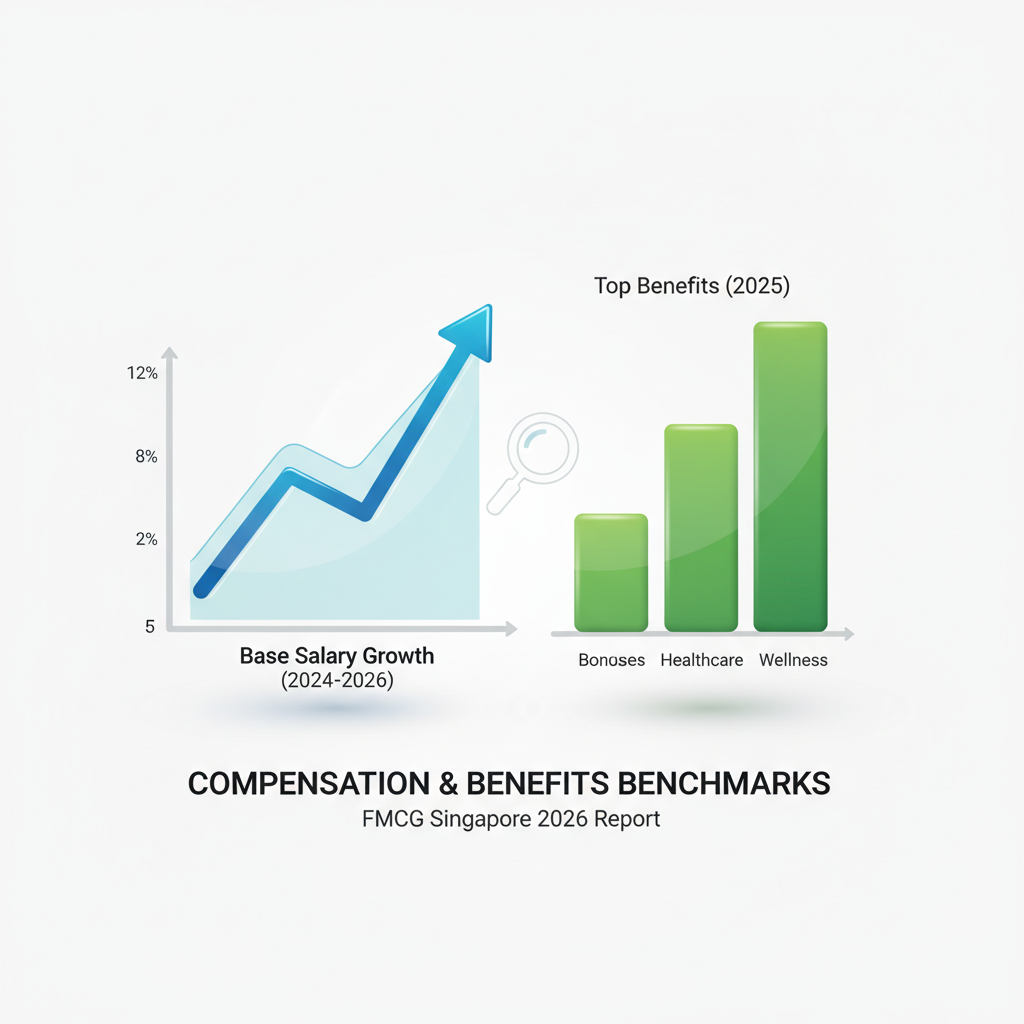
The FMCG industry in Singapore exhibits diverse salary structures, meticulously designed to reflect job complexity, market demand, and strategic importance. For entry-level positions in areas like sales and marketing, base salaries are competitive, often supplemented by performance-based incentives tied to sales targets or campaign success. Mid-career professionals in supply chain management, product development, or brand management typically command higher base salaries, with significant variable pay components such as annual bonuses and long-term incentives. Senior leadership roles, including country managers and regional heads, feature substantial base salaries, generous performance bonuses, and sometimes equity or share options, aligning their compensation with company performance and strategic objectives. These FMCG pay scales are benchmarked against industry peers to ensure companies remain attractive to high-calibre candidates. Data from recent surveys indicate a consistent premium for roles requiring specialized skills in digital marketing, e-commerce, and data analytics, reflecting the industry’s ongoing digital transformation. Companies are increasingly adopting flexible salary trends FMCG Singapore models to account for individual performance and market shifts, moving beyond rigid frameworks to offer more personalised packages that acknowledge unique contributions and market value.
2. Evolving Employee Benefit Packages (e.g., wellness, flexibility)
Beyond monetary compensation, employee benefit packages in Singapore’s FMCG sector are undergoing a significant transformation, moving towards holistic well-being and greater work-life integration. Traditional benefits like medical insurance and provident funds (CPF) remain foundational, but leading companies are now expanding their offerings to include comprehensive wellness programs. These often encompass mental health support services, fitness subsidies, mindfulness workshops, and health screenings, addressing both physical and psychological well-being. Flexibility has emerged as a crucial non-monetary perk, with a growing number of FMCG firms adopting flexible work arrangements FMCG such as hybrid work models, compressed work weeks, and adaptable hours. Enhanced parental leave policies, sabbaticals, and opportunities for professional development and upskilling are also becoming standard, contributing significantly to talent attraction FMCG Singapore and employee retention strategies. These modern benefits not only improve employee satisfaction and productivity but also reinforce a company’s commitment to its workforce, setting a benchmark for employee perks FMCG. This strategic shift is vital in Singapore’s competitive labour market, as highlighted by Ministry of Manpower statistics, where candidates increasingly weigh benefits and work culture as heavily as salary. For a deeper dive into the broader HR landscape, our comprehensive HR report of FMCG companies in Singapore provides further insights into these evolving practices.
3. Impact of Inflation on Pay Raises and Adjustments
The persistent rise in global and local inflation rates has significantly impacted compensation strategies within Singapore’s FMCG sector. Companies are facing increased pressure to review and adjust pay scales to maintain employees’ purchasing power and ensure competitive real wages. Annual pay raises, once primarily linked to performance and market benchmarks, now increasingly incorporate cost-of-living adjustments. This necessitates a delicate balance for HR departments, striving to mitigate the impact of inflation impact salaries Singapore while managing business profitability. Some FMCG firms have responded with higher percentage increments, one-off inflation relief bonuses, or enhanced variable pay schemes to provide employees with additional financial support. The challenge lies in ensuring these adjustments are sustainable and do not erode profit margins, especially in an industry where price sensitivity is high. Effective communication regarding the rationale behind pay adjustments and the company’s financial health is also paramount to maintaining employee morale and transparency. This strategic approach to FMCG compensation strategy is crucial for talent stability, preventing a potential brain drain to sectors offering more aggressive inflation-proof packages. Companies are continuously monitoring economic indicators and adjusting their models to ensure their HR report of FMCG companies in Singapore reflects fair and sustainable compensation practices.
In conclusion, the compensation and benefits landscape in Singapore’s FMCG sector is rapidly evolving, driven by market demands, employee expectations, and economic pressures. Companies that proactively adapt their strategies, offering competitive salaries, holistic benefit packages, and flexible work environments, will be best positioned to attract, motivate, and retain the talent critical for sustained success. A forward-thinking approach to remuneration is not merely a cost but a strategic investment in human capital.
Performance Management & Employee Development
The fast-paced and competitive landscape of the Fast-Moving Consumer Goods (FMCG) sector in Singapore necessitates a robust approach to human resource management. Beyond recruitment and retention, leading FMCG firms are strategically investing in performance management and employee development to future-proof their workforce and sustain growth. A comprehensive HR report of FMCG companies in singapore consistently highlights the critical role these initiatives play in enhancing productivity, fostering innovation, and building a resilient talent pipeline. This section explores how these companies are nurturing their employees, from upskilling initiatives to sophisticated performance appraisal systems and targeted leadership development.
1. Upskilling and Reskilling Initiatives for Future Readiness
In an industry reshaped by technological advancements and evolving consumer behaviors, continuous learning is paramount for FMCG professionals. Singaporean FMCG companies actively roll out comprehensive upskilling and reskilling initiatives, equipping their workforce with competencies vital for future challenges. These programs often focus on digital literacy, including advanced data analytics for market insights, e-commerce strategies, and digital marketing. With a growing emphasis on sustainability, training in eco-friendly practices and sustainable sourcing is also becoming common. By fostering a culture of continuous learning, companies ensure employees remain relevant and adaptable, transforming skill gaps into strategic advantages. This proactive investment in human capital not only boosts individual careers but also significantly enhances the organization’s collective capability to innovate and respond effectively to market shifts, securing a competitive edge in the dynamic FMCG landscape. These initiatives are crucial for building a resilient workforce.
2. Effective Performance Review Methodologies
Moving beyond traditional annual appraisals, leading FMCG companies in Singapore are adopting more dynamic and effective performance review methodologies. The focus has shifted to continuous performance management, emphasizing regular feedback, coaching, and developmental conversations. Many firms implement 360-degree feedback systems, gathering insights from peers, subordinates, and superiors for a holistic view of an employee’s strengths and growth areas. Goal-setting frameworks, aligned with strategic objectives, are refined to be agile and adaptable, allowing for mid-year adjustments. The objective is to foster a transparent and supportive environment where employees understand their contributions, receive timely constructive feedback, and are empowered to take ownership of their professional development. These modern approaches facilitate ongoing dialogue, making performance management a collaborative journey. This improves individual performance, enhances employee engagement, and identifies high-potential individuals for future leadership roles, directly influencing talent retention and succession planning. For more insights on current trends, consult leading research on dynamic and effective performance review methodologies.
3. Leadership Development Programs in a Fast-Paced Environment
Developing strong leaders is paramount for FMCG firms, given the sector’s characteristic speed, complexity, and global reach. Recognising that future success hinges on robust leadership, companies are investing heavily in targeted leadership development programs. These initiatives cultivate critical skills such as strategic thinking, decision-making under pressure, cross-cultural communication, and change management. Programs often include a mix of formal training, executive coaching, mentorship opportunities, and experiential learning through cross-functional projects or international assignments. The aim is to build a resilient and adaptable leadership pipeline capable of navigating market volatility, fostering innovation, and inspiring teams. Furthermore, succession planning is intricately linked with these programs, ensuring a continuous supply of capable leaders ready for critical roles. By identifying and nurturing high-potential employees early, FMCG companies build a sustainable competitive advantage, ensuring effective guidance and agile responses to challenges within Singapore’s vibrant FMCG landscape.
In conclusion, the sophisticated approach to performance management and employee development adopted by FMCG companies in Singapore is a testament to their commitment to human capital. From comprehensive upskilling and reskilling initiatives that prepare the workforce for future demands, through dynamic performance review methodologies that drive continuous improvement, to strategic leadership development programs that build resilient management, these investments are foundational. They collectively contribute to a highly skilled, motivated, and adaptable workforce, essential for navigating the complexities of the modern market. As competitive pressures intensify, a proactive stance on talent nurturing, as consistently outlined in an HR report of FMCG companies in singapore, will undoubtedly remain a key differentiator for success and sustainable growth in the sector.
HR Technology & Future Outlook for FMCG HR
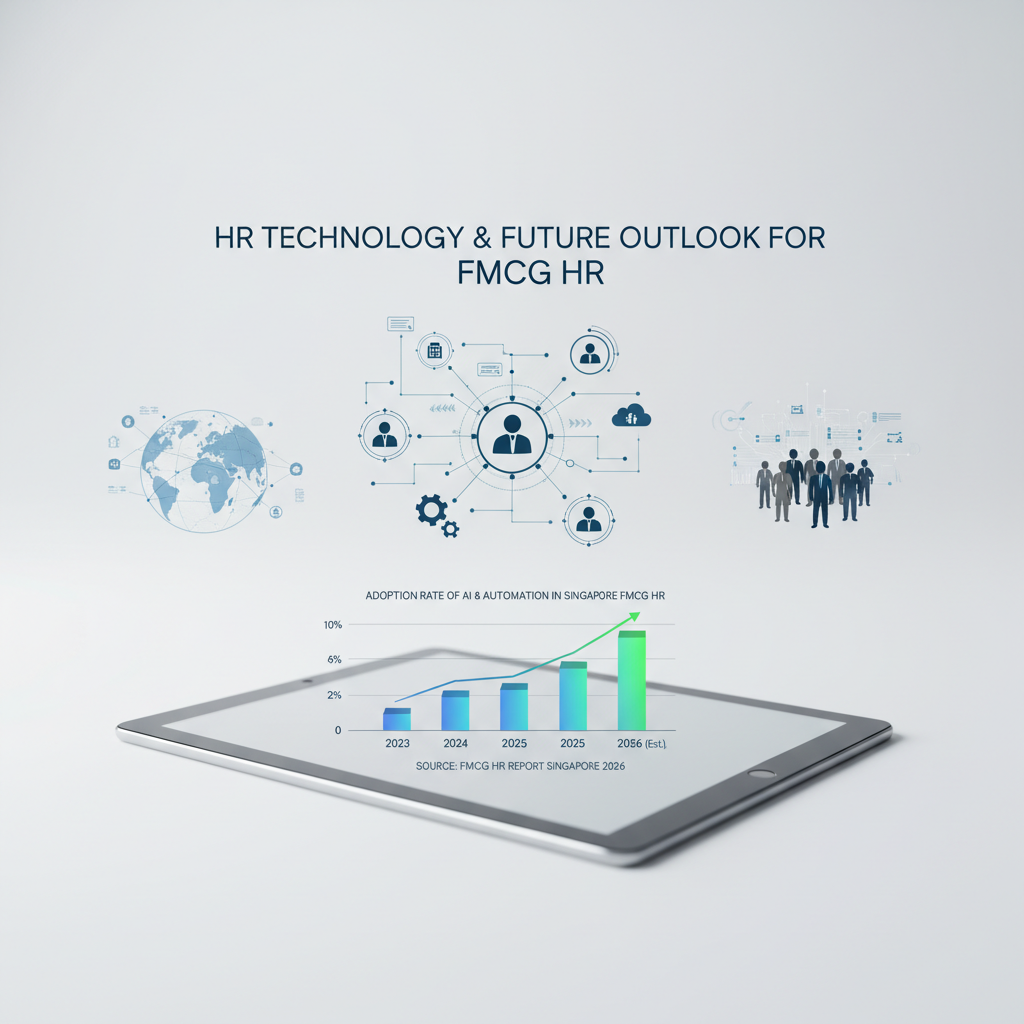
The landscape of Human Resources within Singapore’s Fast-Moving Consumer Goods (FMCG) industry is undergoing a profound transformation, driven by rapid technological advancements and evolving workforce expectations. As detailed in a comprehensive HR report of FMCG companies in Singapore, strategic HR initiatives are no longer just about compliance but are critical for competitive advantage. This section explores the accelerating adoption of HR technology and delves into the emerging trends that will shape the future trajectory of human resources in Singapore’s dynamic FMCG sector. From leveraging sophisticated analytics to adapting to new work models, HR professionals are at the forefront of driving efficiency, fostering engagement, and building resilient talent pipelines.
-
Leveraging HRIS and AI for Efficiency
A robust Human Resources Information System (HRIS) forms the cornerstone of modern HR operations in the FMCG sector. These systems streamline core functions such as payroll, attendance, benefits administration, and performance management, enabling HR departments to shift from transactional tasks towards strategic initiatives. For FMCG companies in Singapore, an efficient HRIS is vital for managing diverse workforces across various retail points, distribution networks, and manufacturing facilities.
Beyond basic automation, Artificial Intelligence (AI) is rapidly becoming a game-changer. AI-powered tools are revolutionizing everything from talent acquisition to employee development. In recruitment, AI can analyze resumes, predict candidate success, and automate initial screening processes, significantly reducing time-to-hire. For existing employees, AI can personalize learning paths, recommend relevant training based on performance data, and predict potential attrition risks, allowing HR to intervene proactively. Predictive analytics, a key component of AI, offers invaluable insights into workforce trends, helping FMCG companies anticipate future skill needs and address potential shortages. By embracing these sophisticated HR tech solutions, companies can enhance operational efficiency, improve employee experience, and make data-driven decisions that impact the bottom line. The strategic integration of AI in HR makes HR a true strategic partner in business growth. For more insights into these advancements, explore the future of HR technology.
-
Workplace Flexibility and Hybrid Models
The global pandemic fundamentally reshaped perceptions of work, accelerating the adoption of workplace flexibility and hybrid models within Singapore’s FMCG industry. While a significant portion of the FMCG workforce, particularly in manufacturing and supply chain roles, requires on-site presence, administrative, marketing, and corporate functions are increasingly embracing flexible work arrangements. Hybrid models, combining remote and in-office work, offer a compelling proposition for employee retention and attraction, especially for knowledge workers.
These models present both opportunities and challenges for HR. Flexibility can lead to increased employee satisfaction, improved work-life balance, and access to a wider talent pool. However, HR must navigate complexities such as ensuring equitable treatment, fostering a cohesive company culture remotely, managing technology infrastructure for seamless collaboration, and establishing clear communication protocols. Developing robust policies, providing appropriate tools, and training managers to lead effectively in a hybrid environment are critical for successful implementation. The future of FMCG HR in Singapore will involve continuous refinement of these models to optimize both operational efficiency and employee well-being, acknowledging the diverse nature of roles within the sector.
-
Forecasting Future Talent Demands and Challenges
The dynamic nature of the FMCG market in Singapore, characterized by evolving consumer preferences, digital disruption, and supply chain complexities, necessitates a proactive approach to workforce planning. Forecasting future talent demands is paramount for sustained growth and innovation. This involves analyzing market trends, technological shifts, and strategic business goals to predict the skills and roles that will be crucial. For instance, the rise of e-commerce means a growing demand for data scientists, digital marketers, and supply chain experts with strong analytical capabilities within FMCG organizations.
However, attracting and retaining this specialized talent presents significant challenges. Singapore’s competitive talent market, coupled with an aging workforce demographic, exacerbates the need for strategic talent management. HR must invest in robust talent acquisition strategies, employer branding, and continuous upskilling and reskilling initiatives for the existing workforce. Developing strong internal mobility programs and leadership pipelines will also be crucial. Furthermore, FMCG companies face the challenge of integrating a diverse, multi-generational workforce, each with unique expectations regarding career development, technology, and work-life balance. Addressing these challenges effectively will require HR to leverage data analytics, collaborate closely with business leaders, and foster a culture of continuous learning and adaptability.
Partner with Shelby Global
You are looking for reliable HR Sevice Suppliers? Contact Shelby Global Now! To connect with verified talents and upgrade your orginization.
—————————————
References
– Singapore Economic Development Board (EDB) – Consumer Business: https://www.edb.gov.sg/en/our-industries/consumer-business.html
– Deloitte’s Global Human Capital Trends report: https://www2.deloitte.com/us/en/insights/topics/talent/global-human-capital-trends.html
– Ministry of Manpower Singapore – Statistics: https://stats.mom.gov.sg/
– Performance Management Insights: https://www.gartner.com/en/human-resources/insights/performance-management
– future of HR technology: https://www2.deloitte.com/us/en/insights/topics/talent/global-human-capital-trends.html