
Current Landscape & Workforce Demographics
Malaysia’s medical sector is on the cusp of significant transformation, driven by evolving healthcare needs, technological advancements, and demographic shifts. This HR report of medicine field in Malaysia for 2026 provides a critical overview of the human resources situation, dissecting key demographic data and statistical insights crucial for strategic planning. Understanding these dynamics is paramount for policymakers, healthcare providers, and educational institutions to ensure a robust, resilient, and equitable healthcare system for all Malaysians. The nation’s commitment to universal health coverage and improving public health outcomes heavily relies on a well-distributed and adequately staffed professional workforce.

1. Healthcare Professional Headcount (Doctors, Nurses, Allied Health)
As we look towards 2026, the overall headcount of healthcare professionals in Malaysia continues its upward trajectory, though varying significantly across different categories. The nation is striving to meet the recommended doctor-to-population ratio, with projections indicating a steady increase in the number of registered medical practitioners. However, distribution and specialist availability remain key concerns. For nurses, the backbone of direct patient care, an ongoing demand persists, particularly in specialized fields and rural settings. While training institutions are producing graduates, retention and equitable distribution across both public and private sectors are crucial. Allied health professionals, encompassing a wide array of roles from pharmacists and physiotherapists to medical technologists and dietitians, are experiencing burgeoning demand driven by an aging population and the rising prevalence of non-communicable diseases. Their crucial role in preventative care, rehabilitation, and diagnostics is increasingly recognized, necessitating concerted efforts to boost their numbers and integrate them more effectively into multidisciplinary teams. Strategic planning around workforce development is imperative to address potential shortfalls and ensure a balanced supply of these vital roles.
2. Distribution Across Public vs. Private Healthcare Sectors
The allocation of healthcare professionals between Malaysia’s public and private sectors presents a nuanced picture. Traditionally, the public sector, managed by the Ministry of Health, has been the primary employer and service provider, particularly in rural and underserved areas. It caters to the majority of the population and offers a wide range of services at subsidized rates. However, the private sector has seen considerable growth, attracting professionals with competitive salaries, better working conditions, and access to advanced technology. This dynamic often leads to an uneven distribution, with a higher concentration of specialists and experienced professionals gravitating towards urban private hospitals. While this growth in private healthcare contributes to overall capacity, it can strain the public system, particularly in terms of retaining experienced staff and managing workload. Policies aimed at incentivizing public sector service, improving work-life balance, and fostering professional development are crucial to maintain a healthy equilibrium and ensure equitable access to quality healthcare across all segments of the Malaysian population. The ongoing dialogue around remuneration and career progression within the public healthcare system remains a central theme in this HR report of medicine field in Malaysia.
3. Age, Gender, and Regional Demographic Breakdown
The demographic profile of Malaysia’s medical workforce in 2026 reveals critical trends impacting future healthcare delivery. Age-wise, an aging cohort of seasoned professionals is nearing retirement, posing challenges related to knowledge transfer and leadership succession. Simultaneously, a younger generation is entering the workforce, bringing fresh perspectives and technological savviness, but often requiring extensive mentorship. Understanding these generational shifts is vital for workforce planning and succession strategies. Gender distribution continues to evolve; while nursing remains a female-dominated profession, there’s a noticeable increase in female doctors across various specialties. This shift necessitates supportive policies, including flexible working arrangements and robust maternity support, to retain talent. Regionally, the disparity in healthcare professional availability between urban centers and rural or remote areas persists. Major cities like Kuala Lumpur, Penang, and Johor Bahru boast a higher density of doctors and specialists, leaving less populated states and districts with a significant deficit. Addressing this imbalance is a core challenge for healthcare equity. Initiatives such as compulsory rural postings, targeted incentives, and enhanced infrastructure in underserved regions are ongoing efforts to bridge this gap. Data from reliable sources like the Ministry of Health Malaysia Publications frequently underscore these regional disparities, highlighting areas for focused intervention to ensure a more balanced and accessible healthcare system nationwide. These demographic insights are fundamental for a comprehensive understanding of the current human resources landscape.
Key Challenges in Medical HR Management
The Malaysian medicine field, a cornerstone of public health and economic stability, faces a unique confluence of human resources challenges. From the relentless pursuit of talent to the critical need for robust retention strategies, HR management in this sector is fraught with obstacles. This examination delves into the primary HR-related pain points hindering the progress and efficiency of healthcare delivery in Malaysia, impacting everything from patient care quality to the overall sustainability of the healthcare system.
1. Talent Shortage & Retention Strategies for Medical Professionals
Malaysia’s medical sector grapples with a persistent talent shortage, a critical issue exacerbated by a complex interplay of factors including the “brain drain” phenomenon. Highly skilled medical professionals, often trained at significant national expense, are increasingly drawn to overseas opportunities offering better remuneration, improved career progression, and more favourable working conditions. Domestically, competition for talent is fierce, with the private sector often luring professionals from the public health system, leading to an imbalance in staffing levels. This exodus not only depletes the existing pool of expertise but also places immense pressure on remaining staff, contributing to burnout and further attrition.
Effective retention strategies are therefore paramount. These must extend beyond competitive salaries to encompass a holistic approach. Key initiatives include the implementation of attractive career pathways, offering opportunities for specialization and leadership roles. Furthermore, fostering a supportive work environment that prioritizes work-life balance, provides adequate resources, and recognizes professional contributions can significantly improve job satisfaction and loyalty. Understanding the specific motivators and frustrations of medical professionals in Malaysia, as highlighted in a comprehensive HR report of medicine field in malaysia, is crucial for developing targeted and effective retention programs that stem the flow of talent and ensure a robust healthcare workforce for the nation.
2. Addressing Workforce Burnout & Enhancing Well-being
Workforce burnout has emerged as a pervasive and debilitating challenge across the global healthcare landscape, and Malaysia is no exception. Medical professionals often contend with exceptionally long working hours, heavy patient loads, emotionally demanding situations, and the relentless pressure of critical decision-making. These stressors, coupled with a perceived lack of adequate support systems and often insufficient staffing, contribute significantly to chronic stress and exhaustion. The consequences of burnout are far-reaching, affecting not only the individual’s mental and physical health but also leading to reduced productivity, increased medical errors, higher absenteeism, and ultimately, a decline in the quality of patient care. Furthermore, it contributes to the cycle of attrition, as burnt-out professionals may seek less demanding careers or leave the profession entirely.
To combat this escalating crisis, HR management must prioritize the well-being of its medical workforce. Implementing robust mental health support programs, including counselling services and stress management workshops, is vital. Strategies should also focus on optimizing staffing levels to ensure manageable patient-to-staff ratios, promoting fairer rostering practices, and encouraging regular breaks. Creating a culture of empathy, open communication, and peer support can help mitigate the psychological toll of the profession. Recognising the global imperative for addressing this issue, the WHO Report: Health and Care Worker Wellbeing: A Global Imperative underscores the critical need for systemic interventions to protect the mental and physical health of healthcare providers worldwide.
3. Skills Gap and Specialized Training Needs within Healthcare
The rapid evolution of medical science and technology continually reshapes the demands placed on healthcare professionals. Malaysia’s healthcare sector is increasingly facing a skills gap, where the existing workforce may lack the specialized expertise required to effectively utilize new diagnostic tools, implement advanced treatment modalities, or adapt to emerging healthcare delivery models such as telemedicine and digital health. For instance, the growing emphasis on data analytics in healthcare, precision medicine, and complex surgical techniques necessitates a workforce equipped with cutting-edge knowledge and practical skills that often go beyond conventional medical training.
Addressing this gap requires a proactive and continuous approach to professional development. HR departments must collaborate closely with medical institutions, professional bodies, and technology providers to identify future skill requirements and design targeted training programs. This includes investing in continuous professional development (CPD) initiatives, offering opportunities for sub-specialization, and providing access to both local and international training courses. Fostering a learning culture, where upskilling and reskilling are encouraged and facilitated, is crucial. Partnerships with academic institutions can help develop curricula that are responsive to the industry’s evolving needs, ensuring that new graduates are equipped with relevant skills, while ongoing training keeps experienced professionals at the forefront of medical innovation. By strategically investing in education and training, Malaysian healthcare can bridge existing skill gaps and cultivate a highly competent workforce ready to meet the challenges of modern medicine.
Emerging Trends & Future Projections for Medical HR
The Malaysian medical sector is undergoing a rapid transformation, driven by technological advancements, evolving patient demographics, and shifting workforce expectations. For human resources (HR) professionals in healthcare, understanding and adapting to these changes is critical for ensuring a resilient, skilled, and engaged medical workforce towards 2026 and beyond. This HR report of medicine field in Malaysia delves into the key trends shaping the future of medical HR, emphasizing strategic planning for talent acquisition, development, and retention in a dynamic environment.
1. Impact of Digital Health & Telemedicine on HR Needs
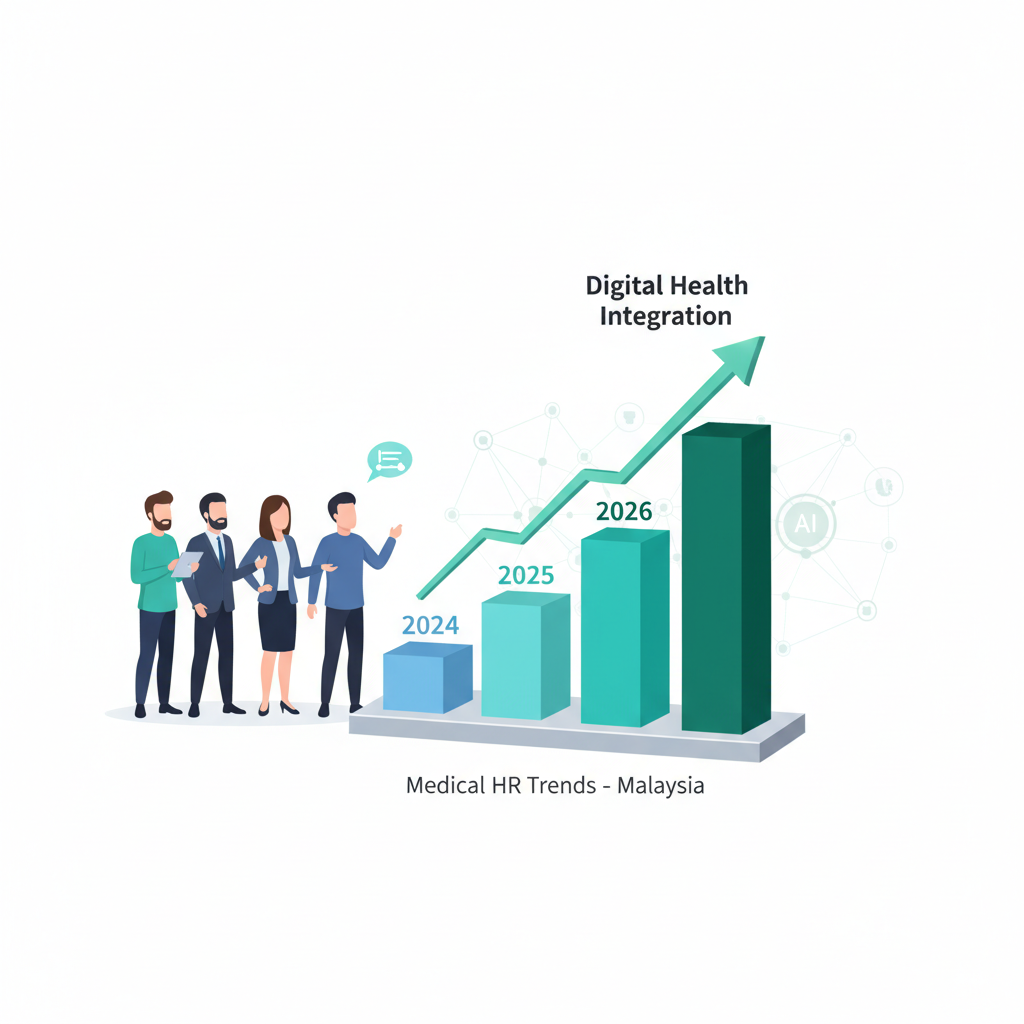
The acceleration of digital health adoption, particularly telemedicine, electronic health records (EHRs), and AI-driven diagnostics, is fundamentally reshaping job roles and skill requirements within the Malaysian medical sector. HR departments are now tasked with identifying and nurturing a workforce proficient in digital literacy, data analytics, and remote patient management. The demand for IT specialists within healthcare settings is surging, alongside the need for medical professionals who can effectively leverage these tools to enhance patient care and operational efficiency. Upskilling and reskilling existing medical staff in digital competencies is paramount. This includes comprehensive training programs on telehealth platforms, cybersecurity protocols, and the ethical implications of AI in medicine. Furthermore, the integration of technology necessitates a review of HR policies concerning remote work, data privacy, and performance management in a digitally enabled healthcare environment. The long-term impact on the medical workforce will require continuous evaluation and adaptation of HR strategies to bridge skill gaps and foster a tech-savvy healthcare ecosystem.
2. Growth Areas in Specialized Medical Fields and Demand
As Malaysia’s population ages and lifestyles evolve, certain specialized medical fields are experiencing significant growth, creating new demands for highly skilled professionals. Areas such as geriatrics, mental health, chronic disease management (e.g., diabetes, cardiovascular diseases), oncology, and advanced surgical sub-specialties are witnessing increased patient loads and a concurrent need for specialized talent. This surge in demand presents a substantial challenge for medical HR, which must develop targeted recruitment strategies to attract and retain specialists in these niche areas. Talent shortages in specific fields can lead to increased workload for existing staff, burnout, and compromised service quality. HR initiatives must focus on competitive compensation packages, opportunities for continuous professional development, research involvement, and creating attractive career pathways to lure top-tier specialists. Collaborative efforts with medical universities and professional bodies are also crucial to forecast future needs and tailor educational programs to produce the necessary expertise for Malaysia’s evolving healthcare landscape. Strategic workforce planning is essential to address these critical talent gaps effectively.
3. Shifting Workforce Preferences: Flexibility, Work-Life Balance
Modern medical professionals, especially younger generations entering the workforce, hold different expectations compared to their predecessors. There is a growing emphasis on flexibility, work-life balance, mental well-being support, and a sense of purpose beyond traditional career progression. Medical HR in Malaysia must recognize these shifting preferences and integrate them into their recruitment and retention strategies. Offering flexible working hours, part-time roles, job-sharing opportunities, and robust mental health support programs are no longer perks but necessities to attract and retain top talent. The rigorous demands of the medical profession can often lead to stress and burnout, making supportive HR policies crucial for long-term employee engagement and productivity. Furthermore, fostering a positive work culture that values autonomy, professional growth, and transparent communication will be vital. Employers who prioritize employee well-being and provide avenues for professional fulfillment will gain a significant competitive advantage in the quest for talent. Adapting to these evolving workforce needs requires a comprehensive approach to employee experience, moving beyond mere compensation to encompass holistic support and development.
Effective Recruitment & Training Strategies
In the dynamic landscape of Malaysia’s healthcare sector, the success of medical institutions hinges significantly on their ability to attract, develop, and retain top-tier medical talent. This section of our comprehensive HR report of medicine field in Malaysia delves into effective recruitment and training strategies crucial for building a robust and resilient healthcare workforce. We explore innovative approaches to talent acquisition, continuous professional growth, and proactive measures to address challenges like the ‘brain drain’, ensuring Malaysia remains at the forefront of medical excellence.
1. Innovative Recruitment Practices for Doctors & Specialists
Attracting highly skilled doctors and specialists in Malaysia requires moving beyond traditional recruitment methods. Modern talent acquisition strategies must be agile, leveraging digital platforms and proactive outreach. This includes developing compelling employer branding that showcases an institution’s commitment to cutting-edge medical research, state-of-the-art facilities, and a supportive work environment. Implementing AI-driven recruitment tools can streamline the initial screening process, identifying candidates with the right qualifications and cultural fit more efficiently. Furthermore, partnerships with local and international medical universities are vital for pipeline development, offering early exposure programs, clinical attachments, and scholarships to promising medical students. For specialist recruitment, targeted headhunting and engagement with professional medical associations can yield better results, focusing on niche skill sets and leadership potential. Emphasizing career pathways and opportunities for professional advancement within the organization also serves as a strong draw for ambitious medical professionals.
2. Continuous Professional Development (CPD) & Upskilling Programs
The rapid evolution of medical science necessitates a strong emphasis on continuous professional development (CPD) and upskilling. Healthcare organizations in Malaysia must invest in comprehensive training programs that go beyond mandatory credit hours. This involves offering specialized workshops, advanced clinical training, leadership development courses, and certifications in emerging medical technologies such as telemedicine and digital health tools. Creating internal mentorship programs, where experienced practitioners guide younger doctors, fosters knowledge transfer and skill enhancement. Encouraging participation in international conferences and providing funding for postgraduate studies further enriches the expertise of the medical workforce. These initiatives not only ensure a high standard of patient care but also significantly contribute to talent retention by demonstrating an organization’s investment in its employees’ long-term career growth. The focus should be on building future-ready skills that align with global healthcare trends and the specific needs of the Malaysian population.
3. Addressing Brain Drain and Attracting Malaysian Talent Abroad
One of the most pressing challenges facing the HR report of medicine field in Malaysia is the issue of brain drain, where highly qualified Malaysian doctors and specialists seek opportunities overseas. To counter this, proactive strategies are essential. This includes developing competitive remuneration packages and benefits that align with international standards, while also highlighting the unique quality of life and cultural advantages Malaysia offers. Creating attractive return-talent programs, potentially involving tax incentives, relocation support, and guaranteed placements in prestigious medical institutions, can incentivize Malaysian professionals abroad to come home. Furthermore, establishing clear, merit-based promotion structures and opportunities for research and innovation can make local healthcare environments more appealing. The Ministry of Health Malaysia, in collaboration with private healthcare providers, plays a crucial role in orchestrating these efforts. Efforts to improve working conditions, reduce burnout, and foster a supportive professional environment are also critical in not only attracting but also retaining valuable medical talent. Understanding the motivations behind professionals leaving and addressing these root causes proactively is key to building a sustainable healthcare system.
By embracing these innovative recruitment practices, committing to continuous professional development, and strategically addressing the brain drain, Malaysia’s healthcare sector can cultivate a thriving ecosystem of skilled and dedicated medical professionals. This holistic approach is vital for ensuring high-quality patient care and sustaining the nation’s progress in medical innovation.
Policy Recommendations & Stakeholder Collaboration
The findings from a comprehensive HR report of medicine field in Malaysia underscore the critical need for robust policy interventions and collaborative stakeholder efforts. Addressing the multifaceted challenges, from workforce shortages to retention issues, requires a strategic and unified approach. This section outlines actionable recommendations for policymakers, healthcare institutions, and industry stakeholders, aiming to enhance HR frameworks and foster a sustainable medical workforce in Malaysia, ensuring high-quality healthcare for all citizens.
-
Government Initiatives & Funding for Healthcare Workforce Development
The Malaysian government plays a pivotal role in shaping the future of the medical workforce. A key recommendation is to significantly increase budgetary allocation for healthcare education, training, and infrastructure development. This includes expanding opportunities for medical students, especially those in underserved areas, and providing incentives for specialization in critical fields such as geriatrics, public health, and emergency medicine, where shortages are particularly acute. Policy reforms should focus on streamlining regulatory processes for professional registration and credentialing, making it easier for qualified medical professionals to enter and remain in the workforce. Furthermore, investing in digital health technologies and training can modernize healthcare delivery and improve efficiency, directly impacting HR needs. The Ministry of Health could establish a dedicated fund for continuous professional development (CPD) programs, encouraging lifelong learning and upskilling among medical practitioners. This proactive approach is crucial, as highlighted by a recent report from the World Health Organization on global health workforce strategies, emphasizing the importance of national investments in human resources for health. Such initiatives are essential for addressing the evolving demands on the medical sector and ensuring Malaysia remains competitive in attracting and retaining talent. The insights from a recent HR report of medicine field in Malaysia indicate that targeted government intervention can significantly mitigate the current strain on healthcare providers and improve overall workforce stability.
-
Role of Medical Associations & Educational Institutions in HR Planning
Medical associations and educational institutions are indispensable partners in strategic HR planning for the healthcare sector. These bodies must actively collaborate to align curriculum development with national healthcare needs and emerging trends. This involves regular reviews of medical school programs to ensure graduates possess the competencies required for contemporary practice, including digital literacy, interprofessional collaboration, and patient-centered care. Medical associations, such as the Malaysian Medical Association (MMA), can leverage their expertise to advocate for fair working conditions, equitable remuneration, and robust support systems for their members. They should also play a leading role in developing mentorship programs and peer support networks, crucial for mitigating burnout and fostering a supportive professional environment. Educational institutions should invest in robust career guidance services that provide students with a realistic understanding of various medical career paths and the current demands of the healthcare landscape. Furthermore, both entities should actively participate in data collection and analysis, contributing to a more granular understanding of workforce dynamics. This data, often complementing a comprehensive HR report of medicine field in Malaysia, can inform evidence-based policy formulation and targeted interventions. For instance, understanding the career aspirations of new graduates and the reasons for attrition can help tailor retention strategies. This collaborative approach ensures a continuous feedback loop between education, practice, and policy. For more insights on this topic, a detailed HR report of medicine field in Malaysia can be found here.
-
Public-Private Partnerships for Talent Nurturing & Retention
Fostering a sustainable medical workforce requires innovative public-private partnerships (PPPs) that leverage the strengths of both sectors. These collaborations can address various HR challenges, from training and development to talent retention. Private healthcare providers, often facing similar talent shortages, can partner with public institutions to offer specialized training programs, clinical attachments, and research opportunities. For example, joint initiatives for developing sub-specialties or providing advanced medical technology training can benefit both public and private sector staff, enhancing overall expertise within the nation. PPPs can also explore shared talent pools or rotation programs, allowing medical professionals to gain diverse experiences across different healthcare settings.
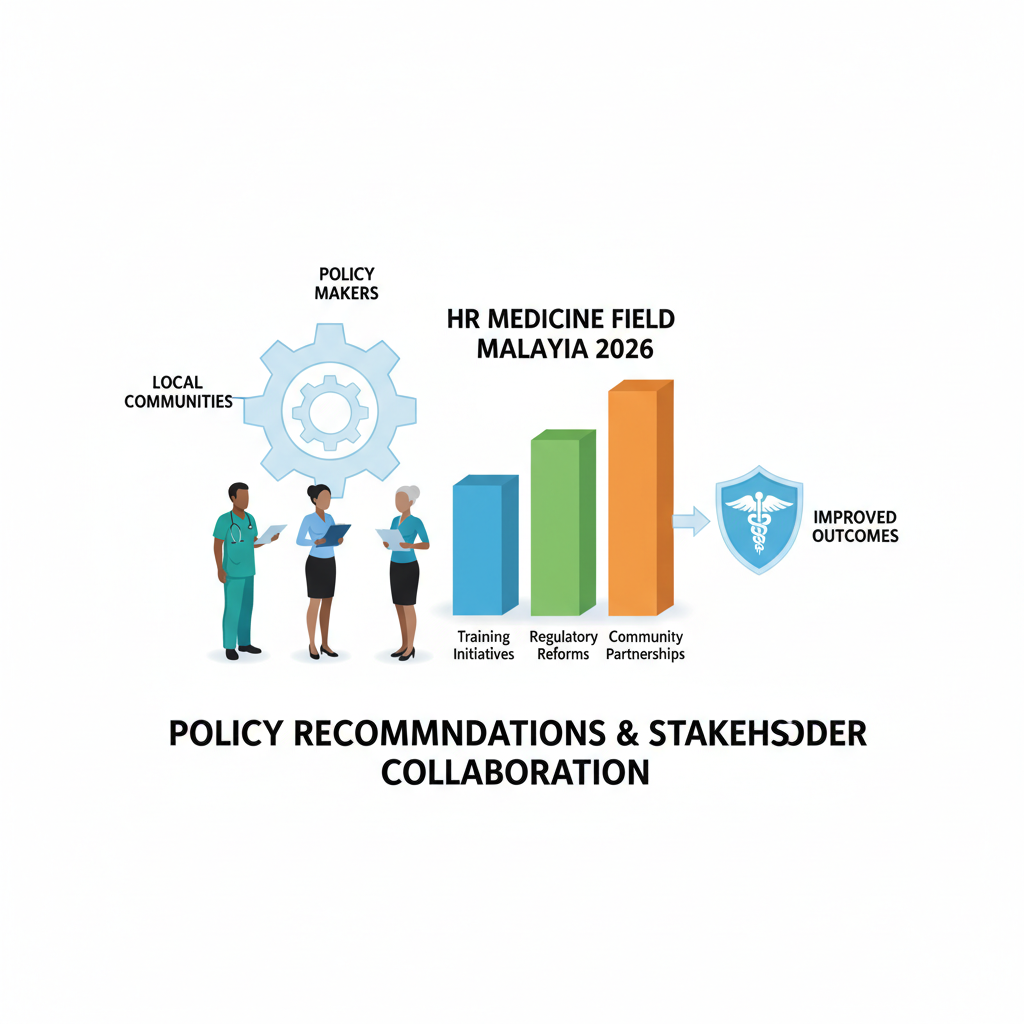
Beyond training, PPPs are crucial for creating attractive career pathways and improving retention rates. This could involve joint funding for scholarship programs, loan repayment schemes for doctors committing to serve in underserved areas, or collaborative initiatives to improve work-life balance and mental health support for healthcare workers. For instance, private sector expertise in HR management can inform public sector policies on performance incentives, employee engagement, and succession planning. Insights from an HR report of medicine field in Malaysia frequently highlight the impact of work environment and professional growth opportunities on retention. By combining public sector reach with private sector agility and resources, Malaysia can build a more resilient and attractive environment for medical professionals, ensuring that the country’s healthcare system remains robust and capable of meeting future demands. The sub-keyword 18 can refer to the diverse set of key recommendations often found in comprehensive HR reports, emphasizing a multi-pronged approach to workforce development and retention.
Implementing these policy recommendations and fostering genuine stakeholder collaboration is paramount for overcoming the current HR challenges in Malaysia’s medical field. A concerted effort from the government, medical associations, educational institutions, and private sector partners, guided by insights from the latest HR report of medicine field in Malaysia, will be instrumental in building a resilient, skilled, and sustainable medical workforce capable of delivering high-quality healthcare services for the nation’s future.
Partner with Shelby Global
You are looking for reliable HR Sevice Suppliers? Contact Shelby Global Now! To connect with verified talents and upgrade your orginization.
—————————————
References
– Ministry of Health Malaysia Publications: https://www.moh.gov.my/index.php/pages/view/269
– WHO Report: Health and Care Worker Wellbeing: A Global Imperative: https://www.who.int/publications/i/item/WHO-HER-HRH-2022.2
– :
– Malaysia’s brain drain in healthcare: https://www.thestar.com.my/news/nation/2023/10/01/malaysias-brain-drain-in-healthcare
– World Health Organization on global health workforce strategies: https://www.who.int/publications/i/item/9789241511245



































































































