Understanding the Unique HR Landscape for Malaysian FMCG SMEs
The fast-moving consumer goods (FMCG) sector in Malaysia presents a dynamic yet challenging environment, especially for Small and Medium-sized Enterprises (SMEs). Unlike their larger, multinational counterparts, Malaysian FMCG SMEs navigate a complex HR landscape shaped by local market dynamics, resource constraints, and specific industry demands. For the CEO in these companies, understanding and strategically managing human resources is not just an operational task but a critical determinant of success, impacting everything from productivity and product quality to market responsiveness.
Effective HR structures for SMEs the CEO in FMCG companies in Malaysia are often lean and multi-functional, demanding innovative approaches to talent acquisition, development, and retention. This section delves into the distinctive challenges and opportunities that define HR within Malaysia’s FMCG SME sector.
1. FMCG Industry Specific HR Demands (e.g., rapid turnover, shift work)
The FMCG sector is inherently fast-paced, characterized by high consumer demand, tight production schedules, and often, razor-thin margins. These operational realities translate directly into specific HR demands that SMEs must address. One prominent challenge is rapid employee turnover, particularly among front-line production and sales staff. The nature of shift work, often including nights and weekends, coupled with physically demanding roles, can lead to burnout and a constant need for recruitment. SMEs frequently struggle to offer compensation and benefits packages that can compete with larger corporations, exacerbating turnover issues.
Moreover, the need for agile and responsive teams is paramount. Product launches are frequent, requiring quick adaptation in manufacturing and distribution. HR must ensure a workforce that is not only skilled but also flexible and resilient to accommodate fluctuating demand and market trends. Training programs need to be concise and highly relevant, focusing on practical skills and adherence to strict hygiene and safety standards crucial for food and beverage, or other consumer product manufacturing. The HR function, even if managed by the CEO or a small team, must be proactive in fostering a culture that values efficiency, quality, and adaptability, all while battling the practicalities of shift scheduling and attendance management.
2. SME Resource Constraints vs. Large Corporations in Malaysia
A fundamental difference for HR in Malaysian FMCG SMEs compared to large corporations lies in resource availability. Large enterprises boast dedicated HR departments with specialists in various fields like talent acquisition, compensation & benefits, training & development, and industrial relations. SMEs, however, often operate with limited budgets and personnel. In many cases, the CEO or a general manager wears multiple hats, including HR. This necessitates a more strategic and often creative approach to HR management.
Talent attraction and retention become particularly challenging. SMEs typically cannot offer the same level of career progression, extensive training budgets, or brand prestige as multinationals. To counter this, successful SMEs often leverage their unique culture, offering greater autonomy, a closer-knit work environment, and direct impact on business outcomes. Furthermore, the limited resources mean that HR technology adoption might be slower, relying more on manual processes, which can hinder efficiency and data-driven decision-making. The HR structures for SMEs the CEO in FMCG companies in Malaysia are thus defined by necessity and ingenuity, often requiring a hands-on approach to HR that focuses on maximizing impact with minimal outlay.
3. Navigating Malaysian Labor Laws and Compliance (e.g., Employment Act 1955)
Compliance with Malaysian labor laws is non-negotiable for any business, but it presents a unique challenge for SMEs with limited legal and HR expertise. The cornerstone of employment law in Malaysia is the Employment Act 1955 (amended), which governs matters such as wages, working hours, annual leave, sick leave, termination, and dispute resolution. Beyond this, SMEs must also comply with social security regulations like the Employees Provident Fund (EPF), Social Security Organization (SOCSO), and the Employment Insurance System (EIS), as well as industry-specific safety and health regulations.
For SMEs, misinterpreting or failing to comply with these laws can lead to hefty fines, legal disputes, and reputational damage. The lack of dedicated legal counsel or HR compliance officers means that the CEO or a designated administrator must stay abreast of legislative changes. This often requires proactive engagement with government resources, industry associations, and sometimes, external HR consultants. Ensuring fair treatment, proper documentation, and adherence to minimum wage requirements are not just legal obligations but also crucial for maintaining employee morale and avoiding costly legal battles, making robust compliance a critical aspect of HR structures for SMEs the CEO in FMCG companies in Malaysia.
Strategic HR Structures for Optimal CEO-Led Growth
For Small and Medium-sized Enterprises (SMEs), particularly within the fast-paced FMCG sector in Malaysia, the CEO’s ability to implement effective HR structures is paramount for driving business objectives and sustainable growth. Unlike larger corporations with dedicated HR departments, CEOs in SMEs often wear multiple hats, making the strategic design of HR critical. This section explores various HR structural models, highlighting how they can be leveraged by a CEO to foster agility, enhance talent management, and ensure a competitive edge in a dynamic market.
1. Centralized vs. Decentralized HR Models for SME Agility
Choosing between centralized and decentralized HR models is a fundamental decision impacting an SME’s operational agility and strategic responsiveness. A HR structures for SMEs the CEO in FMCG companies in malaysia must carefully weigh the pros and cons to align with their specific growth trajectory and market demands.
A centralized HR structure consolidates all HR functions under a single, main department, usually at the company headquarters. This model offers significant benefits such as consistency in policy implementation, economies of scale, and streamlined compliance. For FMCG SMEs, this can ensure uniform branding of HR practices, vital for maintaining a cohesive company culture across multiple distribution points or branches. It facilitates easier oversight for the CEO, particularly in managing core functions like payroll, benefits administration, and overall HR strategy for SMEs. However, its drawbacks include potential bureaucracy, slower decision-making, and a lack of local responsiveness, which can be a hindrance in the diverse Malaysian market where regional nuances might be crucial.
Conversely, a decentralized HR model distributes HR functions across various departments or regional offices. This approach champions greater agility and local relevance, allowing teams to respond quickly to specific departmental or regional needs. For an FMCG company dealing with varied consumer preferences and labor market conditions across different states in Malaysia, decentralized HR for agility can be highly beneficial. It empowers managers with more direct HR support, fostering quicker resolution of localized issues and more tailored talent management SMEs initiatives. The downside often includes potential inconsistencies in policies, duplication of efforts, and higher operational costs, posing a challenge for a CEO striving for cost-efficiency while maintaining control over overall HR strategy.
2. The Role of the ‘HR Business Partner’ for Strategic CEO Alignment
In the pursuit of optimal CEO-led growth, the integration of an HR Business Partner (HRBP) model has emerged as a powerful strategic tool. An HRBP is not merely an administrative HR professional; they are strategic advisors who work closely with business leaders and the CEO to align HR initiatives directly with business objectives. For FMCG companies in Malaysia, where market conditions can shift rapidly, an HRBP provides crucial insights into human capital challenges and opportunities.
An HRBP typically possesses a deep understanding of the business operations, market trends, and organizational goals. They translate the CEO’s vision into actionable HR strategies, focusing on areas such as talent acquisition, performance management, employee development, and organizational design. This strategic HR partnership helps to bridge the gap between HR functions and core business outcomes, ensuring that human capital investments directly contribute to profitability and growth.
For a CEO leading an SME, an HRBP can be invaluable. They can help navigate complex FMCG HR challenges, such as high turnover in sales teams, the need for specialized supply chain talent, or managing diverse generational workforces. By embedding HR expertise within operational units, HRBPs foster a proactive approach to human resources, mitigating risks and identifying opportunities for enhancing workforce productivity. According to the Society for Human Resource Management (SHRM), an HRBP’s role is critical in driving organizational effectiveness through strategic HR interventions. This level of strategic alignment is essential for Malaysian HR best practices and sustainable expansion.
3. Leveraging Hybrid HR Models for Scalability and Efficiency
Recognizing the limitations of purely centralized or decentralized approaches, many forward-thinking CEOs in FMCG SMEs are adopting hybrid HR models. These models strike a crucial balance, centralizing core transactional HR functions while decentralizing strategic and employee-facing initiatives. This approach offers the best of both worlds: efficiency and consistency for routine tasks, combined with flexibility and responsiveness for business-critical areas.
In a hybrid model, functions such as payroll processing, benefits administration, HR information systems (HRIS) management, and legal compliance are often centralized. This allows for economies of scale, reduces administrative burden, and ensures consistent adherence to regulatory requirements across the organization. This centralization frees up resources and allows the CEO to maintain strategic oversight of crucial operational components.
Simultaneously, more strategic functions like recruitment for specific departments, performance management coaching, talent development programs, and employee relations can be decentralized, often facilitated by HRBPs embedded within business units. This enables a tailored approach to human capital management, addressing the unique needs of different teams or regions within Malaysia. For a growing FMCG SME, this means scalable HR models that can adapt as the company expands without sacrificing local market understanding or responsiveness.
A CEO implementing a hybrid model can achieve significant benefits: optimized costs through centralized efficiency, improved employee engagement via localized support, and enhanced strategic agility. This structure supports sustainable growth by providing a robust framework for managing human capital effectively, making it an ideal choice for SMEs aiming to scale operations while maintaining a competitive edge in the dynamic Malaysian FMCG landscape. Ultimately, the choice of HR structure must reflect the CEO’s vision for growth, the specific challenges of the FMCG sector, and the unique cultural and market dynamics of Malaysia.
Key HR Functions Essential for FMCG SME Success
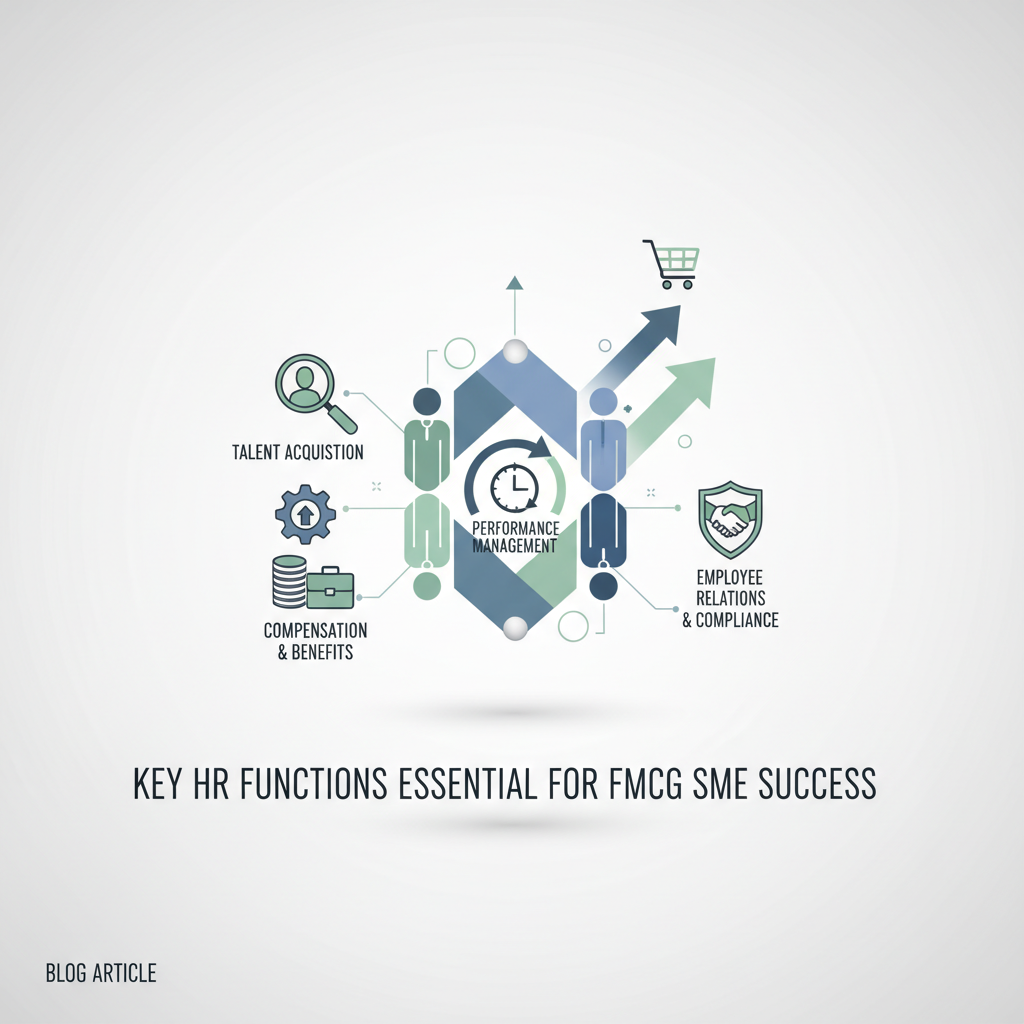
For Fast-Moving Consumer Goods (FMCG) Small and Medium-sized Enterprises (SMEs) in Malaysia, navigating a competitive market demands more than just innovative products and aggressive marketing. The bedrock of sustainable growth lies in robust Human Resources (HR) functions. Addressing common SME HR challenges, effective HR structures for SMEs the CEO in FMCG companies in Malaysia are not merely administrative; they are strategic imperatives, directly influencing talent acquisition, development, and retention. The CEO in FMCG companies in Malaysia understands that optimizing these core HR functions is paramount to building a resilient, productive, and engaged workforce, capable of driving the company forward amidst industry pressures and ensuring market competitiveness.
1. Effective Talent Acquisition and Onboarding in FMCG SMEs
In the dynamic FMCG landscape, attracting and securing the right talent is a perpetual challenge for SMEs, often competing with larger corporations for skilled professionals. Effective talent acquisition strategies are therefore critical. This involves more than just posting job ads; it requires a proactive approach to employer branding FMCG sectors demand, showcasing the SME’s unique culture, growth opportunities, and direct impact on the business. For a CEO in FMCG companies in Malaysia, understanding the local talent pool and tailoring recruitment efforts to attract high-potential individuals, especially in sales, marketing, and operations, is key. Pre-screening, competency-based interviews, and leveraging professional networks can significantly enhance recruitment efficiency. Once talent is acquired, a structured and engaging onboarding process becomes indispensable. This goes beyond paperwork, focusing on integrating new hires into the company culture, familiarizing them with products and processes, and assigning mentors. A well-executed onboarding process is proven to reduce early turnover, increase productivity, and ensure new employees feel valued and prepared to contribute from day one, laying a strong foundation for employee retention Malaysia-wide.
2. Performance Management and Employee Development Strategies
Effective performance management systems are vital for driving productivity and maintaining high standards in FMCG SMEs. This involves setting clear, measurable goals aligned with business objectives, providing regular feedback, and conducting fair and transparent performance appraisals. Beyond evaluations, these systems should identify skill gaps and inform targeted staff development programs. For the CEO in FMCG companies in Malaysia, fostering a culture of continuous learning is crucial. This means investing in training programs that enhance both functional skills (e.g., sales techniques, supply chain optimization) and soft skills (e.g., leadership, communication). Career pathing and upskilling opportunities not only motivate employees but also build internal capabilities, reducing reliance on external hires for future roles. Recognizing and rewarding high performers through various means strengthens employee engagement and reinforces positive behaviors. These HR structures for SMEs ensure that employees are not just performing but also growing, contributing directly to the company’s long-term success and adaptability in a fast-paced market. Such strategic investments in human capital are a differentiator for SMEs aiming for sustained growth.
3. Competitive Compensation & Benefits for Retention in Malaysia
Retaining top talent in Malaysia’s competitive FMCG market necessitates a well-thought-out compensation and benefits Malaysia strategy. While SMEs may not always match the extensive packages of multinational corporations, they can offer competitive salaries benchmarked against industry standards, coupled with performance-based incentives that reward individual and team contributions. Beyond monetary aspects, understanding employee needs and offering flexible benefits, work-life balance initiatives, and professional development opportunities can significantly enhance job satisfaction and employee retention Malaysia-wide. It is crucial for the CEO in FMCG companies in Malaysia to ensure these packages are not only competitive but also fair and transparent. Adherence to Malaysian labor law compliance is non-negotiable, covering aspects like EPF, SOCSO, EIS, and statutory leave. Regularly reviewing market competitiveness and adjusting remuneration strategies ensures the SME remains an attractive employer. By strategically structuring compensation and benefits, FMCG workforce planning can mitigate the risk of losing valuable employees to competitors, thereby safeguarding institutional knowledge and ensuring business continuity. These HR structures for SMEs are fundamental to building a loyal and motivated team.
Technology & Outsourcing: Modernizing HR for Efficiency
In the dynamic and often resource-constrained world of Small and Medium-sized Enterprises (SMEs), particularly for a CEO in FMCG companies in Malaysia, optimizing HR operations is paramount for sustainable growth. This section explores how strategic integration of technology, specifically HR Information Systems (HRIS), and intelligent outsourcing solutions like HR consultants and Professional Employer Organizations (PEOs) can fundamentally transform HR structures, enhancing efficiency, ensuring compliance, and providing strategic insights even for the leanest teams.
-
Implementing Affordable HRIS Solutions for SME Operations
For SMEs, the initial thought of implementing sophisticated HR technology might seem daunting, both in terms of cost and complexity. However, modern cloud-based HRIS solutions are specifically designed to be affordable, scalable, and user-friendly, making them ideal for streamlining SME operations. These platforms automate routine administrative tasks such as payroll processing, time-off requests, employee record management, and benefits administration. By centralizing employee data, an effective HRIS reduces manual errors, saves valuable time, and frees up HR personnel (or the CEO wearing multiple hats) to focus on more strategic initiatives like talent development and employee engagement. Choosing the right HR software for SMEs in Malaysia involves looking for systems that offer intuitive interfaces, robust security features, and compliance with local regulations, thereby significantly boosting HR efficiency and laying a solid foundation for more mature HR structures.
-
Strategic HR Outsourcing Benefits for Compliance and Expertise
Navigating the complex landscape of labor laws, benefits administration, and HR compliance Malaysia requires specialized expertise that many SMEs cannot afford to house internally. This is where strategic HR outsourcing benefits truly shine. Engaging HR consultants or partnering with a PEO provides immediate access to a team of experts well-versed in best practices and regulatory requirements. From ensuring adherence to the Employment Act 1955 to managing EPF, SOCSO, and EIS contributions, outsourcing minimizes compliance risks and frees up internal resources. PEOs, in particular, can co-employ staff, handling payroll, taxes, and even benefits negotiation, offering a comprehensive solution. This approach not only provides a scalable HR department but also injects invaluable expertise into critical areas such as talent management SMEs, compensation strategies, and performance frameworks, enhancing the overall HR structures for SMEs the CEO in FMCG companies in Malaysia without the overhead of additional full-time staff. According to a report by Deloitte, organizations that strategically outsource HR functions often achieve greater efficiency and access to specialized knowledge. Learn more about the evolving landscape of HR technology for small businesses.
-
Data Analytics for Informed HR Decision-Making in SMEs
Beyond automating tasks and ensuring compliance, the modern HR function in SMEs must embrace data-driven HR. Both HRIS solutions and outsourced partners generate a wealth of data that, when analyzed effectively, can provide critical insights for informed decision-making. For a CEO in FMCG companies in Malaysia, understanding trends in employee turnover, recruitment costs, performance metrics, and training effectiveness is crucial for strategic planning. Data analytics can identify bottlenecks, highlight areas for improvement in employee engagement, and optimize workforce planning. For example, by tracking recruitment source effectiveness, SMEs can refine their hiring strategies to attract better talent more efficiently. Similarly, analyzing employee feedback and performance data can lead to targeted development programs that improve productivity and retention. Leveraging these insights empowers SMEs to move beyond reactive HR management to proactive, strategic human capital development, ensuring that HR efforts directly contribute to business objectives and sustainable growth.
Future-Proofing HR: Trends and Best Practices by 2026
Look ahead at emerging HR trends relevant to Malaysian FMCG SMEs, preparing CEOs for future challenges and opportunities in the evolving business landscape.
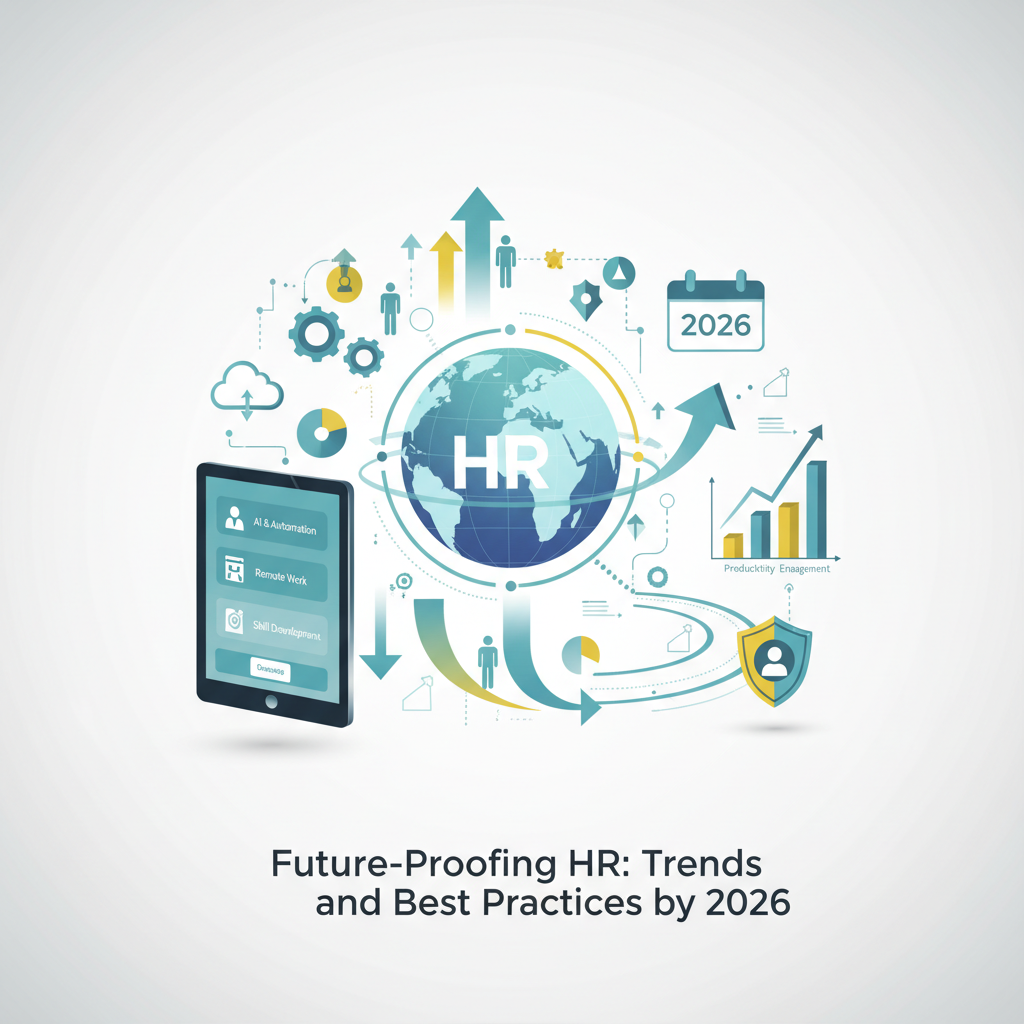
The Malaysian Fast-Moving Consumer Goods (FMCG) sector is a dynamic arena, constantly reshaped by evolving consumer demands, technological advancements, and economic shifts. For Small and Medium-sized Enterprises (SMEs) within this vibrant industry, the role of Human Resources is no longer merely administrative; it’s a strategic imperative. By 2026, forward-thinking CEOs in Malaysian FMCG SMEs must recognize that robust and adaptive HR structures are critical for sustained growth and competitiveness. Future-proofing HR isn’t just about reacting to change, but proactively shaping a resilient, agile, and people-centric organization. This section explores key trends and best practices that will define effective HR management for HR structures for SMEs the CEO in FMCG companies in malaysia.
1. Embracing Agile HR and Digital Transformation in FMCG
Digital transformation is no longer a luxury but a necessity for FMCG SMEs. For HR, this translates into adopting agile methodologies and leveraging technology to streamline processes, enhance employee experience, and gain data-driven insights. Agile HR, characterized by flexibility, iterative development, and rapid adaptation, allows HR departments to respond quickly to market changes, talent demands, and employee feedback. This involves shifting from rigid annual cycles to continuous performance management, ongoing learning and development, and dynamic resource allocation. Implementing HR Information Systems (HRIS) or cloud-based HR platforms can automate routine tasks like payroll, leave management, and recruitment, freeing up HR professionals to focus on strategic initiatives. Predictive analytics, powered by HR data, can help identify talent gaps, forecast staffing needs, and understand employee turnover drivers, providing invaluable foresight for CEOs navigating the competitive FMCG landscape. For instance, an SME can use data to predict peak demand periods and proactively recruit temporary staff, ensuring operational continuity and efficiency.
2. Building a Culture of Employee Engagement and Wellness
In the high-pressure FMCG environment, attracting and retaining top talent hinges on fostering a supportive and engaging workplace culture. By 2026, employee engagement will move beyond surveys to encompass holistic well-being. Malaysian SMEs must prioritize mental health support, flexible work arrangements where feasible, and initiatives that promote a healthy work-life balance. A culture of continuous feedback, transparent communication, and recognition programs will empower employees, making them feel valued and connected to the company’s mission. Investing in skills development and career pathing also contributes significantly to engagement, as employees are more likely to stay and perform when they see opportunities for growth. For instance, offering cross-functional training in supply chain management or digital marketing can upskill employees and increase their versatility, benefiting both the individual and the organization. Furthermore, understanding the unique cultural nuances of the Malaysian workforce and tailoring wellness programs accordingly can significantly boost their effectiveness. Cultivating psychological safety, as highlighted by leading business research, is fundamental to truly engaged teams, allowing employees to innovate and take risks without fear of negative repercussions.
3. Sustainability and ESG Considerations in HR Practices
Environmental, Social, and Governance (ESG) principles are rapidly gaining traction, influencing consumer choices, investor decisions, and ultimately, talent acquisition. For Malaysian FMCG SMEs, embedding sustainability into HR practices by 2026 means more than just compliance; it’s about building a responsible and ethical brand. Social aspects, in particular, fall directly under HR’s purview. This includes ensuring fair labor practices, promoting diversity, equity, and inclusion (DEI), and contributing positively to local communities. HR departments will need to develop policies that reflect these values, from ethical sourcing and supply chain labor standards to transparent reporting on diversity metrics. Recruiting and retaining talent who align with the company’s ESG commitments will also become crucial. Employees, especially younger generations, are increasingly seeking employers with strong ethical foundations. By visibly demonstrating a commitment to sustainability, FMCG SMEs can enhance their employer brand, attracting purpose-driven individuals who are essential for long-term success. This proactive approach not only mitigates risks but also unlocks new opportunities for innovation and market differentiation.
Partner with Shelby Global
You are looking for reliable HR Sevice Suppliers? Contact Shelby Global Now! To connect with verified talents and upgrade your orginization.
—————————————
References
– :
– What Is an HR Business Partner?: https://www.shrm.org/resources-and-tools/hr-topics/talent-acquisition/pages/what-is-an-hr-business-partner.aspx
– SHRM Small Business HR Resources: https://www.shrm.org/resourcesandtools/hr-topics/small-business/pages/default.aspx
– HR technology for small businesses: https://www.shrm.org/resources-and-tools/hr-topics/technology/pages/small-businesses-make-big-strides-in-hr-tech.aspx
– How to Build a Culture of Psychological Safety: https://hbr.org/2020/09/how-to-build-a-culture-of-psychological-safety