Understanding the Unique HR Landscape for Malaysian eCommerce SMEs
The rapid expansion of the eCommerce sector in Malaysia presents a dynamic, yet complex, environment for Small and Medium-sized Enterprises (SMEs). For these burgeoning businesses, navigating human resources (HR) isn’t just about compliance; it’s a strategic imperative that directly impacts growth, innovation, and competitiveness. This section delves into the specific HR challenges and opportunities faced by eCommerce SMEs in Malaysia, taking into account local market dynamics and the evolving talent pools. Crafting effective HR structures for SMEs the CEO in Ecommerce field in malaysia is crucial, as the CEO often shoulders the primary responsibility for early-stage HR development.
Malaysian eCommerce, fueled by increasing internet penetration and consumer digital adoption, is a hotbed of activity. However, beneath the surface of promising market size lies a unique set of HR complexities. From talent acquisition to retention and compliance, each aspect demands a nuanced understanding tailored to the Malaysian context. Effective HR solutions for online businesses are not one-size-fits-all; they must be agile and adaptive to the fast-paced nature of digital commerce.

1. Key HR challenges for eCommerce SMEs in Malaysia
eCommerce SMEs in Malaysia grapple with a distinct set of HR hurdles. One primary concern is SME talent acquisition Malaysia. Competing with larger corporations for skilled digital professionals, these smaller entities often struggle with limited budgets and brand recognition. They need individuals proficient in digital marketing, data analytics, supply chain management, and customer service, all while managing tight resources.
Beyond initial hiring, talent retention in Malaysian eCommerce is another significant challenge. The competitive landscape means employees are often poached by bigger players offering more attractive compensation packages and career advancement opportunities. This necessitates innovative approaches to foster loyalty and engagement within the company culture. Furthermore, the rapid scaling inherent to eCommerce often outpaces the development of robust Malaysian eCommerce HR strategies, leading to reactive rather than proactive HR management. Ensuring proper performance management for digital SMEs also becomes vital, as remote or hybrid work models are increasingly common in the digital sector.
The need for quick adaptation and flexibility further complicates matters, placing immense pressure on eCommerce workforce development to keep pace with technological advancements and market shifts. Without strategic planning, these SMEs face a constant struggle to build and maintain a competent workforce, hindering their growth potential and overall stability.
2. Impact of local labor laws on small businesses
Understanding and complying with local labor laws is paramount for any business in Malaysia, and eCommerce SMEs are no exception. The Employment Act 1955, alongside other regulations, dictates various aspects from working hours and leave entitlements to termination procedures and social security contributions. For small businesses, navigating these legalities can be daunting, especially without a dedicated HR department. Ensuring Malaysian labor law compliance for SMEs is not just a legal obligation but also crucial for maintaining a positive employer brand and avoiding costly disputes.
SMEs must be particularly diligent in understanding regulations concerning probation periods, employee benefits, and lawful termination. Furthermore, the push for greater flexibility in the digital economy has led to increased interest in flexible work arrangements in Malaysia’s digital sector. While these offer benefits, they also require careful consideration of existing labor laws to ensure legal adherence. The absence of a clear understanding can lead to significant penalties, impacting the financial health of the SME. Resources from official bodies like SME Corp. Malaysia often provide guidance, highlighting the importance of staying informed on evolving regulations and their impact on operational HR practices, especially regarding competitive compensation & benefits for eCommerce SMEs.
3. Talent pool dynamics in the Malaysian digital sector
The Malaysian digital sector is experiencing rapid growth, but this expansion also reveals notable disparities in the available talent pool. While there’s a growing number of digital natives, there’s often a significant skills gap in eCommerce Malaysia, particularly in specialized areas like advanced analytics, cybersecurity for online platforms, and innovative supply chain logistics. Universities and training institutions are working to bridge this gap, but the demand frequently outstrips supply.
Recruitment strategies in Malaysian tech for SMEs must therefore be creative, often focusing on upskilling existing employees or partnering with educational institutions for internship programs. The competition for skilled professionals is fierce, driving up salary expectations and making it harder for SMEs to attract top talent. This environment makes strategic workforce planning for Malaysian eCommerce absolutely essential. Businesses need to anticipate future skill requirements and develop plans to acquire or cultivate those capabilities internally. Furthermore, fostering strong employee engagement in eCommerce startups becomes critical not just for retention, but also for attracting talent through positive word-of-mouth. Exploring and adopting HR technology adoption for SMEs Malaysia can provide a competitive edge, streamlining processes and enhancing the overall employee experience, addressing the unique digital HR challenges Malaysia presents.
In conclusion, building robust HR structures for SMEs the CEO in Ecommerce field in malaysia requires a proactive and informed approach. By understanding the unique challenges related to talent acquisition, labor compliance, and the dynamics of the digital talent pool, CEOs can strategically position their eCommerce SMEs for sustainable growth and success in Malaysia’s vibrant digital economy.
Building Foundational HR Structures for Sustainable Growth
For any CEO in the E-commerce field in Malaysia navigating the challenges of rapid expansion, establishing robust HR structures is not just an administrative task but a strategic imperative. In the dynamic Malaysian market, particularly within the fast-paced E-commerce sector, a well-defined HR framework forms the backbone of sustainable growth, employee satisfaction, and operational efficiency. Without these core HR elements, SMEs risk encountering bottlenecks, compliance issues, and high turnover, all of which can hinder their journey towards market leadership. This section focuses on equipping E-commerce SMEs with the essential HR foundations for e-commerce Malaysia, ensuring clarity, fairness, and a professional working environment from the outset. By prioritizing these foundational HR structures, you lay the groundwork for a scalable business model that attracts and retains top talent, transforming your startup into a thriving enterprise.
1. Defining roles, responsibilities, and organizational charts
One of the first crucial steps in building effective HR structures for SMEs in the E-commerce sector is to meticulously define roles, responsibilities, and reporting lines. As an E-commerce CEO, establishing a clear organizational design for e-commerce SME ensures that every team member, from logistics to digital marketing and customer service, understands their contribution to the overall mission. This clarity minimizes duplication of effort, enhances accountability, and streamlines communication. Start by creating detailed job descriptions that outline key duties, required skills, and performance metrics for each position. This not only aids in future recruitment but also sets clear expectations for current employees. Subsequently, develop an organizational chart that visually represents the company’s structure, reporting relationships, and departments. This tool is invaluable for fostering transparency, helping employees understand where they fit within the larger picture, and providing a clear path for career progression. An effective organizational structure is a cornerstone of workforce planning SME, allowing for strategic talent allocation and smoother scaling operations.
2. Developing essential HR policies and employee handbooks
The next vital component of foundational SME HR best practices Malaysia involves crafting comprehensive HR policies and compiling them into an accessible employee handbook. This handbook serves as the authoritative guide for employees, outlining the company’s expectations, values, and operational procedures. For an E-commerce business in Malaysia, key policies should cover areas such as: code of conduct, attendance and leave management (including annual leave, sick leave, and parental leave in line with Malaysia HR compliance), data protection and confidentiality (crucial for handling customer data), social media usage, performance management, and disciplinary procedures. An employee handbook Malaysia SME not only promotes a fair and consistent work environment but also acts as a critical legal safeguard, ensuring adherence to the Employment Act 1955 and other relevant Malaysian labor laws. It should clearly communicate the rights and obligations of both the employer and employees, fostering trust and reducing potential disputes. Regularly reviewing and updating these policies is essential to keep pace with legislative changes and the evolving needs of your business, ensuring your HR framework for e-commerce CEO remains relevant and compliant.
3. Implementing basic recruitment and onboarding processes
Finally, to ensure sustainable growth, an E-commerce SME must establish efficient recruitment and onboarding processes. Attracting the right talent is paramount, especially in a competitive digital landscape. Develop a structured recruitment process for startups Malaysia that includes clear job advertisements aligned with your defined roles, a systematic application review, and a structured interview process that evaluates both skills and cultural fit. Implement a multi-stage interview approach, involving relevant team leads, to ensure a comprehensive assessment of candidates. Once hired, a robust onboarding new hires e-commerce program is critical for rapid integration and long-term retention. This goes beyond just paperwork; it should involve a structured orientation that introduces new employees to the company’s culture, values, tools, and their team members. Providing immediate access to necessary resources, outlining initial goals, and assigning a mentor can significantly improve a new hire’s productivity and engagement. Effective talent acquisition SME Malaysia hinges on making new hires feel valued and equipped to succeed from day one. By investing in these initial stages, you not only reduce turnover but also cultivate a workforce that is productive, engaged, and committed to your E-commerce venture’s success, contributing directly to your sustainable growth HR strategy.
Leveraging Technology and Automation in HR for Efficiency
For eCommerce CEOs in Malaysia leading lean teams, maximizing efficiency across all operations is paramount. Human Resources, traditionally a paper-heavy and administrative function, offers significant opportunities for modernization. By embracing HR technology and automation, businesses can dramatically streamline operations, reduce administrative burden, and elevate HR service delivery, allowing their teams to focus on strategic growth rather than routine tasks. This approach is vital for developing effective HR structures for SMEs the CEO in Ecommerce field in malaysia, ensuring agility and scalability in a competitive market.

1. Choosing the Right HRIS/HRM Software for SMEs
The foundation of any successful HR digital transformation is selecting the appropriate HRIS (Human Resources Information System) or HRM (Human Resources Management) software. For eCommerce CEOs, especially those managing an HR small business or startup, the choice needs to balance functionality with cost-effectiveness and ease of implementation. An effective HRIS for SMEs Malaysia should offer a comprehensive suite of features, including employee data management, payroll, leave, and performance tracking. Prioritize cloud-based solutions, often termed Cloud HR for startups, as they provide accessibility from anywhere, which is crucial for remote or hybrid teams common in online businesses. When making a selection, consider scalability, integration capabilities with existing systems, and compliance with Malaysian labor laws. Investing time in this initial decision ensures the chosen platform can support your growth and deliver tangible HR efficiency e-commerce CEO benefits. For a deeper dive into making an informed choice, consider resources like Forbes Advisor’s guide on choosing the best HR software for your business needs.
2. Automating Payroll, Leave, and Attendance Management
One of the most immediate and impactful areas for automation HR small business operations is in routine administrative tasks. Payroll software eCommerce solutions, integrated with leave and attendance management systems, can drastically streamline HR operations. Manual payroll processing is prone to errors, time-consuming, and can lead to compliance issues, especially with evolving Malaysian tax regulations and statutory contributions. Automated systems ensure accuracy, timely payments, and seamless compliance. Similarly, a leave management system Malaysia specific, handles leave requests, approvals, and balances digitally, eliminating paperwork and reducing disputes. HR technology eCommerce Malaysia businesses adopt for these functions can track working hours, generate reports, and integrate directly with payroll for a holistic approach. This not only significantly contributes to reducing HR administrative burden but also frees up valuable time for HR personnel to engage in more strategic initiatives, fostering enhanced HR service delivery.
3. Utilizing Tools for Recruitment and Performance Tracking
Beyond core administration, technology plays a pivotal role in talent acquisition and development. For fast-growing eCommerce ventures, effective recruitment tools online business needs are crucial. Applicant Tracking Systems (ATS) can automate job postings, resume screening, and candidate communication, ensuring a smoother, faster hiring process. This is part of a broader shift towards digital HR solutions that enable businesses to attract and retain top talent. Once employees are on board, performance management software becomes indispensable. These tools facilitate goal setting, regular feedback, performance reviews, and even career development planning. They allow eCommerce CEOs to track employee progress, identify training needs, and make data-driven decisions about promotions and compensation. By implementing robust talent management technology and workforce management tools, businesses can cultivate a high-performance culture, improve employee engagement, and ensure their lean teams are operating at their peak. The integration of such systems provides a comprehensive view of human capital, driving both operational efficiency and long-term organizational success.
Strategic HR Initiatives for Talent Acquisition and Retention
In the fiercely competitive Malaysian eCommerce market, securing and retaining top talent is not just an HR function; it’s a strategic imperative for sustainable growth. For HR structures for SMEs the CEO in Ecommerce field in malaysia, proactive strategies are essential to attract, hire, and cultivate a workforce that drives innovation and customer satisfaction. This section delves into actionable HR initiatives, focusing on engagement and culture, critical for securing a competitive edge.
1. Crafting Compelling Employer Branding for eCommerce
For SMEs in the eCommerce sector, a strong employer brand is vital for standing out. It’s about showcasing what makes your company a unique and desirable place to work, especially when competing with larger corporations for limited digital talent recruitment Malaysia. Start by defining your core values, mission, and the unique workplace culture eCommerce Malaysia offers. Highlight growth opportunities, a vibrant work environment, and the impact employees can make.
Effective employer branding eCommerce Malaysia leverages digital platforms. Use your company website, social media channels, and professional networking sites to tell your story. Feature employee testimonials, behind-the-scenes glimpses of daily operations, and highlight team achievements. Transparent communication about company culture, career development paths, and benefits will resonate deeply with potential hires, creating a compelling narrative that attracts high-caliber candidates suited to your SME’s unique environment.
2. Effective Strategies for Attracting and Hiring Digital Talent
Attracting the right digital talent in Malaysia requires a targeted approach. Beyond traditional job boards, explore niche platforms for eCommerce professionals and leverage LinkedIn for direct outreach. Building a robust talent pipeline eCommerce Malaysia involves actively participating in industry events, collaborating with educational institutions, and running referral programs that incentivize current employees to recommend suitable candidates.
When it comes to the hiring process, focus on efficiency and candidate experience. Streamline applications, conduct structured interviews, and consider practical skill assessments relevant to eCommerce roles. To attract the best, SMEs should also review their competitive compensation eCommerce packages, ensuring they align with market rates. Offering flexible work arrangements Malaysia, such as remote options or flexible hours, can also be a significant draw, broadening your talent pool beyond geographical constraints and appealing to modern workforce preferences for Malaysian eCommerce talent acquisition.
3. Employee Engagement and Retention Programs Unique to SMEs
Retaining top talent is just as crucial as acquiring it, and for eCommerce SMEs, a personalized approach to employee engagement eCommerce SMEs can be a significant advantage. Unlike larger corporations, SMEs can foster a closer-knit community, allowing for more individualized attention and rapid implementation of feedback. Regular, open communication channels, such as one-on-one meetings and pulse surveys, are essential for understanding employee needs and addressing concerns proactively.
Develop robust learning & development eCommerce programs, including upskilling opportunities in new technologies, mentorship, and cross-functional training. Providing clear career progression paths and opportunities for growth helps employees visualize their future within the company. Recognition programs, whether formal or informal, acknowledge contributions and boost morale. Furthermore, cultivating an inclusive environment that values diversity and inclusion eCommerce ensures all employees feel valued and respected, contributing to higher job satisfaction and lower eCommerce talent retention Malaysia rates. According to the Society for Human Resource Management (SHRM), effective retention strategies are built on a foundation of engagement and development. Implementing fair performance management SMEs, coupled with thoughtful succession planning SMEs, further solidifies a committed workforce, ensuring your SME thrives in Malaysia’s dynamic digital marketplace.
Ensuring HR Compliance and Future-Proofing Your eCommerce Business
The rapid evolution of the eCommerce landscape in Malaysia presents both incredible opportunities and significant operational challenges for CEOs, particularly in human resources. Building resilient and compliant HR structures for SMEs the CEO in Ecommerce field in malaysia is not merely about adhering to the law; it’s about strategic foresight that safeguards your business, fosters talent, and supports sustainable growth. This section delves into the critical aspects of legal compliance with Malaysian employment laws and outlines how CEOs can prepare their HR functions for future growth, expansion, and potential changes in regulations.
1. Navigating Malaysian employment law updates (e.g., EPF, SOCSO, EIS)
Staying abreast of Malaysia’s dynamic employment legislation is paramount for any eCommerce CEO. The Employment Act 1955, which underwent significant amendments effective January 1, 2023, forms the bedrock of employee rights and employer obligations. Key changes include enhanced maternity and paternity leave, reduced weekly working hours from 48 to 45, and mandatory flexible working arrangements. Beyond the Employment Act, understanding your responsibilities regarding statutory contributions like the Employees Provident Fund (EPF), Social Security Organization (SOCSO), and Employment Insurance System (EIS) is crucial. Non-compliance can lead to hefty penalties, reputational damage, and even legal action.
For eCommerce businesses, this means ensuring that payroll systems are updated to reflect new contribution rates and leave entitlements. It also requires reviewing existing employment contracts and HR policies to align with the revised legal framework. Ignorance is not a defence; proactive engagement with legal counsel or HR experts can help translate complex legal jargon into actionable steps for your business. For a detailed overview of the Employment Act amendments, consider consulting authoritative legal resources such as this guide on the Malaysian Employment Act 1955 amendments by reputable legal firms. CEOs must embed a culture of continuous learning within their HR teams to adapt swiftly to new regulations, ensuring that all employees, whether full-time, part-time, or remote, are covered appropriately under Malaysian law. Effective legal compliance Malaysia is the first step in building a sustainable workforce.
2. Managing performance, discipline, and terminations legally
The delicate balance of fostering a high-performing team while adhering to legal requirements around performance management, disciplinary actions, and terminations is a core challenge for eCommerce SMEs. In Malaysia, stringent rules protect employees from unfair dismissal, placing a heavy burden on employers to demonstrate ‘just cause and and excuse’.
Effective performance management begins with clear job descriptions, measurable key performance indicators (KPIs), and regular, documented performance reviews. When performance issues arise, a fair and transparent disciplinary process is essential. This typically involves issuing warning letters, conducting thorough investigations, and providing opportunities for the employee to respond (known as a “show cause” letter). Any disciplinary action, including termination, must be conducted in accordance with the principles of natural justice and the Employment Act 1955. Terminating an employee without proper grounds or procedure can lead to claims for unfair dismissal at the Industrial Court, which can be costly and time-consuming. Building robust HR best practices, including clear grievance procedures and employee handbooks, can mitigate these risks. For eCommerce businesses experiencing rapid growth, having these frameworks in place ensures that decisions are objective, well-documented, and legally defensible, protecting both the company and its employees.
3. Scaling HR capabilities for sustained eCommerce growth in 2026 and beyond
As your eCommerce venture expands, so too will the complexity of your human resource needs. Future-proofing your HR function involves anticipating growth, embracing HR technology, and strategically planning for talent management. For HR structures for SMEs the CEO in Ecommerce field in malaysia, this means moving beyond basic administrative tasks to a more strategic role.
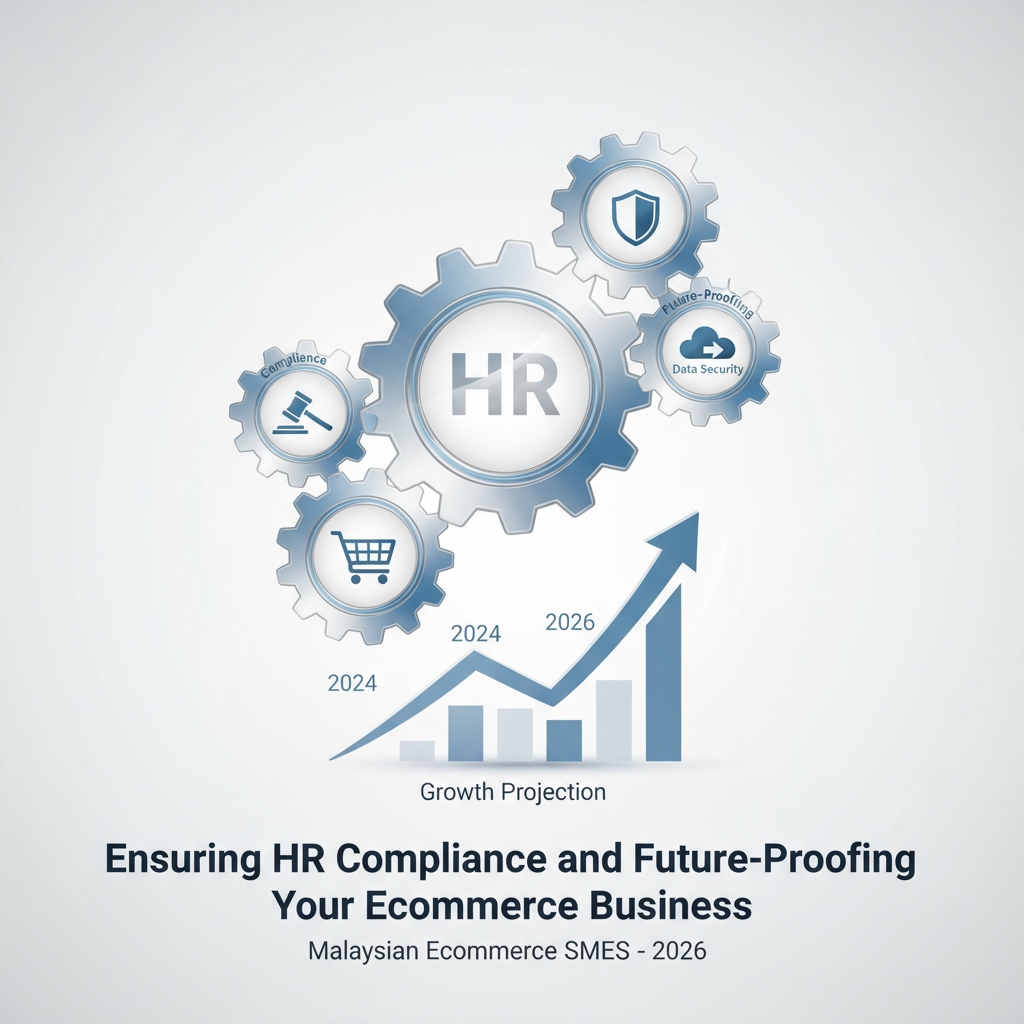
One crucial step is the adoption of HR technology, such as Human Resources Information Systems (HRIS). An HRIS can automate payroll compliance, leave management, employee record-keeping, and performance tracking, freeing up valuable time for strategic initiatives. This digital transformation HR is vital for efficiency. Furthermore, developing a proactive workforce planning strategy is key. This involves identifying future talent needs, creating effective recruitment strategies that attract top digital and logistics talent, and investing in employee engagement and development programs. Remote work policies and flexible arrangements are becoming increasingly common in eCommerce, necessitating clear guidelines and robust communication channels. CEOs should also consider establishing succession planning for critical roles to ensure business continuity. By investing in these areas now, eCommerce businesses can build a flexible, scalable, and resilient HR function capable of navigating future challenges, including potential changes in global or local employment regulations, and supporting exponential growth in 2026 and beyond. This strategic foresight ensures that your HR operations evolve synergistically with your business objectives, making your eCommerce enterprise truly future-ready.
Partner with Shelby Global
You are looking for reliable HR Sevice Suppliers? Contact Shelby Global Now! To connect with verified talents and upgrade your orginization.
—————————————
References
– SME Corp. Malaysia: https://www.smecorp.gov.my/
– SME HR best practices from SHRM: https://www.shrm.org/resources-and-tools/hr-topics/small-business-hr/pages/default.aspx
– :
– Strategies for Retaining Top Talent: https://www.shrm.org/resources-and-tools/hr-topics/talent-acquisition/pages/strategies-for-retaining-top-talent.aspx
– Malaysian Employment Act 1955 amendments: https://www.lexology.com/library/detail.aspx?g=76c483a9-e741-4712-a889-08a6d71c4c3e