
Understanding HR Needs for Film SMEs in Malaysia
The vibrant and rapidly evolving creative industry in Malaysia presents a unique landscape for Small to Medium-sized Enterprises (SMEs) in film production. While the allure of storytelling and cinematic artistry is strong, the operational realities, particularly concerning human resources, can be complex. This section delves into the distinctive HR challenges and opportunities that confront Malaysian film production SMEs, highlighting the critical role that effective HR structures play in their sustainability and growth. Unlike their larger counterparts, these SMEs often operate with lean teams, constrained budgets, and a highly project-centric workflow, demanding agile and adaptable HR strategies.

1. The dual role of HR in creative vs. traditional industries
In traditional industries, HR functions are typically structured, process-driven, and focused on standardization, compliance, and employee lifecycle management within stable organizational hierarchies. However, the creative industry, particularly film production, operates on a fundamentally different premise. Here, HR must embrace flexibility, nurture talent, manage intellectual property, and navigate the ebb and flow of project-based work. The creative HR model prioritizes fostering innovation, team dynamics, and securing specialized artistic and technical skills over rigid corporate structures. For Malaysian film SMEs, HR needs to blend these two paradigms. It requires a strategic approach to manage both the creative ‘chaos’ inherent in film production and the operational stability required for a business. This often means that even without a dedicated HR department, the principles of sound HR management, focusing on talent management and employee engagement, become paramount.
2. Specific HR challenges for Malaysian film production SMEs
Malaysian film SMEs face a myriad of specific HR challenges that impact their ability to compete and thrive. One significant hurdle is talent acquisition and retention. The industry demands highly specialized skills, from cinematographers and editors to visual effects artists and sound designers, which can be scarce and highly sought after. The project-based work nature often leads to cyclical employment, making it difficult to retain top talent long-term without offering continuous engagement or competitive incentives. Budget constraints further compound this, limiting the ability to offer salaries and benefits comparable to larger international productions. Many film SMEs rely heavily on freelancers and contract staff, necessitating effective freelance management and clear contractual agreements. Moreover, the demanding schedules and long hours inherent in film production can lead to work-life balance issues, increasing burnout risk. Often, the responsibility for managing these complex HR structures for SMEs the CEO in Films field in malaysia falls directly on the CEO or key producers, who may lack formal HR training, making strategic skill development crucial for both the workforce and management.
3. Navigating the local legal and cultural HR landscape
Operating in Malaysia requires film SMEs to meticulously navigate the local legal and cultural HR landscape. Malaysian labor law compliance is non-negotiable, with critical legislation such as the Employment Act 1955, Employees Provident Fund (EPF), Social Security Organization (SOCSO), and Employment Insurance Scheme (EIS) governing employment practices for both permanent and contract staff. Understanding these regulations is vital to avoid penalties and ensure fair treatment, especially when managing a diverse workforce that includes local and potentially international talent. Beyond legalities, cultural sensitivity is paramount. Malaysia is a multicultural nation with Malay, Chinese, and Indian communities, each with distinct holidays, practices, and communication styles. Effective employee engagement strategies must acknowledge and respect this diversity. Furthermore, film SMEs should be aware of government initiatives and regulations from bodies like the Malaysia Digital Economy Corporation (MDEC) and the National Film Development Corporation Malaysia (FINAS), which offer support, grants, and sometimes specific local regulations for the creative industry. Adherence to these guidelines, alongside sound retention strategies tailored to local context, forms the bedrock of sustainable HR practices for film production SMEs in Malaysia.
Key HR Structures for Growing Film Studios in Malaysia
For a burgeoning film studio in Malaysia, navigating the intricate landscape of talent acquisition, retention, and development is paramount to sustained success. The unique project-based nature of film production, coupled with the need for specialized creative and technical skills, demands highly adaptable and strategic HR structures for SMEs the CEO in Films field in Malaysia. Effective human resource management isn’t just about administrative tasks; it’s about fostering a dynamic environment where creativity flourishes, productivity soars, and legal compliance is meticulously maintained. This section explores fundamental HR models, and how they can be effectively scaled and adapted to meet the dynamic demands of a film production SME, ensuring your studio attracts and retains the best talent while optimizing operational costs and promoting employee well-being.
1. Centralized vs. Decentralized HR Models for Creative Teams
The choice between centralized and decentralized HR models significantly impacts talent management in film studios. A centralized HR model typically involves a single department overseeing all HR functions, offering uniformity in policies, streamlined compliance, and often greater cost efficiency. It suits smaller studios for core administrative functions like payroll and benefits, ensuring consistent application of labor laws and company culture.
However, for a creative industry like film, a purely centralized approach can stifle the agility required by diverse production teams. Decentralized HR distributes some responsibilities to department heads or project managers, granting autonomy and responsiveness. This allows creative teams to tailor recruitment, performance management, and employee relations to specific project needs. For a project-based HR environment common in film, decentralized elements are highly beneficial, empowering production leads for quicker decisions and stronger team cohesion. While full decentralization risks inconsistencies, a blended approach often balances control with creative freedom and rapid response times crucial for film production.
2. Outsourced HR Solutions for Cost-Effective Talent Management
For growing Malaysian film studios, leveraging outsourced HR solutions can be a game-changer, offering expert support without the overheads of an extensive in-house department. Outsourcing allows studios to delegate non-core HR functions such as payroll, benefits administration, HRIS management, and compliance with Malaysian labor laws to specialized third-party providers. This approach is effective for achieving cost-effective talent management as it converts fixed HR costs into variable ones and grants access to wider HR expertise than an SME could typically afford internally.
Moreover, outsourcing is invaluable for HR for film production SMEs when dealing with complex or sensitive areas like industrial relations, intricate contract negotiations for diverse film crew, or staying abreast of evolving employment legislation. A reliable HR outsourcing partner provides critical insights into best practices for scalable HR strategies, ensuring the studio remains compliant and competitive. According to a report by Deloitte on Global Human Capital Trends, organizations increasingly rely on external partners for specialized HR capabilities. By offloading routine yet crucial HR tasks, studio leadership can dedicate more time and resources to creative development, strategic partnerships, and core film-making activities.
3. Hybrid Structures: Balancing In-House Expertise with External Support
Recognizing the distinct advantages of both internal control and external specialization, many successful film studios adopt hybrid HR models. This approach strategically combines in-house HR expertise for core strategic functions with external HR support for transactional or highly specialized tasks. For instance, a studio might maintain a lean in-house HR team focused on fostering studio culture, employee engagement creative industry, performance management frameworks, and workforce planning for film studios – all critical for nurturing the unique creative spirit of the film industry.
Simultaneously, elements like payroll, benefits administration, complex legal compliance for contractors (a common necessity in film), or even initial recruitment screening for high-volume roles can be efficiently outsourced. This balance allows internal HR professionals to become true strategic partners to the CEO and department heads, focusing on initiatives that directly impact creativity, talent development, and long-term organizational growth, rather than getting bogged down in administrative minutiae. A hybrid model offers the flexibility to scale HR operations based on production cycles, ensuring optimal resource allocation. It provides the best of both worlds: direct control over critical talent development and cultural aspects, coupled with the efficiency, cost savings, and specialized knowledge from external providers, making it an ideal HR strategy for film studios looking for sustainable growth in Malaysia.
Attracting & Retaining Film Talent: An HR Blueprint
The Malaysian film industry, while vibrant and growing, faces unique human resources challenges distinct from conventional corporate environments. Success hinges on the strategic sourcing, hiring, development, and nurturing of highly specialized creative and technical talent. For HR structures for SMEs the CEO in Films field in Malaysia, adapting traditional HR frameworks to the project-based, often freelance nature of film production is paramount. This blueprint outlines strategic approaches to build and sustain a high-performing workforce, ensuring the industry’s continued innovation and global competitiveness.
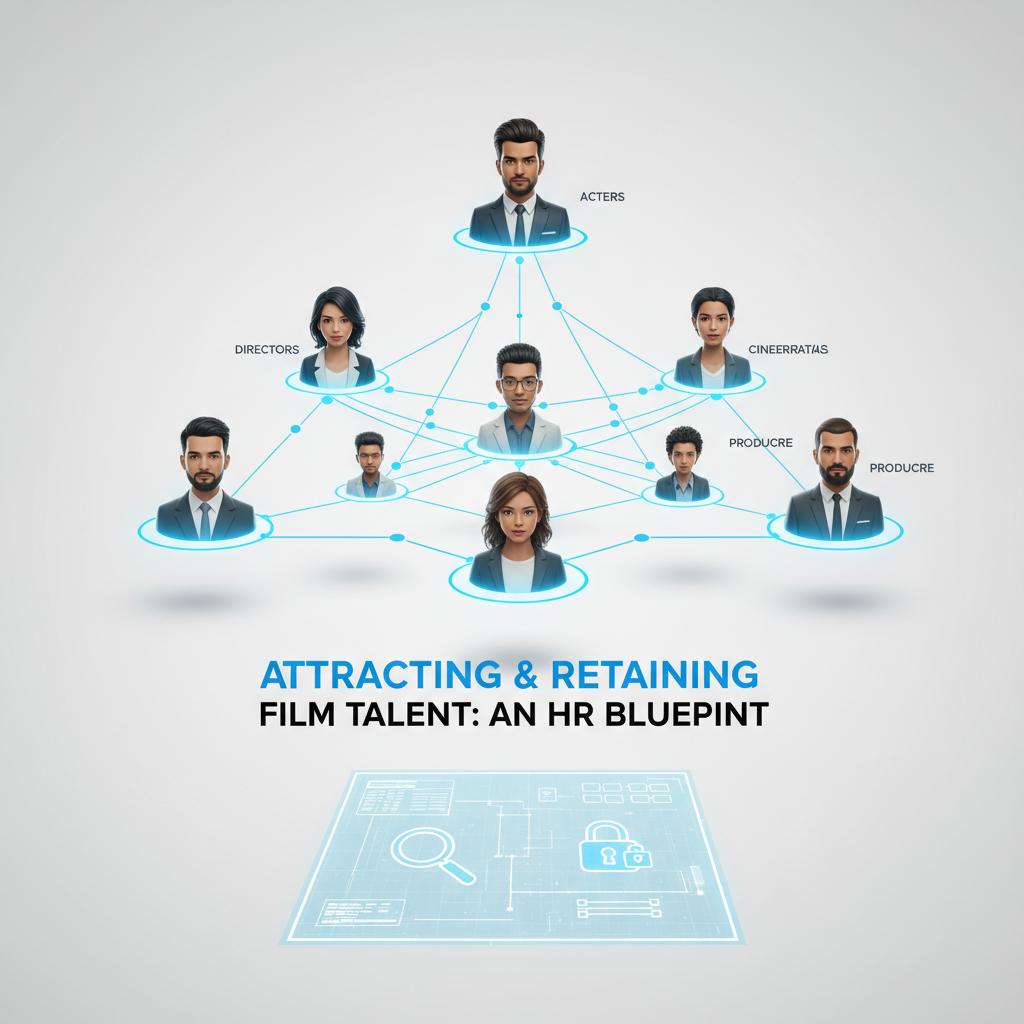
The unique dynamics of film production necessitate bespoke HR solutions. From identifying emerging talent to retaining seasoned professionals, every aspect of human capital management must be tailored. This includes robust managing employees in the creative industries, which emphasizes flexibility, project specificity, and fostering a collaborative environment.
-
Specialized recruitment for diverse film roles (crew, actors, directors)
Effective talent acquisition in film Malaysia demands a proactive, targeted approach. Unlike standard corporate hiring, film production requires securing a diverse array of specialized skills for roles ranging from cinematographers and sound designers to costume stylists and visual effects artists. The first step involves robust HR structures for SMEs the CEO in Films field in Malaysia that prioritize industry networking, talent scouting, and a deep understanding of evolving production needs. Building strong relationships with film schools, industry guilds, and freelance communities is crucial for identifying promising talent early on. Given the project-based nature, HR must excel at rapid deployment of teams, often leveraging databases of pre-vetted professionals. Strategies should also address film industry HR challenges related to temporary contracts and the need for immediate specialized expertise. Implementing diversity and inclusion in film hiring policies is not just ethical, but also vital for reflecting Malaysia’s rich cultural tapestry and creating authentic storytelling. This also extends to identifying and securing technical crew development opportunities, ensuring a pipeline of skilled individuals for future projects.
-
Performance management and project-based evaluations in film
Traditional annual performance reviews often fall short in the fast-paced, episodic world of film production. Instead, HR blueprints for the Malaysian film industry should focus on project-based HR solutions and continuous feedback mechanisms. Performance evaluations in film should be conducted at key milestones or upon project completion, assessing not just individual task execution but also collaborative effectiveness, problem-solving under pressure, and adaptability. These evaluations provide invaluable insights for future casting and team formation, contributing to better film production workforce planning. Furthermore, recognizing and rewarding contributions on a project-by-project basis is critical for freelance talent retention strategies. Clear communication of expectations at the outset of each project, coupled with constructive debriefs, helps foster a culture of continuous improvement. HR systems should be designed to track individual and team performance across multiple projects, building a comprehensive profile of each talent’s strengths and areas for growth within the unique context of the Malaysian film industry.
-
Nurturing creative talent and developing succession plans
Beyond initial recruitment, the long-term success of the Malaysian film industry relies on effective creative talent management Malaysia and strategic development. This involves creating pathways for skill development film industry professionals, offering access to workshops, masterclasses, and mentorship programs that enhance both creative and technical proficiencies. For HR structures for SMEs the CEO in Films field in Malaysia, investing in talent development ensures a steady supply of high-calibre professionals who can take on increasingly complex roles. Mentorship programs, where seasoned professionals guide emerging artists and technicians, are invaluable for knowledge transfer and fostering a sense of community. Furthermore, developing leadership development for film producers and directors ensures future project viability and strategic direction. Cultivating sustainable careers in Malaysian film requires more than just project opportunities; it demands support for career planning, portfolio development, and even financial literacy for freelancers. By proactively nurturing talent and establishing clear succession plans, the industry can ensure a robust, skilled workforce capable of driving cinematic excellence for years to come.
Implementing comprehensive HR structures for SMEs the CEO in Films field in Malaysia is not merely an administrative task; it is a strategic imperative. By focusing on specialized recruitment, adaptive performance management, and dedicated talent development, the Malaysian film industry can attract, retain, and empower the diverse and dynamic talent essential for its enduring success and international recognition.
Navigating HR Compliance & Operations for Malaysian Film SMEs
Operating a film business in Malaysia, particularly as an SME, presents a unique set of challenges and opportunities. Beyond creative vision and production logistics, managing human resources effectively and compliantly is paramount to sustainable success. This section delves into the critical legal, regulatory, and administrative aspects of HR specific to the Malaysian film industry, ensuring smooth and compliant operations for film SMEs. Establishing robust HR structures for SMEs the CEO in Films field in malaysia is not just a matter of adherence but a strategic advantage, fostering a professional environment, retaining talent, and mitigating risks inherent in project-based work. Effective talent management in film Malaysia and production HR best practices are crucial for the dynamic nature of the industry.
1. Malaysian labor laws and film industry-specific regulations
Understanding the bedrock of Malaysian employment law is the first step for any film SME. The primary legislation governing employment in Peninsular Malaysia is the Employment Act 1955 (EA 1955), which underwent significant amendments effective January 1, 2023. This Malaysian employment act dictates fundamental aspects such as working hours, leave entitlements (annual, sick, maternity, paternity), public holidays, minimum wage, termination procedures, and protection against discrimination. For Sabah and Sarawak, equivalent labour ordinances apply. Film production labor law also needs to consider specific industry nuances. While there aren’t many specific film industry labour regulations beyond general employment law, the project-based, often freelance nature of film work requires careful application of these laws. For instance, correctly classifying workers as employees or independent contractors is critical to avoid misclassification penalties regarding EPF SOCSO for film and EIS contributions. Film SMEs must ensure their employment contracts film are robust, clear, and fully compliant with the EA 1955. Additionally, adhering to the Industrial Relations Act 1967 is vital for managing industrial disputes and ensuring fair employment practices. Accessing the latest official information on these regulations, such as through the Employment Act 1955, is indispensable for Malaysian film HR compliance.
2. Payroll, benefits, and contract management for project-based work
The transient nature of film production necessitates specialized approaches to payroll, benefits, and contract management. Film crews are often engaged for specific projects, ranging from a few days to several months, making project-based contracts Malaysia common. Each engagement requires meticulously drafted employment contracts or service agreements that clearly define scope, duration, remuneration, intellectual property rights, and confidentiality clauses. Payroll for film crew must accurately account for varying daily rates, overtime, allowances, and mandatory statutory contributions like the Employees Provident Fund (EPF), Social Security Organization (SOCSO), and Employment Insurance System (EIS). Understanding the specific thresholds and calculation methods for these contributions is crucial for Malaysian film SMEs to avoid penalties. Furthermore, while comprehensive employee benefits packages might be less common for short-term project staff, employers must still ensure basic welfare provisions and, where applicable, provide statutory benefits such as maternity/paternity leave and sick leave. Effective talent management film Malaysia also involves managing performer royalties and rights, though this often falls under legal rather than core HR. Implementing robust HR compliance film industry frameworks ensures that all contractual obligations and statutory deductions are handled transparently and efficiently, supporting both the production house and its valuable crew members. Leveraging SME HR solutions Malaysia that are flexible enough for varying workforce types is key.
3. Health, safety, and welfare protocols for film sets and production houses
The dynamic and often high-risk environment of film sets demands stringent health, safety, and welfare protocols. The Occupational Safety and Health Act 1994 (OSHA 1994) is the cornerstone of workplace safety in Malaysia, requiring employers to ensure, so far as is practicable, the safety, health, and welfare of all their employees. For film SMEs, this translates into specific obligations: conducting thorough risk assessments for all production activities and locations, providing appropriate personal protective equipment (PPE), ensuring safe operation of equipment, managing electrical hazards, and implementing emergency response plans. Set safety regulations for film production must be clearly communicated and strictly enforced. This includes protocols for working at heights, handling pyrotechnics, managing heavy equipment, and dealing with potentially hazardous materials. Beyond physical safety, welfare aspects are equally important. Providing adequate breaks, access to clean drinking water and sanitary facilities, and protection against harassment are integral to a healthy working environment. Furthermore, ensuring mental well-being support, particularly during demanding production schedules, is an emerging best practice. Regular safety training for film crew and production staff is essential to embed a culture of safety. By prioritizing these safety and welfare measures, film SMEs not only comply with the law but also foster a responsible and productive environment, mitigating potential liabilities and safeguarding their most valuable asset: their people.
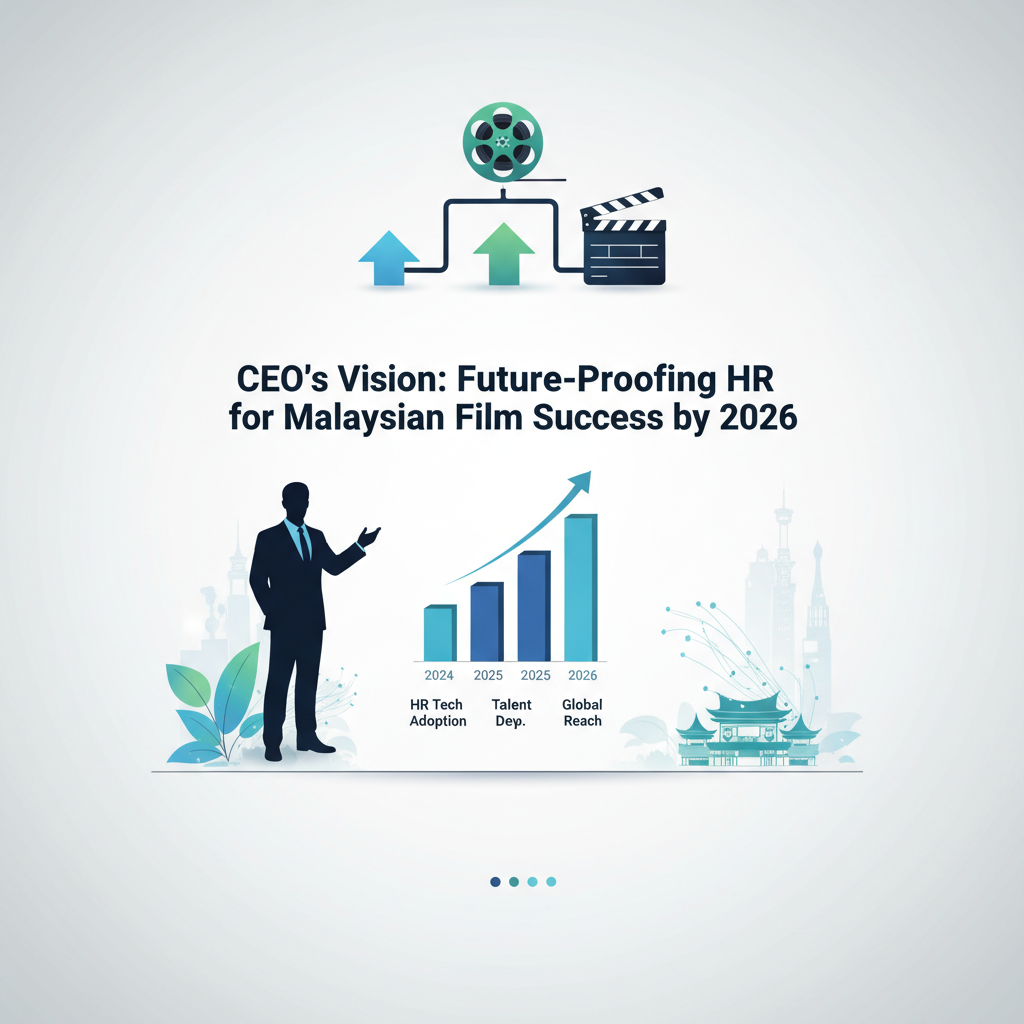
CEO’s Vision: Future-Proofing HR for Malaysian Film Success by 2026
This section emphasizes the strategic role of the CEO in shaping HR practices, anticipating future trends, and leveraging HR to drive sustained growth and innovation in the Malaysian film sector.
The Malaysian film industry stands at a pivotal juncture, poised for unprecedented growth and global recognition. Achieving this future success hinges not only on creative brilliance and financial acumen but critically on the strategic evolution of human resources. For HR structures for SMEs, the CEO in the Films field in Malaysia must adopt a visionary approach, integrating HR as a core business driver rather than a mere administrative function. This proactive stance ensures that the industry is equipped with agile talent management, robust workforce planning, and forward-thinking HR strategies that can navigate the dynamic creative landscape. The CEO’s leadership in this transformation is paramount, dictating the pace and direction of digital transformation within HR and fostering an organizational culture that champions innovation and resilience.
-
Strategic HR planning from the CEO’s perspective
From the CEO’s vantage point, HR is not just about hiring and firing; it’s about building a sustainable competitive advantage through people. Strategic HR planning involves forecasting future talent needs, identifying skill gaps, and developing proactive recruitment and retention strategies. For SMEs in the Malaysian film sector, this means understanding the ebb and flow of project-based work and establishing flexible frameworks that attract and keep top talent. The CEO must champion initiatives that foster an exceptional organizational culture, promoting diversity & inclusion, clear career pathways, and continuous skill development. This strategic oversight ensures that HR aligns with overarching business objectives, such as expanding market reach, enhancing production quality, and driving technological adoption. Effective performance management systems, coupled with robust HR analytics, provide critical insights, allowing the CEO to make data-driven decisions that optimize human capital and mitigate risks. This strategic vision is essential for cultivating a highly motivated and skilled workforce capable of delivering world-class cinematic experiences by 2026.
-
Leveraging technology in HR for film production (e.g., HRIS)
The embrace of digital transformation is non-negotiable for future-proofing HR in the film industry. CEOs must advocate for the adoption of sophisticated HR Information Systems (HRIS) tailored to the unique demands of film production. An integrated HRIS can streamline payroll, benefits administration, onboarding, and time tracking—critical for managing large, often temporary crews. Beyond basic administration, HRIS can facilitate advanced workforce planning, talent management, and even succession planning for key creative and technical roles. Technologies like AI-powered recruitment tools can help identify specialized skills, while cloud-based platforms enable seamless communication and collaboration, irrespective of geographical location. The CEO’s leadership in investing in and implementing these technologies ensures that HR operations are efficient, compliant, and data-rich. This technological leap not only reduces administrative burdens but also frees up HR professionals to focus on strategic initiatives like employee engagement, well-being, and developing innovative remote work strategies, crucial for a project-centric industry.
-
Adapting to evolving industry trends and global talent shifts
The film industry is in constant flux, influenced by technological advancements, changing consumer habits, and the evolving global talent landscape. CEOs must ensure HR departments are agile enough to adapt to these shifts, from the rise of the gig economy and freelance talent to the increasing demand for specialized skills in areas like virtual production and digital storytelling. This involves re-evaluating traditional employment models and developing flexible HR policies that can accommodate diverse contractual arrangements, ensuring fair compensation and compliance frameworks. Furthermore, attracting global talent requires competitive retention strategies, a focus on cultural integration, and robust skill development programs that keep the Malaysian workforce at the cutting edge. CEOs must foster an environment that not only welcomes but thrives on diversity & inclusion, recognizing it as a source of creative strength. By anticipating these trends and proactively shaping HR strategies, Malaysian film SMEs can not only withstand future challenges but also seize new opportunities for growth, cementing their place on the international stage by 2026 and beyond.
Partner with Shelby Global
You are looking for reliable HR Sevice Suppliers? Contact Shelby Global Now! To connect with verified talents and upgrade your orginization.
—————————————
References
– Employment Act 1955: https://www.mohr.gov.my/index.php/en/legislation/acts/acts-enacted-by-parliament/employment-act-1955
– Deloitte on Global Human Capital Trends: https://www2.deloitte.com/us/en/insights/focus/human-capital-trends.html
– Managing employees in the creative industries: https://www.cipd.org/uk/knowledge/factsheets/creative-industries-factsheet/
– Employment Act 1955: https://www.agc.gov.my/agcportal/uploads/files/Federal%20Laws/Employment%20Act%201955%20(Act%20265)%20%5BJ.M.L.A.%20-%20P.U.(A)%2049%20of%202022%5D.pdf
– World Economic Forum: The Future of Jobs Report: https://www.weforum.org/reports/the-future-of-jobs-report-2023/



































































































