
Understanding the Unique HR Landscape in Malaysian Entertainment SMEs
Malaysia’s entertainment sector is a vibrant, rapidly evolving ecosystem, characterized by innovation in film, music, digital content, and live events. Within this dynamic environment, Small to Medium-sized Enterprises (SMEs) often serve as the backbone, driving creativity and contributing significantly to the cultural economy. However, for CEOs leading these entertainment SMEs, managing human resources presents a distinct set of challenges and opportunities. Unlike traditional industries, the entertainment field demands a specialized approach to HR, influenced by project-based work, the scarcity of niche talent, and the inherent volatility of creative ventures. Understanding and adapting to these unique demands is crucial for sustainable growth and competitive advantage, especially when formulating effective HR structures for SMEs in the Entertainment field in Malaysia.
1. Talent Acquisition & Retention Challenges for Creative Roles
The quest for exceptional talent in Malaysian entertainment SMEs is often akin to searching for a needle in a haystack. Creative roles – from scriptwriters and animators to sound engineers and visual effects artists – require specialized skills, artistic flair, and often, a unique personality fit. SMEs face intense competition from larger, more established production houses and multinational companies that can offer more lucrative packages and extensive benefits. For a CEO of an entertainment SME, attracting these high-demand individuals means looking beyond standard recruitment tactics. The project-based nature of many entertainment gigs also makes long-term retention difficult, as creative professionals often seek varied experiences and new challenges. SMEs must therefore cultivate a strong employer brand, emphasizing creative freedom, opportunities for impactful work, and a supportive, collaborative culture. Strategies might include offering flexible work arrangements, continuous learning and upskilling opportunities, and fostering an environment where artistic contributions are genuinely valued and recognized.
2. Navigating Malaysian Labor Laws & Entertainment Industry Specifics
Operating within Malaysia’s legal framework adds another layer of complexity for entertainment SMEs. While the Malaysian Employment Act 1955 (and its subsequent amendments) provides a general guideline for employment practices, the entertainment industry often operates with non-traditional employment models. Freelancers, independent contractors, and project-specific hires are commonplace, blurring the lines between employee and contractor status. CEOs must be acutely aware of their obligations regarding social security contributions (SOCSO, EPF), statutory benefits, working hours, and termination protocols, even for temporary staff. Misclassification can lead to significant legal and financial repercussions. Furthermore, specific industry practices, such as variable work schedules dictated by production timelines, remote collaborations, and intellectual property rights for creative works, require careful structuring of contracts and HR policies. Ensuring compliance while maintaining operational flexibility is a delicate balancing act that demands proactive legal consultation and robust HR documentation tailored to the industry’s nuances.
3. Budget Constraints vs. Competitive HR Practices
Perhaps one of the most persistent hurdles for Malaysian entertainment SMEs is the perpetual tension between limited financial resources and the necessity of competitive HR practices. Larger industry players can leverage economies of scale to offer attractive salary packages, comprehensive health benefits, robust training programs, and sophisticated HR technologies. In contrast, SMEs often operate on tighter budgets, making it challenging to match these offerings. This disparity directly impacts their ability to attract and retain top talent. CEOs must innovate by finding creative ways to compensate and motivate their workforce beyond just salary. This could involve offering equity or profit-sharing schemes, developing strong mentorship programs, providing unique perks like access to industry events or specialized equipment, and investing in employee well-being initiatives that don’t break the bank. Building a strong company culture where employees feel valued and have opportunities for professional growth can often outweigh a higher salary for many creative individuals. Strategic investment in HR, even with limited funds, focuses on high-impact areas that directly support the creative output and long-term vision of the enterprise.
In conclusion, the HR landscape for Malaysian entertainment SMEs is a complex tapestry woven with threads of artistic endeavor, legal intricacies, and economic realities. For the CEO, it requires more than just administrative oversight; it demands strategic foresight, a deep understanding of creative talent, and an agile approach to navigating both opportunities and constraints. By embracing tailored HR structures that prioritize talent development, legal compliance, and innovative compensation strategies, these SMEs can not only overcome their inherent challenges but also thrive as vital contributors to Malaysia’s vibrant entertainment future.
Foundational HR Structures for Lean Entertainment SMEs
For CEOs leading Small and Medium-sized Enterprises (SMEs) in Malaysia’s vibrant entertainment sector, establishing robust yet lean HR structures is paramount. With limited resources, the focus must be on efficiency and compliance, laying a solid HR foundation that supports growth without becoming an administrative burden. This section outlines essential HR frameworks, emphasizing pragmatic approaches to build a compliant and productive workforce.
1. Setting up Basic HR Policies & Procedures
Crucial for any SME, particularly within the dynamic entertainment industry, establishing clear HR policies and procedures forms the bedrock of compliance and operational efficiency. For a CEO in an entertainment SME in Malaysia, this isn’t just about ticking boxes; it’s about creating a transparent, fair, and legally compliant workplace. Basic policies should cover employee code of conduct, leave management (in line with Malaysian labor laws such as the Employment Act 1955), grievance handling, disciplinary procedures, and health and safety guidelines. These policies provide employees with clear expectations and recourse, while simultaneously protecting the company from potential disputes and legal challenges. Developing a concise employee handbook, even a digital one, serves as an invaluable resource. This foundational step in building effective HR structures for SMEs the CEO in Entertainment field in Malaysia ensures consistency in decision-making and reduces ambiguity, fostering a professional work environment where creative talent thrives. Focusing on HR compliance Malaysia from the outset minimizes future risks and supports sustainable growth.
2. Role of HR Generalist or Outsourced HR Solutions
For lean entertainment SMEs, the decision of how to manage HR functions often boils down to two primary paths: hiring an internal HR generalist or engaging outsourced HR solutions. An HR generalist, especially one with experience in the Malaysian context, can provide dedicated in-house support, deeply understanding the company culture and specific needs of creative teams. They handle day-to-day HR operations, from recruitment to employee relations, ensuring seamless integration. However, the cost of a full-time, experienced generalist might be prohibitive for smaller operations. This is where outsourced HR solutions shine. By leveraging specialist firms, entertainment SMEs access broad expertise, including legal compliance, payroll processing, and complex HR advisory, often at a fraction of the cost of a full-time hire. This allows the CEO and core team to focus on creative and business development, offloading administrative burdens. This approach provides scalable support that grows with the company, making it ideal for a lean HR approach. The choice hinges on the SME’s current budget, growth trajectory, and the specific complexities of their HR needs.
3. Digital Tools for Core HR Functions (Payroll, Leave Management)
In today’s digital age, even the smallest entertainment SME can significantly enhance its HR efficiency through strategic adoption of digital tools. Modern HR Information Systems (HRIS) and Human Capital Management (HCM) platforms, often available on cloud-based subscriptions, offer robust solutions for core HR functions like payroll processing, leave management, and employee data administration. For a CEO overseeing HR structures for SMEs the CEO in Entertainment field in Malaysia, these tools are game-changers. Automating payroll ensures accuracy and compliance with Malaysian tax regulations (LHDN) and EPF/SOCSO contributions, drastically reducing the risk of errors and penalties. Similarly, digital leave management systems simplify application, approval, and tracking of all statutory leaves, providing a clear overview of employee availability and entitlements. Beyond these, such platforms often include modules for attendance tracking, performance management, and even basic recruitment. Implementing these digital solutions not only saves time and reduces administrative overhead but also improves data accuracy, enhances employee self-service, and provides valuable insights into workforce trends. For entertainment companies, where agility and creativity are key, leveraging these technologies allows HR to be a strategic enabler rather than a mere administrative function, contributing to a truly efficient and compliant operation.
Strategic HR Planning for Growth: Beyond Basic Compliance
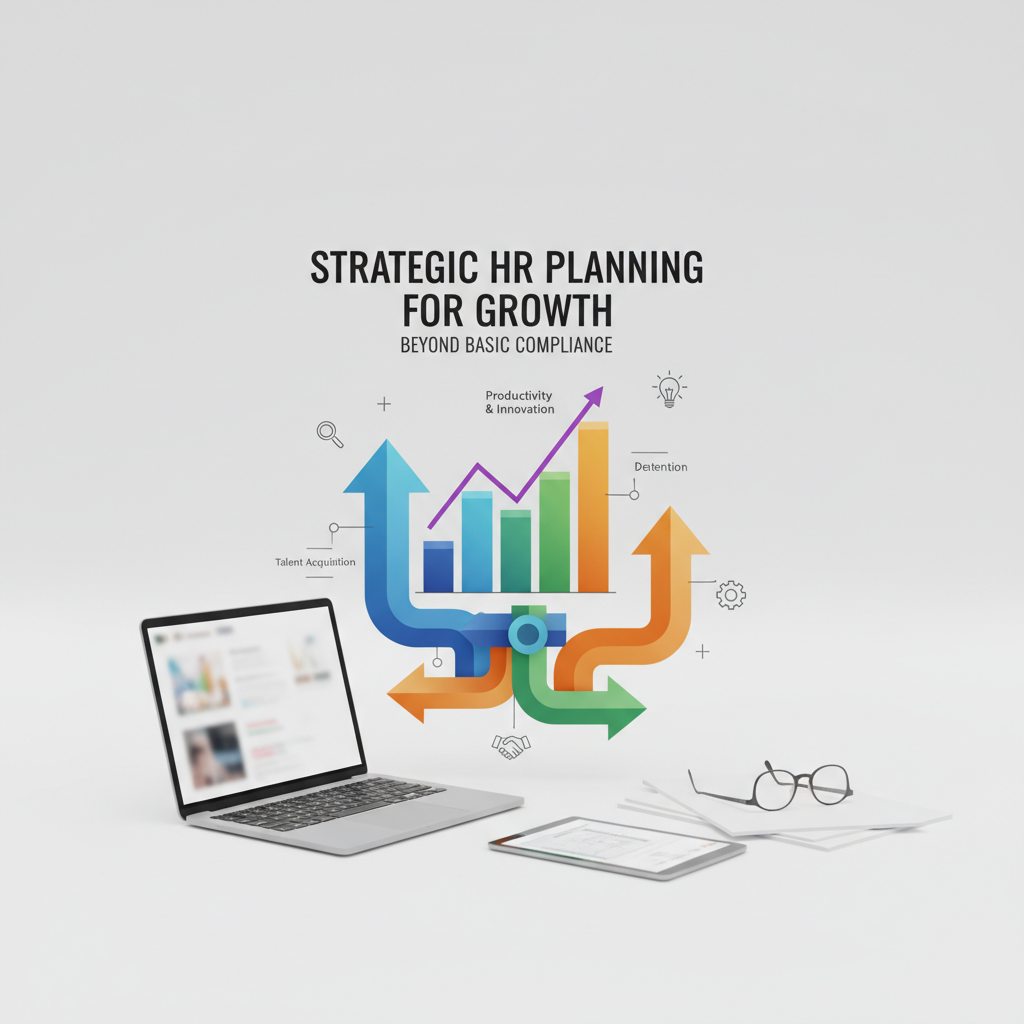
For CEOs in Malaysia’s dynamic entertainment industry, human resources extend far beyond mere administrative tasks or regulatory adherence. In a sector fueled by creativity, innovation, and specialized talent, strategic HR planning is not just an advantage—it’s a critical growth engine. Evolving your HR strategies means building robust HR structures for SMEs, the CEO in entertainment field in Malaysia, that attract, nurture, and retain the best creative minds. This shift from basic compliance to proactive talent development is essential for sustainable business growth and navigating the competitive landscape of local and international markets.
Moving beyond foundational HR, strategic planning enables entertainment businesses to cultivate a workforce capable of adapting to rapid industry shifts, technological advancements, and evolving consumer demands. It’s about creating an environment where talent thrives, leadership is continuously developed, and the company culture fosters innovation and loyalty. This section guides you through key areas where strategic HR can transform your entertainment SME into a powerhouse of creativity and productivity.
1. Performance Management & Talent Development in Creative Teams
Traditional performance reviews often fall short in evaluating and developing creative talent. For entertainment SMEs, effective performance management must embrace the unique dynamics of creative work, focusing on project-based outcomes, collaboration, and continuous feedback rather than rigid annual assessments. Implement agile performance management systems that encourage regular check-ins, peer feedback, and self-assessment, allowing creative professionals to reflect on their contributions and areas for growth. Tailor development plans to individual aspirations and project needs, offering opportunities for cross-functional learning, mentorship, and access to industry-specific workshops. Investing in modern performance management strategies not only motivates creative teams but also aligns their personal development with the company’s strategic goals, ensuring a steady stream of highly skilled professionals ready to tackle new challenges in film, music, gaming, or digital content production.
2. Succession Planning for Key Roles
In the entertainment industry, key roles—such as creative directors, lead producers, head writers, or technical specialists—are often indispensable. The unexpected departure of such individuals can create significant operational gaps and threaten project continuity. Strategic succession planning mitigates this risk by identifying critical positions and preparing internal candidates to step into those roles. This involves talent mapping, which assesses current employee skills and future potential, alongside robust leadership development programs. Foster a culture of continuous learning and mentorship where experienced professionals guide emerging talent. Cross-training and job rotation can expose employees to different facets of the business, broadening their skill sets and readiness for greater responsibilities. For Malaysian entertainment SMEs, proactive succession planning ensures business continuity, preserves institutional knowledge, and creates clear career pathways that enhance employee loyalty and retention in a fiercely competitive talent market.
3. Fostering a Positive Company Culture & Employee Engagement
A vibrant, supportive company culture is the bedrock of success in any creative enterprise. For entertainment SMEs, fostering a positive environment and high employee engagement translates directly into innovation, productivity, and reduced turnover. Encourage open communication channels where ideas are valued, and feedback is actively sought. Implement recognition programs that celebrate both individual achievements and team successes, reinforcing a sense of belonging and appreciation. Prioritize work-life balance, understanding the demanding nature of project-based work, and offer flexible arrangements where possible. Diversity, equity, and inclusion initiatives are also crucial, ensuring that all employees feel respected, heard, and empowered to contribute their unique perspectives. An engaged workforce, characterized by high morale and a strong sense of purpose, becomes your most potent asset, driving creative excellence and solidifying your reputation as an employer of choice within Malaysia’s entertainment landscape.
The CEO’s Role in Shaping HR: A Vision for 2026
In the dynamic and rapidly evolving Malaysian entertainment landscape, the role of the CEO extends far beyond traditional business development and financial oversight. To ensure enduring business resilience, foster innovation, and maintain a competitive edge, the CEO must strategically lead human resources initiatives. By 2026, a forward-thinking CEO will view HR not merely as an administrative function, but as a pivotal strategic partner that drives growth, cultivates talent, and adapts to future challenges. This vision demands a proactive approach, fundamentally reshaping optimized HR structures for the Malaysian entertainment sector, especially for SMEs, to thrive amidst increasing digital transformation and shifting audience demands.
1. Aligning HR Strategy with Business Goals
The core responsibility of the CEO in shaping HR is to ensure a seamless alignment between human resource strategies and overarching business objectives. For entertainment SMEs in Malaysia, this means HR is intricately linked to content creation, audience engagement, and revenue generation. A CEO must champion an HR strategy that directly supports growth initiatives, whether it’s expanding into new digital platforms, launching international collaborations, or diversifying content portfolios. This involves meticulous workforce planning to identify skill gaps, project future talent needs, and develop a robust talent pipeline. For instance, if the business goal is to produce more animation content, HR must be tasked with attracting and developing animators, storytellers, and technical artists. The CEO’s consistent communication and clear articulation of business priorities will empower HR leaders to craft policies and programs that directly contribute to these goals, fostering a culture where every hire and every training initiative serves a strategic purpose. Without this direct CEO involvement, HR risks becoming siloed, unable to fully support the organization’s strategic trajectory in a fast-paced industry like entertainment.
2. Embracing Diversity, Equity, and Inclusion (DEI)
Innovation in entertainment thrives on diverse perspectives. A visionary CEO recognizes that embracing Diversity, Equity, and Inclusion (DEI) is not just a moral imperative but a significant competitive advantage. By 2026, leading entertainment companies in Malaysia will be those whose CEOs have championed a truly inclusive workplace. This means actively dismantling unconscious biases in hiring and promotion, creating equitable opportunities for all employees, and fostering an environment where diverse voices are heard and valued. From content creation that resonates with a broader audience to fostering a creative atmosphere that sparks novel ideas, the proven benefits of diverse teams are undeniable. The CEO must lead by example, setting clear DEI targets, investing in inclusive leadership training, and ensuring that representation is reflected across all levels of the organization. This commitment to DEI enhances talent attraction, broadens creative outputs, and strengthens the brand’s connection with Malaysia’s multicultural audience, ultimately securing long-term business resilience and innovation.
3. Preparing for Future Workforce Trends & Technological Shifts
The entertainment industry is on the cusp of significant technological disruption, from AI-driven content generation and virtual production to the rise of the gig economy and remote work models. The CEO’s forward-thinking leadership is crucial in preparing the workforce for these shifts. This entails a proactive approach to skill development and continuous learning, ensuring employees are equipped with the digital competencies and adaptable mindsets required for tomorrow’s roles. CEOs must encourage HR to implement robust upskilling and reskilling programs, focusing on areas like data analytics, AI literacy, digital marketing, and new production technologies. Furthermore, the CEO should guide HR in navigating the complexities of a hybrid workforce, balancing the benefits of flexibility with the need for strong team cohesion and organizational culture. This strategic foresight in talent management and organizational design will enable entertainment companies to quickly adopt new technologies, integrate emerging talent, and pivot business models effectively, ensuring organizational agility in a rapidly changing landscape.
In conclusion, the CEO’s active involvement in shaping HR strategy is paramount for entertainment businesses in Malaysia looking towards 2026 and beyond. By strategically aligning HR with business goals, championing DEI, and proactively preparing for future workforce and technological trends, CEOs can transform HR into a powerful engine for innovation, resilience, and sustained success in a competitive global market. This leadership ensures that human capital remains the most valuable asset, driving both creative excellence and commercial viability.
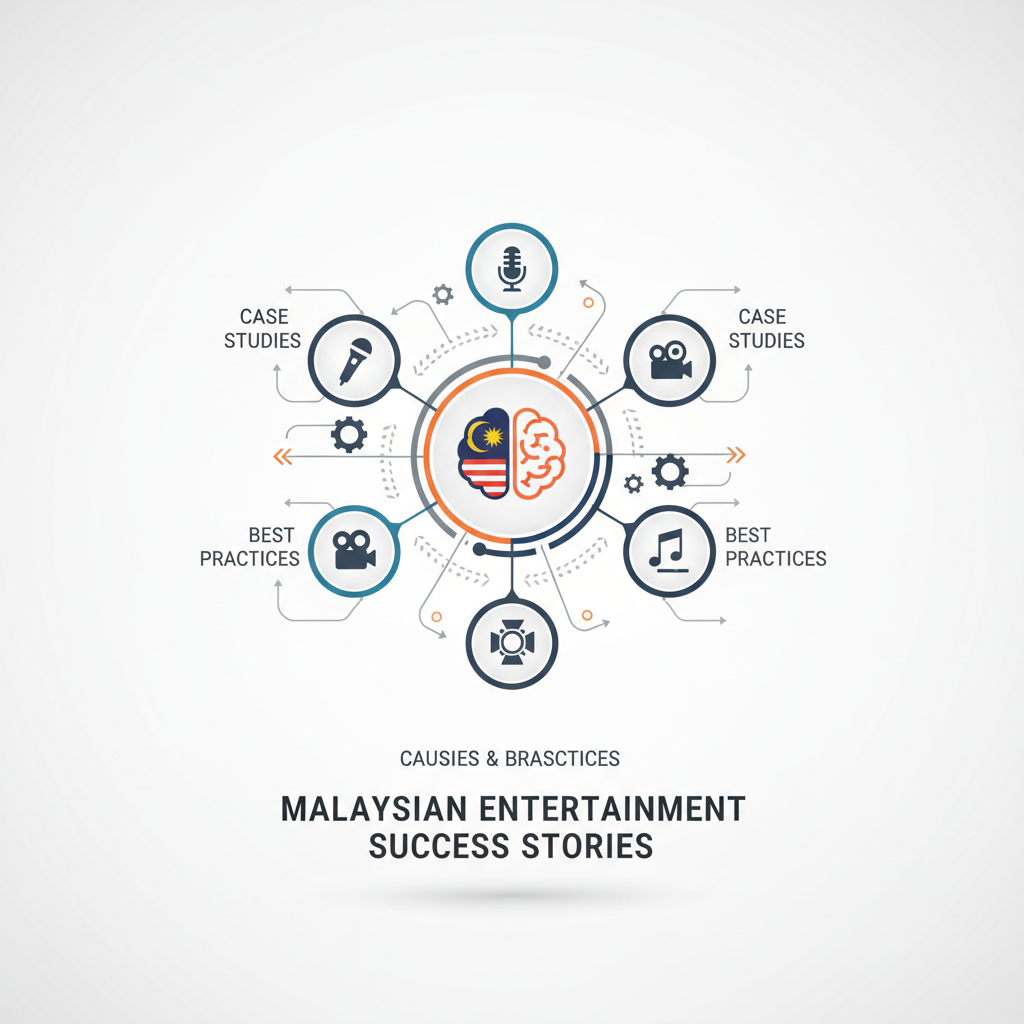
Case Studies & Best Practices: Malaysian Entertainment Success Stories
The vibrant and dynamic Malaysian entertainment industry, though often dominated by agile small and medium-sized enterprises (SMEs), faces unique HR challenges. For the CEO leading an entertainment SME, establishing robust HR structures for SMEs the CEO in Entertainment field in malaysia is not merely an administrative task but a strategic imperative. Effective human resource management directly impacts creativity, project delivery, and ultimately, profitability. This section delves into practical insights, adapting global best practices, and crucial metrics to ensure HR contributes meaningfully to the bottom line.
1. Insights from local entertainment companies
Malaysian entertainment SMEs, from independent film production houses to burgeoning digital content creators, often thrive on the passion and unique talents of their teams. A common thread among successful local players is their approach to talent management in creative industries. Take, for instance, a hypothetical animation studio in Kuala Lumpur. Initially struggling with high turnover rates due to demanding project cycles, their CEO realized that conventional HR models weren’t effective. They implemented a flexible HR strategy focusing on:
- Project-Based Contracts with Benefits: Offering competitive project-based remuneration alongside health benefits and training allowances, mirroring the stability of permanent roles while retaining flexibility.
- Mentorship & Skill Development: Establishing internal mentorship programs and funding specialized workshops (e.g., advanced animation software, storytelling techniques) to foster continuous growth and loyalty.
- Culture of Open Feedback: Creating avenues for regular, constructive feedback, ensuring creative teams feel heard and valued, which is crucial for retaining artistic talent.
These tailored HR structures for SMEs the CEO in Entertainment field in malaysia demonstrate that success often hinges on understanding the specific needs and aspirations of creative professionals, moving beyond generic HR templates to cultivate a nurturing yet productive environment.
2. Adapting global HR best practices to the Malaysian context
While global HR frameworks offer valuable guidance, their effective implementation within the Malaysian entertainment landscape requires careful adaptation. Best practices like performance management, diversity & inclusion, and learning & development need to be localized to resonate with the workforce and comply with local regulations. For instance:
- Performance Management: Instead of rigid annual reviews, many Malaysian entertainment SMEs are adopting continuous feedback loops and project-specific appraisals. This aligns better with fast-paced production schedules and iterative creative processes, making performance discussions more relevant and timely.
- Diversity & Inclusion (D&I): Beyond race and gender, D&I in Malaysia also encompasses various ethnic groups, languages, and religious observances. Successful companies ensure their policies and workplace culture are inclusive of these diverse backgrounds, fostering a richer creative environment.
- Learning & Development: Global trends emphasize personalized learning paths. In Malaysia, this translates into identifying niche skill gaps within the local industry (e.g., specific VFX techniques, cross-cultural storytelling) and investing in training that directly addresses these, ensuring the workforce remains competitive.
Understanding these nuances helps mitigate common HR challenges entertainment SMEs face, such as attracting and retaining specialized talent in a competitive market. For CEOs aiming to build resilient teams, consulting resources like the Society for Human Resource Management (SHRM) small business section can provide foundational knowledge adaptable to the Malaysian context.
3. Measuring HR effectiveness & ROI for SMEs
For the CEO of an entertainment SME, demonstrating the return on investment (ROI) of HR initiatives is crucial. Unlike larger corporations with dedicated HR analytics departments, SMEs need practical, streamlined approaches to measure effectiveness. Key metrics and approaches include:
- Employee Turnover Rate: Tracking this by department or project can highlight specific issues. A lower turnover rate in creative teams, for example, indicates successful retention strategies and a positive work environment.
- Project Completion Rates & Quality: While not solely HR, HR initiatives like effective staffing, training, and employee engagement entertainment sector contribute significantly to on-time, high-quality project delivery.
- Employee Engagement Scores: Simple, regular pulse surveys can gauge employee satisfaction and identify areas for improvement. High engagement often correlates with increased productivity and creativity.
- Time-to-Hire: Reducing the time it takes to fill critical creative roles minimizes project delays and associated costs.
- Training Effectiveness: Post-training assessments or observable changes in performance can quantify the impact of development programs.
By regularly monitoring these indicators, CEOs can make data-driven decisions regarding their HR structures for SMEs the CEO in Entertainment field in malaysia, ensuring that every investment in people yields tangible business benefits. Strategic HR is not just about compliance; it’s about building a sustainable, creative powerhouse.
Partner with Shelby Global
You are looking for reliable HR Sevice Suppliers? Contact Shelby Global Now! To connect with verified talents and upgrade your orginization.
—————————————
References
– Malaysian Employment Act 1955 Overview: https://www.zicolaw.com/resources/publications/malaysian-employment-act-1955-an-overview/
– :
– The Future of Performance Management: https://www.shrm.org/resources-and-tools/hr-topics/talent-management/future-of-performance-management/
– Diversity wins: How inclusion matters: https://www.mckinsey.com/capabilities/people-and-organizational-performance/our-insights/diversity-wins-how-inclusion-matters
– Small Business HR Topics – SHRM: https://www.shrm.org/resourcesandtools/hr-topics/small-business/pages/default.aspx



































































































