The Unique HR Landscape for Singapore Marketing SMEs
Explores the specific challenges and opportunities for HR within small to medium-sized marketing agencies operating in Singapore’s dynamic market.
The vibrant economic landscape of Singapore presents a unique set of circumstances for its Small and Medium-sized Enterprises (SMEs), particularly within the fast-paced marketing sector. For these agile agencies, the role of Human Resources (HR) is often a critical, yet frequently underestimated, function. Unlike larger corporations with dedicated HR departments, the HR structures for SMEs, the CEO in marketing agency in singapore often falls squarely on the shoulders of the founder or a senior leader. This necessitates a strategic and adaptable approach to managing people, culture, and compliance, all while driving business growth in a highly competitive environment. Understanding this unique landscape is paramount for any marketing SME aiming for sustainable success.

1. Defining ‘SME’ in the Singapore Marketing Context
In Singapore, an SME is generally defined by the Singapore Department of Statistics as a company with at least 30% local shareholding and an annual turnover of up to S$100 million, or with not more than 200 employees. For marketing agencies, this definition often translates into lean teams, typically ranging from a handful to perhaps 50-70 creative and strategic professionals. This scale significantly shapes their HR needs and capabilities. A smaller headcount means that every hire is critical, and every departure can have a disproportionate impact on project delivery and team morale. Unlike larger marketing firms that might have established HR departments handling everything from talent acquisition to payroll and employee relations, smaller agencies often have a more fluid, integrated HR function. The CEO or a General Manager usually oversees fundamental HR practices, supported by external consultants for specialized areas like legal compliance or complex talent development. This “lean HR” model demands efficiency, clear communication, and a strong understanding of core HR principles, especially when scaling operations or managing diverse project teams.
2. Talent Wars: Attracting & Retaining Creative Minds
Singapore’s marketing sector is a melting pot of global and local talent, making the “talent wars” particularly intense for SMEs. Attracting and retaining creative minds – strategists, designers, copywriters, digital marketers, and account managers – requires more than just competitive salaries. SMEs often cannot match the extensive benefit packages of multinational corporations. Instead, their HR strategies must leverage unique selling propositions: a vibrant company culture, opportunities for rapid professional growth, direct impact on client work, and a flexible work environment. Effective Key Employment Terms are crucial to ensure clarity and fairness. Building a compelling employer brand through genuine employee testimonials and showcasing impactful projects becomes vital. Retention strategies must focus on meaningful employee engagement, continuous learning and development opportunities (perhaps through micro-learning or project-based upskilling), and fostering a sense of belonging. Recognizing and rewarding contributions, even through non-monetary means, plays a significant role in keeping high-performing creative professionals motivated and committed to the agency’s vision.
3. Navigating Local Labor Laws & Cultural Nuances
Operating in Singapore means adhering to a robust framework of labor laws designed to protect both employers and employees. For marketing SMEs, navigating regulations such as the Employment Act, Central Provident Fund (CPF) contributions, foreign worker quotas, and fair consideration guidelines can be complex. Ignorance is not an excuse, and non-compliance can lead to significant penalties and reputational damage. HR functions, even if handled by the CEO, must stay updated on the latest amendments and best practices. Beyond legal compliance, understanding Singapore’s unique cultural nuances is equally important. The multicultural workforce requires sensitivity towards different communication styles, religious observances, and national holidays. Cultivating an inclusive workplace culture that respects diversity and promotes open dialogue is not just good practice; it’s essential for team cohesion and creativity within a marketing agency. Implementing clear HR policies, even basic ones, on matters like leave, grievances, and performance management, provides a structured environment that benefits both the employer and the valuable creative assets they employ. Professional development in areas like HR compliance and cultural sensitivity can further empower leaders to manage their teams effectively.
In conclusion, the HR landscape for Singaporean marketing SMEs is characterized by unique challenges in talent acquisition and retention, coupled with the critical need for compliance within a specific legal and cultural framework. However, these challenges also present opportunities for innovation. By adopting agile HR structures, focusing on a strong employer brand that emphasizes culture and growth, and meticulously adhering to local regulations, marketing agencies can not only overcome these hurdles but also foster a highly engaged, productive, and compliant workforce. Strategic HR, even in its leanest form, is not merely an administrative overhead but a fundamental pillar for success in Singapore’s dynamic marketing ecosystem.
Choosing the Right HR Model: In-House, Outsourced, or Hybrid?
For a CEO leading a marketing agency in Singapore, navigating the complexities of human resources can be as challenging as securing a major client. The decision regarding your HR operational model — whether to build an in-house team, outsource completely, or adopt a hybrid approach — is pivotal. It directly impacts your agency’s efficiency, compliance, talent acquisition, and ultimately, its strategic growth goals. This section examines various HR structures for SMEs the CEO in marketing agency in singapore, helping you determine which model best suits your firm’s size, budget, and ambitious vision.
1. Pros and Cons of Dedicated In-House HR
A dedicated in-house HR function offers unparalleled control and a deep understanding of your agency’s unique culture. This model fosters closer employee relationships, enabling immediate support and tailored interventions, crucial for maintaining morale and addressing specific team needs in a fast-paced marketing environment. An in-house HR manager can act as a strategic partner, deeply integrating with business objectives, contributing to talent management, and ensuring that HR policies align perfectly with your agency’s brand identity and values.
However, the benefits come with significant considerations. For small to medium-sized enterprises (SMEs), the cost of a full-time, experienced HR professional (including salary, benefits, and overheads) can be substantial. Furthermore, a single in-house generalist may lack the specialized expertise required for complex areas such as advanced HR strategy, legal compliance specific to Singapore’s evolving labour laws, or intricate compensation and benefits design. This can lead to a heavy administrative burden, diverting focus from strategic initiatives, and potentially leaving gaps in critical HR services.
2. Leveraging HR Outsourcing for Efficiency and Expertise
HR outsourcing presents a compelling alternative, especially for agencies seeking to minimize operational costs while gaining access to a broader spectrum of HR expertise. By engaging an external HR services provider, your marketing agency can offload time-consuming administrative tasks like payroll processing, benefits administration, and compliance management. This allows your internal teams to concentrate on core business activities, driving client success and innovation.
One of the primary advantages of outsourcing is access to specialized knowledge. Outsourcing partners often employ teams of experts in various HR domains, from employment law and talent acquisition to performance management and HR technology. This ensures that your agency remains compliant with regulations and benefits from best practices without the need to hire multiple specialists. For instance, managing complex HR functions efficiently, such as navigating Singapore’s CPF contributions or work permit applications, becomes streamlined and less prone to errors. While outsourcing offers efficiency and expertise, potential drawbacks include a perceived loss of control, challenges in cultural integration, and ensuring that the external provider truly understands your agency’s unique needs and values.
3. Building a Flexible Hybrid HR Solution
Recognizing the strengths and weaknesses of both purely in-house and fully outsourced models, many forward-thinking marketing agencies are adopting a hybrid HR approach. This model strategically combines internal HR capabilities with external specialized support, offering maximum flexibility and scalability. For example, an agency might retain a lean in-house HR manager responsible for culture, employee relations, and strategic HR initiatives, while outsourcing transactional functions like payroll, benefits administration, or recruitment for specific roles.
A hybrid model allows CEOs to optimize resources, ensuring that critical, culture-shaping HR functions remain under direct internal control. Simultaneously, it provides cost-effective access to expert-level services for areas requiring specialized knowledge or high volume, without the overhead of full-time staff. This approach is particularly advantageous for growing marketing agencies that need to scale their HR services in response to fluctuating demands. It enables agencies to maintain a strong internal HR presence for employee engagement and strategic planning, while leveraging external partners for compliance, specialized training, or handling surges in hiring. The key to a successful hybrid model lies in clearly defining roles and responsibilities between the internal team and external providers, ensuring seamless integration and consistent communication to support your agency’s evolving talent management needs.
Strategic Recruitment & Talent Development for Growth
In the dynamic and hyper-competitive landscape of modern marketing, particularly in thriving hubs like Singapore, a marketing agency’s sustained success hinges not just on innovative campaigns but equally on its ability to attract, hire, and cultivate exceptional talent. For CEOs leading marketing agencies in Singapore, establishing robust HR structures for SMEs is paramount. These structures are the backbone of effective talent management, ensuring scalability and sustained growth. This section delves into strategic approaches for finding, hiring, and developing top-tier professionals, transforming human capital into a competitive advantage.

1. Crafting Compelling Employer Branding in Marketing
In an industry where creativity and innovation are king, a marketing agency’s employer brand is its most potent recruitment tool. It’s not enough to merely offer a job; agencies must sell a vision, a culture, and a unique opportunity. Crafting a compelling employer brand involves showcasing the agency’s values, its exciting projects, its collaborative environment, and the professional growth prospects it offers. This goes beyond standard job descriptions, extending to active storytelling on social media, industry events, and employee testimonials. Potential hires are increasingly evaluating workplace culture and alignment with personal values, making a strong employer brand indispensable. By clearly articulating what makes your agency a desirable place to work – perhaps its agile approach to client challenges or its commitment to employee well-being – you can significantly reduce time-to-hire and attract individuals who are a perfect fit. Furthermore, a strong employer brand can reduce recruitment costs and improve retention rates, fostering a stable and high-performing team. Harvard Business Review highlights the importance of authenticity in employer branding, emphasizing that a genuine portrayal of company culture is crucial for attracting the right talent.
2. Performance Management & Goal Setting for Creatives
Managing and evaluating performance in a creative field presents unique challenges compared to traditional corporate roles. For marketing agencies, effective performance management for creatives requires a nuanced approach that balances quantitative results with qualitative impact. Goal setting should be collaborative, encouraging creatives to take ownership while aligning with broader agency objectives. Rather than rigid KPIs, focus on OKRs (Objectives and Key Results) that allow for flexibility, experimentation, and a clear understanding of expected outcomes. Regular, constructive feedback sessions are crucial, moving beyond annual reviews to continuous dialogue. This involves celebrating successes, identifying areas for development, and providing resources for skill enhancement. Tools that facilitate project tracking and peer feedback can be invaluable in creating a transparent and supportive environment where creatives feel valued and motivated to push boundaries. A well-structured performance management system ensures that every team member understands their contribution to the agency’s mission, fostering a culture of accountability and continuous improvement vital for growth and scalability.
3. Succession Planning & Leadership Development Pathways
Sustainable growth for a marketing agency isn’t just about current performance; it’s about preparing for tomorrow. Succession planning and robust leadership development pathways are critical components of a forward-thinking talent strategy. This involves identifying high-potential employees early on and investing in their growth through mentorship programs, specialized training, and opportunities for increased responsibility. For SMEs in Singapore’s marketing sector, where talent competition is fierce, cultivating internal leaders ensures continuity, preserves institutional knowledge, and fosters a strong sense of loyalty among staff. Developing clear pathways for career progression—from junior roles to senior leadership—not only motivates existing employees but also serves as a powerful attraction for prospective talent looking for long-term career prospects. By proactively preparing a pipeline of future leaders, agencies can mitigate risks associated with key personnel departures, ensure smooth transitions, and maintain strategic direction. This strategic foresight in talent development underscores a commitment to long-term success, making the agency resilient and adaptable in an ever-evolving market.
Compensation, Benefits & Singapore Regulatory Compliance
For a CEO leading a marketing agency in Singapore, establishing robust HR structures for SMEs is paramount, especially concerning compensation, benefits, and navigating the country’s stringent regulatory landscape. Attracting and retaining top talent in a competitive market like Singapore hinges on offering attractive packages while meticulously adhering to the law. This section will guide you through crafting competitive remuneration strategies, understanding essential employee entitlements, and ensuring full compliance with Singapore’s labor regulations to foster a fair and productive work environment.
1. Benchmarking Salaries & Incentives in Marketing Sector
Designing a competitive compensation package for a marketing agency in Singapore involves strategic benchmarking against industry standards. For an SME, understanding the salary landscape for roles like digital marketing specialists, content creators, and account managers is crucial. Researching average salaries for similar positions within the Singaporean marketing sector, considering factors such as experience, specific skills (e.g., SEO, social media analytics), and educational background, is a foundational step. Sources like MOM’s salary data, industry surveys, and professional networks offer valuable insights.
Beyond fixed salaries, performance-based incentives are powerful motivators. These could include project-based bonuses for successful campaigns, profit-sharing, or commission structures for business development. Linking incentives to client satisfaction, campaign ROI, or innovative contributions fosters a high-performance culture. Furthermore, non-monetary benefits like professional development opportunities, industry conferences, or flexible work arrangements are highly valued in the dynamic marketing industry, enhancing your employer brand. A well-structured compensation framework not only ensures compliance but also positions your marketing agency as an employer of choice.
2. Understanding CPF, Leave Entitlements & Work Passes
Singapore’s regulatory framework regarding employee benefits is comprehensive. A marketing agency CEO must understand Central Provident Fund (CPF) contributions, mandatory for all Singaporean citizens and permanent residents. Employers and employees contribute a percentage of wages to CPF, covering retirement, healthcare, and housing. Understanding age and salary-based contribution rates is critical for accurate payroll.
Equally important are leave entitlements. The Employment Act dictates minimum annual, sick, hospitalisation, and maternity/paternity leave provisions. These statutory requirements must be met and clearly communicated in employment contracts. Offering benefits beyond minimums, such as additional personal leave or mental wellness days, significantly boosts employee morale and demonstrates commitment to staff well-being, especially relevant in a demanding industry like marketing.
For agencies with international talent, navigating Singapore’s work pass system is essential. Various passes like the Employment Pass (EP) or S Pass apply depending on the role and qualifications. The Ministry of Manpower (MOM) provides detailed guidelines on eligibility, application processes, and levy requirements. Meticulous adherence is crucial to avoid penalties and ensure compliant hiring of foreign talent, strengthening your HR structures.
3. Ensuring Fair Employment Practices & Dispute Resolution
Adherence to fair employment practices is a cornerstone of a positive workplace culture for any marketing agency in Singapore. The Tripartite Guidelines on Fair Employment Practices (TGFEP) advocate for merit-based hiring, fair treatment, and non-discrimination based on age, gender, race, or religion. This means ensuring job advertisements, interviews, and promotions are objective and unbiased. Implementing clear policies against workplace harassment and discrimination is vital for an inclusive environment where all employees feel respected.
Despite best efforts, workplace disputes can arise. Having clear, well-documented internal grievance procedures is essential for prompt and amicable conflict resolution. These procedures should outline steps employees can take, whom to approach, and resolution timelines. For issues not resolved internally, mediation services from the Tripartite Alliance for Dispute Management (TADM) or referral to the Employment Claims Tribunals (ECT) are available. Understanding these formal avenues minimizes legal risks and maintains harmonious employer-employee relations, reinforcing robust HR structures. Proactive communication and transparent policies are key to preventing disputes, securing your agency’s reputation as a responsible employer.
Leveraging HR Technology & Fostering a Winning Culture
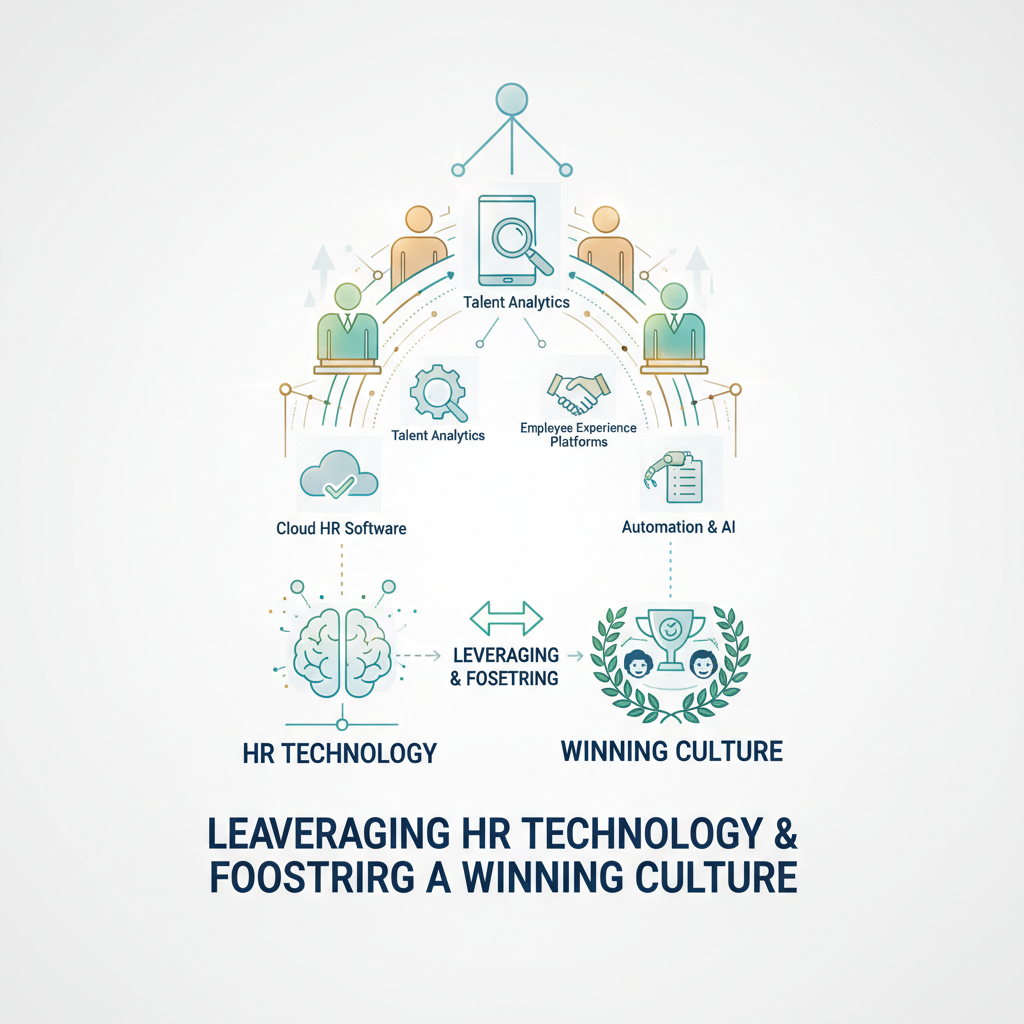
For a CEO leading a marketing agency in Singapore, navigating the competitive landscape requires more than just innovative campaigns; it demands a robust internal framework. Central to this are effective HR structures for SMEs the CEO in marketing agency in singapore, focusing on both technological efficiency and a vibrant workplace culture. This section explores how embracing HR technology can streamline operations, freeing up valuable time, while simultaneously cultivating a strong company culture that not only boosts morale but significantly enhances productivity and creative output.
1. Essential HR Tech Tools for SMEs (HRIS, ATS)
HR technology is no longer an exclusive domain for large corporations; it’s a strategic imperative for an SME marketing agency in Singapore. Implementing systems like HRIS (Human Resources Information System) and ATS (Applicant Tracking System) can be transformative for operational efficiency and talent management.
- HRIS: A modern HRIS consolidates all critical employee data – from payroll processing and leave management to performance reviews and compliance documentation – into a single, accessible platform. This centralisation drastically reduces manual errors, ensures adherence to Singaporean labor laws, and provides real-time analytics on workforce demographics and performance. By automating routine administrative tasks, a robust HRIS frees the CEO and HR teams to focus on strategic initiatives, making the HR structures for SMEs the CEO in marketing agency in singapore far more efficient and data-driven.
- ATS: In the highly competitive marketing sector, attracting and securing top talent is paramount. An Applicant Tracking System automates and streamlines the entire recruitment lifecycle, from posting job advertisements across multiple platforms to screening candidates, scheduling interviews, and managing communication. This efficiency ensures a professional candidate experience and allows the agency to quickly identify and engage with the best creative and analytical minds, ultimately supporting business growth and scalability. Adopting such tools is vital as HR technology is critical for small businesses looking to optimize their talent acquisition strategies.
2. Building a Culture of Innovation & Collaboration
While technology provides the framework, the true competitive edge of a marketing agency lies in its people and the culture that binds them. A vibrant culture fosters the innovation essential for staying ahead in Singapore’s dynamic market and promoting effective HR structures for SMEs the CEO in marketing agency in singapore.
- Innovation: To cultivate innovation, agencies must encourage open dialogue, regular ideation sessions, and a “fail fast, learn faster” mindset. Employees should feel psychologically safe to propose novel ideas without fear of reprisal. Implementing dedicated brainstorming sessions, creative workshops, or even “innovation days” can stimulate new thinking and solutions, driving the agency’s creative output.
- Collaboration: Breaking down traditional silos between departments – such as creative, strategy, media buying, and client servicing – is crucial. Promote cross-functional project teams where diverse skill sets converge on common goals. Utilizing collaborative project management tools and communication platforms can facilitate seamless teamwork, ensuring that varied perspectives are harnessed to produce more impactful campaigns and a stronger, more cohesive work environment.
3. Employee Engagement & Wellbeing Initiatives
High employee engagement directly correlates with increased productivity, reduced turnover, and a more positive and resilient workplace. Strategic wellbeing initiatives are integral to sustaining this engagement, especially within the demanding marketing industry.
- Engagement: Implement regular feedback mechanisms, such as pulse surveys and structured 1-on-1s, to understand employee sentiment. Establish robust recognition programs to acknowledge hard work and achievements, and offer clear professional development opportunities and personalised career paths. Celebrating team and individual milestones fosters a sense of belonging and value, driving motivation and commitment.
- Wellbeing: Addressing employee wellbeing is not just a perk but a strategic necessity. This includes offering flexible work arrangements (e.g., hybrid models, compressed workweeks), providing access to mental health support programs (e.g., counselling services, stress management workshops), and actively promoting work-life balance. Investing in the holistic wellbeing of employees enhances their resilience, boosts creativity, and improves overall job satisfaction, ensuring that the HR structures for SMEs the CEO in marketing agency in singapore support a sustainable and thriving workforce.
For a marketing agency CEO in Singapore, the synergy between advanced HR technology and a deeply ingrained positive culture is the cornerstone of sustainable growth. Essential HR tech tools streamline administrative burdens, while a culture built on innovation, collaboration, and robust employee engagement and wellbeing initiatives fuels creativity and productivity. This dual approach ensures the agency is not only efficient but also a magnet for top talent, poised for success in a competitive global market.
Partner with Shelby Global
You are looking for reliable HR Sevice Suppliers? Contact Shelby Global Now! To connect with verified talents and upgrade your orginization.
—————————————
References
– Key Employment Terms: https://www.mom.gov.sg/employment-practices/employment-act/key-employment-terms-kets
– Why Outsource HR Functions – SHRM: https://www.shrm.org/resources-and-tools/hr-topics/talent-management/pages/why-outsource-hr-functions.aspx
– How to Build a Great Employer Brand: https://hbr.org/2016/03/how-to-build-a-great-employer-brand
– Singapore Ministry of Manpower Employment Act: https://www.mom.gov.sg/employment-practices/employment-act
– Why HR Technology Is Critical for Small Businesses: https://www.shrm.org/resourcesandtools/hr-topics/technology/pages/why-hr-technology-is-critical-for-small-businesses.aspx