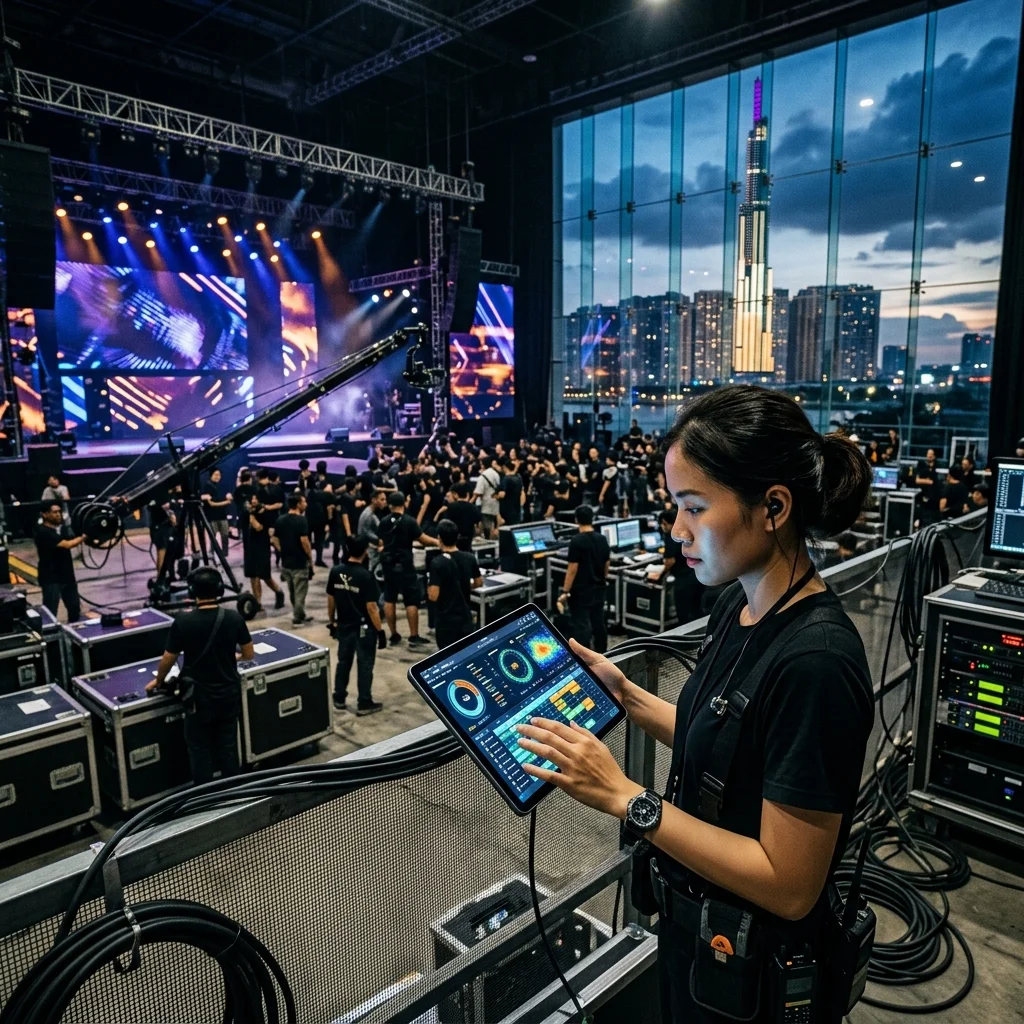
What Makes HR in Malaysian Entertainment Unique?
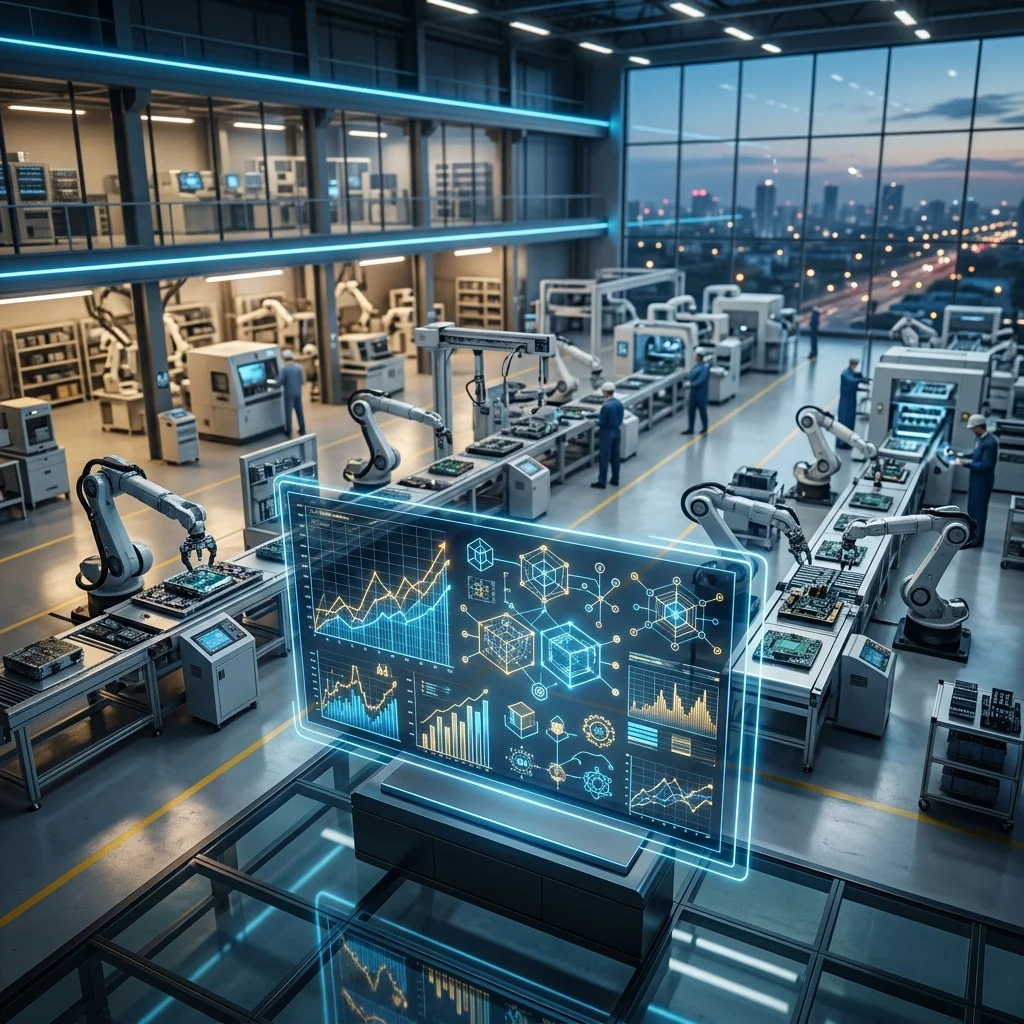
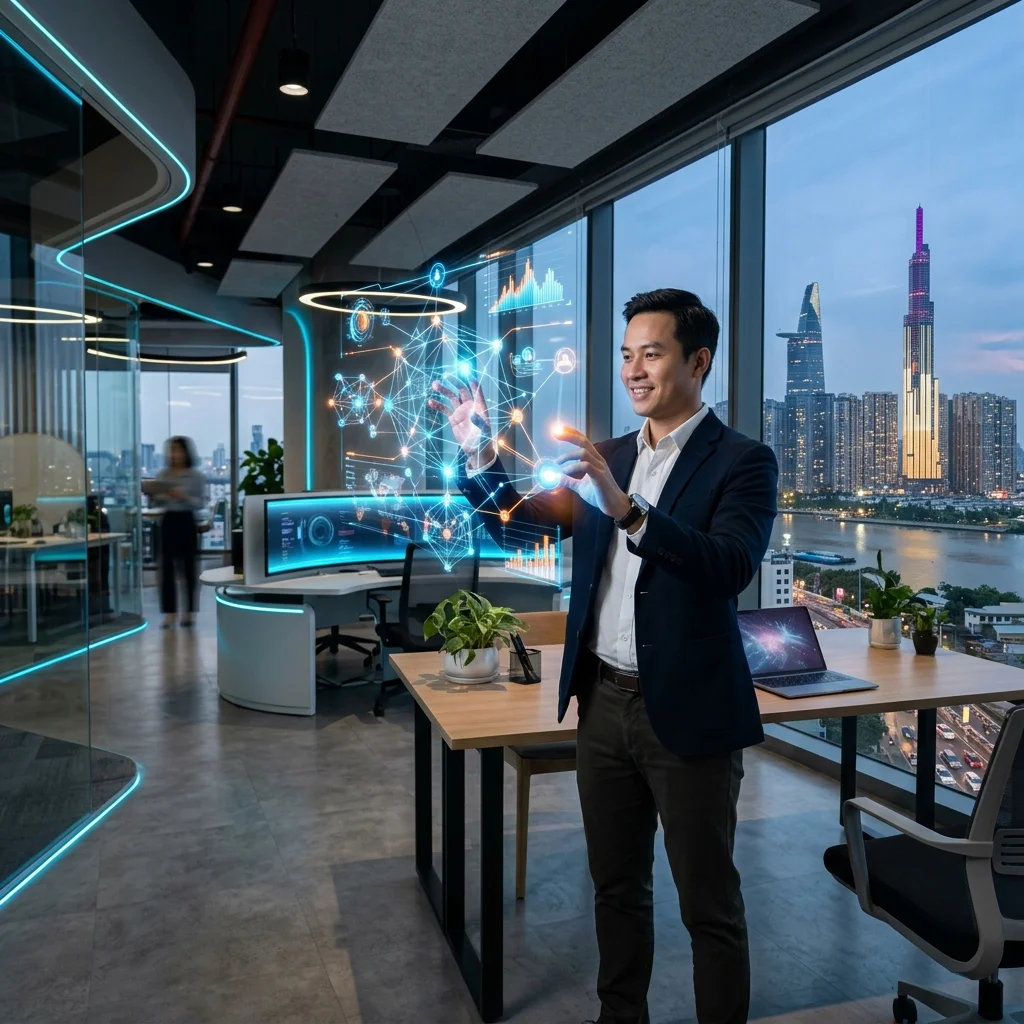
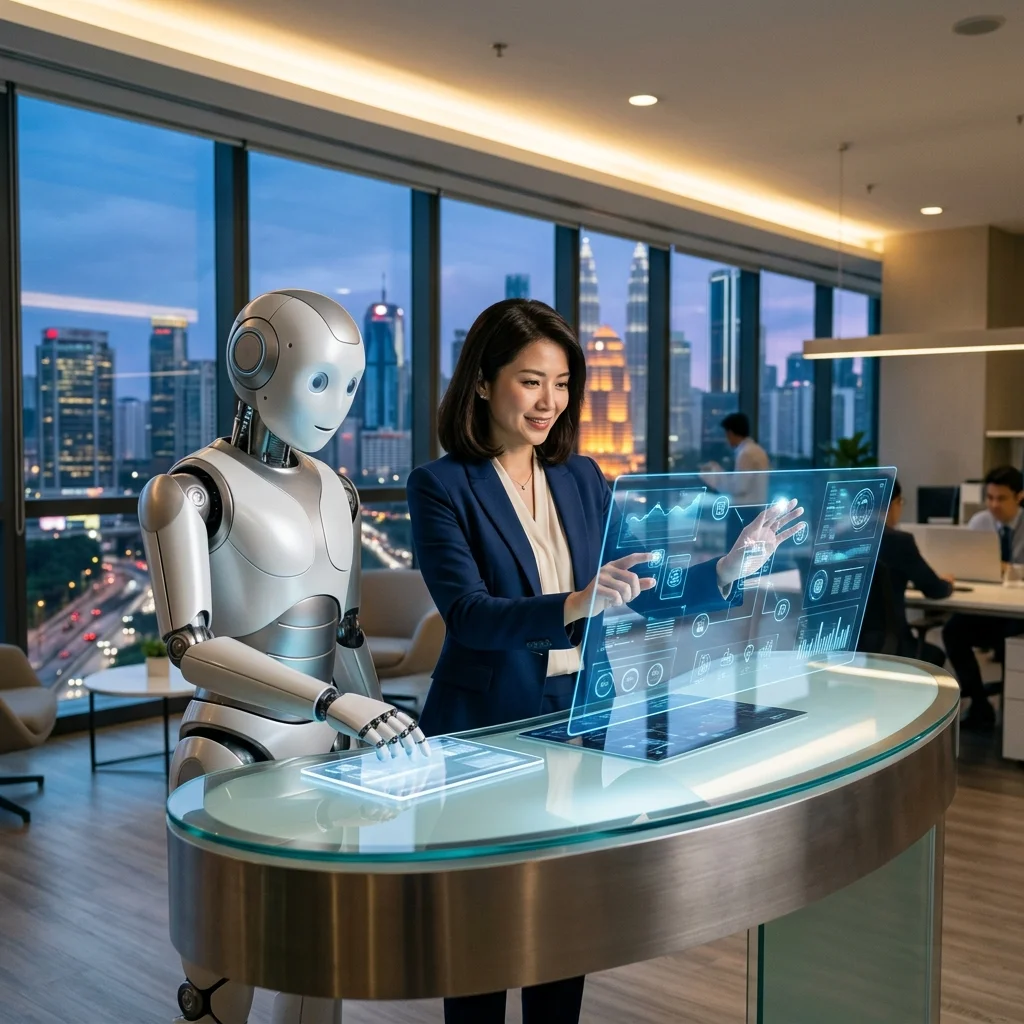
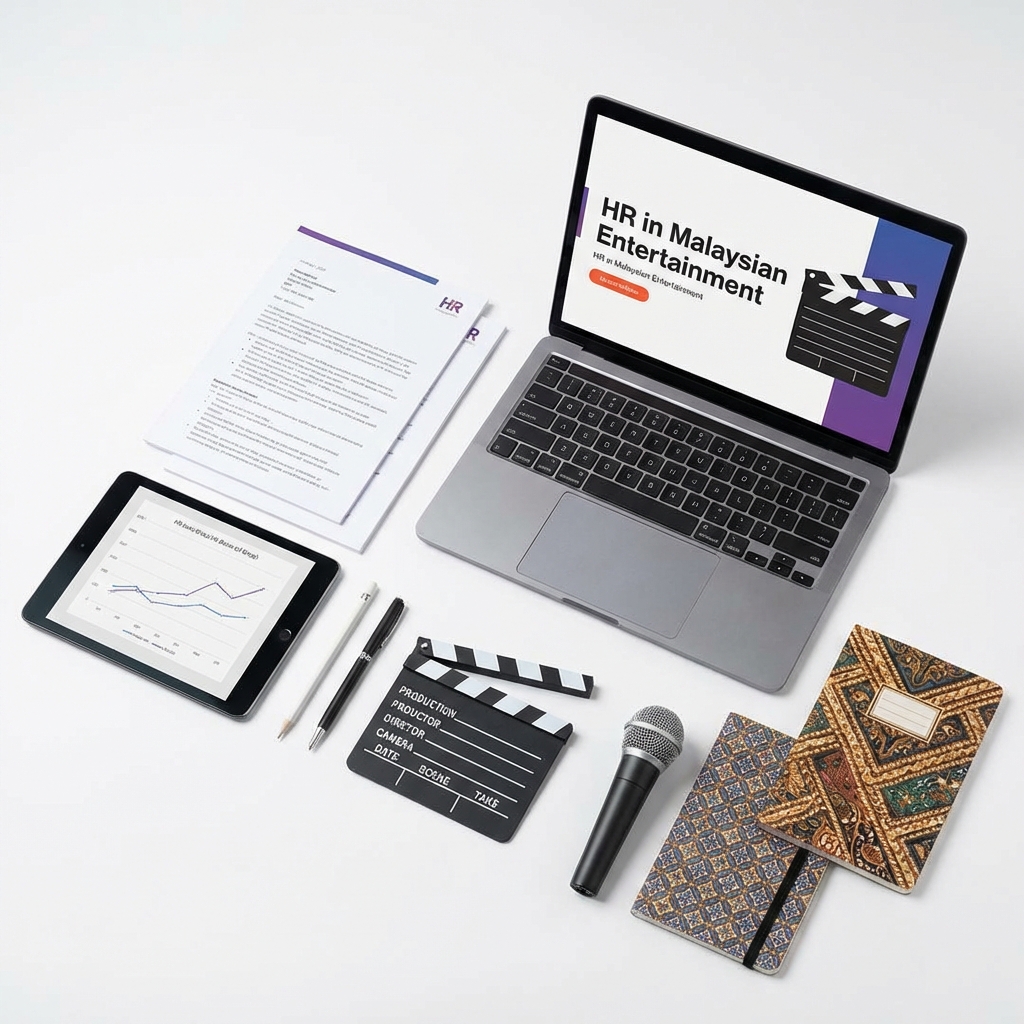
Malaysia’s entertainment industry is a vibrant tapestry, brimming with creativity across film, television, music, events, and digital content. From bustling production sets to star-studded concerts and innovative animation studios, this dynamic sector presents a unique set of human resource challenges that traditional HR models often struggle to address. Unlike conventional corporate environments, HR in Malaysian entertainment must navigate a landscape defined by episodic projects, a diverse and often transient workforce, and a constant demand for specialized talent. This distinct operational rhythm necessitates sophisticated HR tools – applications for Entertainment field in malaysia designed to cater to its specific demands, encompassing seamless talent management and intricate payroll solutions for a project-based workforce.
1.
Project-Based Workforce & Gig Economy Dynamics
The Malaysian entertainment industry thrives on a project-based model, where teams are assembled for specific productions, events, or creative endeavors and then disbanded upon completion. This creates a highly fluid workforce comprising freelancers, contractual staff, and a burgeoning gig economy segment, including everything from actors and musicians to camera operators, sound engineers, and event managers. HR departments face the immense task of efficient talent sourcing for short-term engagements, rapid onboarding and offboarding, and managing a multitude of diverse contracts simultaneously. Tracking working hours, managing complex payroll for freelancers (often with varied payment schedules and tax implications), and ensuring consistent quality across transient teams present formidable challenges. Modern HR tools must offer robust contract management, flexible payroll for project-based work, and real-time workforce analytics to monitor project progress and resource allocation. This digital transformation in HR tech is crucial for handling crew scheduling intricacies and ensuring seamless operational flow.
2.
Talent Sourcing, Retention, and Development Challenges
Identifying, attracting, and retaining top talent in the Malaysian entertainment industry is a continuous challenge. Talent sourcing extends beyond traditional recruitment, often involving network referrals, talent agencies, and international outreach. Once secured, retention becomes critical; artists and technical crew often move between projects, making long-term engagement difficult. Developing these talents is equally vital, requiring industry-specific training, mentorship, and continuous upskilling to keep pace with evolving trends and technology. Effective artist management and performance appraisal systems, going beyond standard corporate metrics, are essential. Applications for Entertainment field in malaysia need to facilitate comprehensive talent management, offering skills inventories, development tracking, and intellectual property rights management to protect both talent and organization. These tools enable better talent identification, foster development, and help establish industry standards for nurturing creativity.
3.
Navigating Malaysian Labor Laws & Cultural Nuances
Compliance with Malaysian labor laws is paramount, yet complex within the entertainment sector due to its blend of permanent, contractual, and freelance workers. The Employment Act 1955 and related regulations dictate specific requirements for working hours, wages, benefits, and dismissals, which must be carefully applied across diverse employment types. Moreover, cultural nuances significantly impact HR practices. Malaysia’s multicultural workforce—comprising Malay, Chinese, Indian, and indigenous communities—requires HR to be highly sensitive to religious observances, cultural traditions, and communication styles. Building strong interpersonal relationships (‘budi bahasa’) is often valued as much as professional competence. HR must ensure fair treatment, adhere to work permit regulations for foreign talent, and manage grievance procedures with cultural sensitivity. Dedicated HR tools – applications for Entertainment field in malaysia become indispensable here, providing compliance modules, localized payroll, and robust contract management features adaptable to specific legal frameworks and cultural considerations. For authoritative information on employment regulations, the Ministry of Human Resources Malaysia serves as the primary resource for employers navigating these complexities.
In conclusion, the Malaysian entertainment industry demands a highly specialized HR approach. From managing the ebb and flow of a project-driven workforce and nurturing unique creative talents to meticulously adhering to local labor laws and respecting cultural diversity, HR professionals here require more than generic solutions. Investing in advanced HR tools – applications for Entertainment field in malaysia is a strategic imperative to streamline operations, ensure compliance, empower talent, and ultimately drive the industry’s continued growth and innovation.
Essential HR Tools for Talent Lifecycle Management
In the vibrant and rapidly evolving entertainment industry in Malaysia, attracting, nurturing, and retaining top talent is paramount for success. From film production houses and music labels to digital content creators and event management companies, the demand for specialized skills is constant. Modern Human Resources (HR) departments can no longer rely on manual processes; they need sophisticated HR tools – applications for Entertainment field in malaysia that streamline the entire talent journey. These digital solutions are crucial for managing the complex interplay of creative roles, project-based work, and dynamic workforce needs, ensuring that entertainment businesses can focus on innovation and delivery while maintaining a competitive edge in talent acquisition and management.
1. Recruitment & Applicant Tracking Systems (ATS) for Creative Roles
The first step in building a strong team in the entertainment sector involves efficient and targeted recruitment. Recruitment and Applicant Tracking Systems (ATS) are indispensable HR tools – applications for Entertainment field in malaysia designed to streamline this process. For creative roles, an ATS goes beyond basic resume parsing; it needs to handle diverse portfolios, video auditions, and project-based work histories. These systems automate job postings across various platforms, manage candidate applications, and facilitate communication, drastically reducing the administrative burden on HR teams. They help Malaysian entertainment companies cast a wider net for talent, ensuring they don’t miss out on promising artists, technicians, or production specialists. With advanced filtering capabilities, HR can quickly identify candidates with specific skills—be it video editing, sound engineering, animation, or scriptwriting—and track their progress through the hiring pipeline. This not only enhances the overall candidate experience but also significantly improves the speed and quality of hires, supporting strategic HR objectives. Applicant Tracking Systems are known to dramatically improve the recruiting process, making talent acquisition more efficient and data-driven for organizations worldwide, including the dynamic Malaysian entertainment scene where talent acquisition is key for digital transformation.
2. Performance Management & Goal Setting Platforms
Once top talent is onboarded, effective performance management becomes critical for their development and retention. Performance management and goal-setting platforms are vital HR tools – applications for Entertainment field in malaysia that enable continuous feedback, transparent goal alignment, and fair evaluations. In the entertainment industry, where projects are often collaborative and outcomes subjective, these platforms provide structured frameworks for setting measurable objectives and key results (OKRs) or key performance indicators (KPIs). They support 360-degree feedback, allowing peers, managers, and even project stakeholders to provide comprehensive input, fostering a culture of constructive criticism and continuous improvement. For a Malaysian film studio, for instance, these tools can track a director’s progress on a project, a screenwriter’s script development, or a marketing team’s campaign reach. Real-time feedback loops and regular check-ins facilitate proactive coaching and skill gap analysis, ensuring employees feel valued and have clear pathways for career development. By linking individual performance to organizational goals, these platforms boost employee engagement and productivity, directly impacting the success of creative ventures and contributing to robust workforce management strategies.
3. Learning & Development (L&D) Solutions for Skill Enhancement
The entertainment landscape is in constant flux, driven by technological advancements and evolving audience preferences. To stay competitive, employees must continuously update their skills. Learning & Development (L&D) solutions, often delivered through Learning Management Systems (LMS), are essential HR tools – applications for Entertainment field in malaysia for this purpose. These platforms offer personalized learning paths, access to extensive course libraries (e.g., in advanced video editing software, virtual reality production, social media marketing, or data analytics for content trends), and certification programs. For Malaysian entertainment professionals, this means being able to acquire new expertise in animation software, learn about the latest sound design techniques, or master digital marketing strategies to promote content effectively. L&D platforms facilitate reskilling and upskilling initiatives, crucial for addressing future skill requirements and ensuring employee retention. They can track training progress, assess learning outcomes, and provide insights into the overall skill health of the workforce. By investing in L&D solutions, entertainment companies in Malaysia not only empower their employees to reach their full potential but also future-proof their workforce, enhance the overall employee experience, and solidify their position in a dynamic global market, showcasing a commitment to employee experience and strategic HR.
Streamlining Core HR Operations: Payroll, Time & Benefits
Focus on HR tools designed to automate and optimize foundational HR tasks, ensuring accuracy and efficiency in payroll, attendance, and employee benefits specific to the Malaysian context.
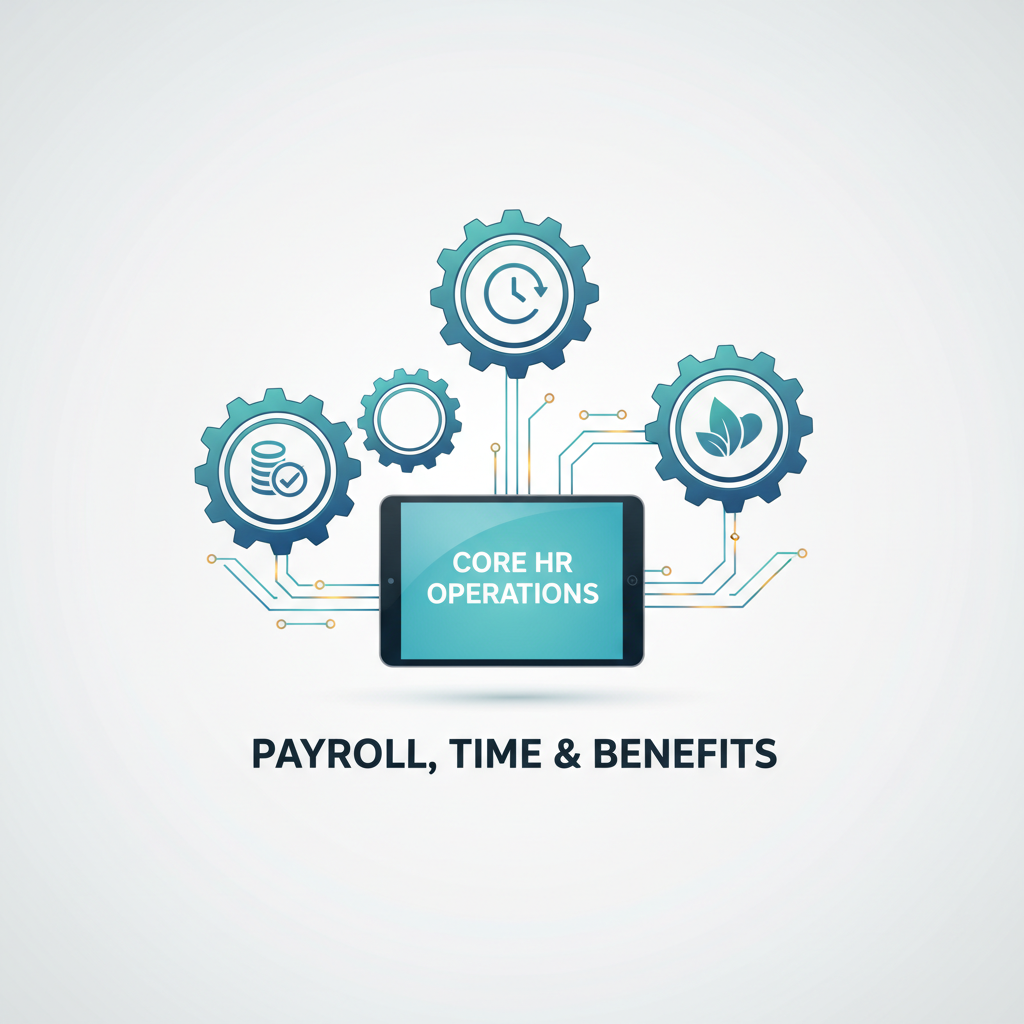
In the dynamic and often demanding landscape of Malaysia’s entertainment industry, managing human resources goes beyond creative talent acquisition; it requires meticulous attention to foundational operations. From film sets to music studios and event management, HR teams face unique challenges, including varied work schedules, project-based contracts, and strict regulatory compliance. This is where modern HR tools – applications for Entertainment field in malaysia become indispensable. Designed to automate and optimize crucial HR tasks, these solutions ensure unparalleled accuracy and efficiency in payroll, attendance tracking, and employee benefits, allowing entertainment companies to focus on their core creative endeavors while maintaining robust HR infrastructure.
1. Malaysian Compliant Payroll & Compensation Management Systems
For entertainment companies in Malaysia, navigating the intricacies of local payroll regulations is paramount. A sophisticated payroll system is not merely a calculator; it’s a compliance guardian. These specialized HR tools are engineered to handle the mandatory statutory contributions specific to Malaysia, including Employee Provident Fund (EPF), Social Security Organization (SOCSO), Employment Insurance System (EIS), and monthly income tax deductions (PCB/MTD). They ensure accurate calculation and timely remittance, significantly reducing the risk of penalties and legal complications. Beyond compliance, these systems facilitate complex compensation structures common in the entertainment sector, from performance-based bonuses to project completion incentives and allowances. Robust reporting features provide deep insights into labor costs, aiding strategic financial planning and budgeting. Choosing a system that stays updated with the latest legislative changes, such as those governed by the Malaysian Inland Revenue Board (LHDN), is critical for seamless operation and peace of mind. Automated payroll processing liberates HR personnel from manual tasks, allowing them to dedicate more time to talent development and employee engagement, which are vital for retaining creative professionals in a competitive industry.
2. Integrated Time, Attendance & Workforce Scheduling Software
The entertainment industry is synonymous with irregular hours, project-specific crews, and tight production deadlines. Traditional manual timekeeping methods are inefficient and prone to errors in such an environment. Modern HR tools offer integrated time and attendance solutions that provide real-time visibility into workforce deployment. These systems allow for flexible clock-in/clock-out options, including biometric scanners, mobile apps with geo-fencing, or web-based portals, catering to on-location shoots, studio work, or remote post-production tasks. Beyond simple attendance tracking, advanced workforce scheduling software empowers HR and production managers to optimize staff allocation, ensure adequate coverage for various roles, and proactively manage overtime costs. Features like shift swapping, leave management, and automated alerts for compliance with working hour regulations (e.g., Malaysia’s Employment Act 1955) are crucial. For a film crew or an event production team, precise attendance data is directly linked to accurate payroll, project costing, and performance management. By automating these processes, entertainment companies gain greater control over labor costs, improve operational efficiency, and minimize disputes related to working hours, fostering a more transparent and fair work environment.
3. Benefits Administration & Employee Self-Service Portals
Administering employee benefits in the entertainment sector can be complex, given diverse contractual arrangements and varying employee needs. Comprehensive HR tools for benefits administration streamline the entire process, from enrollment and eligibility tracking to managing different benefit tiers (e.g., medical insurance, dental, life insurance, and specific perks relevant to creative professions). These systems simplify the communication of benefit options, ensuring employees understand their entitlements. Crucially, they often incorporate powerful Employee Self-Service (ESS) portals. An ESS portal empowers employees to access and update their personal information, view payslips, check leave balances, apply for leave, and manage their benefits online, anytime and anywhere. This not only significantly reduces the administrative burden on HR staff but also enhances employee satisfaction by providing transparency and control over their HR-related matters. For entertainment companies seeking to leverage cutting-edge HR tools – applications for Entertainment field in malaysia, an integrated benefits and ESS solution is a strategic investment. It fosters a more engaged workforce, improves data accuracy by shifting data entry responsibilities, and allows HR to focus on higher-value strategic initiatives that contribute to the company’s growth and creative output.
Enhancing Engagement, Compliance & Analytics with HR Tech
The dynamic and often demanding landscape of the entertainment industry in Malaysia presents unique challenges and opportunities for human resources. Managing diverse talent, navigating tight project deadlines, and fluctuating team sizes require agile, robust solutions. Modern HR tools – applications for Entertainment field in malaysia are no longer just administrative necessities; they are strategic assets that dramatically improve employee experience entertainment Malaysia, ensure robust regulatory compliance HR Malaysia, and provide crucial data-driven HR entertainment insights for sustainable growth. By leveraging advanced HR technology, entertainment companies can cultivate a more engaged workforce, streamline complex operations, and make informed strategic HR decision-making. This ensures they remain competitive, foster innovation, and attract top talent in a fast-paced environment.
1. Employee Engagement & Communication Platforms
In an industry where creativity and collaboration are paramount, fostering strong employee engagement is critical. Advanced HR tools – applications for Entertainment field in malaysia designed for engagement offer integrated solutions beyond simple email. These platforms provide centralized hubs for internal communications, project updates, and feedback mechanisms, essential for dispersed teams working on various locations or schedules. Features like personalized news feeds, social recognition tools, and gamified HR platforms boost morale and connection. Instant feedback systems HR allow for continuous performance dialogue. Furthermore, dedicated communication tools HR facilitate transparent dialogue, crucial for culture building HR tech and managing industry stressors. These platforms streamline distribution of announcements and training materials, ensuring everyone from freelancers to full-time staff is informed and connected, even with remote work HR solutions. This proactive approach enhances job satisfaction and contributes to higher productivity and retention. Discover more about effective HR tools – applications for Entertainment field in malaysia that can transform your workforce.
2. HR Information Systems (HRIS) & Digital Onboarding
The foundation of efficient HR operations in the entertainment sector lies in sophisticated HR Information Systems (HRIS). These systems centralize all employee data, from personal information and contracts to payroll details and performance records. For companies in Malaysia’s entertainment industry, a robust HRIS is invaluable for managing variable contracts, project-based hiring, and diverse compensation structures. Beyond core data management, modern digital HR solutions Malaysia offer comprehensive digital onboarding capabilities. This is particularly beneficial for an industry that frequently brings on new talent for specific projects. Digital onboarding automates the entire process, from document submission and contract signing to benefits enrollment and compliance training. This reduces administrative burden, creates a seamless first impression, and sets new hires up for success. An integrated HRIS also underpins crucial HR functions like talent management entertainment, workforce management entertainment, and payroll processing entertainment, ensuring accuracy and adherence to local labor laws. Moreover, effective HRIS platforms are instrumental in ensuring regulatory compliance HR Malaysia, automating checks for work permits, legal documentation, and industry-specific certifications, thereby mitigating risks and avoiding costly penalties. For more insights on the impact of HR technology, consider exploring reports on global HR trends and their implications for regional markets.
3. HR Analytics & Reporting for Strategic Planning
Translating HR data into actionable insights elevates HR to a strategic partner. Advanced HR tools – applications for Entertainment field in malaysia now come equipped with powerful HR analytics and reporting capabilities, offering deep dives into various aspects of the workforce. These tools track key metrics like employee turnover, recruitment efficiency, training effectiveness, and diversity. For the entertainment industry, understanding these metrics is paramount for project success and talent availability. Analyzing talent retention rates informs better recruitment strategies and optimizes learning & development platforms. Identifying patterns in performance data helps HR and management make informed decisions about performance management systems and succession planning. Furthermore, sophisticated reporting highlights potential regulatory compliance HR Malaysia risks or reveals opportunities for improving benefits administration HR to suit entertainment professionals’ unique needs. This shift towards data-driven HR entertainment empowers HR leaders to proactively shape talent strategies, optimize resource allocation, and contribute directly to organizational success. By embracing HR technology trends Malaysia, entertainment companies can leverage their most valuable asset—their people—more effectively, driving innovation and maintaining a competitive edge. The strategic use of data provides a clear roadmap for future growth and resilience.
Future Trends & Selecting the Right HR Tools for 2026
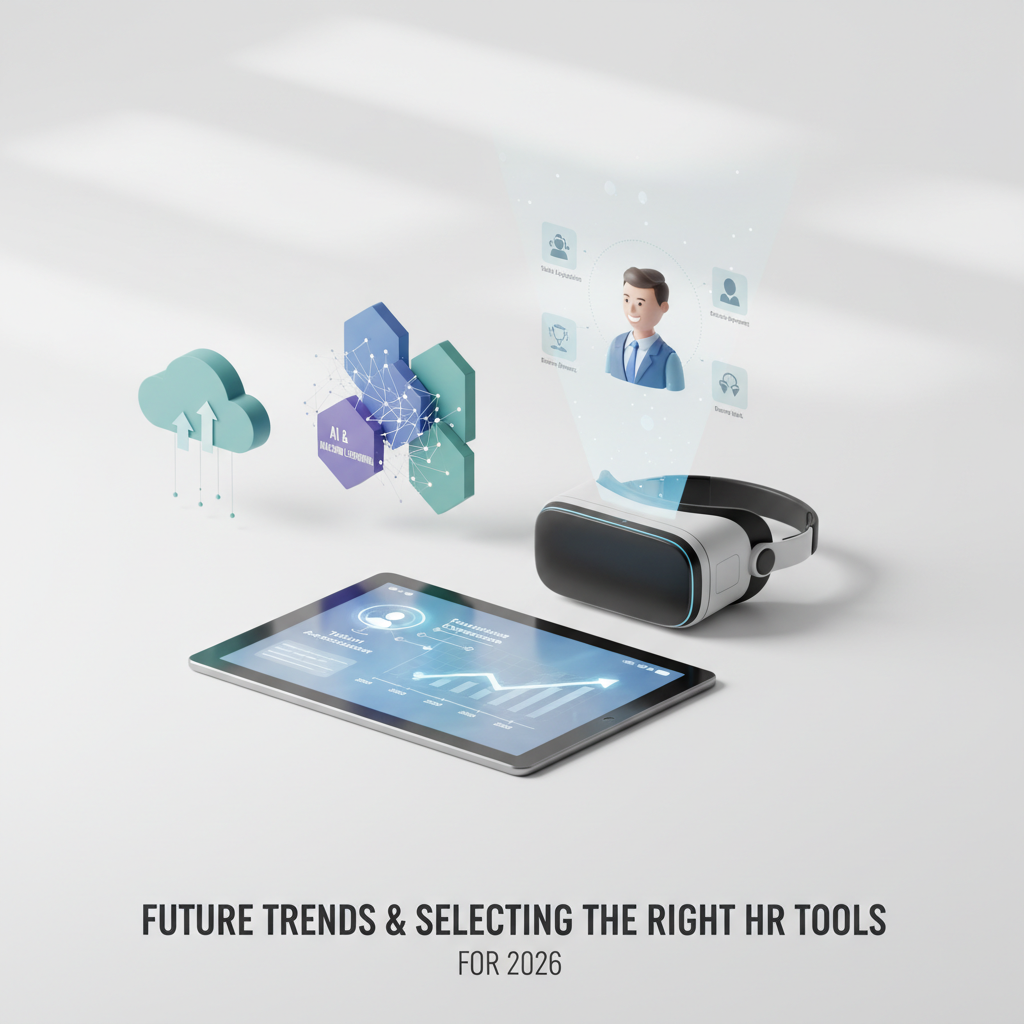
The entertainment sector in Malaysia is dynamic, constantly evolving with new technologies, content formats, and global collaborations. To thrive amidst this change, Malaysian companies must strategically adopt cutting-edge HR technology. This section examines emerging HR technology trends relevant to the entertainment sector and provides guidance on how companies can evaluate and implement the best HR tools – applications for Entertainment field in malaysia for sustained growth.
1. AI, Automation & Remote Work Capabilities in HR
The future of HR in the entertainment industry is undeniably intertwined with artificial intelligence (AI) and automation. AI-powered tools are revolutionizing various HR functions, from intelligent recruitment platforms that can sift through vast talent pools for specific project roles (e.g., character animators, scriptwriters, sound engineers) to automated onboarding systems that streamline paperwork and compliance for contract-based teams. Automation frees up HR professionals to focus on strategic initiatives like talent development, employee engagement, and creative team building, rather than repetitive administrative tasks.
Furthermore, the global nature of entertainment production and the rise of the gig economy necessitate robust remote work capabilities. HR tools – applications for Entertainment field in malaysia must support distributed teams, offering features for virtual collaboration, secure data access, performance tracking for remote workers, and seamless communication across different time zones. This is particularly crucial for projects involving international talent or remote production teams, ensuring productivity and fostering a sense of connection regardless of physical location.
2. Vendor Selection: Key Considerations & Local Support
Choosing the right HR tool vendor requires careful consideration, especially for the unique demands of the entertainment industry. Key factors include the tool’s specific functionalities (e.g., project-based time tracking, intellectual property management, contract lifecycle management), user-friendliness, security protocols for sensitive talent data, and cost-effectiveness. It’s vital to assess the vendor’s track record, customer reviews, and their commitment to ongoing updates and innovation.
For Malaysian entertainment companies, prioritizing vendors who offer strong local support is paramount. This includes understanding Malaysian labor laws, tax regulations, and cultural nuances in talent management. A local presence or a dedicated regional support team ensures quicker problem resolution, relevant training, and adherence to local compliance requirements. Evaluating the vendor’s expertise in handling multi-currency payrolls and international contractor agreements is also crucial for companies with global aspirations. For a broader perspective on selecting HR tech, explore insights on HR technology trends from authoritative sources like Gartner.
3. Integration & Scalability for Evolving Entertainment Businesses
The entertainment industry is characterized by its project-driven nature, leading to fluctuating team sizes and diverse operational needs. Therefore, any selected HR tool must offer robust integration capabilities. Seamless integration with existing systems such as payroll software, project management platforms (e.g., Trello, Asana for production schedules), accounting software, and even specific production asset management tools is non-negotiable. This prevents data silos, reduces manual data entry errors, and provides a holistic view of human resources across various projects.
Scalability is equally vital. The chosen HR tools – applications for Entertainment field in malaysia should be able to efficiently scale up or down based on project demands, accommodating rapid team expansion for a blockbuster production or downsizing during quieter periods without significant operational disruption or cost penalties. Cloud-based solutions often provide this flexibility, allowing companies to pay for what they use and easily add or remove users as needed. Finding the right fit for your organization can significantly boost efficiency and growth; consider exploring various HR tools – applications for the Entertainment field in Malaysia that offer this adaptability.
By carefully considering these future trends and strategic selection criteria, Malaysian entertainment companies can equip themselves with the HR tools necessary to attract, manage, and retain top talent, ensuring their continued success and innovation in a competitive global landscape.
Partner with Shelby Global
You are looking for reliable HR Sevice Suppliers? Contact Shelby Global Now! To connect with verified talents and upgrade your orginization.
—————————————
References
– Ministry of Human Resources Malaysia: https://www.mohr.gov.my/index.php/en/legislation/employment-act-1955
– Applicant Tracking Systems Improve Recruiting Process: https://www.shrm.org/hr-today/news/hr-magazine/fall2020/pages/applicant-tracking-systems-improve-recruiting-process.aspx
– Malaysian Inland Revenue Board (LHDN): https://www.hasil.gov.my/bt_english/e_guideline.php?f=e_guideline/pindaan_akta/Pindaan_Akta_Cukai_Pendapatan_1967_Akta_777_Pindaan_2009.pdf&s=pindaan_akta
– Deloitte Global Human Capital Trends: https://www2.deloitte.com/us/en/pages/human-capital/articles/human-capital-trends.html
– HR technology trends from authoritative sources like Gartner: https://www.gartner.com/en/human-resources/trends/hr-technology-and-software-trends