The Evolving Landscape of HR Tech in Vietnam
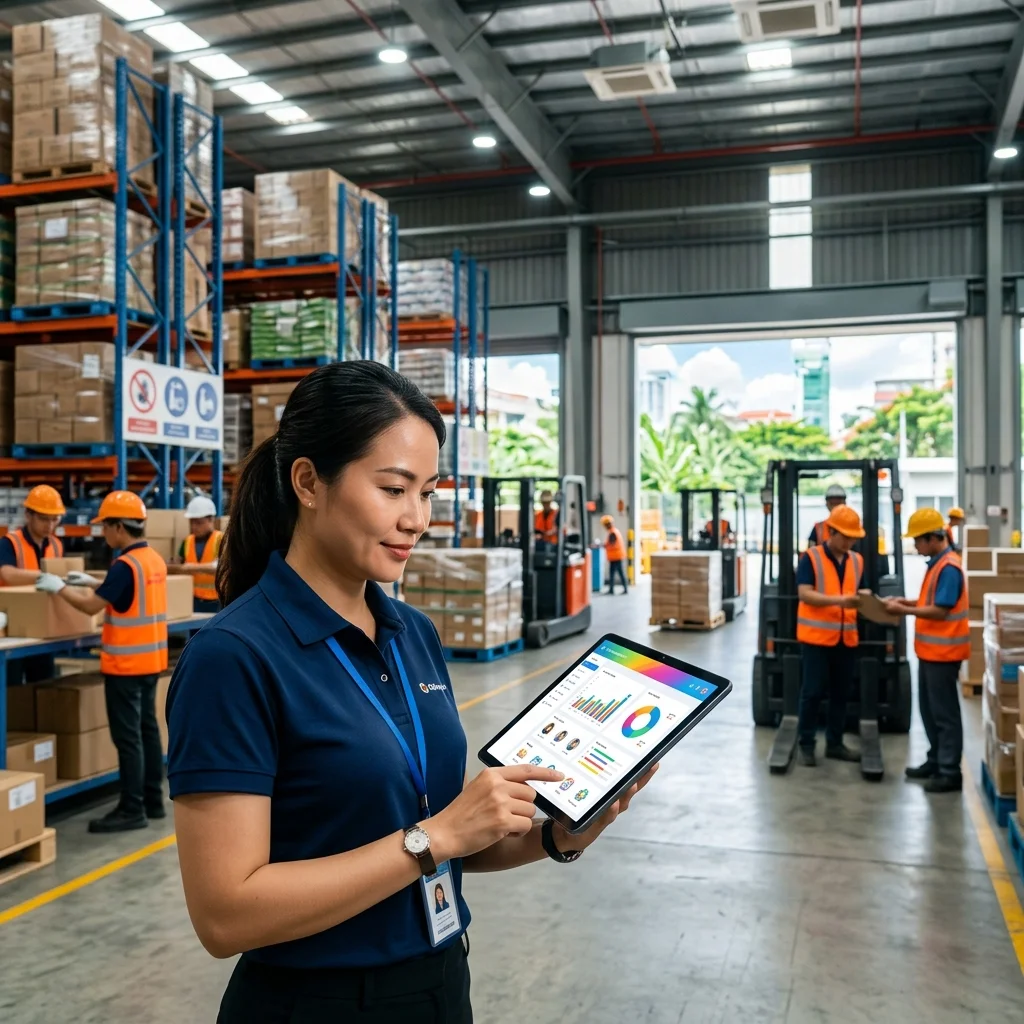
Vietnam’s technology sector is experiencing unprecedented growth, transforming the nation into a burgeoning digital hub. This rapid evolution, fueled by a young, digitally native population and increasing foreign investment, has profound implications for human resources practices across the country. As businesses strive to keep pace with the demands of a dynamic digital economy, the adoption of sophisticated HR tools – applications for technology field in Vietnam – has become not just beneficial, but essential for competitive advantage and sustainable growth. This shift reflects a broader global trend where HR is moving beyond administrative functions to become a strategic business partner, powered by innovative technological solutions.
1.
Vietnam’s Tech Boom and Talent Demand
Vietnam’s ascent as a regional tech powerhouse is undeniable. The nation has witnessed a surge in venture capital funding, a thriving startup ecosystem, and significant investment in digital infrastructure. Major global tech players are expanding their presence, and local tech companies are innovating rapidly, particularly in areas like e-commerce, fintech, and AI. This tech boom has, however, created an intense demand for skilled talent, particularly in IT, engineering, and digital marketing roles. Companies are fiercely competing for qualified professionals, leading to challenges in recruitment, retention, and talent development. The traditional methods of talent acquisition are often insufficient to meet the speed and scale required by this fast-paced industry. This environment necessitates modern approaches to HR, heavily reliant on advanced HR tools – applications for technology field in Vietnam – that can streamline processes, enhance candidate experience, and provide data-driven insights.
2.
Traditional HR Challenges in a Modern Context
Despite the rapid modernization of its economy, many Vietnamese businesses still contend with conventional HR challenges that are exacerbated by the demands of the digital age. Manual, paper-based processes remain prevalent in some organizations, leading to inefficiencies, errors, and a significant time sink for HR departments. These outdated systems hinder agile decision-making and prevent HR from contributing strategically to business goals. Furthermore, the lack of centralized data makes it difficult to track employee performance, manage payroll accurately, and ensure compliance with evolving labor laws. In a competitive talent market, a clunky HR experience can deter top candidates and lead to higher attrition rates. The rise of hybrid and remote work models, further accelerated by recent global events, adds another layer of complexity, demanding robust digital solutions for seamless communication, performance monitoring, and engagement. Without modern HR tools, businesses risk falling behind competitors who leverage technology to optimize their human capital management.
3.
Drivers for HR Technology Adoption
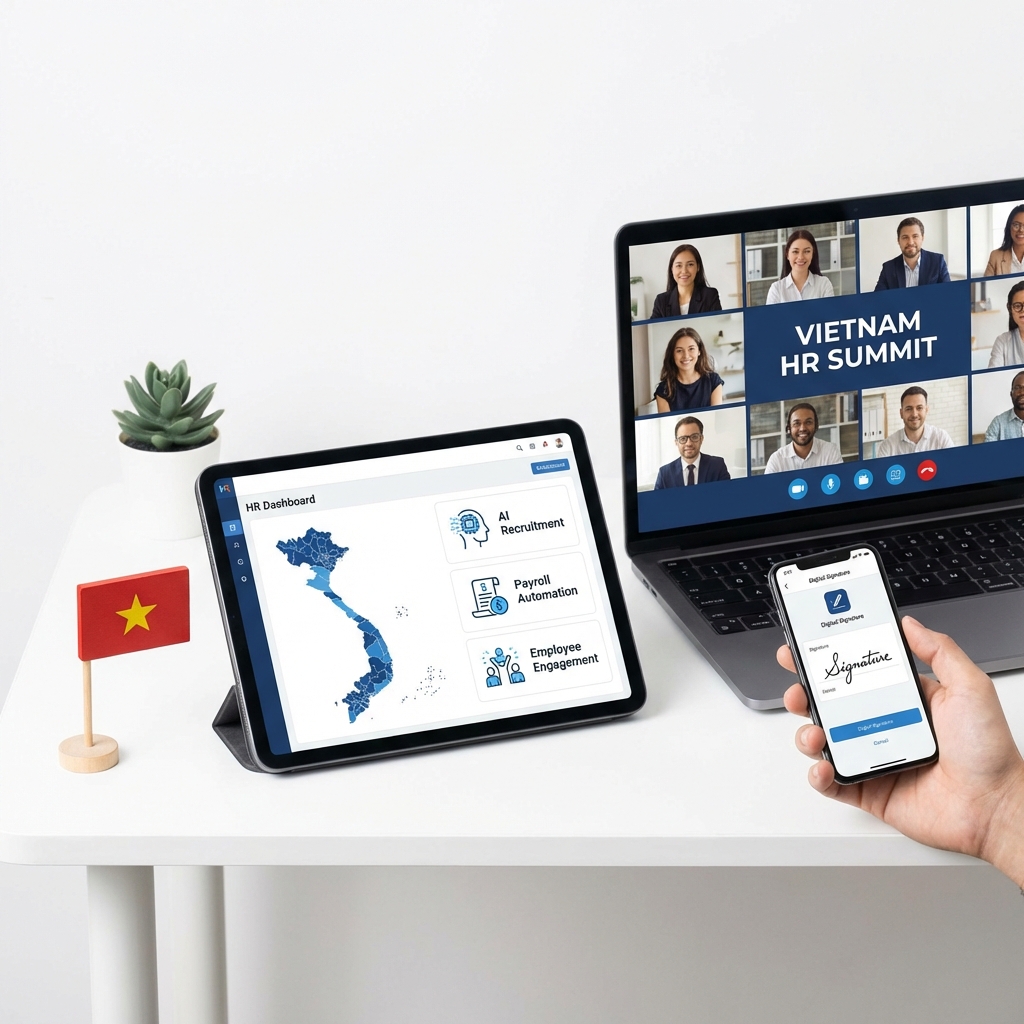
Several key factors are propelling the adoption of HR technology across Vietnam. Firstly, the imperative to attract and retain top talent in a highly competitive market is pushing companies to invest in applicant tracking systems (ATS), sophisticated onboarding platforms, and engaging employee experience tools. Secondly, the desire for operational efficiency and cost reduction drives the implementation of HR information systems (HRIS) and payroll automation software, freeing HR personnel from administrative burdens to focus on strategic initiatives. Thirdly, the increasing focus on data-driven decision-making encourages the use of analytics and reporting tools that provide insights into workforce performance, engagement, and potential flight risks. Finally, the growing awareness of global best practices and the influence of multinational corporations operating in Vietnam are setting new benchmarks for HR professionalism and technological integration. The availability of increasingly localized and affordable cloud-based HR tools – applications for technology field in Vietnam – further lowers the barrier to entry, enabling even SMEs to leverage cutting-edge solutions for their human capital needs. These drivers underscore a fundamental shift in how Vietnamese businesses perceive and manage their most valuable asset: their people.
Key HR Tool Categories for Tech Companies
Dive into the essential types of HR software and platforms crucial for managing talent in a fast-paced tech environment.
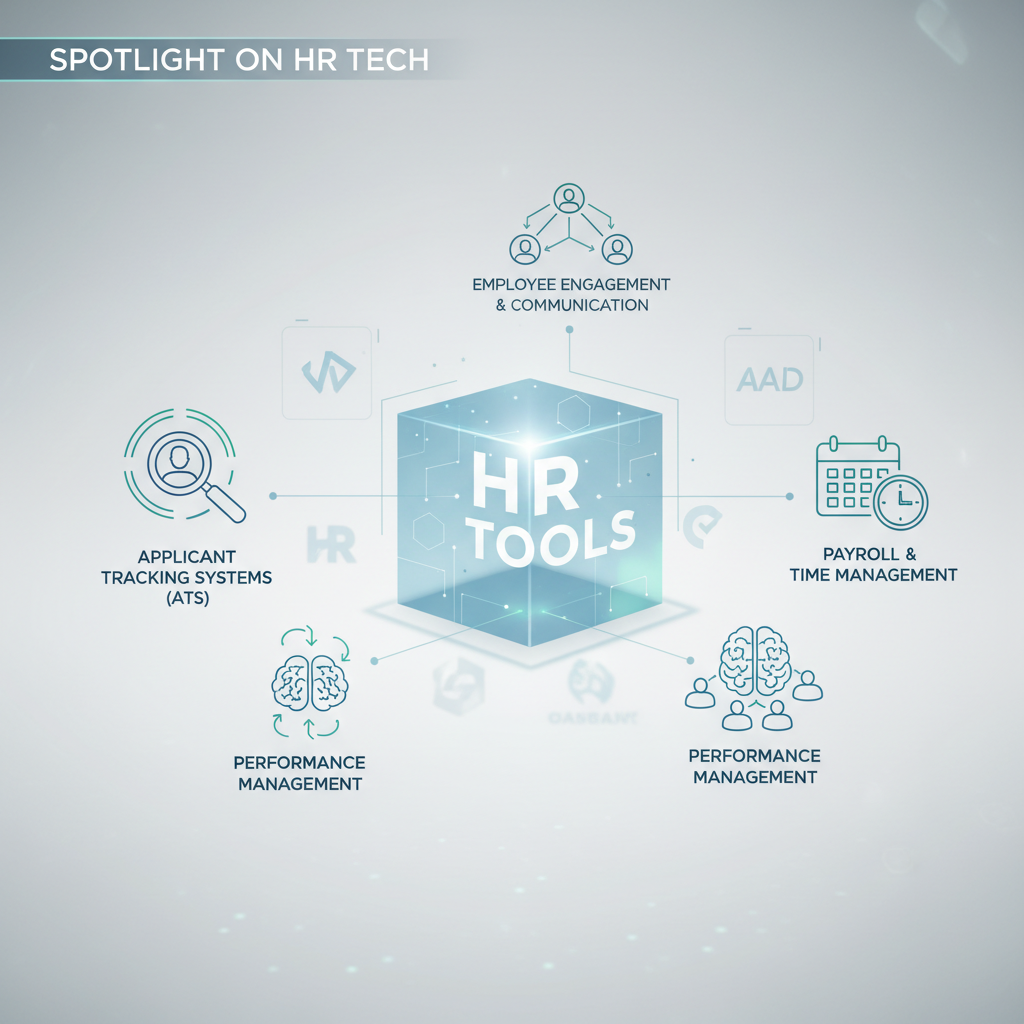
Technology companies, particularly in dynamic markets like Vietnam, operate at an accelerated pace, where talent acquisition, development, and retention are paramount. To keep up with rapid growth, innovation, and fierce competition for skilled professionals, robust HR infrastructure is not just a luxury but a necessity. Modern HR tools – applications for the technology field in Vietnam – empower HR departments to streamline operations, enhance employee experiences, and make data-driven decisions. These platforms transform traditional HR functions into strategic accelerators, crucial for attracting and nurturing the brightest minds in tech. Staying abreast of key HR technology trends is essential for tech companies aiming for sustainable growth and a competitive edge.
1. Applicant Tracking Systems (ATS) & Recruitment Platforms
In the highly competitive tech landscape, attracting top engineering talent, developers, and IT specialists requires more than just job postings. Applicant Tracking Systems (ATS) and specialized recruitment platforms are the backbone of efficient talent acquisition. These systems automate and streamline the entire hiring process, from posting job advertisements across multiple channels (job boards, social media, company careers pages) to screening resumes, scheduling interviews, and managing candidate communications. For tech companies in Vietnam, an effective ATS helps manage the high volume of applications common in the sector, quickly identify qualified candidates based on technical skills and experience, and reduce time-to-hire.
Many modern ATS solutions also incorporate AI-powered matching, analytics dashboards to track recruitment metrics (e.g., source of hire, cost-per-hire), and seamless integration with assessment tools. They provide a centralized database of candidates, ensuring that valuable talent isn’t lost and that recruiters can easily access past applicants for future roles. Furthermore, these platforms often enhance the candidate experience with user-friendly application portals and timely updates, which is critical for maintaining a positive employer brand in a talent-short market. The ability to efficiently manage a robust talent pipeline is a strategic advantage for any tech firm looking to scale quickly.
2. Performance Management & Employee Engagement Tools
Once top talent is onboard, the next challenge for tech companies is to maximize their potential and ensure their long-term commitment. Performance management and employee engagement tools are indispensable in this regard. Traditional annual reviews are often too slow and rigid for the agile nature of tech work. Modern platforms facilitate continuous performance management, enabling frequent feedback, goal setting (often utilizing OKRs – Objectives and Key Results), and regular check-ins. This approach fosters a culture of continuous improvement, crucial for rapid product development cycles and innovation.
Beyond performance, these tools are vital for understanding and improving employee engagement. They often include features for pulse surveys, 360-degree feedback, recognition programs, and career development planning. For tech professionals, who often value growth opportunities and a sense of purpose, these tools help HR identify areas of dissatisfaction, measure team morale, and implement targeted initiatives. By providing insights into employee sentiment and offering avenues for recognition and skill development, these platforms help reduce attrition, boost productivity, and cultivate a positive and innovative workplace culture. This is especially important in Vietnam where competition for skilled tech workers means companies must actively work to retain their best people.
3. HRIS/HCM Suites for Core Operations
At the foundation of all HR operations are Human Resources Information Systems (HRIS) or Human Capital Management (HCM) suites. These comprehensive platforms serve as the central hub for all core HR administrative functions. They consolidate employee data, payroll processing, benefits administration, time and attendance tracking, and compliance management into a single, integrated system. For tech companies, where accurate data and efficient processes are paramount, an HRIS/HCM suite eliminates manual data entry, reduces errors, and ensures compliance with local labor laws and regulations in Vietnam.
An integrated HRIS/HCM suite provides a single source of truth for all employee-related information, making it easier for HR teams to generate reports, analyze trends, and support strategic decision-making. For instance, data from an HRIS can inform workforce planning, diversity initiatives, and budget allocation. Modern HCM suites often extend beyond basic administration to include modules for talent management (integrating with ATS and performance tools), learning and development, and advanced analytics. By automating repetitive administrative tasks, these platforms free up HR professionals to focus on strategic initiatives, such as talent development, organizational design, and fostering a strong company culture, which are critical for sustained growth in the technology sector. The right HR tools for technology companies in Vietnam are instrumental in building a resilient and high-performing workforce.
Spotlight on Specific HR Tool Applications & Vendors
Highlight examples of HR tools, both global and local, that are gaining traction or are highly relevant for the Vietnamese tech market.
The dynamic landscape of Vietnam’s technology sector demands equally dynamic Human Resources strategies. As companies in Ho Chi Minh City, Hanoi, and Da Nang vie for top tech talent, the adoption of sophisticated HR tools – applications for technology field in vietnam is no longer a luxury but a necessity. These specialized applications are revolutionizing how tech firms manage everything from recruitment and onboarding to performance analytics and talent retention. This section delves into specific HR software solutions making a significant impact, examining both established global players and innovative local contenders, alongside the transformative power of AI and data analytics in HR.
-
Local vs. Global HR Software Solutions
When selecting HR tools – applications for technology field in vietnam, tech companies face a crucial decision: global platforms or local solutions. Global giants like Workday, SAP SuccessFactors, and Oracle HCM Cloud offer comprehensive suites, excelling in scalability, robust features, and seamless integration for larger, multinational tech enterprises. These platforms provide extensive modules covering core HR, payroll, talent management, learning, and analytics. While offering maturity and best practices, their cost, customization challenges for local regulations, and steep learning curves can be drawbacks for smaller to medium-sized Vietnamese firms.
Conversely, local Vietnamese HR software providers are rapidly gaining traction due to their inherent understanding of the local market, compliance with Vietnamese labor laws, and often more competitive pricing. Platforms such as Base.vn, GapoWork, and vnResource are specifically tailored to Vietnamese business culture and regulatory frameworks. Base.vn offers a modular suite including HR, task management, and internal communication. GapoWork focuses on internal communication, while vnResource provides full HR management functionalities. Advantages include better customer support in Vietnamese, faster implementation, and greater customization flexibility. For tech firms navigating Vietnam’s unique challenges, understanding available HR tools is key. For a deeper dive into selecting the right solutions, explore comprehensive guides on HR tools – applications for technology field in vietnam to optimize your talent strategy.
-
AI & Automation in Recruitment and Onboarding
The advent of Artificial Intelligence (AI) and automation has dramatically reshaped recruitment and onboarding processes within the tech industry. In Vietnam’s competitive talent market, these HR tools – applications for technology field in vietnam are proving indispensable for attracting and retaining top-tier talent. AI-powered Applicant Tracking Systems (ATS) like Greenhouse, Lever, and even local options such as Misa AMIS, leverage machine learning to automate resume screening, identify best-fit candidates, and predict success. This significantly reduces time-to-hire and minimizes unconscious bias. Chatbots and virtual assistants powered by AI are increasingly used to engage candidates, answer questions, and schedule interviews 24/7, offering a seamless experience.
For onboarding, automation tools streamline paperwork, policy dissemination, and initial training. Digital platforms ensure new hires complete administrative tasks before their first day, allowing faster integration and productivity. AI can also personalize onboarding, recommending relevant training or connecting new employees with mentors. This automation enhances efficiency and creates a positive first impression, crucial for talent retention. According to Gartner, AI will be embedded in nearly all HR applications by 2025, transforming core HR functions and decision-making. You can read more about this trend and its impact on HR. This underscores the importance for Vietnamese tech companies to embrace these innovations to stay competitive.
-
Analytics & Reporting for Data-Driven HR Decisions
In the data-driven world of technology, HR departments increasingly leverage analytics and reporting tools for informed, strategic decisions. Modern HR tools – applications for technology field in vietnam provide sophisticated dashboards and reporting capabilities, transforming raw HR data into actionable insights. Platforms like ADP, Oracle HCM Cloud, and specialized HR analytics tools allow tech companies to track key metrics such as employee turnover, talent acquisition costs, performance management trends, and engagement scores. By analyzing this data, HR professionals identify patterns, predict future talent needs, and pinpoint improvement areas.
For instance, analytics can reveal why top engineers might be leaving, enabling HR to proactively address issues related to compensation, career development, or work-life balance. Predictive analytics can forecast staffing shortages or identify high-potential employees at risk of burnout. This data-driven approach elevates HR to a strategic business partner, directly contributing to the company’s success. In Vietnam’s competitive tech sector, leveraging data for improved talent management, enhanced employee experience, and optimized workforce planning is a significant competitive advantage. These tools empower HR to move beyond intuition, making decisions based on solid evidence, fostering a productive, engaged, and stable workforce.
Benefits and Challenges of Implementing HR Tools
In Vietnam’s burgeoning technology sector, the strategic implementation of robust HR tools – applications for technology field in vietnam has become a critical differentiator. These advanced systems offer a pathway to streamlined operations, enhanced employee experiences, and data-driven decision-making. However, integrating new HR technology within the unique Vietnamese operational landscape also presents distinct challenges, ranging from regulatory compliance to successful user adoption. This section delves into the advantages tech companies gain, alongside the potential hurdles during their implementation.
1. Boosting Efficiency and Employee Experience
The primary draw of modern HR tools lies in their ability to dramatically increase operational efficiency and elevate the overall employee experience. Automation, powered by these platforms, can transform tedious manual processes across the entire employee lifecycle. From recruitment and onboarding to payroll processing, performance management, and offboarding, HR tools streamline workflows, reducing administrative burdens and freeing up HR professionals to focus on strategic initiatives.
For instance, applicant tracking systems (ATS) automate candidate screening and communication, significantly shortening time-to-hire. Integrated payroll solutions ensure accuracy and compliance, minimizing errors that can impact employee morale. Performance management modules provide structured frameworks for goal setting, feedback, and appraisals, fostering a culture of continuous development. Furthermore, self-service portals empower employees to manage personal information, leave requests, and access company policies independently, enhancing autonomy and reducing HR queries. This improved accessibility and transparency contribute directly to a more positive and engaged workforce, which is crucial for retaining top talent in Vietnam’s competitive tech industry. Embracing these advanced HR tools – applications for technology field in vietnam is not just about efficiency; it’s about cultivating an environment where employees feel valued and supported, directly contributing to higher productivity and lower attrition rates.
2. Data Security and Compliance Considerations
While the benefits are significant, the implementation of HR tools in Vietnam introduces substantial challenges related to data security and compliance. Handling sensitive employee data—personal details, payroll information, performance reviews, and health records—necessitates rigorous protection measures. Tech companies must navigate Vietnam’s evolving data privacy landscape, notably Decree 13/2023/ND-CP on Personal Data Protection, which imposes strict requirements on data collection, processing, storage, and cross-border transfers.
Choosing an HR tool vendor that understands and adheres to these local regulations is paramount. Challenges include ensuring data residency requirements are met, implementing robust encryption protocols, and establishing clear data access controls. Cybersecurity threats, ranging from phishing attacks to ransomware, pose constant risks, demanding continuous vigilance and investment in robust security infrastructure. Companies must also develop clear data governance policies, conduct regular security audits, and provide ongoing training to employees on data protection best practices. Failing to comply can result in severe penalties, reputational damage, and loss of employee trust, making data security a non-negotiable aspect of HR tool implementation in Vietnam.
3. Integration with Existing Systems & User Adoption
Another significant hurdle for tech companies in Vietnam is the integration of new HR tools with existing enterprise systems and ensuring widespread user adoption. Many organizations operate with legacy systems (e.g., ERP, accounting software, or older HR modules) that may not readily integrate with modern cloud-based HR platforms. This can lead to data silos, manual data entry, and inefficiencies that negate the very benefits the new tools aim to provide.
Successful integration often requires robust APIs, custom development, and meticulous data migration strategies, which can be complex, time-consuming, and costly. Beyond technical integration, the human element of user adoption presents its own set of challenges. Employees, accustomed to traditional processes, may resist new tools due to unfamiliarity, perceived complexity, or lack of understanding regarding the benefits. Effective change management strategies are crucial. This includes comprehensive training programs tailored to different user groups, clear communication about the “why” behind the new system, active leadership sponsorship, and readily available support. Creating an intuitive user experience and demonstrating immediate value can significantly smooth the transition. Without proper integration and enthusiastic user adoption, even the most advanced HR tools risk becoming underutilized assets rather than transformative solutions.
Future Trends & Predictions for HR Tools in Vietnam Tech 2026
As Vietnam continues its rapid ascent as a technology hub, the demands on Human Resources (HR) departments within its dynamic tech sector are evolving at an unprecedented pace. By 2026, the landscape of HR tools – applications for technology field in Vietnam will be reshaped by powerful global trends and unique local dynamics. Organizations will increasingly leverage advanced technologies to not only streamline operations but also to create more engaging, supportive, and productive work environments. This forward-looking perspective explores the emerging trends, technological advancements, and strategic shifts that will define HR tech in Vietnam's tech sector in the coming years.

1. Hyper-personalization and AI-Driven HR
By 2026, the era of one-size-fits-all HR will be a distant memory, especially within Vietnam's competitive tech sector. Hyper-personalization, powered by Artificial Intelligence (AI), will become the cornerstone of effective HR strategies. AI-driven HR tools will move beyond simple automation to offer highly tailored experiences across the entire employee lifecycle. From recruitment, where AI algorithms will precisely match candidates to roles and company culture, to personalized learning and development pathways that adapt to individual skill gaps and career aspirations, every touchpoint will be optimized. Performance management will transform through AI-powered continuous feedback systems and predictive analytics that identify potential attrition risks or high-potential employees. AI will also facilitate intelligent chatbots and virtual assistants, providing instant, personalized support for common HR queries, freeing up HR professionals to focus on strategic initiatives. The transformative impact of AI on human resources is already evident globally, and Vietnamese tech companies, with their agile adoption of new technologies, are poised to lead this integration, creating more engaging and relevant experiences for their digitally native workforce.
2. Focus on Employee Wellbeing & Mental Health Platforms
The intense, fast-paced nature of the technology industry, coupled with the lingering effects of global health crises, has brought employee wellbeing and mental health to the forefront. By 2026, HR tools in Vietnam's tech companies will integrate sophisticated platforms dedicated to supporting the holistic health of their employees. These platforms will offer more than just traditional Employee Assistance Programs (EAPs); they will encompass a wider array of proactive and reactive solutions. Expect to see widespread adoption of apps for mindfulness and meditation, stress management tools, virtual counseling services, and platforms designed to promote work-life balance through smart scheduling and burnout prevention features. Data analytics from these wellbeing platforms, anonymized and aggregated, will provide HR leaders with critical insights into employee sentiment and stress levels, enabling them to implement targeted interventions. For Vietnamese tech talent, who often face high expectations and demanding project cycles, access to robust mental health and wellbeing resources will become a key differentiator for employers, fostering resilience and sustained productivity.
3. The Rise of Gig Economy HR Management
The global shift towards flexible work models and the increasing reliance on contractors, freelancers, and project-based workers – often referred to as the gig economy – will profoundly impact HR strategies in Vietnam's tech sector by 2026. As companies seek agility and specialized skills, managing a blended workforce of permanent employees and contingent talent will require a new generation of HR tools. These applications will specifically address the unique challenges of the gig economy, including streamlined onboarding processes for temporary staff, automated contract management, compliant global payroll solutions for cross-border talent, and performance management systems tailored for project-based outcomes rather than traditional annual reviews. HR platforms will need to seamlessly integrate the management of gig workers, ensuring they feel connected to the company culture and have access to necessary resources, without the overhead of full-time employment. For Vietnamese tech firms leveraging a global talent pool or local freelance specialists, these specialized HR tools will be indispensable for efficient operations, compliance, and fostering a flexible yet engaged workforce.
Partner with Shelby Global
You are looking for reliable HR Sevice Suppliers? Contact Shelby Global Now! To connect with verified talents and upgrade your orginization.
—————————————
References
– World Bank – Vietnam Overview: https://www.worldbank.org/en/country/vietnam/overview
– 9 HR Technology Trends That Will Impact 2024: https://www.gartner.com/en/articles/9-hr-technology-trends-that-will-impact-2024
– Gartner’s HR predictions for the future: https://www.gartner.com/en/human-resources/trends/future-of-hr
– Decree 13/2023/ND-CP on Personal Data Protection: https://www.dlapiper.com/en/insights/publications/vietnam-data-protection-decree
– Gartner Says 48% of HR Leaders Plan to Increase Investment in AI for HR in 2024: https://www.gartner.com/en/newsroom/press-releases/2023-10-18-gartner-says-48-percent-of-hr-leaders-plan-to-increase-investment-in-ai-for-hr-in-2024