
Foundation of HR Compliance in Singapore’s Beauty Sector
Singapore’s beauty sector, encompassing spas, aesthetic clinics, and salons, thrives on client satisfaction and innovative treatments. However, equally critical, and often overlooked, is robust HR compliance. Navigating Singapore’s intricate employment laws isn’t just bureaucracy; it’s fundamental to building a sustainable, ethical, and dispute-free business. Failure to adhere to these regulations can lead to significant financial penalties, reputational damage, and costly legal battles. Understanding the specific Legal HR terms & conditions for beauty field in singapore is paramount for any business owner, manager, or HR professional operating within this dynamic environment. This section delves into the core legal frameworks governing employment, highlighting essential provisions, dispelling common myths, and underscoring the indispensable role of clear contractual agreements.

1. Key Employment Act (EA) provisions for beauty businesses
The Employment Act (EA) is the cornerstone of employment law in Singapore, providing minimum standards and protection for most employees. For beauty businesses, correctly applying EA provisions can be complex given varied remuneration structures (e.g., basic salary plus commission, service charges) and often irregular working hours. Key provisions employers must meticulously observe include:
- Working Hours, Overtime, and Rest Days: The EA sets limits on ordinary working hours (typically 8 hours a day or 44 hours a week) and mandates one rest day per week. Overtime rules are stringent, requiring payment at 1.5 times the hourly basic rate for work exceeding ordinary hours. For beauty therapists often working extended hours, especially during peak seasons, accurate tracking and compensation for overtime are critical.
- Leave Entitlements: Employees are entitled to statutory annual leave, sick leave (including outpatient and hospitalisation leave), and maternity/paternity leave. Understanding how to pro-rate these for new hires or part-time staff, and managing leave requests effectively without disrupting salon operations, requires careful planning.
- Salary Payments and Itemised Payslips: Employers are legally obliged to pay salaries at least once a month and to provide itemised payslips. These payslips must detail gross pay, deductions, and other components, ensuring transparency and compliance. This is especially vital for businesses with complex commission structures.
- Termination and Notice Periods: The EA stipulates minimum notice periods for termination of employment, which vary based on length of service. Employers must also be aware of rules regarding wrongful dismissal and the proper procedures for disciplinary action.
For comprehensive details on EA provisions, employers can refer to the official resources provided by Singapore’s Ministry of Manpower (MOM). This critical reference point ensures businesses stay updated with the latest regulations and best practices, safeguarding both employer and employee rights.
2. Common misconceptions about beauty industry employment laws
The dynamic nature of the beauty industry often fosters misconceptions regarding employment regulations. Dispelling these myths is crucial for maintaining compliance and fostering a fair working environment:
- “Independent Contractor” Misclassification: A widespread error is classifying beauty therapists as “independent contractors” or “freelancers” to avoid employee benefits and obligations. If an individual works exclusively for one salon, has fixed working hours, uses the salon’s equipment, and is subject to direction and control, they are almost certainly an employee under Singapore law, regardless of what their contract states. Misclassification can lead to hefty penalties for unpaid CPF contributions, leave entitlements, and other statutory benefits.
- Handling Tips and Service Charges: While many beauty establishments collect service charges, understanding their distribution is key. If a service charge is collected, it typically becomes part of the employee’s remuneration, and statutory contributions (like CPF) apply. Tips received directly by staff are generally not subject to CPF, but employers should clarify their policy to avoid disputes.
- Deductions from Salary: Employers cannot make arbitrary deductions from an employee’s salary. Deductions are only permissible under specific circumstances outlined in the EA (e.g., overpayment of wages, absence from work, damage to property only if specifically agreed upon in writing and limited). Deducting for “no-show” clients or damaged equipment without explicit legal basis or clear contractual agreement is often unlawful.
- Enforceability of Non-Compete Clauses: While non-compete clauses are common in employment contracts, their enforceability in Singapore is highly scrutinised. Courts will only uphold such clauses if they are reasonable in scope, duration, and geographical area, and protect a legitimate proprietary interest of the employer. Overly broad clauses are likely to be deemed unenforceable.
3. Importance of clear employment contracts for beauty therapists
Beyond the EA’s minimums, a well-drafted and comprehensive employment contract is the bedrock of a harmonious employer-employee relationship in the beauty sector. It clarifies expectations, defines responsibilities, and acts as a crucial reference point for resolving potential disputes. For businesses navigating the specific Legal HR terms & conditions for beauty field in singapore, a detailed contract is not a luxury but a necessity. Key elements that every employment contract for beauty therapists should explicitly cover include:
- Job Scope and Responsibilities: Clearly outlining duties, required skills, and reporting lines for roles like senior beauty therapist, aesthetician, or manicurist.
- Compensation Structure: Detailing basic salary, commission rates (and how they are calculated), eligibility for bonuses, and any allowances (e.g., transport). Transparency here is paramount.
- Working Hours, Breaks, and Rest Days: Specifying daily/weekly hours, break entitlements, and the allocated rest day, aligning with EA requirements.
- Leave Entitlements: Clearly stating annual leave, sick leave, public holiday leave, and other statutory leaves, as well as any company-specific additional leave.
- Confidentiality and Data Protection: Given access to client information (personal details, treatment history), strong clauses on confidentiality and compliance with the Personal Data Protection Act (PDPA) are essential.
- Professional Conduct and Standards: Setting expectations for hygiene, client interaction, uniform policy, and adherence to industry best practices.
- Termination Clauses: Detailing notice periods required from both sides, procedures for resignation, and grounds for immediate termination due to misconduct.
By proactively establishing these parameters through clear and legally compliant contracts, beauty businesses can minimise disputes, ensure fairness, and build a stable and productive workforce. For further insights into robust employment frameworks, exploring resources on general employment practices and specific Legal HR terms & conditions for beauty field in singapore is highly recommended.
Crafting Robust Employment Contracts & Policies
For beauty salons and spas in Singapore, establishing a foundation of legally sound employment contracts and internal HR policies isn’t just about compliance; it’s about fostering a fair, stable, and productive work environment. The unique nature of the beauty and wellness industry, characterized by client relationships, specialized skills, and often performance-based remuneration, necessitates meticulously drafted documents. These ensure clarity for both employers and employees, mitigate potential disputes, and solidify your business’s legal standing. Navigating the nuances of Legal HR terms & conditions for beauty field in Singapore is paramount for sustainable growth and operational harmony.
1. Mandatory clauses in beauty therapist contracts (e.g., job scope, remuneration, probation)
A well-structured employment contract is the bedrock of any employer-employee relationship, particularly for beauty therapists, aestheticians, and massage therapists in Singapore. It must clearly delineate the terms of employment to prevent misunderstandings and provide legal recourse if needed. Key mandatory clauses include:
- Job Scope and Responsibilities: This section should be highly detailed, outlining the specific treatments the therapist is expected to perform (e.g., facials, waxing, massages, nail services), their responsibilities regarding client consultations, hygiene standards, product knowledge, and sales targets. Clarity here prevents scope creep and sets performance expectations from day one.
- Remuneration and Benefits: Clearly state the basic salary, commission structure (if applicable, detailing calculation methods), bonuses, CPF contributions, and any other benefits such as transport allowances or product discounts. Transparent remuneration models are crucial for motivating staff and avoiding disputes.
- Working Hours and Rest Days: Adherence to the Singapore’s Employment Act regarding standard working hours, overtime pay, and weekly rest days is non-negotiable. Clearly define shifts, lunch breaks, and public holiday arrangements.
- Probationary Period: Specify the duration of probation (typically 3-6 months), the criteria for successful completion, and the shorter notice period applicable during this time. This allows both parties to assess suitability.
- Leave Entitlements: While detailed policies are separate, the contract should refer to the employee’s entitlement to annual leave, sick leave, and other statutory leaves as per company policy and the Employment Act.
- Termination Clauses: Clearly state the required notice periods for resignation or termination by either party, and outline grounds for immediate termination without notice (e.g., gross misconduct).
Ensuring these clauses are comprehensive and legally compliant is vital for protecting both your business and your beauty professionals.
2. Developing fair leave policies (annual, sick, maternity/paternity)
Beyond the contract, comprehensive and fair leave policies are essential for staff well-being, retention, and legal compliance in the beauty industry. These policies must align with Singapore’s statutory requirements and be communicated clearly to all employees.
- Annual Leave: Detail the entitlement based on years of service, how leave is accrued, procedures for applying for leave, and rules regarding leave carry-over or encashment. A transparent annual leave policy ensures employees can plan their rest periods effectively.
- Sick Leave and Hospitalization Leave: Outline the number of paid sick days (with or without hospitalization) employees are entitled to, the requirement for medical certificates (MCs) from registered practitioners, and the process for reporting sickness. Emphasize the importance of timely notification.
- Maternity and Paternity Leave: Adherence to Singapore’s generous statutory provisions for maternity leave (up to 16 weeks) and paternity leave (2 weeks) is mandatory. Clearly explain eligibility criteria, application procedures, and the possibility of shared parental leave, ensuring compliance with evolving family-friendly legislation.
- Other Statutory and Company-Specific Leaves: This can include childcare leave, compassionate leave, and perhaps even study leave for professional development pertinent to the beauty sector. Clearly defining these provisions reflects a supportive employer and contributes to positive workplace culture.
Well-defined leave policies not only fulfill legal obligations but also demonstrate a commitment to employee welfare, which is particularly impactful in a service-oriented industry like beauty and spa.
3. Non-compete and confidentiality clauses: What’s permissible in Singapore?
The beauty and wellness sector heavily relies on client relationships, proprietary treatment methods, and product knowledge, making confidentiality and non-compete clauses particularly relevant. However, in Singapore, these “restraint of trade” clauses are viewed critically by the courts and must be drafted with extreme care to be enforceable.
- Confidentiality Clauses: These are generally more enforceable than non-compete clauses. They protect your salon’s trade secrets, client lists, unique treatment protocols, pricing strategies, marketing plans, and product formulations. The clause should clearly define what constitutes confidential information and state that the obligation extends beyond the period of employment. This is vital for safeguarding your business’s competitive edge and intellectual property.
- Non-Compete Clauses (Restraint of Trade): For a non-compete clause to be valid in Singapore, it must meet three stringent conditions:
- Legitimate Proprietary Interest: It must protect a legitimate business interest, such as trade secrets or client connections, rather than merely preventing competition. Preventing a therapist from working for a competitor just because they are good is usually not a legitimate interest.
- Reasonableness: The clause must be reasonable in terms of its scope (what activities are restricted), duration (how long the restriction lasts, usually 6-12 months max), and geographical area (where the restriction applies, e.g., within a 2km radius of the salon). Overly broad clauses are likely to be struck down.
- Public Interest: It must not be contrary to public interest, meaning it should not unduly restrict an individual’s ability to earn a living.
Given the high bar for enforceability, many salons opt for less restrictive but equally effective clauses like non-solicitation of clients and employees, which prevent former staff from poaching your clientele or team members. Always seek professional legal advice when drafting or implementing non-compete clauses to ensure they are valid and enforceable under Singapore law, thereby protecting your investment in client relationships and specialized training.
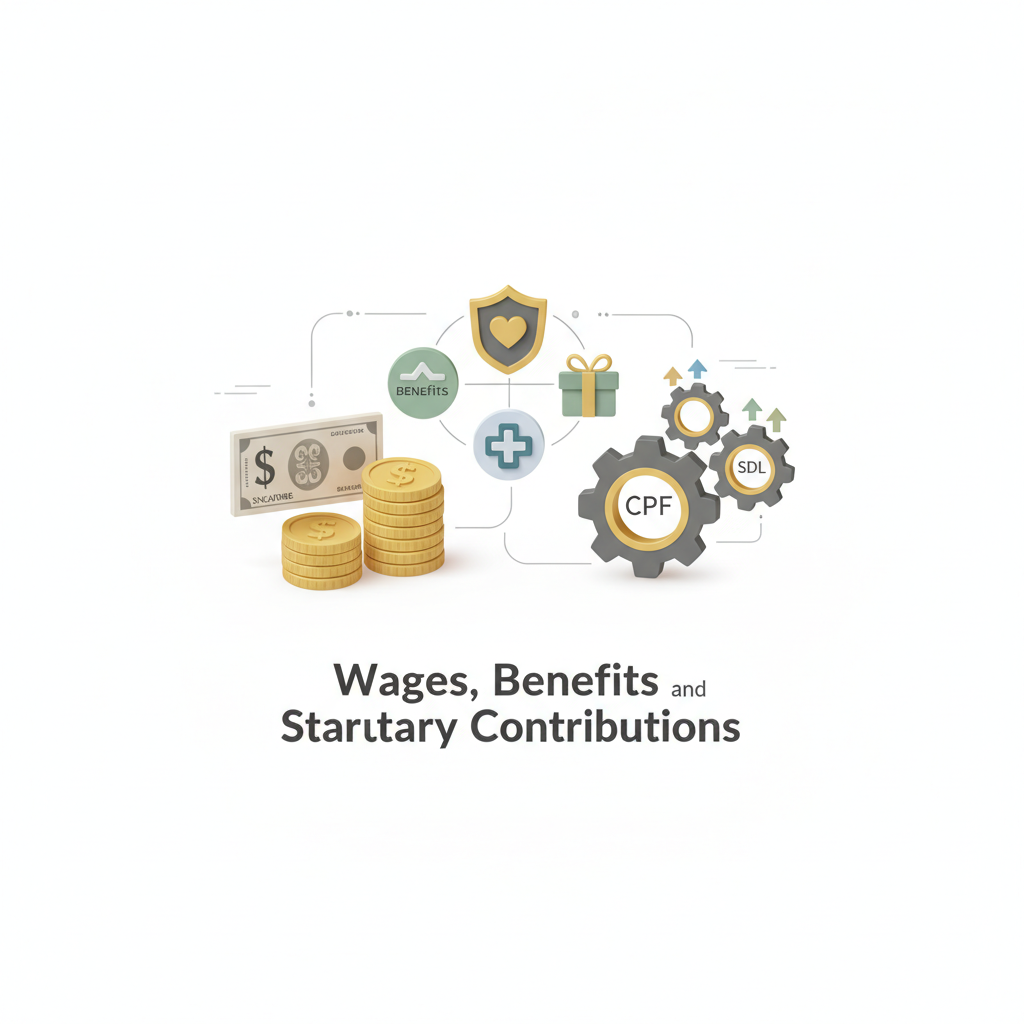
Wages, Benefits, and Statutory Contributions
Navigating the complex landscape of Legal HR terms & conditions for beauty field in Singapore is paramount for beauty businesses to ensure compliance, foster employee satisfaction, and maintain financial stability. This section delves into the critical aspects of salary structures, employee benefits, and mandatory contributions like the Central Provident Fund (CPF), providing a clear roadmap for businesses operating in Singapore’s dynamic beauty and wellness sector. Adhering to these regulations is not just a legal obligation but a cornerstone of ethical employee compensation Singapore practices and workplace fairness.
1. Minimum Wage Considerations and Payment Frequency for Beauty Professionals
While Singapore does not enforce a national minimum wage, it implements a Progressive Wage Model (PWM) for certain sectors to uplift lower-wage workers. As of now, the beauty salon HR and spa industry regulations do not fall under a mandatory PWM sector, meaning employers have the flexibility to determine wages, provided they comply with the Employment Act Singapore regarding fair employment practices. However, it’s crucial to offer competitive remuneration to attract and retain skilled beauty professionals. The Ministry of Manpower (MOM) strongly advocates for fair and reasonable wages. Employers must issue itemised payslips to all employees covered by the Employment Act. When establishing salary structure beauty industry, employers should consider industry benchmarks, job responsibilities (e.g., beautician, aesthetician, therapist), and skill sets.
Regarding payment frequency Singapore, the Employment Act mandates that salaries must be paid at least once a month. Payments can be more frequent, such as bi-weekly or weekly, if agreed upon in the employment contracts Singapore. Delay in payment can lead to legal penalties, emphasizing the importance of timely and accurate payroll compliance Singapore. Ensure that MOM regulations beauty sector for timely wage payments are strictly followed to avoid disputes and maintain a positive working environment.
2. Understanding CPF Obligations for Local and PR Beauty Staff
The Central Provident Fund (CPF) is Singapore’s comprehensive social security savings scheme, a mandatory requirement for all Singaporean Citizens and Permanent Residents (PRs) employed in Singapore. Both employers and employees are required to contribute a percentage of the employee’s monthly wages to their CPF accounts. These contributions are vital for employees’ retirement, housing, and healthcare needs, making CPF contributions for employers a significant aspect of employee benefits Singapore.
The CPF contribution rates vary based on the employee’s age and monthly wage. For instance, for employees aged 55 and below earning more than S$750 a month, the total CPF contribution rate is 37%, with the employer contributing 17% and the employee 20%. These rates are subject to periodic review by the CPF Board. Employers in the beauty field must correctly calculate and remit these contributions by the 14th day of the following month. Failing to comply with statutory contributions Singapore regulations can lead to hefty fines and legal action. It is essential for beauty salon owners to stay updated with the latest CPF contribution rates and regulations to ensure full compliance and proper HR management Singapore within their establishments.
3. Overtime Pay Rules and Public Holiday Remuneration in the Beauty Industry
Adherence to Singapore employment law regarding working hours, overtime calculation Singapore, and public holiday remuneration is critical for beauty businesses, where flexible hours and weekend work are common. For employees covered by Part IV of the Employment Act (non-workmen earning up to S$2,600 and workmen earning up to S$4,500), overtime pay provisions apply. Employees working beyond their contractual hours (typically 44 hours a week for a 5-day work week or 44 hours for a 6-day work week) must be paid at a rate of at least 1.5 times their hourly basic rate of pay. However, total overtime hours are capped at 72 hours a month. For beauty professionals, keeping accurate records of working hours is paramount to ensure proper overtime pay Singapore calculation and compliance.
Public holiday pay Singapore is another area requiring strict adherence. If an employee is required to work on a gazetted public holiday, they are entitled to an extra day’s salary or a compensatory day off in addition to their gross rate of pay for that day. Alternatively, an employer may grant time-off in lieu. The specific arrangements should be clearly stipulated in the employee contracts. Employers must be aware of statutory leave Singapore entitlements, including annual leave, sick leave, and maternity/paternity leave, ensuring these are provided in accordance with MOM guidelines. Proper management of these aspects underscores a business’s commitment to workplace fairness Singapore and avoids potential labor disputes, strengthening the business’s reputation within the beauty industry HR landscape.
Workplace Safety, Employee Welfare & Data Protection
Addresses critical aspects of creating a safe and compliant work environment, including workplace safety protocols, employee well-being, and handling personal data responsibly.
1. Essential workplace safety and health (WSH) practices for salons and spas
Ensuring a secure working environment is paramount for any business, especially within the beauty and wellness sector in Singapore, where unique hazards are prevalent. Compliance with Singapore’s Workplace Safety and Health Act (WSHA) is not merely a legal obligation but a cornerstone of ethical business practices. Salons and spas must implement robust WSH practices to protect both staff and clients. This includes rigorous protocols for chemical handling safety, especially concerning hair dyes, perm solutions, and nail products, which can pose respiratory or contact hazards. Proper ventilation, storage, and the use of Personal Protective Equipment (PPE) like gloves and masks are non-negotiable. Furthermore, ergonomic practices for beauty therapists are vital to prevent musculoskeletal injuries resulting from repetitive motions or prolonged standing. Providing adjustable chairs, ergonomic tools, and regular breaks contributes significantly to employee well-being initiatives.
Beyond chemical safety and ergonomics, salons must establish clear procedures for workplace accident reporting, ensuring that all incidents, no matter how minor, are documented and investigated to prevent recurrence. This proactive approach supports overall health and safety regulations salons must adhere to. Regular risk assessments should identify potential slip, trip, and fall hazards, fire risks, and safe handling of sharp implements. Training staff on emergency procedures and first aid is also critical. Integrating these safety measures into your company’s Legal HR terms & conditions for beauty field in Singapore demonstrates a commitment to safeguarding your workforce and maintaining a compliant, professional operation. A culture of safety encourages vigilance and empowers employees to report concerns without fear.
2. Addressing harassment and discrimination in the beauty workplace
A truly safe and respectful workplace extends beyond physical safety to encompass psychological well-being. Addressing harassment and discrimination is a critical component of the Legal HR terms & conditions for beauty field in Singapore. Employers in the beauty industry must foster an environment free from all forms of harassment, including sexual harassment, bullying, and intimidation, as well as discrimination based on gender, race, religion, age, or disability. Singapore’s progressive stance on fair employment practices means businesses are expected to uphold the Tripartite Guidelines on Fair Employment Practices (TGFEP). Developing clear anti-discrimination policies is essential, outlining what constitutes unacceptable behaviour and the consequences of such actions.
These policies should be communicated effectively to all employees during onboarding and through regular training, ensuring everyone understands their rights and responsibilities. Crucially, transparent and accessible grievance handling procedures must be established, allowing employees to report incidents confidentially and without fear of reprisal. Investigating complaints promptly, thoroughly, and impartially is paramount to maintaining trust and demonstrating a commitment to justice. Beyond policy, cultivating a supportive culture through employee well-being initiatives that promote respect, diversity, and inclusion can proactively mitigate instances of harassment and discrimination. Such measures not only protect your staff but also enhance your salon or spa’s reputation as a responsible and desirable employer within the Singaporean beauty landscape. A proactive approach to these sensitive issues forms a robust part of modern HR compliance Singapore beauty standards.
3. Personal Data Protection Act (PDPA) compliance for client and employee data
In the digital age, handling personal data responsibly is as crucial as physical safety, especially for beauty businesses that collect a wealth of sensitive information. Compliance with Singapore’s Personal Data Protection Act (PDPA) is a cornerstone of sound Legal HR terms & conditions for beauty field in Singapore. Salons and spas routinely collect client data privacy information, including contact details, service history, preferences, and sometimes even health-related information (e.g., allergies, skin conditions) to tailor treatments. Similarly, comprehensive employee data protection is required for HR records, payroll, performance reviews, and other sensitive staff information. Businesses must obtain explicit consent for data collection, usage, and disclosure, ensuring individuals are fully aware of how their data will be processed.
Transparency is key: provide clear privacy policies that outline the purposes for data collection and how long data will be retained. Implement robust security measures for sensitive data, whether stored digitally or physically, to prevent unauthorised access, modification, or disclosure. This includes secure IT systems, password protection, limited access rights, and proper disposal of physical records. Regular audits and staff training on PDPA principles are vital to maintain compliance and mitigate the risk of data breaches. Understanding and implementing these data protection principles is not just a legal mandate but a critical factor in building trust with both clients and employees. Navigating HR compliance Singapore beauty sector effectively means safeguarding personal data with the utmost care and professionalism, demonstrating a commitment to ethical operations. For comprehensive guidance on these and other HR best practices, explore resources on Legal HR terms & conditions for beauty field in singapore.
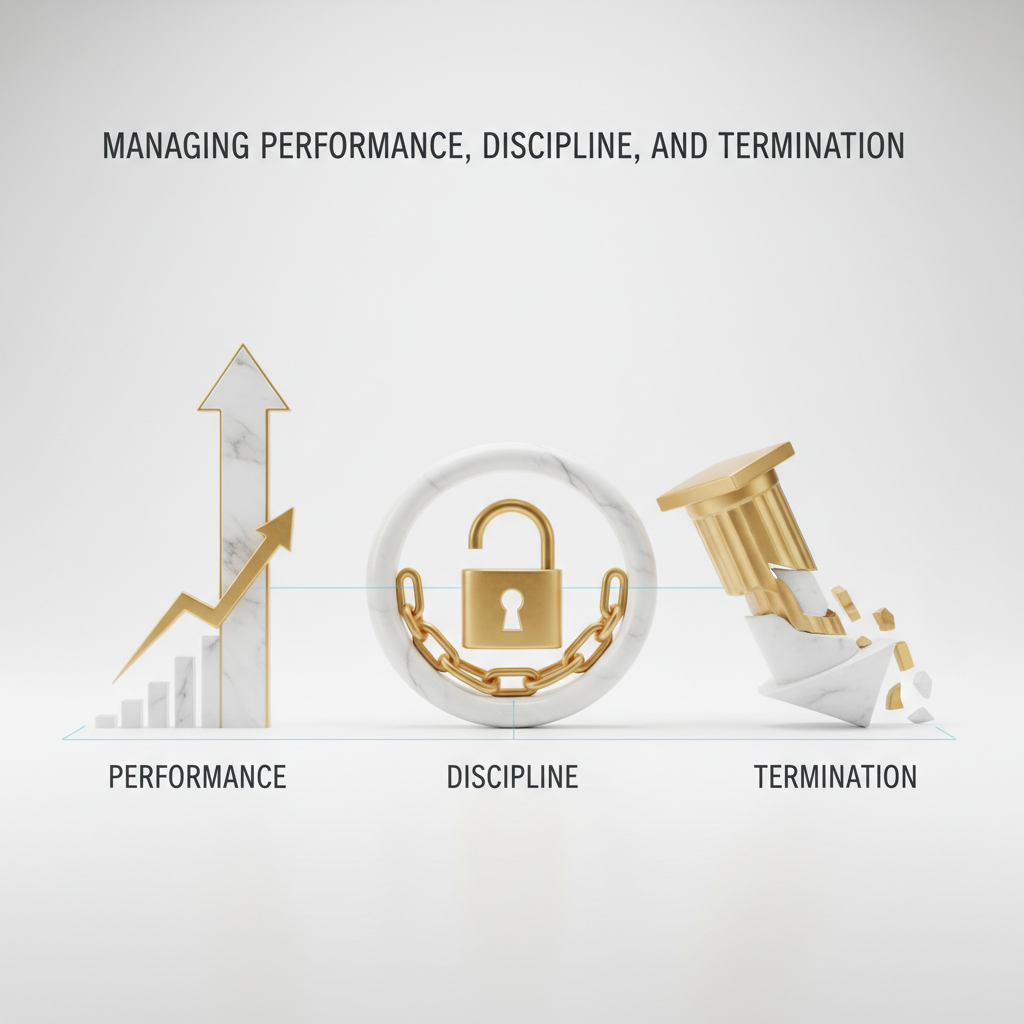
Managing Performance, Discipline, and Termination
The dynamic beauty sector in Singapore thrives on skilled professionals, yet effective human resource management is crucial for sustained success and legal compliance. Navigating the intricate landscape of legal HR terms & conditions for beauty field in Singapore requires a clear understanding of best practices for performance management, disciplinary actions, and termination. This guide provides actionable insights to help beauty businesses minimize legal risks and foster a fair, productive work environment. Adhering to Singapore’s employment act Singapore and labour laws is paramount for protecting both employers and employees, preventing disputes, and ensuring smooth operations in beauty salon HR policies and spa industry employment.
1. Fair performance appraisal systems for beauty professionals
Establishing fair appraisal systems is fundamental for motivating beauty professionals and ensuring their continuous development. A well-structured performance management Singapore framework not only enhances individual productivity but also provides a legally defensible basis for promotion, training, or corrective action. Employers must ensure appraisals are objective, transparent, and consistent. Key elements include setting clear, measurable goals aligned with job descriptions, regular feedback sessions, and documenting all performance discussions. For beauty therapists, aesthetician, and stylists, this could involve client satisfaction ratings, service upselling targets, and adherence to hygiene standards. Transparency in the process helps mitigate potential employee grievances and fosters trust, crucial for navigating HR compliance Singapore.
2. Disciplinary procedures and handling employee grievances effectively
Addressing employee misconduct or underperformance requires a structured and legally compliant approach. Effective employee discipline beauty sector practices must be clearly outlined in employment contracts and employee handbooks. The process should typically involve: thorough investigation, allowing the employee to present their side (right to be heard), providing clear warnings (verbal, written), and offering opportunities for improvement. Consistent application of these procedures is vital to avoid claims of discrimination or unfair treatment. Handling employee grievances effectively is equally important. Establishing a clear, accessible grievance mechanism allows employees to raise concerns without fear of retaliation, promoting a healthy workplace culture and preventing minor issues from escalating into significant legal challenges. Understanding the specific Singapore labour laws related to disciplinary actions is key for every employer in the beauty field. For comprehensive information on legal HR terms & conditions for beauty field in Singapore, employers can consult resources detailing compliance.
3. Legal requirements for termination, notice periods, and wrongful dismissal claims
Terminating employment is a sensitive area with significant legal implications. In Singapore, employers must adhere strictly to the Employment Act and common law principles regarding termination laws Singapore. Valid reasons for dismissal include misconduct, poor performance (after due process), redundancy, or breach of contract. It is crucial to provide appropriate notice periods Singapore, as stipulated in the employment contract or the Employment Act. Failure to do so can lead to claims for wrongful dismissal. Employers must meticulously document the reasons for termination and ensure the process is fair and transparent. Dismissal procedures Singapore demand clear communication, proper calculation of final payments, and adherence to all contractual and statutory obligations. Avoiding wrongful dismissal claims is paramount, which often arise from procedural unfairness or termination without just cause or sufficient notice. Understanding employee rights beauty industry professionals possess is critical to ensure all terminations are handled with due diligence and within legal boundaries, safeguarding the business from costly litigation. The Tripartite Alliance for Fair & Progressive Employment Practices (TAFEP) offers valuable guidelines on fair employment practices.
Partner with Shelby Global
You are looking for reliable HR Sevice Suppliers? Contact Shelby Global Now! To connect with verified talents and upgrade your orginization.
—————————————
References
– Employment Act – Ministry of Manpower Singapore: https://www.mom.gov.sg/employment-practices/employment-act
– Singapore Ministry of Manpower – Employment Act: https://www.mom.gov.sg/employment-practices/employment-act
– CPF contribution rates and regulations: https://www.cpf.gov.sg/employer/employer-obligations/cpf-contributions
– Singapore’s Workplace Safety and Health Act (WSHA): https://www.tal.sg/wshc/resources/topic/Workplace-Safety-and-Health-Act
– guidelines on fair employment practices: https://www.tafep.sg/resources



































































































