
Foundations of Employment Law in Singapore’s Fashion Sector
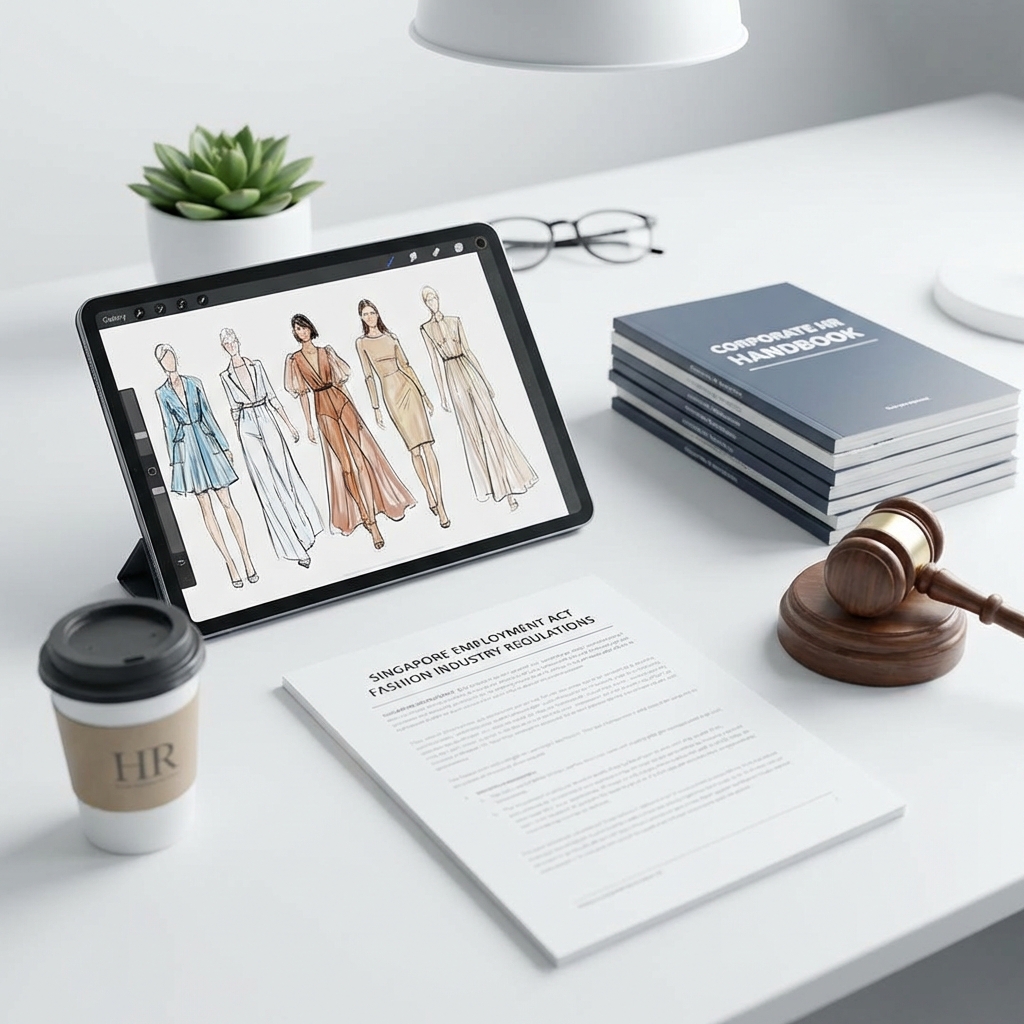
Singapore’s vibrant fashion industry, from haute couture brands to bustling retail environments and innovative e-commerce platforms, thrives on creativity and speed. However, navigating this dynamic landscape also requires a robust understanding of local employment legislation. Adherence to Legal HR terms & conditions for Fashion field in singapore is not merely a formality; it’s fundamental for sustainable growth, talent retention, and mitigating legal risks. This essential overview delves into Singapore’s core employment legislation, particularly the Employment Act, and its specific applications and implications within the unique context of the fashion sector. Understanding these frameworks is crucial for both established fashion houses and emerging startups to ensure fair practices and operational compliance, making it a cornerstone for effective human resource management in the industry.
-
Understanding the Employment Act and its scope
The bedrock of Singaporean employment law is the Employment Act (EA). This comprehensive legislation sets out the basic terms and conditions of employment for a significant portion of the workforce. For the fashion industry, this includes employees across various roles: from retail associates and merchandisers to seamstresses, administrative staff, and even junior designers. While certain provisions of the EA apply to all employees regardless of salary, key protections relating to working hours, public holidays, annual leave, sick leave, and termination notice predominantly cover employees earning up to a specified salary threshold and non-managerial or executive positions. Understanding these parameters is vital for fashion businesses, as misinterpreting the EA can lead to disputes and penalties.
Specifically, in a sector known for irregular hours, seasonal peaks, and tight deadlines—such as during fashion week preparations or major sales events—adherence to provisions on overtime pay, rest days, and holiday work is paramount. For example, a fashion boutique manager must ensure their sales assistants’ working hours comply with EA limits and that any overtime is compensated appropriately. Similarly, manufacturing ateliers producing garments must carefully manage their production teams’ shifts. Compliance with the EA helps fashion companies cultivate a fair and transparent working environment, reducing staff turnover and enhancing their reputation as responsible employers, which is particularly important for attracting and retaining talent in a competitive market.
-
Contracts of Service vs. Contracts for Service implications
A crucial distinction in Singapore employment law, particularly pertinent to the fashion industry, is the difference between a ‘Contract of Service’ and a ‘Contract for Service’. A ‘Contract of Service’ defines an employer-employee relationship, where the individual is part of the company’s organizational structure, is subject to its control, and is entitled to protections under the Employment Act, CPF contributions, and other employee benefits. This typically applies to full-time or part-time staff like retail managers, marketing executives, or in-house designers.
Conversely, a ‘Contract for Service’ characterizes a client-independent contractor relationship. This is highly common in the fashion sector, where businesses frequently engage freelancers for specific projects: think independent fashion designers for capsule collections, models for photoshoots, stylists for editorial work, photographers, makeup artists, or event planners. These individuals operate their own businesses, have greater autonomy, and are generally not covered by the EA or entitled to employee benefits. They are typically responsible for their own taxes and CPF contributions (if self-employed). Misclassifying an individual can have significant legal repercussions, including claims for unpaid CPF, benefits, and wrongful dismissal. Fashion companies must meticulously structure their agreements to reflect the true nature of the engagement, ensuring clarity regarding control, integration, and financial independence to avoid costly disputes and uphold Legal HR terms & conditions for Fashion field in singapore.
-
Fair Consideration Framework (FCF) for fashion roles
The Fair Consideration Framework (FCF) is a critical policy implemented by the Ministry of Manpower (MOM) to prevent discriminatory hiring practices and ensure that Singaporean candidates are fairly considered for job opportunities. While not exclusive to the fashion industry, the FCF has significant implications for fashion businesses, especially those seeking to bring in specialized foreign talent or expand their international teams. Under the FCF, employers applying for an Employment Pass (EP) for foreign professionals must generally advertise the job on the MyCareersFuture portal for at least 14 calendar days and fairly consider all candidates.
This framework impacts fashion companies looking to hire overseas talent for roles such as senior designers with unique international experience, specialized pattern makers, or global marketing strategists. It mandates that local talent be given a genuine opportunity for these roles first. Exemptions exist for very senior positions, short-term assignments, or small companies, but most fashion entities will need to comply. Adhering to the FCF demonstrates a commitment to local talent development and responsible recruitment, reinforcing the importance of robust internal processes for talent acquisition within the fashion landscape. Compliance is key to maintaining a good standing with MOM and ensuring smooth processing of work pass applications, underpinning compliant Legal HR terms & conditions for Fashion field in singapore practices for all aspects of talent management.
By diligently understanding and applying these foundational legal principles—from the broad protections of the Employment Act to the nuanced distinctions of service contracts and the equitable principles of the FCF—fashion businesses in Singapore can build resilient, compliant, and ethical workplaces. This proactive approach not only safeguards against potential legal challenges but also fosters a reputable environment where both local and international talent can thrive, contributing to Singapore’s reputation as a global fashion hub.
Essential HR Policies & Practices for Fashion Businesses
The dynamic world of fashion demands robust HR frameworks. For fashion companies in Singapore, establishing sound HR policies is a legal imperative. A deep understanding of the Legal HR terms & conditions for Fashion field in singapore is crucial for growth and dispute avoidance. From talent acquisition to daily operations and exits, HR policies underpin a compliant, thriving fashion enterprise. This section details critical HR areas across the employee lifecycle, highlighting key considerations under Singapore employment law.
1. Recruitment, Onboarding & Probationary Periods
Fair recruitment is paramount. Companies must adhere to Singapore’s Tripartite Guidelines on Fair Employment Practices (TGFEP), ensuring non-discriminatory processes. For fashion businesses, this means focusing on skills and experience for roles from retail to design. Clear job descriptions outlining competencies are essential.
Once hired, structured onboarding is vital. This involves introducing company culture, brand ethos, and providing industry-specific training. For designers, it’s brand aesthetics; for retail, product knowledge and customer service standards.
Probationary periods serve as a crucial assessment phase. Fashion businesses need clearly defined policies, typically 3-6 months. Policies must detail performance expectations, review schedules, and potential outcomes: confirmation, extension, or termination. Consistent documentation ensures compliance with Singapore employment law regarding probationary termination.
2. Compensation, Benefits & Overtime Regulations
Fair, compliant compensation and benefits attract and retain talent. In Singapore, the Employment Act (EA) governs terms like wages, hours, and leave. While no statutory minimum wage exists, the Progressive Wage Model (PWM) guides increments for specific sectors, potentially impacting fashion roles.
Fashion businesses must meticulously manage working hours and overtime, especially for non-executive employees earning up to $2,600/month. The EA stipulates work generally not exceeding 8 hours/day or 44 hours/week. Overtime is capped at 72 hours/month and compensated at least 1.5 times the basic hourly rate. For irregular shifts, clear policies and accurate record-keeping are indispensable.
Beyond statutory requirements (CPF, annual/sick leave), fashion companies often offer additional benefits: staff discounts, health insurance, professional development. Transparent communication regarding pay and benefits reduces disputes. For detailed regulations, employers should consult the Ministry of Manpower’s official guidelines on the Employment Act.
3. Performance Management & Disciplinary Procedures
Effective performance management fosters a productive workforce. This involves clear, measurable goals, regular feedback, and annual appraisals. For designers, performance links to successful collections; for retail, sales targets. A well-defined system helps employees understand expectations and identify development areas.
Situations may require disciplinary action. Fashion businesses need clear, documented procedures that are fair, transparent, and compliant with Singapore employment law. These should outline misconduct, investigation processes, types of actions (warnings, suspension, termination), and the employee’s right to be heard.
Crucially, any disciplinary action, especially termination, demands due process. This involves notifying the employee of allegations, thorough investigation, opportunity for explanation, and considering all evidence. Arbitrary or unfair dismissals lead to costly legal challenges, underscoring the importance of meticulous policies and actions. Understanding the nuances of legal HR terms & conditions for the fashion field in Singapore ensures justified and procedurally sound disciplinary actions, protecting the company and upholding a fair environment.
Navigating Specific Legal Challenges in Fashion HR
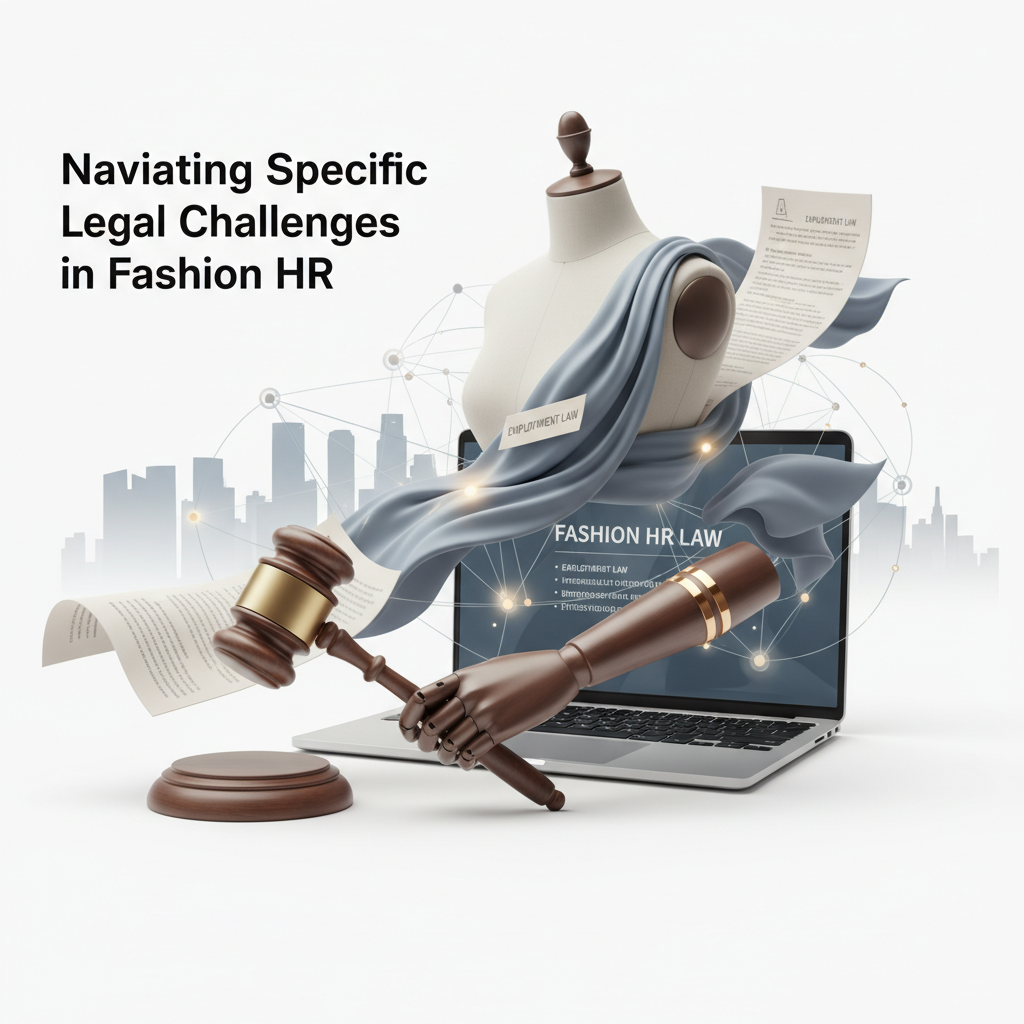
The dynamic and fast-paced fashion industry in Singapore presents a unique intersection of creativity, commerce, and complex legal and HR challenges. For brands, designers, and fashion businesses operating in this vibrant ecosystem, understanding and adhering to robust Legal HR terms & conditions for Fashion field in Singapore is not just good practice—it’s essential for sustainable growth and mitigating significant risks. This section delves into the specific legal and HR considerations prevalent in the fashion industry, addressing critical areas such as protecting intellectual property, managing models, and safeguarding trade secrets. By proactively addressing these unique challenges, fashion enterprises can build resilient operations, protect their creative assets, and foster a compliant working environment.
-
Intellectual Property Rights for Designers & Creatives
The heartbeat of the fashion industry lies in its creativity, making the protection of designs, brand identity, and original works paramount. In Singapore, Intellectual Property Rights (IPR) for designers and creatives are robustly governed by various statutes, including the Copyright Act, Designs Act, and Trade Marks Act. For fashion businesses, securing IP begins at the inception of a design. This involves ensuring that employment contracts with designers and creatives explicitly address IP assignment, typically stating that all works created within the scope of employment belong to the company (work-for-hire provisions). Without clear contractual clauses, disputes can arise over ownership, particularly when designers transition between roles or work on a freelance basis. Fashion brands must systematically register their designs (for aesthetic features of products), trademarks (for logos, brand names), and understand copyright protection which automatically applies to original literary and artistic works like sketches and fabric patterns. Proactive IP management is a cornerstone of any successful fashion enterprise’s Legal HR terms & conditions for Fashion field in Singapore, ensuring that innovative creations are legally defensible against imitation and infringement, thereby preserving competitive advantage and brand equity.
-
Model Contracts, Child Models & Indemnity Clauses
Managing talent in the fashion industry, particularly models, involves a distinct set of Legal HR terms & conditions for Fashion field in Singapore. Comprehensive model contracts are crucial, outlining usage rights (where, when, and for how long images can be used), exclusivity clauses, remuneration, and termination conditions. Transparency is key to prevent future disputes, especially concerning digital usage and global reach. A particularly sensitive area involves child models, where legal frameworks are significantly stricter. In Singapore, the Children and Young Persons Act governs the employment of minors. Businesses engaging child models must adhere to stringent requirements, including obtaining explicit parental or guardian consent, limiting working hours, ensuring adequate supervision, and safeguarding their education and well-being. Indemnity clauses are also vital components of model contracts. These clauses protect both the model and the hiring entity (brand or agency) from liability arising from specific events, such as unauthorized use of images, misrepresentation of facts, or unforeseen incidents during shoots. Properly drafted indemnity clauses can mitigate financial and reputational risks, ensuring all parties understand their responsibilities and potential liabilities.
-
Non-Disclosure Agreements (NDAs) & Restrictive Covenants
In an industry driven by trends, innovation, and competitive advantage, protecting sensitive business information is paramount. Non-Disclosure Agreements (NDAs) and restrictive covenants are indispensable tools in the fashion sector’s HR legal toolkit. NDAs are critical for safeguarding trade secrets, which can include unreleased designs, upcoming collection themes, manufacturing processes, supplier lists, marketing strategies, and client data. These agreements legally bind employees, contractors, and even potential collaborators to maintain confidentiality, preventing the unauthorized disclosure of proprietary information. Beyond NDAs, restrictive covenants, such as non-compete and non-solicitation clauses, are often integrated into employment contracts for key personnel. A non-compete clause prevents an employee from working for a direct competitor for a specified period after leaving, while a non-solicitation clause prohibits them from poaching former clients or employees. In Singapore, the enforceability of restrictive covenants hinges on their reasonableness in terms of scope, duration, and geographical area. Courts will scrutinize these clauses to ensure they protect legitimate business interests without unduly restricting an individual’s livelihood. Crafting enforceable NDAs and restrictive covenants is a cornerstone of strong Legal HR terms & conditions for Fashion field in Singapore, safeguarding a fashion business’s most valuable assets beyond its physical products.
Termination, Redundancy & Dispute Resolution
Comprehensive guidelines for legally compliant termination processes, managing redundancies, and effective strategies for resolving workplace disputes within the fashion sector in Singapore. Navigating the nuances of Legal HR terms & conditions for Fashion field in singapore is crucial for maintaining a fair and stable work environment.
1. Grounds for Termination & Notice Periods
In Singapore, the termination of employment must adhere strictly to the Employment Act and contractual agreements. For businesses in the vibrant fashion sector, understanding the legitimate grounds for termination is paramount to avoid wrongful dismissal claims. Valid grounds typically include serious misconduct (e.g., theft, fraud, insubordination, harassment), poor performance after adequate warning and opportunity for improvement, medical unfitness to perform duties, or a breach of contractual terms. Before termination, employers must ensure a fair and transparent due process, which often involves conducting investigations, providing the employee with an opportunity to explain their actions, and issuing warnings where appropriate. This is particularly crucial in the creative and fast-paced fashion industry, where specific contractual obligations like intellectual property protection or non-compete clauses for designers and executives add layers of complexity.
Regarding notice periods, these are stipulated in the employment contract. If not specified, the Employment Act dictates minimum notice periods based on the length of service: 1 day for less than 26 weeks, 1 week for 26 weeks to 2 years, 2 weeks for 2 years to 5 years, and 4 weeks for 5 years or more. Employers have the option to pay salary in lieu of notice, allowing for immediate termination. Conversely, employees also have a right to give notice. Adhering to these regulations is a cornerstone of sound Legal HR terms & conditions for Fashion field in Singapore, ensuring both parties are protected under Singapore employment law fashion.
2. Redundancy Procedures & Severance Pay
When a role is no longer necessary due to genuine business restructuring, technological advancements, or economic downturns, companies in Singapore’s fashion industry may need to implement redundancy. It is critical to distinguish redundancy from performance-related dismissals. Redundancy must be due to legitimate business reasons, such as market shifts, supply chain disruptions affecting production, or automation impacting retail operations, and not an individual employee’s performance. Singapore employment law fashion mandates employers to manage redundancies responsibly and fairly. The Ministry of Manpower’s (MOM) Tripartite Guidelines on Managing Excess Manpower and Responsible Retrenchment provide a framework for ethical practices.
Key steps include early communication with affected employees, fair and objective selection criteria (e.g., based on skills, experience, and productivity, not discriminatory factors), and providing support to affected staff. Employers are encouraged to explore alternatives to retrenchment where possible, such as redeployment, retraining, or adjusting working hours. Severance pay is a crucial component of redundancy packages. While not legally mandated for all employees, it is often stipulated in employment contracts or collective agreements. Employees with at least two years of service are generally eligible for retrenchment benefits, typically ranging from two weeks to one month’s salary per year of service, depending on industry norms and company policy. This ensures a compassionate and legally sound exit strategy, reflecting best practices in fashion industry HR Singapore.
3. Mediation & Dispute Resolution via MOM and TADM
Despite best intentions, workplace disputes can arise. For companies within the dynamic fashion sector, effective dispute resolution mechanisms are essential. Initially, employers should strive for internal resolution through open dialogue and internal grievance procedures. However, if internal efforts fail, Singapore offers robust external avenues for resolution through the Ministry of Manpower (MOM) and the Tripartite Alliance for Dispute Management (TADM). TADM provides advisory and mediation services for employment-related disputes, covering a wide array of issues such as salary arrears, unfair dismissal, breach of contract, and other terms and conditions of employment. Both employees and employers can approach TADM for assistance.
The mediation process at TADM is confidential and aims to facilitate an amicable settlement between parties without resorting to litigation. If mediation proves unsuccessful, the case may be referred to the Employment Claims Tribunals (ECT). The ECT adjudicates statutory salary-related claims and claims for wrongful dismissal, providing a more formal resolution pathway. This system ensures that workplace conflicts are addressed fairly and efficiently, upholding the principles of Singapore employment law fashion. Engaging with MOM and TADM demonstrates a commitment to fair employment practices and can protect businesses from prolonged legal battles, maintaining a positive reputation within the fashion industry HR Singapore. Understanding these channels is vital for comprehensive HR management.
Future Outlook: Legal HR Compliance & Trends in Singapore Fashion 2026
As Singapore’s dynamic fashion industry continues its rapid evolution, driven by digital transformation and shifting consumer landscapes, the realm of human resources compliance is becoming increasingly intricate. Fashion companies, from established luxury brands to burgeoning e-commerce startups, must proactively navigate the complex web of Legal HR terms & conditions for Fashion field in Singapore to ensure robust compliance and foster a resilient workforce. This section delves into anticipated legislative updates, emerging trends, and best practices, equipping fashion businesses to prepare for the future workforce and uphold ethical, legally sound employment practices through 2026 and beyond.

1. Anticipated Legislative Updates & Amendments
Singapore’s commitment to creating a fair and progressive workplace means that the legislative landscape for HR is constantly being refined. A significant development on the horizon is the upcoming Workplace Fairness Act (WFA). This landmark legislation aims to enshrine protection against workplace discrimination into law, extending beyond current guidelines to cover areas like age, race, religion, gender, marital status, family responsibilities, and disability. For fashion companies, this translates into a heightened need to review and update recruitment processes, promotion criteria, and termination policies to ensure absolute impartiality and transparency. Employers must also prepare for potential shifts in data protection regulations, especially concerning employee personal data, and possible enhancements to existing frameworks around flexible work arrangements and leave entitlements, influencing workplace fairness in Singapore.
Beyond the WFA, businesses should monitor adjustments to the Employment Act (EA) regarding employment contract clauses, working hours, and dispute resolution mechanisms. Changes in Central Provident Fund (CPF) contributions or eligibility for various government grants related to talent development and upskilling are also common and require HR departments to stay vigilant. Proactive engagement with legal counsel and HR compliance experts will be crucial to interpreting these updates and translating them into actionable policies that protect both employer and employee interests within the unique dynamics of the fashion sector.
2. Impact of Technology & Gig Economy on Fashion HR
The convergence of technology and the gig economy is reshaping traditional employment models across industries, and fashion is no exception. Automation and AI are increasingly integrated into design, supply chain management, retail analytics, and customer service, demanding new skill sets from the workforce and potentially rendering some existing roles redundant. HR in fashion must therefore focus on strategic workforce planning, upskilling, and reskilling initiatives to prepare employees for these evolving demands. This includes investing in training for digital tools, data analytics, and sustainable practices that are becoming core to modern fashion operations.
Furthermore, the rise of freelance designers, stylists, models, and content creators working on project-basis highlights the growing prevalence of the gig economy. This trend necessitates a re-evaluation of employment classifications, ensuring clear distinctions between employees and independent contractors to avoid legal pitfalls regarding benefits, taxes, and statutory obligations. Fashion businesses must develop robust contractor agreements that clearly outline deliverables, intellectual property rights, and payment terms, while also considering how to foster engagement and loyalty among this flexible workforce. Developing clear guidelines for flexible work arrangements in the fashion industry will be vital for attracting and retaining diverse talent pools. Understanding the nuances of Legal HR terms & conditions for Fashion field in Singapore becomes even more critical in managing this blended workforce effectively.
3. Promoting Diversity, Equity & Inclusion (DEI) in the Fashion Workplace
Diversity, Equity, and Inclusion (DEI) is no longer just a buzzword but a strategic imperative for fashion brands seeking innovation, broader market appeal, and enhanced talent attraction. A diverse workforce brings a wider range of perspectives, fostering creativity—a cornerstone of the fashion industry. Beyond legal compliance, establishing a truly inclusive culture means proactively addressing unconscious biases in hiring, promotion, and day-to-day interactions. This includes implementing blind recruitment processes, setting clear career progression paths, and providing training on unconscious bias and cultural sensitivity.
For fashion companies in Singapore, this means ensuring that their workforce reflects the multi-cultural fabric of the nation and appeals to a global consumer base. Developing comprehensive DEI policies that are embedded into the company’s ethos, from leadership commitment to employee-led initiatives, will be key. This proactive approach not only enhances brand reputation but also creates a more equitable and productive environment, aligning with evolving societal expectations and strengthening a company’s adherence to best-in-class Legal HR terms & conditions for Fashion field in Singapore. Prioritizing DEI will allow fashion businesses to attract and retain top talent, fostering an environment where every individual feels valued and empowered to contribute their unique skills.
Partner with Shelby Global
You are looking for reliable HR Sevice Suppliers? Contact Shelby Global Now! To connect with verified talents and upgrade your orginization.
—————————————
References
– Employment Act (EA): https://www.mom.gov.sg/employment-practices/employment-act
– Ministry of Manpower’s official guidelines on the Employment Act: https://www.mom.gov.sg/employment-practices/employment-act
– Intellectual Property Rights: https://www.ipos.gov.sg/protecting-your-ip/designs/overview
– Ministry of Manpower Singapore: Termination of Employment: https://www.mom.gov.sg/employment-practices/termination-of-employment
– Workplace Fairness Act: https://www.mom.gov.sg/employment-practices/workplace-fairness-act