
Key Malaysian Employment Legislation
Understanding the foundational legal frameworks governing employment relationships is paramount for any organization, especially within Malaysia’s dynamic production sector. Ensuring robust Legal HR terms & conditions for production field in Malaysia is not merely about compliance; it’s about fostering a stable, fair, and productive work environment. This overview delves into the core acts that HR professionals must master to navigate the complexities of Malaysian labor law, covering everything from employment contracts and working hours to industrial relations and dispute resolution.
-
Employment Act 1955 (EA 1955) Amendments
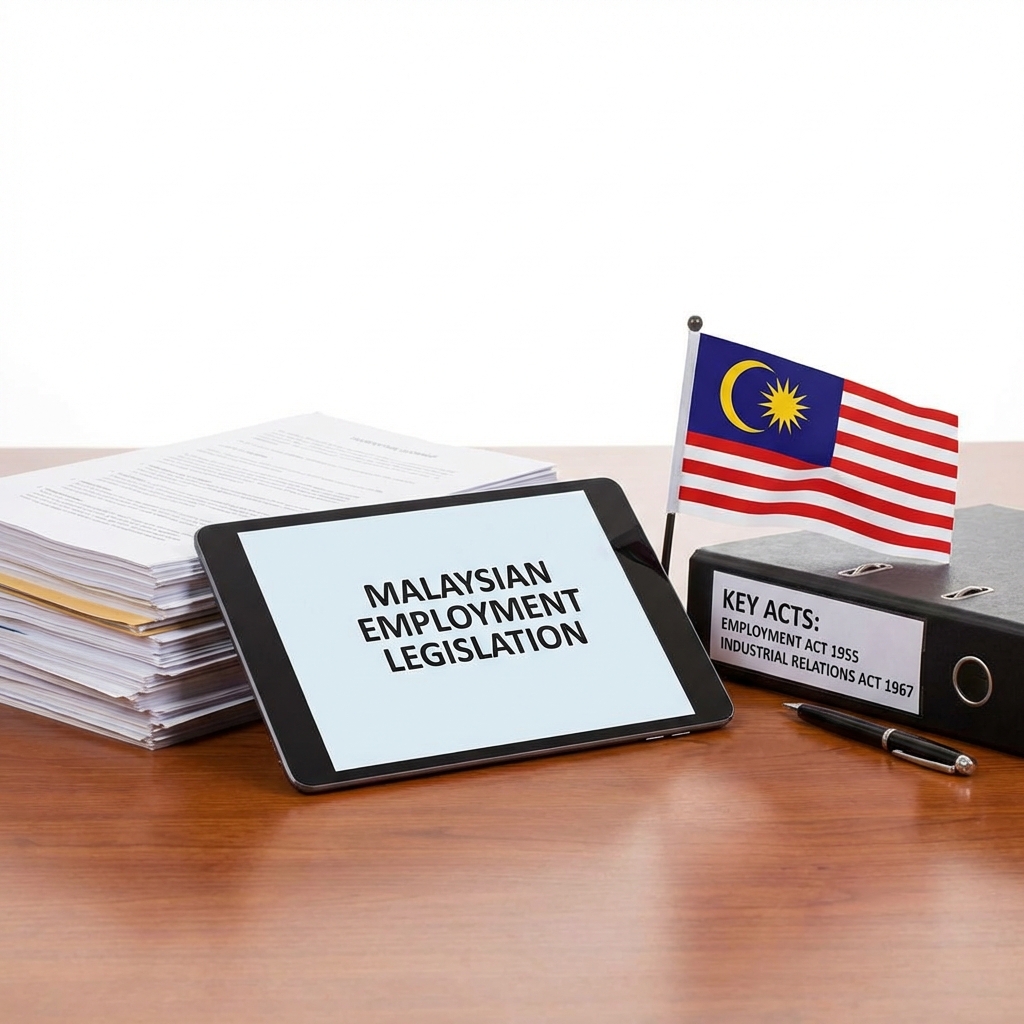
The Employment Act 1955 (EA 1955) stands as the cornerstone of Malaysian labour law, governing the minimum terms and conditions of employment for eligible employees. Initially covering only manual workers and those earning below a certain threshold, significant amendments, effective from January 1, 2023, have drastically expanded its scope. Crucially, the EA 1955 now applies to virtually all employees, irrespective of salary level, which is a game-changer for HR compliance across all sectors, including the production field. Key changes include the reduction of weekly working hours from 48 to 45, the introduction of flexible working arrangements, and enhanced provisions for paternity leave (7 days) and maternity leave (98 days). Furthermore, the amendments have strengthened protections against forced labour and discrimination, mandating employers to prominently display a notice on sexual harassment. For HR professionals managing the production workforce, a thorough understanding of these updated statutory employee benefits and obligations is essential to ensure employment contracts are compliant and that employee rights regarding working hours, holidays, and termination procedures are strictly upheld. This ensures fair treatment and avoids potential industrial disputes.
-
Industrial Relations Act 1967 (IRA 1967) Significance
While the EA 1955 outlines individual employment terms, the Industrial Relations Act 1967 (IRA 1967) governs the collective aspects of the employment relationship, focusing on industrial harmony and dispute resolution. This Act is vital for managing trade unions, collective bargaining, and addressing industrial disputes, which can be particularly prevalent in larger production environments. The IRA 1967 provides mechanisms for conciliation and arbitration through the Department of Industrial Relations and the Industrial Court. It safeguards against unfair dismissal, allowing employees who believe they have been unjustly terminated to seek reinstatement or compensation. HR departments in the production sector must be adept at handling issues such as collective agreements, recognition of trade unions, and navigating the formal processes for grievance handling and conciliation to prevent or resolve industrial actions like strikes or lockouts. Maintaining positive industrial relations is key to uninterrupted operations and overall HR compliance, ensuring stability in a sector often sensitive to labor unrest. Effective management of these legal frameworks prevents costly legal battles and upholds fair labour law enforcement.
-
Sabah & Sarawak Labour Ordinances Specifics
A critical point of distinction for businesses operating across Malaysia is that the Employment Act 1955 primarily applies to Peninsular Malaysia. The states of Sabah and Sarawak, located on Borneo Island, operate under their own distinct labour laws: the Labour Ordinance (Sabah Cap. 67) and the Labour Ordinance (Sarawak Cap. 76), respectively. While these ordinances share many similarities with the EA 1955 in principle, covering areas like working hours, leave entitlements, and employment contracts, they also contain specific provisions tailored to the local context. For example, there might be differences in calculating statutory contributions, specific allowances, or procedures for termination. Companies with operations in East Malaysia, especially those with production facilities in these states, must meticulously adhere to these regional labor laws. Ignoring these specifics can lead to significant HR compliance issues and penalties. Therefore, HR professionals must be well-versed in the nuances of both the EA 1955 and the relevant Labour Ordinances to ensure all employees, regardless of location within Malaysia, receive their rightful employee benefits and that all labor law enforcement requirements are met, fostering consistent and equitable legal HR terms & conditions for production field in Malaysia.
Wages, Working Hours, and Statutory Benefits
In the dynamic landscape of Malaysia’s manufacturing and production sector, adhering to robust legal HR terms & conditions for production field in Malaysia is not merely a best practice but a statutory obligation. Navigating the intricate framework of the Malaysian Employment Act 1955 and its subsidiary regulations is paramount for businesses to ensure fair employment practices, mitigate legal risks, and foster a productive workforce. This section delves into the essential legal mandates concerning employee remuneration, standard working hours, overtime regulations, and mandatory leave entitlements, providing a clear guide for HR compliance Malaysia specifically within the demanding production environment, covering vital aspects such as factory workers rights and overall production sector employment law.
1. Minimum Wage Order Compliance
Ensuring compliance with the Minimum Wage Order 2022 is foundational to legal HR terms & conditions for production field in Malaysia. As of May 1, 2022, the prescribed national minimum wage stands at RM1,500 per month, applicable uniformly across all sectors, including the bustling production industry, regardless of an employee’s location within Malaysia. This directive, established under the National Wages Consultative Council Act 2011, aims to safeguard the basic living standards of all employees. Employers in the production field must ensure that the basic wages paid to their factory workers meet or exceed this threshold. Failure to comply can lead to severe penalties, including fines and imprisonment, underscoring the critical importance of diligent HR compliance Malaysia. The Malaysian Employment Act 1955 underpins many of these provisions, ensuring that all employees, including those engaged in intensive manufacturing roles, receive equitable remuneration. Businesses must regularly review their payroll systems to reflect any updates to the Minimum Wage Order, keeping abreast of these crucial legal HR terms & conditions for production field in Malaysia to avoid any contraventions and uphold the rights of their workforce. Further information can be found on official government sources on minimum wage.
2. Overtime Regulations & Rest Days
Beyond minimum wage, understanding working hours Malaysia and overtime pay Malaysia is crucial for legal HR terms & conditions for production field in Malaysia. The Malaysian Employment Act 1955 stipulates standard working hours typically at 8 hours a day or 48 hours a week. For any work performed beyond these standard hours, employees, particularly factory workers in the production sector, are entitled to overtime pay. Overtime rates vary: 1.5 times the hourly rate for work performed beyond normal working hours on a normal working day, 2 times the hourly rate for work performed on a rest day, and 3 times the hourly rate for work on a gazetted public holiday. It is imperative for businesses to accurately track working hours and calculate overtime pay Malaysia to prevent disputes and ensure HR compliance Malaysia. The Act also mandates rest day provisions, granting employees at least one whole day of rest in every week. Proper management of shifts and workload is vital to adhere to these overtime regulations while maintaining production efficiency. For more detailed guidance on navigating legal HR terms & conditions for production field in Malaysia, particularly concerning overtime regulations and rest day provisions within the manufacturing context, further resources can be found here.
3. Annual, Sick, & Maternity/Paternity Leave
Statutory leave entitlements form another cornerstone of legal HR terms & conditions for production field in Malaysia, ensuring employee well-being and productivity.
Annual Leave Entitlement:
Annual leave entitlement in Malaysia is determined by an employee’s length of service. Employees with less than two years of service are entitled to 8 days of paid annual leave, those with two to five years receive 12 days, and those with five years or more are granted 16 days annually. This progressive structure acknowledges long-term contributions and is a key aspect of HR compliance Malaysia for the production sector employment law.
Sick Leave Benefits:
Sick leave benefits are also mandated, with employees entitled to 14 days of paid sick leave for less than two years of service, 18 days for two to five years, and 22 days for five years or more. If hospitalization is required, an employee may be entitled to up to 60 days of paid hospitalization leave per year, inclusive of the aforementioned sick leave entitlements, provided a registered medical practitioner certifies the need.
Maternity Leave Malaysia:
Recent amendments to the Malaysian Employment Act 1955 have significantly enhanced maternity leave Malaysia provisions. Female employees are now entitled to 98 consecutive days of paid maternity leave, up from 60 days. This period ensures adequate recovery and bonding time. Employers are also prohibited from terminating a pregnant employee or one suffering from an illness arising out of her pregnancy, reinforcing factory workers rights and broader production sector employment law.
Paternity Leave Changes:
A new development in legal HR terms & conditions for production field in Malaysia is the introduction of paternity leave changes. Male employees are now entitled to 7 consecutive days of paid paternity leave, applicable for up to five births, provided they have been employed for at least 12 months immediately before the commencement of the leave and their spouse is eligible for maternity leave. These comprehensive leave entitlements underscore Malaysia’s commitment to supporting its workforce and are integral to maintaining exemplary HR compliance Malaysia.
Occupational Safety and Health (OSH) Compliance
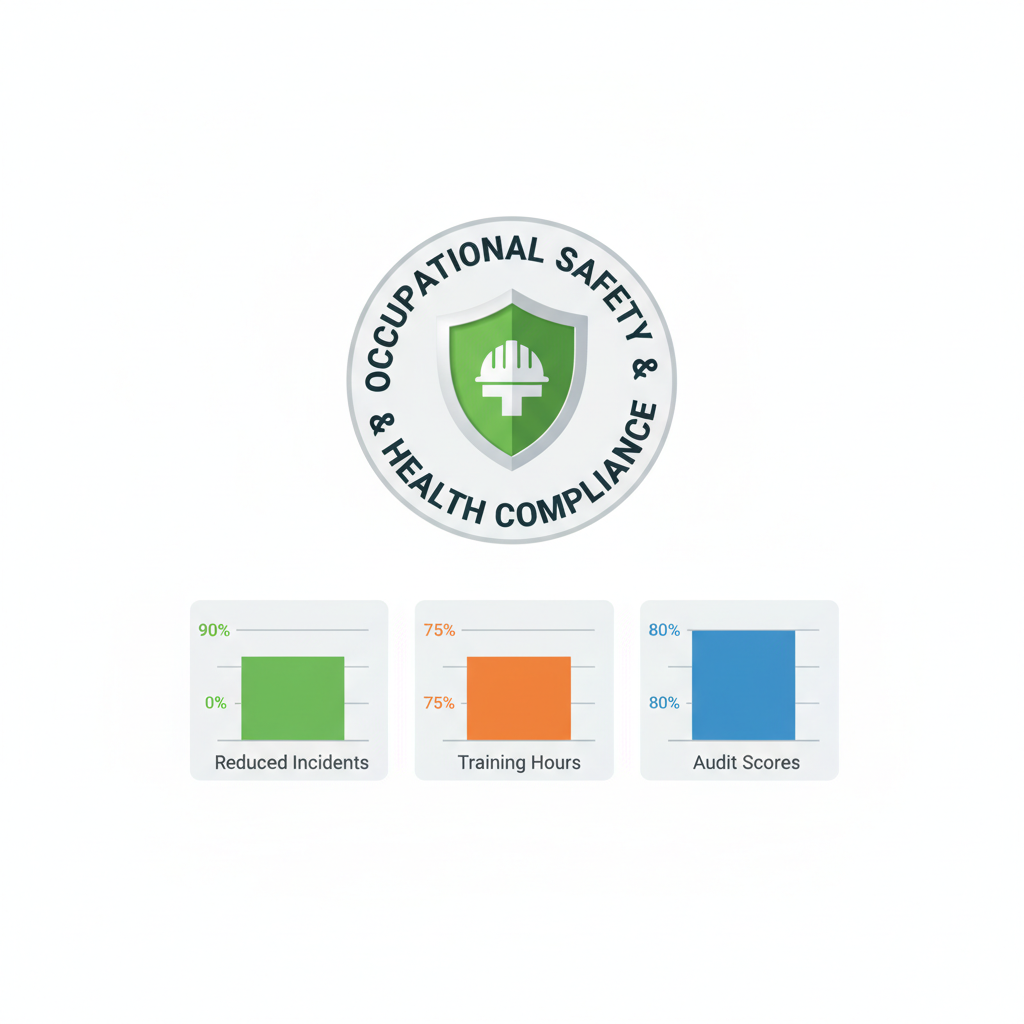
Understanding the crucial legal obligations for employers in ensuring a safe and healthy working environment within production facilities is paramount for businesses operating in Malaysia. Adhering to Legal HR terms & conditions for production field in Malaysia is not just a regulatory formality but a fundamental commitment to worker welfare and operational continuity. This section delves into the core aspects of Occupational Safety and Health (OSH) compliance, outlining key legislative frameworks and their implications for the production field in Malaysia. Employers must navigate a complex landscape of workplace safety regulations Malaysia, industrial health standards, and safety management systems to safeguard their workforce and avoid severe penalties. From hazard identification and control to mandatory OSH training requirements and accident reporting procedures, comprehensive legal compliance production Malaysia is non-negotiable for sustained operational excellence and employee well-being.
-
Occupational Safety and Health Act 1994 (OSHA)
The cornerstone of Malaysia OSH laws is the Occupational Safety and Health Act 1994 (OSHA). This comprehensive legislation was enacted to secure the safety, health, and welfare of persons at work, protect others against risks to safety or health arising from the activities of persons at work, and promote an occupational environment adapted to the physiological and psychological needs of such persons. OSHA 1994 adopts a self-regulation principle, placing general duties on employers, employees, self-employed persons, designers, manufacturers, and importers to ensure safety and health in the workplace. For employers in the production field, this translates into a responsibility to provide and maintain safe plant and systems of work, make arrangements for ensuring safety and absence of risks to health in connection with the use or operation of machinery and hazardous substances, and provide necessary information, instruction, training, and supervision. Compliance with OSHA is crucial for implementing effective safety management systems and mitigating risks, thereby enhancing overall workplace safety regulations Malaysia.
-
Factories and Machinery Act 1967 Adherence
While OSHA 1994 provides a general framework, the Factories and Machinery Act 1967 (FMA) offers specific directives, particularly relevant to industrial settings with heavy equipment and complex operations. This older but still highly pertinent Act focuses on the safe operation, design, registration, and maintenance of machinery and factories. It stipulates detailed requirements for guarding dangerous parts of machinery, providing safe access to workplaces, and ensuring proper ventilation and lighting. Adherence to FMA 1967 is critical for hazard identification and control, ensuring that all machinery, from processing units to conveyor belts, meets the prescribed safety standards. Employers must ensure regular inspections, certifications, and maintenance of equipment, coupled with the provision of appropriate personal protective equipment (PPE) for workers. This targeted legislation works in tandem with OSHA to form a robust legal framework, directly impacting industrial health standards and fostering a safer environment in production facilities.
-
Employer Duties & Worker Rights in OSH
A comprehensive understanding of OSH compliance hinges on recognizing both the duties of employers and the rights of workers. Employers are legally obligated to provide a safe working environment, which includes conducting risk assessments, implementing control measures, providing OSH training requirements, and establishing safety committees Malaysia in larger organizations. They must also ensure that all incidents and accidents are meticulously recorded and reported through proper accident reporting procedures to the Department of Occupational Safety and Health (DOSH). Concurrently, employees have a right to a safe workplace and a duty to cooperate with their employer’s OSH initiatives, use PPE correctly, and report any unsafe conditions. Worker welfare production is prioritized through provisions that allow employees to refuse work that poses imminent danger. Neglecting these fundamental employer duties & worker rights in OSH can lead to severe legal consequences, including fines and imprisonment, making HR compliance manufacturing Malaysia a critical component of successful and ethical business operations in the production field.
Managing Foreign Workers in Production
Malaysia’s manufacturing and production sectors heavily rely on foreign talent, making the effective and compliant management of these workers a critical aspect of successful operations. Navigating the complex landscape of legal requirements and best practices is essential for employers to ensure both operational continuity and ethical treatment. Understanding the specific Legal HR terms & conditions for production field in malaysia is paramount to mitigate risks, avoid penalties, and foster a productive work environment for the foreign worker employment Malaysia landscape. This guide addresses key areas for managing foreign workers in the production sector, focusing on compliance, welfare, and responsible HR practices.
-
Immigration & Employment Permit Requirements
The cornerstone of legally employing foreign workers in Malaysia’s manufacturing HR regulations lies in adherence to strict immigration and employment permit requirements. Employers must secure a Temporary Employment Pass (Pas Lawatan Kerja Sementara – PLKS) for each foreign worker. The application process involves multiple stages, beginning with quotas approved by the Ministry of Human Resources and subsequent approvals from the Immigration Department of Malaysia. Key documentation includes the worker’s passport, medical examination reports (FOMEMA), and employment contracts. It is the employer’s responsibility to manage the renewal process diligently to avoid lapses that could lead to severe penalties, including fines and imprisonment. Non-compliance with these regulations not only disrupts production but also damages a company’s reputation. Proactive management of these permits ensures a stable and legal workforce, crucial for sustained production sector HR.
-
Employer Responsibilities & Welfare Provisions
Beyond securing permits, Malaysian law places significant responsibilities on employers regarding the welfare and fair treatment of their foreign workforce. Adherence to the Employment Act 1955 dictates statutory working hours, leave entitlements (annual leave, sick leave, public holidays), and minimum wage requirements. Employers are also obligated to contribute to the Social Security Organization (SOCSO) for foreign workers, providing protection against employment injuries and invalidity. While contributions to the Employees Provident Fund (EPF) for foreign workers are optional, many employers include it as part of their benefits package to attract and retain talent, aligning with HR best practices Malaysia. Crucially, employers must ensure transparent employment contracts, provide clear grievance mechanisms, and uphold principles of non-discrimination, safeguarding migrant worker rights. Detailed information on these obligations can be found through official Malaysian labor laws and guidelines issued by the Ministry of Human Resources Malaysia.
-
Workers’ Housing and Amenities Act 1990 (Act 446)
A pivotal piece of legislation governing the welfare of foreign workers, particularly concerning accommodation, is the Workers’ Housing and Amenities Act 1990 (Act 446), significantly amended in 2019. This act mandates employers to provide suitable accommodation that meets prescribed minimum standards for safety, health, and comfort. These standards cover aspects such as minimum space per worker, adequate ventilation, sanitation facilities, and separation of genders. Employers are required to obtain a Certificate of Accommodation from the Department of Labour Peninsular Malaysia (JTKSM) before housing any workers, including foreign nationals. Failure to comply with Act 446 can result in substantial fines or imprisonment, reflecting the government’s commitment to improving welfare provisions foreign workers. Beyond legal compliance, providing quality accommodation standards foreign workers is a critical component of ethical recruitment and retention, contributing positively to worker morale and productivity. This comprehensive approach to statutory obligations Malaysia ensures a humane and compliant environment for all foreign employees.
Effectively managing foreign workers in Malaysia’s production sector demands a proactive and comprehensive approach to HR. By meticulously adhering to immigration regulations, upholding employer responsibilities and welfare provisions, and ensuring compliance with accommodation standards under Act 446, businesses can build a resilient, ethical, and productive workforce, ensuring sustainable growth and adherence to ethical recruitment Malaysia principles. This commitment not only secures legal standing but also enhances the overall well-being of the workforce.
Termination, Dismissal, and Dispute Resolution
Guiding employers through the legal processes for employment termination, handling unfair dismissal claims, and resolving industrial disputes effectively.
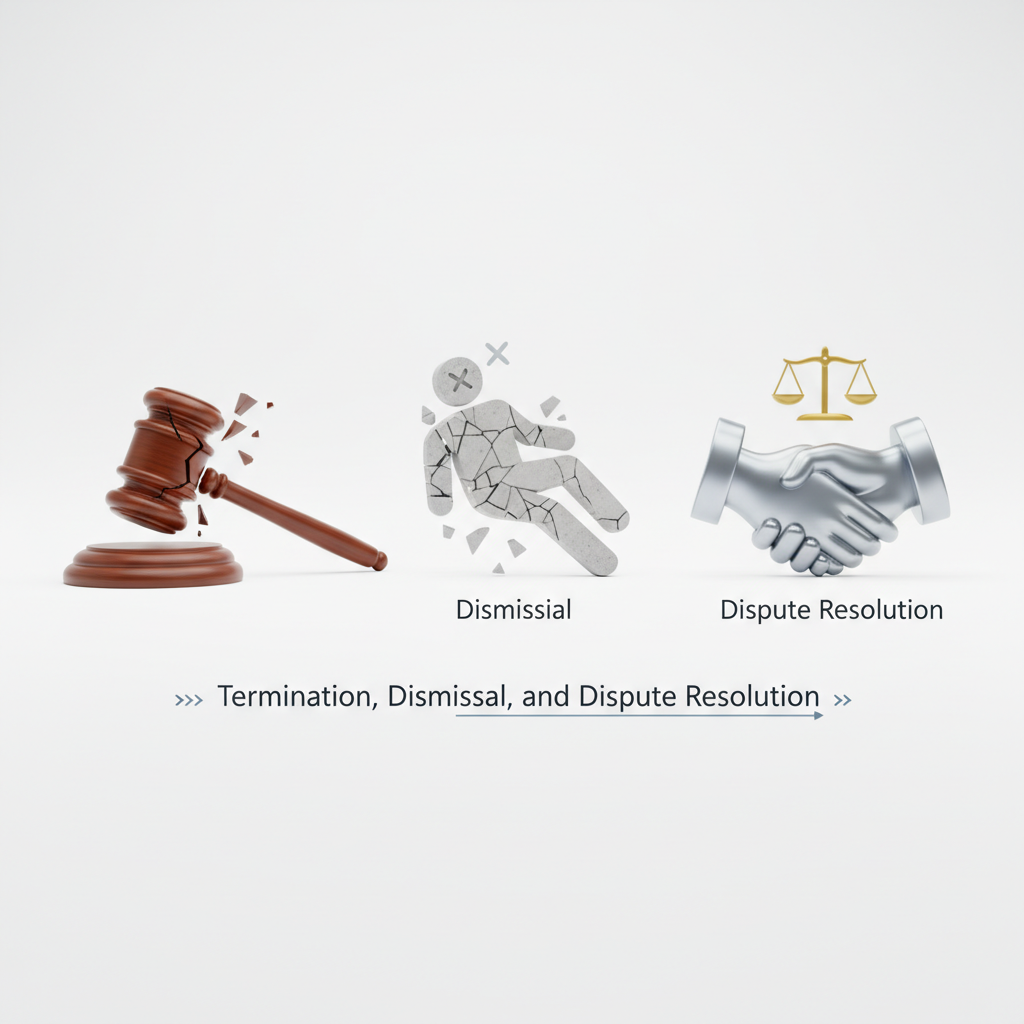
In the dynamic environment of Malaysia’s production sector, understanding the intricacies of employment termination, dismissal, and dispute resolution is paramount for maintaining a compliant and harmonious workplace. Employers must navigate a complex web of Malaysian labor law and HR compliance Malaysia to ensure all actions are legally sound, mitigating risks of costly disputes and reputational damage. This section provides a comprehensive guide to the legal HR terms & conditions for production field in malaysia, focusing on lawful procedures, handling unfair dismissal claims, and effective dispute resolution mechanisms.
1. Lawful Termination Procedures
Terminating an employee in Malaysia requires strict adherence to statutory provisions, particularly the Employment Act 1955 and the Industrial Relations Act 1967. Employers in the production field must have a “just cause or excuse” for dismissal, a principle reinforced by industrial court rulings. Common grounds for lawful termination include misconduct, poor performance, redundancy, or fundamental breach of employment contracts Malaysia.
For misconduct, a thorough disciplinary process is essential. This typically involves issuing show cause letters, conducting a domestic inquiry – ensuring the employee has the opportunity to defend themselves – and providing transparent documentation of the proceedings. Failing to follow due process, even if the misconduct is proven, can lead to a finding of unfair dismissal. Regarding poor performance, employers must demonstrate that adequate training, warnings, and opportunities for improvement were provided, and that performance targets were reasonable and communicated clearly. This falls under effective performance management Malaysia.
Redundancy, or retrenchment, necessitates compliance with specific retrenchment procedures Malaysia, including fair selection criteria, consultation with employees and trade unions (if applicable), and adequate notice period as per termination notice Malaysia clauses or statutory requirements. Employers should also consider alternative measures to retrenchment where possible. Proper documentation and adherence to these procedures are crucial to avoid legal challenges, ensuring all disciplinary action Malaysia is justifiable and transparent.
2. Handling Unfair Dismissal Claims
An employee who believes they have been dismissed without just cause or excuse may file an unfair dismissal claim with the Director General of Industrial Relations within 60 days of their dismissal. This is a critical area where knowledge of industrial relations act Malaysia becomes vital. The process typically begins with conciliation, an attempt to resolve the dispute amicably between the employer and employee, often facilitated by an Industrial Relations Officer. During this phase, presenting a strong case demonstrating adherence to fair legal HR terms & conditions for production field in malaysia is essential.
Should conciliation fail, the case may be referred to the Industrial Court. Here, employers must be prepared to prove that the dismissal was for a just cause or excuse, and that due process was followed. The burden of proof lies with the employer. Failure to meet this burden can result in the employee being reinstated to their former position and/or awarded back wages, potentially up to 24 months’ salary. Understanding the nuances of employee grievances Malaysia and having robust HR records are key to successfully defending such claims. For detailed insights into employee rights and employer obligations, the Ministry of Human Resources Malaysia website offers comprehensive resources on Malaysian labor law.
3. Industrial Court & Conciliation Processes
The Industrial Court plays a pivotal role in resolving workplace disputes Malaysia that cannot be settled through conciliation. It is a specialized tribunal established under the Industrial Relations Act 1967, designed to ensure industrial harmony by arbitrating trade disputes and hearing representations on unfair dismissal. The court operates on principles of equity, good conscience, and the substantial merits of the case, without strict adherence to legal technicalities. This implies a focus on fairness rather than mere procedural compliance.
Before reaching the Industrial Court, many disputes, including those involving collective bargaining Malaysia and trade union relations Malaysia, often undergo a conciliation process facilitated by the Industrial Relations Department. This voluntary process aims to achieve a mutually acceptable resolution, avoiding the more formal and adversarial setting of the court. Effective participation in conciliation requires employers to be prepared with all relevant facts, documents, and a willingness to negotiate. It is an opportunity to resolve issues promptly and cost-effectively, safeguarding long-term HR compliance Malaysia within the production sector. Employers should regularly consult updated guidelines and legal advice to stay abreast of the evolving landscape of Legal HR terms & conditions for production field in malaysia.
Partner with Shelby Global
You are looking for reliable HR Sevice Suppliers? Contact Shelby Global Now! To connect with verified talents and upgrade your orginization.
—————————————
References
– Major Amendments to the Employment Act 1955: https://www.skrine.com/insights/alerts/september-2022/major-amendments-to-the-employment-act-1955-in
– official government sources on minimum wage: https://www.mohr.gov.my/index.php/en/labour-policy/minimum-wage
– Department of Occupational Safety and Health (DOSH) Malaysia: https://www.dosh.gov.my/
– Malaysian labor laws: https://www.mohr.gov.my/index.php/en/
– Ministry of Human Resources Malaysia: https://www.mohr.gov.my/index.php/en/



































































































