Laying the Foundation: Basics of HR in Malaysian Logistics SMEs
As a fresh CEO stepping into the dynamic world of Malaysian logistics Small and Medium-sized Enterprises (SMEs), one of your initial critical tasks will be to understand and strategically navigate the Human Resources (HR) landscape. Unlike larger corporations with dedicated HR departments, SMEs often present a unique set of challenges and opportunities. This section is designed to provide a comprehensive, Step by Step to understand SMEs HR Structure for the fresh the CEO in logistics field in malaysia, ensuring you build a robust and compliant workforce from day one. Your ability to manage talent, adhere to local regulations, and foster a productive environment will be paramount to driving operational efficiency and sustainable growth in this competitive sector.
1. Defining the typical HR landscape in Malaysian logistics SMEs
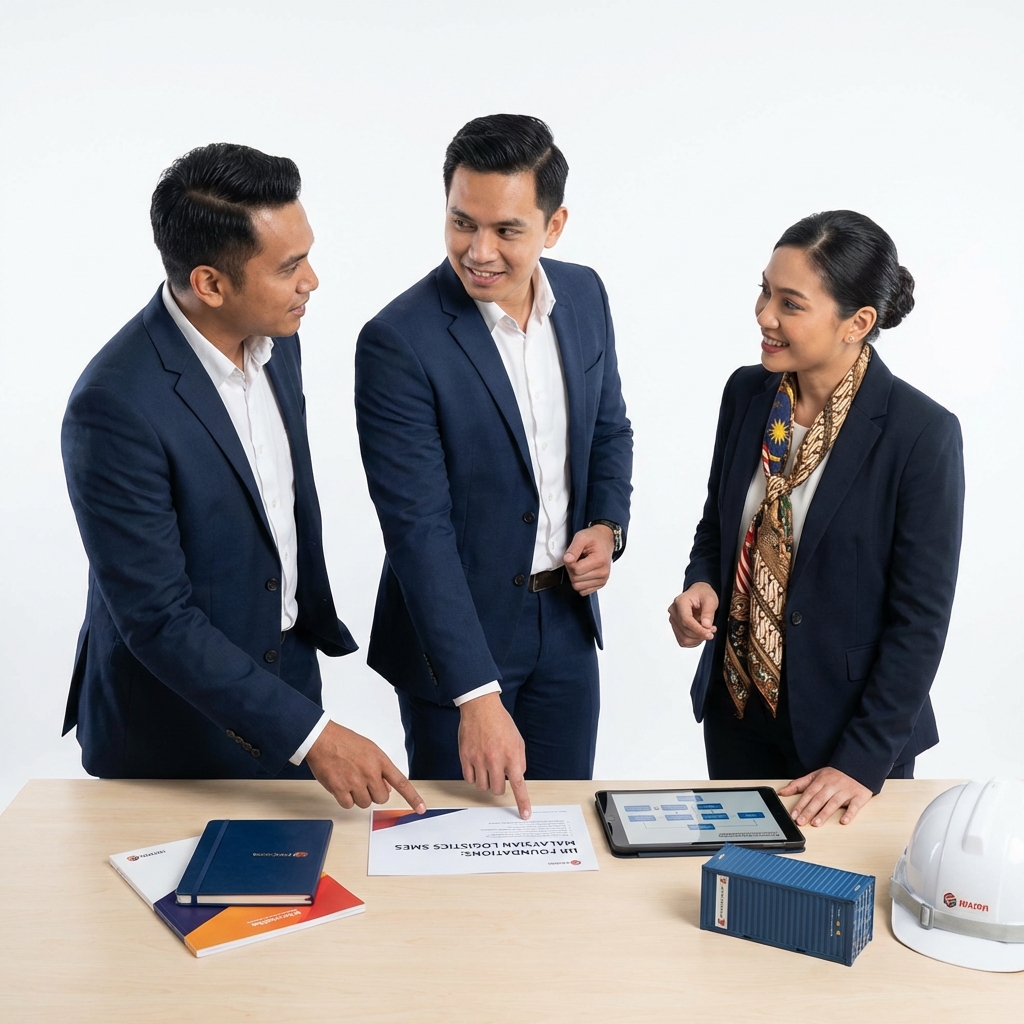
The HR environment within Malaysian logistics SMEs is typically characterised by its lean structure and multi-faceted roles. Often, there isn’t a dedicated HR department; instead, HR functions are handled by the owner, a general manager, or an administrative assistant. This means responsibilities like talent acquisition, payroll processing, employee engagement, and performance management are integrated into broader operational duties. Recruitment efforts primarily focus on sourcing skilled drivers, warehouse personnel, dispatchers, and administrative staff – roles that are critical for day-to-day operational efficiency. Workforce management in these SMEs often relies on hands-on supervision rather than sophisticated HR systems. Key challenges include attracting and retaining suitable candidates, managing employee welfare with limited resources, and ensuring fair compensation practices within tight budgetary constraints. Effective communication and a strong internal culture become even more vital in these close-knit teams to maintain morale and productivity.
2. Key HR challenges unique to the logistics industry in Malaysia
The Malaysian logistics industry, while booming, faces several distinct HR challenges that a new CEO must address proactively. Firstly, talent scarcity is a significant hurdle, particularly for experienced truck drivers and skilled warehouse operators who are in high demand across the country. This leads to intense competition for staff and often high employee turnover, directly impacting productivity and service reliability. Secondly, the nature of logistics work involves irregular hours, physical demands, and sometimes hazardous conditions, necessitating robust health and safety protocols and competitive remuneration to attract and retain staff. Upskilling employees to adopt new technologies, such as advanced tracking systems or automated warehousing solutions, also presents a training challenge. Lastly, managing diverse workforces, including foreign workers, requires careful attention to cultural integration and adherence to specific immigration and employment regulations. Strategic retention strategies and continuous employee development are crucial to overcome these obstacles and ensure a stable, competent team.
3. Understanding local labor laws and compliance basics for SMEs
Navigating Malaysia’s intricate legal framework for employment is non-negotiable for any logistics SME. A fundamental understanding of the Malaysian Employment Act 1955 (and its subsequent amendments) is paramount. This Act governs key aspects such as working hours, rest days, annual leave, public holidays, sick leave, maternity protection, and termination procedures. Furthermore, compliance with the Minimum Wage Order is critical for all employees, ensuring fair compensation. Beyond the Employment Act, SMEs must also adhere to mandatory contributions like the Employees Provident Fund (EPF), Social Security Organisation (SOCSO), and Employment Insurance System (EIS). Failure to comply with these regulations can result in hefty fines, legal action, and significant reputational damage. Developing clear, concise HR policies and procedures, even if basic, can significantly mitigate legal risks. These policies should cover areas such as disciplinary actions, grievance handling, and workplace conduct. For CEOs, proactive risk management through regular legal reviews and fostering a culture of compliance is essential for long-term stability and growth.
Deciphering Existing HR Structures and Processes
Guiding the new CEO through the process of analyzing and understanding the current HR framework and operational workflows within their new organization, especially within the Malaysian logistics sector, is paramount. A fresh CEO, particularly one new to the industry or region, needs a clear, Step by Step to understand SMEs HR Structure for the fresh the CEO in logistics field in malaysia. This foundational understanding is critical for strategic decision-making and ensuring HR effectively supports business objectives. Meticulous examination identifies strengths, pinpoints weaknesses, and lays the groundwork for efficient HR. This analysis transcends compliance, unlocking human potential and optimizing operational efficiency within the supply chain’s unique demands.
1. Auditing Current HR Policies, Procedures, and Documentation
The first crucial step is a comprehensive HR audit. This involves a deep dive into existing HR policies, procedures, and documentation to establish a baseline of human capital management. Gather policy manuals, employee handbooks, SOPs, and guidelines covering recruitment, compensation, performance, grievance, and disciplinary protocols.
Crucially, assess employment contracts for compliance with Malaysian labor laws, such as the Employment Act 1955. Review payroll, leave, training, and health & safety records. Note policy communication and consistent application across diverse logistics roles—drivers, warehouse, admin. An effective HR audit highlights non-compliance, outdated practices, or missing documentation, clarifying the HR compliance Malaysia landscape and needed HR process optimization. Early identification enables corrective actions and a legally sound HR framework, also setting the stage for future HR technology adoption.
2. Mapping the Employee Lifecycle: From Recruitment to Exit
Understanding employee lifecycle management – the journey from candidate to exit – is fundamental to optimizing HR. Begin with talent acquisition strategies (logistics): how are candidates sourced, interviewed, and onboarded? Are processes effective in attracting specialized logistics talent (drivers, technicians, supply chain managers)? Next, examine onboarding for smooth integration into culture and roles.
Progress through the employee’s tenure:
- Development & Training: Are learning opportunities tailored for logistics workforce needs (supply chain, warehousing, vehicle maintenance)?
- Performance Management Systems: How is performance evaluated, with clear goals, feedback, and development plans?
- Compensation & Benefits: Are packages competitive, fair, and aligned with industry benchmarks?
- Retention & Engagement: What employee engagement initiatives prevent high turnover in logistics, considering working conditions and career progression?
- Offboarding: Analyze the exit process – are interviews conducted for feedback, and is offboarding smooth and compliant?
Mapping this journey provides insights into bottlenecks, dissatisfaction, and opportunities to enhance the employee experience. This holistic view is crucial for effective workforce planning logistics and aligning HR strategies with growth.
3. Identifying Common Pain Points and Inefficiencies in Existing HR Structures
After auditing and mapping, identify specific pain points and inefficiencies in HR structures—moving beyond “what is” to “what isn’t working.” Gather feedback from stakeholders: HR staff on daily challenges, managers on support experiences (recruitment delays, performance issues), and anonymous employee surveys on communication, management, and satisfaction. Analyze HR data—turnover, time-to-hire, grievances, training effectiveness—to reveal systemic issues.
Common inefficiencies in logistics SMEs might include:
- Manual/paper-based processes: Causing delays, errors, and administrative burden (e.g., leave requests, timesheets).
- Lack of integrated systems: Disconnected HR, payroll, and time-tracking create data inconsistencies and double-entry, highlighting a need for HR technology adoption.
- Inconsistent policy application: Leading to perceived unfairness and legal risks.
- High employee turnover: In operational roles, indicating issues with recruitment, training, compensation, or culture.
- Inadequate training: Resulting in skill gaps impacting efficiency and safety.
- Poor communication: Between HR, employees, or departments, leading to misunderstandings.
Pinpointing these allows the CEO to develop targeted HR process optimization strategies. Whether investing in new HR software, redesigning workflows, or implementing training, addressing these inefficiencies is vital for improving HR’s strategic value and fostering a productive, engaged workforce within Malaysian logistics. This detailed understanding transforms HR into a strategic partner.
Strategic Talent Management & Workforce Planning
The dynamic and competitive landscape of the Malaysian logistics market demands more than just operational efficiency; it requires a CEO to master strategic talent management and workforce planning. For a fresh CEO, especially in an SME setting, understanding the nuances of human resources is paramount. It’s about ensuring the right people are in the right roles, equipped with the right skills, to drive business objectives and sustain growth. This section provides a foundational understanding, a Step by Step to understand SMEs HR Structure for the fresh the CEO in logistics field in malaysia, to navigate the complexities of HR in logistics.
1. Developing effective talent acquisition and retention strategies for logistics
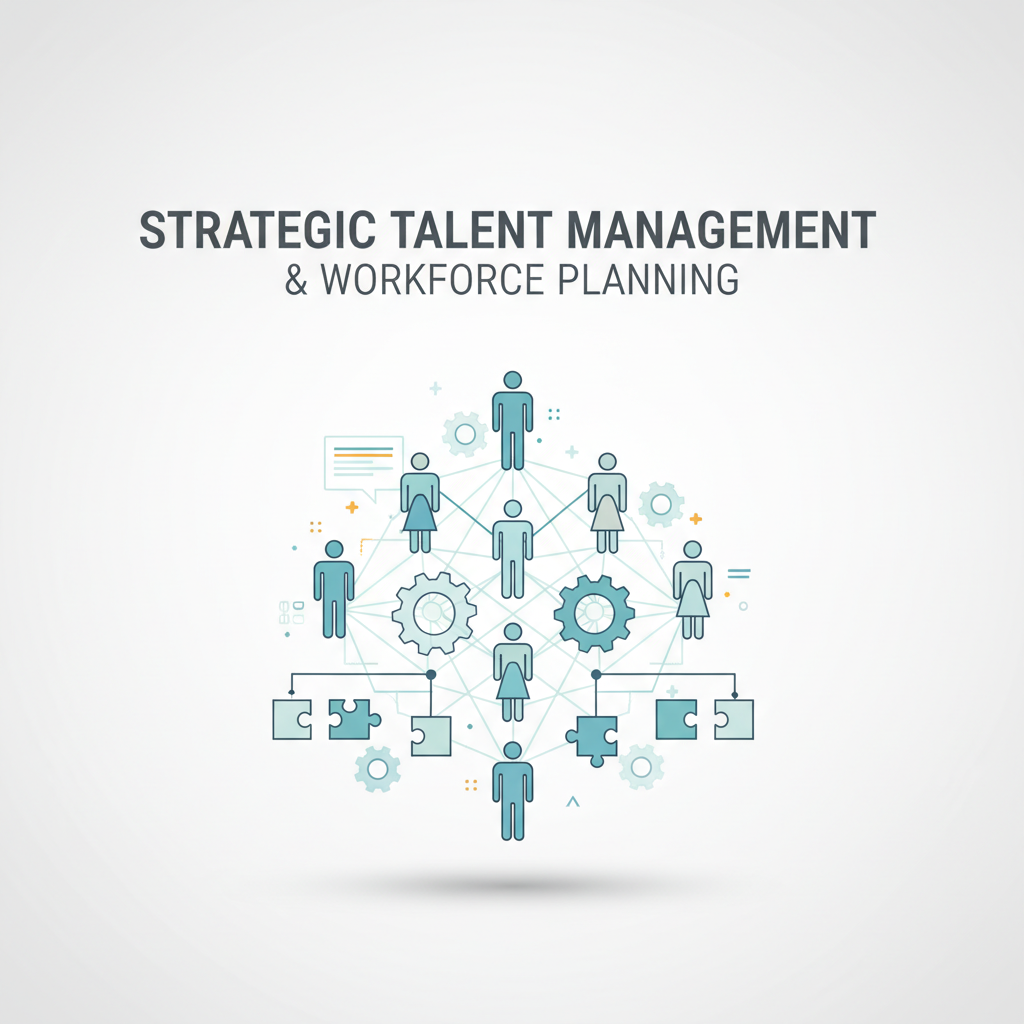
In the fast-paced logistics sector, attracting and retaining skilled talent is a significant challenge. CEOs must adopt proactive strategies that go beyond traditional recruitment. For Malaysian logistics SMEs, this means crafting compelling employer branding that highlights career development opportunities, a positive work culture, and the critical role employees play in the supply chain. Talent acquisition should focus on sourcing candidates with not only technical expertise (e.g., supply chain management, warehousing operations, transportation logistics) but also soft skills like problem-solving, adaptability, and communication. Leveraging online job platforms, professional networks, and even vocational schools can expand the talent pool.
Retention strategies are equally vital. Competitive compensation packages, continuous training and development programs (e.g., certifications in logistics technology, lean supply chain practices), and clear career progression paths are crucial. Regular employee feedback mechanisms, mentorship programs, and a focus on work-life balance can significantly reduce turnover. Understanding the unique motivators of logistics professionals, from truck drivers to warehouse managers and supply chain analysts, is key to building a loyal and productive workforce. A comprehensive approach ensures your SME can compete with larger players for top talent.
2. Implementing performance management systems for SME growth
Effective performance management is the backbone of talent development and business growth. For a logistics CEO, this involves establishing clear performance metrics aligned with operational goals. In an SME context, simplicity and practicality are paramount. Rather than overly complex systems, focus on setting SMART (Specific, Measurable, Achievable, Relevant, Time-bound) goals for individual employees and teams. These could include on-time delivery rates, inventory accuracy, route optimization efficiency, or customer satisfaction scores.
Regular feedback sessions, not just annual reviews, are essential. Continuous feedback allows for timely adjustments, skill development, and reinforces positive behaviors. Implementing a system that includes goal setting, regular check-ins, performance reviews, and professional development plans fosters a culture of accountability and continuous improvement. Technology, even simple spreadsheet-based systems or affordable HR software solutions, can streamline this process. Such systems not only identify high performers for recognition and promotion but also pinpoint areas where training or support is needed, driving overall productivity and contributing directly to the SME’s bottom line.
3. Forecasting future workforce needs and succession planning in logistics
The logistics industry is constantly evolving, driven by technological advancements (e.g., automation, AI, data analytics) and changing market demands. A forward-thinking CEO must therefore engage in proactive workforce planning. This involves analyzing current operational needs, predicting future skill requirements based on strategic business goals (e.g., expansion into e-commerce logistics, adopting sustainable practices), and identifying potential talent gaps. Forecasting should consider factors like anticipated growth, employee retirement rates, and the impact of new technologies.
Succession planning is a critical component of workforce strategy, especially for key leadership and specialized technical roles. Identifying potential successors early, providing them with targeted training and mentorship, and creating opportunities for them to gain relevant experience ensures business continuity and a smooth leadership transition. This proactive approach mitigates risks associated with sudden departures and maintains institutional knowledge. For SMEs, even identifying successors for critical operational roles, such as lead drivers or experienced warehouse supervisors, can prevent significant disruptions. A robust succession plan ensures that the SME has a pipeline of ready talent to step into essential roles, safeguarding its future competitiveness and operational resilience. Understanding the future trends in logistics, such as those highlighted by organizations like the Council of Supply Chain Management Professionals (CSCmp), can inform these long-term planning efforts.
Navigating Compensation, Benefits, and Employee Relations
This section covers the essential aspects of competitive compensation, employee welfare, and fostering positive workplace relations crucial for operational stability. For a fresh CEO in the logistics field in Malaysia, understanding these HR pillars is paramount for sustainable growth. This comprehensive guide serves as a Step by Step to understand SMEs HR Structure for the fresh the CEO in logistics field in malaysia, ensuring a robust foundation for your SME’s human capital management.
1.
Benchmarking competitive compensation and benefits packages in Malaysian logistics
For logistics SMEs in Malaysia, attracting and retaining top talent hinges significantly on offering competitive compensation and benefits. As a new CEO, your initial focus should be on thorough market research and salary benchmarking. This involves analyzing industry-specific salary surveys, understanding regional wage differences, and factoring in the cost of living in various Malaysian states. Beyond base salaries, consider the full spectrum of benefits: EPF contributions, SOCSO, EIS, comprehensive health insurance plans, performance bonuses, allowances (transport, mobile, meal), and even non-monetary perks like flexible working arrangements or professional development opportunities. The Malaysian logistics sector, with its demand for skilled drivers, warehouse operatives, and supply chain managers, requires a nuanced approach to remuneration. Consulting authoritative industry reports from the Ministry of Human Resources Malaysia or reputable HR consulting firms can provide invaluable data. Understanding the legal minimum wage and adhering to all statutory requirements, while striving to exceed them where possible, ensures compliance and positions your company as an employer of choice. A well-structured compensation framework not only motivates employees but also helps manage operational costs effectively and reduces turnover, which is critical for maintaining service reliability in the dynamic logistics landscape.
2.
Understanding employee engagement and welfare initiatives
Beyond financial remuneration, a healthy work environment is sustained by robust employee engagement and welfare initiatives. For a new CEO, grasping the pulse of your workforce is vital. This involves implementing regular feedback mechanisms, such as anonymous surveys, town halls, or skip-level meetings, to understand employee sentiments, concerns, and suggestions. Welfare initiatives can range from comprehensive health and wellness programs (e.g., health screenings, mental health support, fitness challenges) to family-friendly policies (e.g., parental leave, childcare support) and opportunities for continuous learning and career advancement. In the demanding logistics environment, acknowledging hard work through recognition programs, providing safe working conditions, and promoting work-life balance are particularly important. High engagement levels lead to increased productivity, lower absenteeism, and enhanced retention, directly impacting your company’s bottom line and operational efficiency. Fostering a culture where employees feel valued, heard, and supported is not merely a ‘nice-to-have’ but a strategic imperative for long-term success, especially in a competitive market like Malaysia’s logistics sector. These initiatives also play a crucial role in building strong employer branding and attracting future talent.
3.
Addressing conflict resolution and fostering a healthy work culture
Workplace conflicts are inevitable, but how they are managed significantly impacts employee morale and productivity. As a CEO, establishing clear, fair, and transparent processes for conflict resolution is paramount. This includes having a well-defined grievance procedure, accessible HR support, and trained mediators who can facilitate discussions constructively. Fostering a healthy work culture goes beyond just resolving disputes; it involves proactive measures to prevent them. This means promoting open communication, encouraging mutual respect, celebrating diversity, and clearly articulating company values and expectations. Leadership by example is crucial here; ethical behavior, transparency, and fairness from the top down set the tone for the entire organization. Regular training on communication skills, diversity and inclusion, and anti-harassment policies can also equip employees with the tools to navigate interpersonal challenges respectfully. A positive work culture acts as a magnet for talent and a shield against high turnover. It contributes to a sense of belonging and psychological safety, empowering employees to perform at their best. Effectively managing these dynamics ensures operational stability and positions your SME as a preferred workplace within the challenging yet dynamic Malaysian logistics industry.
Leveraging Technology and Future-Proofing HR
For fresh CEOs entering the dynamic Malaysian logistics sector, understanding and utilizing technology to streamline Human Resources (HR) operations is not just an advantage—it’s a necessity. This section explores how new leaders can effectively integrate HR technology to optimize current processes and prepare their HR function for future challenges and sustained growth within the demanding logistics environment.
1. Implementing Basic HR Information Systems (HRIS) for SMEs
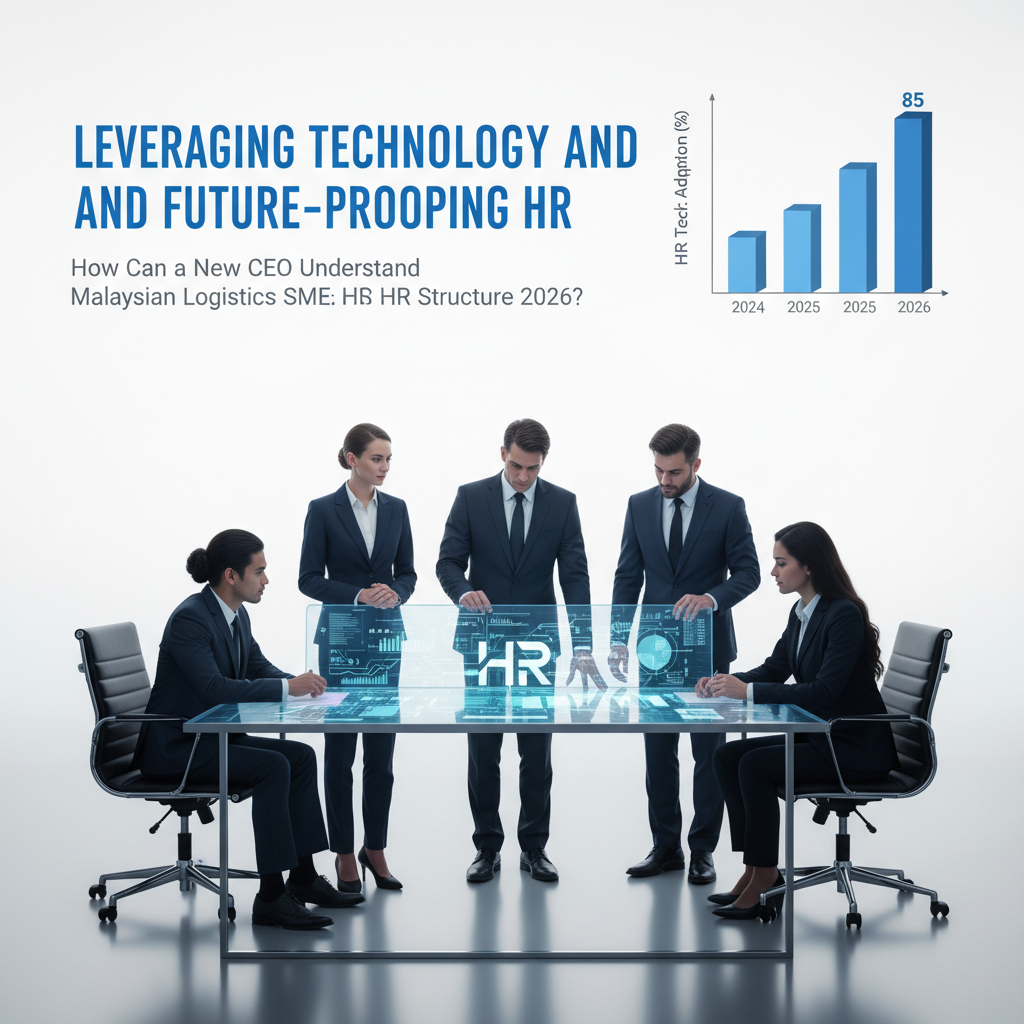
For small and medium-sized enterprises (SMEs) in Malaysian logistics, the initial step towards technological advancement in HR is often the adoption of a basic HR Information System (HRIS). These systems centralize core HR functions, moving away from fragmented spreadsheets and manual record-keeping. A robust HRIS can significantly improve efficiency in areas such as payroll processing, leave management, attendance tracking for drivers and warehouse staff, and maintaining accurate employee records—all crucial for compliance in a highly regulated sector. For a fresh CEO, choosing a cloud-based HRIS that offers scalability and ease of use is paramount. Such systems simplify onboarding processes, facilitate compliance with local labor laws, and provide a single source of truth for all employee data, which is vital for effective workforce planning. This foundational shift liberates HR personnel from administrative burdens, allowing them to focus on strategic initiatives like talent management and employee development, directly impacting operational success in logistics.
2. Data Analytics for Informed HR Decision-Making
Beyond basic automation, leveraging data analytics is key to transforming HR into a strategic partner within the Malaysian logistics landscape. By analyzing HR data, fresh CEOs can gain profound insights into critical areas such as talent retention, employee performance, and workforce demographics. For instance, analyzing turnover rates among different driver cohorts or warehouse teams can reveal underlying issues related to compensation, working conditions, or management styles. Predictive analytics can help anticipate staffing needs during peak seasons or identify high-potential employees for leadership roles. Data can inform decisions on training efficacy, identify skill gaps, and optimize recruitment strategies to attract the best talent in a competitive market. Furthermore, understanding employee engagement through data surveys can lead to targeted interventions that improve morale and productivity. This data-driven approach allows for more informed decision-making, moving beyond intuition to actionable insights that directly support the operational efficiency and long-term sustainability of the logistics business, ensuring the HR function is truly future-proof.
3. Embracing Digitalization and Future HR Trends in Logistics
The future of HR in Malaysian logistics is intrinsically linked to broader digitalization trends and emerging technologies. Fresh CEOs must be prepared to embrace innovations like Artificial Intelligence (AI) and Machine Learning (ML) for tasks such as automated candidate screening, personalized employee learning paths, and even predictive analytics for potential safety incidents. Automation can extend to routine HR inquiries via chatbots, freeing up HR staff for more complex issues. Furthermore, the logistics sector, characterized by its mobile workforce, stands to benefit greatly from mobile HR applications that allow employees to access payslips, request leave, and update personal information from anywhere. Virtual and Augmented Reality (VR/AR) could revolutionize training for complex machinery or safety protocols in warehouses. To understand the broader shift and prepare for these advancements, a deep dive into the future of HR in Malaysia reveals critical trends. Ultimately, this proactive embrace of digitalization ensures the HR function remains agile, adaptable, and capable of supporting a rapidly evolving business environment. For a fresh CEO looking for a comprehensive guide, a Step by Step to understand SMEs HR Structure for the fresh the CEO in logistics field in malaysia provides valuable insights into building a robust and technologically advanced HR foundation.
Partner with Shelby Global
You are looking for reliable HR Sevice Suppliers? Contact Shelby Global Now! To connect with verified talents and upgrade your orginization.
—————————————
References
– Ministry of Human Resources Malaysia: Labour Laws: https://www.mohr.gov.my/index.php/en/labour-laws
– Malaysian labor laws (Employment Act 1955) – ILO: https://www.ilo.org/dyn/natlex/natlex4.detail?p_lang=en&p_isn=65766&p_country=MYS&p_count=23
– Council of Supply Chain Management Professionals (CSCmp): https://cscmp.org/
– Ministry of Human Resources Malaysia: https://www.mohr.gov.my/
– Future of HR in Malaysia: Key Trends and Challenges: https://www.humanresourcesonline.net/future-of-hr-in-malaysia-key-trends-and-challenges