Understanding the Malaysian Transportation Landscape
Malaysia’s geographical position at the heart of Southeast Asia, coupled with its robust economic growth, positions its transportation sector as a critical enabler of trade, industry, and social development. This unique landscape, characterized by diverse geographical terrains from Peninsular Malaysia to East Malaysia, and its role as a major maritime hub, presents both distinct challenges and unparalleled opportunities. Therefore, when developing a robust Test structure to assess Manager Level CVs in transportation field in malaysia, it is crucial to move beyond generic criteria and instead, anchor assessments in the specific dynamics of this vibrant sector. Evaluating managerial candidates requires an understanding of their ability to navigate complex logistics networks, embrace technological advancements, and comply with evolving regulatory frameworks. A well-designed assessment will not only identify individuals with strong leadership and strategic acumen but also those who possess an intimate knowledge of local market nuances and regional connectivity imperatives. This tailored approach ensures that top-tier talent is recruited to drive innovation and efficiency across Malaysia’s critical transport infrastructure.

-
Key segments: Logistics, Maritime, Aviation, Road & Rail
Malaysia’s transportation tapestry is woven from several interconnected and equally vital segments. The Logistics sector, a backbone of domestic and international trade, demands managers capable of orchestrating complex supply chains, warehousing, and freight forwarding, especially with the boom in e-commerce and last-mile delivery. The Maritime industry, leveraging Malaysia’s strategic position along major shipping lanes, thrives on ports like Port Klang. Managers here need expertise in port operations, shipping management, and international trade regulations. Aviation remains a crucial connector for business, tourism, and cargo, linking regions and the global community. Managers in this domain require a deep understanding of airline operations, airport management, and stringent safety protocols. Finally, the Road & Rail networks form the arteries and veins of domestic transport. Extensive road networks facilitate movement, while ongoing high-speed rail and urban transit projects signal a shift towards integrated, sustainable public transport. Managers in this segment must excel in infrastructure development, project management, and public safety. A comprehensive assessment structure for Manager Level CVs must account for the specialized knowledge within these distinct yet interdependent fields.
-
Current challenges & opportunities for managers in Malaysia
Managers in Malaysia’s transport sector operate within a dynamic environment shaped by both significant hurdles and promising prospects. A primary challenge lies in infrastructure development and maintenance, particularly bridging the gap between urban centers and rural areas, and ensuring resilience against climate change impacts. Talent attraction and retention, especially in specialized areas, represents another persistent challenge, necessitating a robust Test structure to assess Manager Level CVs in transportation field in malaysia to identify future leaders. Digitalization and the adoption of Industry 4.0 technologies present both a challenge for adaptation and a massive opportunity for efficiency gains. Conversely, opportunities abound: the growth of e-commerce fuels demand for sophisticated logistics; Malaysia’s role in regional economic blocs fosters increased cross-border trade; and the drive towards sustainable and green transportation offers avenues for innovation in electric vehicles and multimodal solutions. Managers must possess the foresight to capitalize on these opportunities while strategically mitigating the inherent challenges.
-
Regulatory environment and compliance importance for transport roles
The Malaysian transportation sector is governed by a multifaceted regulatory framework designed to ensure safety, fairness, and environmental protection. For managers, understanding and ensuring compliance is not merely a formality but a critical operational imperative. Key regulatory bodies include the Ministry of Transport, Civil Aviation Authority of Malaysia (CAAM), and Land Public Transport Agency (APAD). Managers must navigate a web of national laws, international conventions (e.g., IMO, ICAO), and local ordinances pertaining to safety standards, environmental emissions, licensing, and customs regulations. Non-compliance can lead to hefty fines, operational suspensions, and erode public trust. Therefore, a successful Test structure to assess Manager Level CVs in transportation field in malaysia must rigorously assess a candidate’s grasp of regulatory compliance, ethical leadership, and risk management capabilities. Prospective managers must demonstrate a proactive approach to staying informed about regulatory changes and embedding a culture of compliance. The Malaysian government continues to evolve its policies, such as the National Transport Policy 2019-2030, emphasizing adaptable and well-informed leadership. For more insights on national transport policies, refer to official sources like the Ministry of Transport Malaysia.
Core Competencies for Manager-Level Roles in Transport
The Malaysian transportation industry, a vital artery of the nation’s economy, demands a unique blend of leadership, operational acumen, and strategic foresight from its management personnel. As the sector navigates rapid urbanization, technological advancements, and evolving global supply chain dynamics, identifying and nurturing the right talent is paramount. This section delves into the universal and specific skills and attributes essential for successful managers within this dynamic environment, offering insights crucial for developing an effective Test structure to assess Manager Level CVs in transportation field in malaysia and fostering industry growth.
1. Leadership, team management, and cross-cultural communication
Effective leadership is the bedrock of any thriving organization, and in the multifaceted Malaysian transport sector, it takes on added significance. Managers must inspire, guide, and motivate diverse teams working across various modes of transport, from port operations to aviation sector growth and road freight optimization. This involves not only setting clear objectives and delegating tasks but also fostering a collaborative environment where innovation is encouraged, and challenges are met collectively. Strong team management skills are critical for performance monitoring, talent development, and ensuring project timelines are met, especially in complex project management scenarios like large-scale infrastructure development. Furthermore, given Malaysia’s multicultural workforce and extensive international trade relationships, exceptional cross-cultural communication is non-negotiable. Managers must possess the empathy and understanding to navigate diverse perspectives, resolve conflicts amicably, and build robust stakeholder engagement, both internally and with external partners. This competency directly impacts team cohesion, operational fluidity, and the ability to attract and retain top-tier talent in a competitive market.
2. Operational excellence, problem-solving, and process optimization
At the heart of transportation management lies the relentless pursuit of operational excellence. Managers are expected to oversee the intricate dance of logistics management and supply chain efficiency, ensuring seamless movement of goods and people across various networks. This requires a deep understanding of industry best practices, a keen eye for detail, and the ability to implement robust systems that uphold stringent regulatory compliance. Critical thinking and problem-solving skills are constantly put to the test, whether addressing unexpected disruptions in the supply chain, resolving equipment breakdowns, or managing unforeseen environmental challenges. The ability to quickly analyze complex situations, identify root causes, and implement effective, data-driven solutions is a hallmark of a successful transport manager. Moreover, a commitment to process optimization is vital for enhancing efficiency, reducing costs, and improving service delivery. This often involves leveraging digital transformation initiatives, employing data analytics to identify bottlenecks, and continuously refining workflows to achieve leaner, more responsive operations. Implementing robust risk management strategies is also integral to operational excellence, safeguarding against potential threats and ensuring business continuity in a volatile global landscape.
3. Strategic planning, business development, and market analysis
Beyond day-to-day operations, manager-level roles in the Malaysian transportation field demand a strong strategic vision. Managers are instrumental in contributing to long-term strategic planning, identifying future trends, and positioning their organizations for sustainable growth. This involves meticulous market analysis to understand competitive landscapes, identify emerging opportunities in areas like public transport operations or green logistics, and anticipate shifts in customer demand. Proactive business development is crucial for expanding market share, forging new partnerships, and securing lucrative contracts that drive revenue and enhance organizational footprint. Managers must possess the acumen to evaluate potential investments, conduct feasibility studies for new ventures (such as expansion into new freight corridors or adopting advanced port operations management technologies), and articulate compelling business cases. A forward-looking approach to sustainability initiatives is also increasingly important, integrating environmental, social, and governance (ESG) considerations into strategic decisions. Understanding global and local economic indicators, coupled with insights from reputable sources like the World Bank Logistics Performance Index, allows managers to make informed decisions that ensure resilience and competitiveness in an ever-evolving industry. Such strategic competencies are fundamental to guiding the sector through periods of intense change and leveraging opportunities presented by ongoing infrastructure development projects across Malaysia.
In conclusion, the successful manager in the Malaysian transportation industry is a dynamic leader, an astute operational expert, and a visionary strategist. These core competencies—leadership, operational excellence, and strategic acumen—are not merely desirable traits but essential pillars for navigating the complexities and seizing the opportunities within this vital sector. A comprehensive Test structure to assess Manager Level CVs in transportation field in malaysia must therefore be designed to rigorously evaluate these critical capabilities, ensuring that the right leaders are at the helm to drive innovation, efficiency, and sustainable growth for Malaysia’s transportation future.
Crafting Your Robust CV Assessment Framework
Developing a fair, consistent, and highly effective assessment structure is paramount for identifying top-tier managerial talent, especially when navigating the dynamic landscape of the transportation field in Malaysia. A well-designed framework not only streamlines the recruitment process but also ensures that chosen candidates possess the exact blend of knowledge, skills, and abilities required to drive success in a competitive market. This systematic approach focuses on eliminating bias, promoting objectivity, and ultimately enhancing the quality of your managerial hires. By meticulously structuring your CV assessment, you gain a powerful tool for evaluating candidates for critical roles, ensuring they align with both the operational demands and the strategic vision of your organization.
To effectively assess manager level CVs in the transportation field in Malaysia, a comprehensive and structured approach is essential. This involves moving beyond a superficial review to a deep dive into a candidate’s professional narrative. The goal is to build a robust test structure to assess Manager Level CVs in transportation field in Malaysia that is both scalable and transparent, allowing for accurate comparison and selection. This framework will help identify leaders capable of navigating complex logistics, optimizing supply chains, ensuring regulatory compliance, and driving operational excellence in the unique Malaysian context.
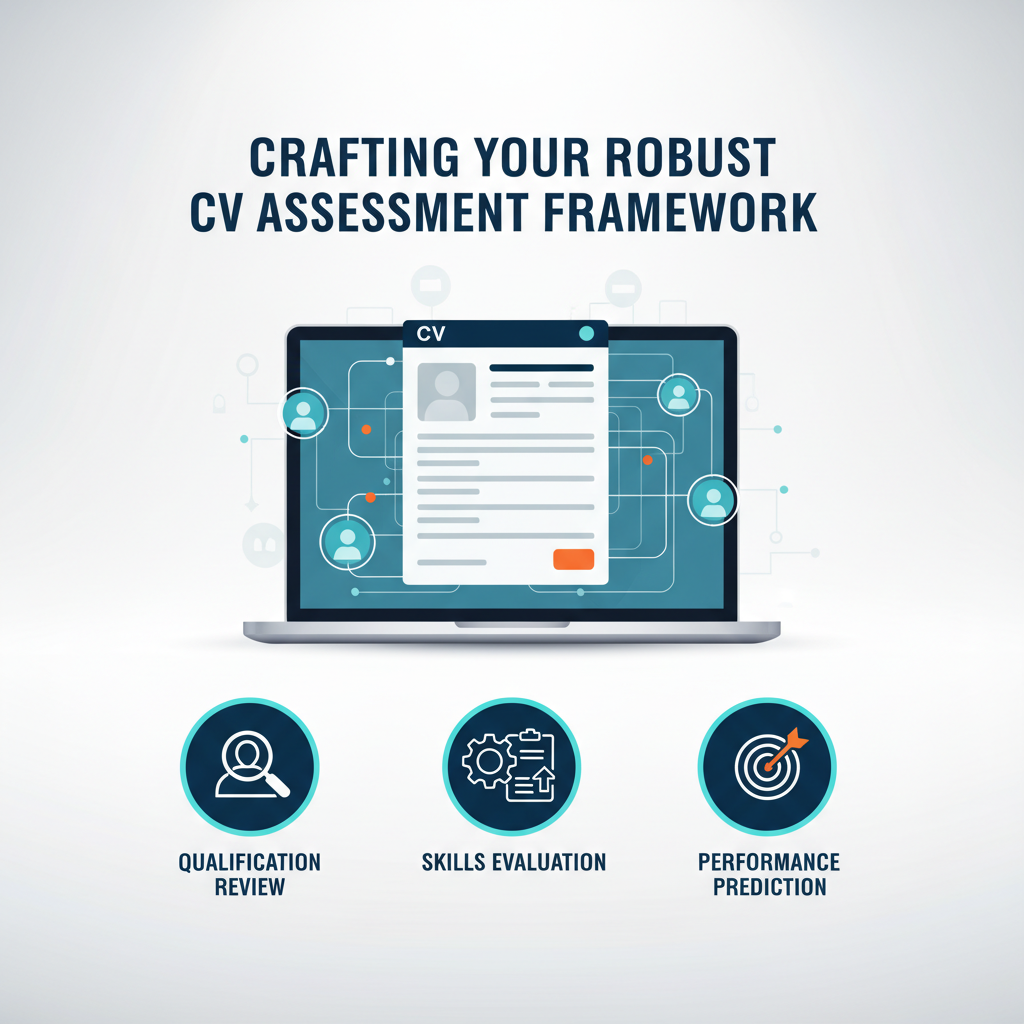
1. Defining Job-Specific KSFs (Knowledge, Skills, & Abilities) for Transport Managers
The cornerstone of any effective CV assessment framework is a clear understanding of the essential Knowledge, Skills, and Abilities (KSFs) required for the specific manager-level role. For a transport manager in Malaysia, this extends beyond generic leadership traits. It involves a deep dive into competencies such as understanding local transportation regulations, experience with Malaysian port operations and customs procedures, proficiency in logistics and supply chain optimization, and strong capabilities in fleet management and route planning. Key KSFs might include: knowledge of intermodal transport, risk management in transit, team leadership in a diverse workforce, strategic planning for growth, and financial oversight for departmental budgets. Furthermore, an understanding of digital transformation trends in freight and passenger transport, along with data analysis skills to drive efficiency improvements, are increasingly vital. Regularly updating these KSFs based on industry shifts and company objectives ensures the framework remains relevant and predictive of job performance. This initial step sets the stage for a targeted and objective evaluation.
2. Developing Scoring Rubrics for Quantitative and Qualitative Evaluation
Once KSFs are defined, the next critical step is to develop comprehensive scoring rubrics. These rubrics provide a standardized method for evaluating both quantitative and qualitative aspects of a candidate’s CV, ensuring consistency and fairness across all applicants. For quantitative assessment, metrics might include years of experience in relevant sectors (e.g., logistics management, supply chain operations), size of teams managed, budget responsibilities, and quantifiable achievements like cost reductions or efficiency gains. Qualitative evaluation, on the other hand, focuses on assessing the depth and impact of experience as described in the CV. This could involve evaluating a candidate’s demonstrated problem-solving skills through past project narratives, their strategic thinking in addressing complex challenges, or their approach to stakeholder communication. For example, a rubric might score a candidate’s description of managing a significant transportation project in Malaysia based on the clarity of their role, the challenges overcome, and the measurable outcomes achieved. Clear descriptors for each score level (e.g., ‘Exceeds Expectations,’ ‘Meets Expectations,’ ‘Needs Development’) are crucial to minimize subjective interpretation. This structured approach helps in identifying candidates with strong operational excellence and performance management capabilities.
3. Weighting Criteria Based on Role Importance and Company Values
The final step in crafting your robust CV assessment framework involves assigning appropriate weights to each defined criterion. Not all KSFs or assessment points hold equal importance, and their relative value should reflect the specific demands of the manager-level role and the overarching company values. For instance, in a transportation company focusing heavily on expansion into new regions, strategic planning and business development experience might carry a higher weight than routine operational management. Conversely, for a role primarily focused on optimizing existing large-scale operations, fleet optimization, cost optimization, and regulatory compliance in Malaysia would be paramount. Soft skills like team leadership, crisis management, and adaptability are always important, but their specific weight can vary. This weighting process should be a collaborative effort involving HR, hiring managers, and potentially senior leadership to ensure alignment with organizational goals. Regularly reviewing and adjusting these weights ensures the framework remains responsive to evolving business needs and market conditions. By carefully balancing technical expertise with crucial soft skills, you create an assessment framework that truly reflects your ideal candidate profile. For further insights into developing effective competency models and assessment frameworks, reputable HR resources like the Society for Human Resource Management (SHRM) provide valuable guidance on best practices in talent acquisition and development.
Deep Dive: Evaluating Key Sections of a Manager’s CV
Understanding how to meticulously scrutinize a manager’s CV is paramount, especially when seeking candidates for the dynamic transportation field in Malaysia. This guide provides specific guidance on what to look for in different parts of a manager’s CV to extract relevant insights and evidence of capability, ensuring you hire a leader who can drive operational excellence and strategic growth. A robust test structure to assess Manager Level CVs in transportation field in Malaysia involves analyzing not just what they did, but the impact they created.
-
Experience section: Identifying impact-driven achievements vs. mere duties
When evaluating the experience section of a manager’s CV, particularly for roles within the **Malaysian transport sector**, the goal is to identify impact-driven achievements rather than a mere list of duties. A successful manager in logistics or supply chain leadership doesn’t just manage operations; they optimize, innovate, and lead. Look for specific examples where candidates have demonstrated operational efficiency improvements, cost reductions, or revenue growth. For instance, instead of “Managed a fleet of 50 trucks,” look for “Reduced fleet operational costs by 15% through route optimization and predictive maintenance initiatives, overseeing a fleet of 50 vehicles across Peninsular Malaysia.” Quantifiable data is crucial. Furthermore, assess their leadership in logistics roles: did they mentor teams, implement new training programs, or successfully navigate complex regulatory changes specific to transportation management CVs? Evidence of project management transport initiatives, especially those that improved delivery times or reduced transit risks, showcases strategic planning CV capabilities. Look for achievements that reflect the complexities of the local market, such as navigating specific port operations, cross-border logistics challenges, or adapting to national infrastructure developments. This meticulous examination, adhering to CV evaluation best practices, forms a vital part of any effective **test structure to assess Manager Level CVs in transportation field in Malaysia**, ensuring you identify candidates with proven ability to deliver tangible results.
-
Education & certifications: Assessing industry-specific relevance and advanced qualifications
Beyond academic degrees, the education and certifications section provides crucial insights into a candidate’s commitment to continuous learning and industry-specific expertise, particularly vital for the transportation field in Malaysia. For a logistics manager resume, look for degrees in supply chain management, logistics, engineering, or business administration. Advanced qualifications, such as an MBA with a focus on operations or supply chain, can indicate strategic thinking and broader business acumen. However, equally important are professional certifications. Certifications like Project Management Professional (PMP), Certified Supply Chain Professional (CSCP), or specific accreditations in transport safety regulations or hazardous materials handling are highly relevant. In Malaysia, understanding local regulatory frameworks, such as those governed by the Ministry of Transport or port authorities, can be demonstrated through specialized courses or workshops. Look for evidence of industry certifications Malaysia that show proactive engagement with best practices and emerging trends in global and local logistics. These qualifications not only enhance their technical skills but also signal a dedication to upholding professional standards and adapting to evolving industry demands. This section helps differentiate candidates who merely have experience from those who actively invest in enhancing their knowledge base to drive innovation and maintain compliance in the dynamic **Malaysian transport sector**.
-
Skills section: Differentiating hard vs. soft skills alignment with role requirements
The skills section, when properly analyzed, can reveal whether a candidate possesses the right blend of technical and interpersonal capabilities essential for a managerial role. For a transportation management CV, hard skills in logistics are non-negotiable. These include proficiency in Transport Management Systems (TMS), Warehouse Management Systems (WMS), route optimization software, data analysis transportation tools, and perhaps even specific customs clearance platforms relevant to Malaysian trade. Look for evidence of problem-solving skills CV entries that detail how these tools were applied to overcome operational challenges. However, the true differentiator for managers lies in their soft skills for managers. Leadership in logistics demands strong communication, negotiation, team-building, and critical thinking. Instead of simply listing “Leadership,” look for phrases or examples in other sections that demonstrate these skills in action, e.g., “Led cross-functional teams to improve delivery timelines” or “Negotiated favorable terms with freight forwarders.” Assess how well these skills align with the specific challenges of your role, such as strategic planning CV for future expansion or navigating complex stakeholder relationships. A manager in the **Malaysian transport sector** often needs resilience, cultural sensitivity, and adaptability. The combination of strong technical prowess and refined interpersonal skills is critical for effective supply chain leadership, making this assessment a cornerstone of any comprehensive test structure to assess Manager Level CVs in transportation field in Malaysia.
Integrating Practical Assessment Tools and Future Trends
The landscape of talent acquisition in transportation management, particularly for manager-level candidates in Malaysia, demands a sophisticated and forward-looking approach. Beyond traditional CV review, integrating advanced assessment tools is crucial for identifying individuals with the requisite experience, strategic acumen, and adaptability for a dynamic industry. Developing a robust test structure to assess Manager Level CVs in the transportation field in Malaysia involves a multi-faceted strategy, embracing innovative technologies and human insight to enhance the CV assessment process and stay ahead in talent acquisition.
1. Leveraging Pre-Screening Questionnaires & Automated Initial Filters
To streamline initial candidate evaluation, pre-screening questionnaires and automated filters are invaluable. These tools efficiently sift through high volumes of applications, ensuring only the most relevant candidates progress. Questionnaires should probe beyond surface-level CV information, focusing on critical operational and managerial competencies. For a Malaysian transportation manager, this might include questions about:
- Specific experience with fleet sizes, cargo types, and geographical distribution within Malaysia or Southeast Asia.
- Proficiency in key logistics technologies such as Transport Management Systems (TMS) or Warehouse Management Systems (WMS).
- Experience with Malaysian customs regulations, cross-border logistics, and local infrastructure challenges.
- Preliminary problem-solving scenarios related to supply chain disruptions or cost optimization.
- Salary expectations and availability.
Automated filters can then cross-reference these responses and CV keywords against non-negotiable requirements, such as minimum managerial experience or specific certifications (e.g., dangerous goods handling). This systematic approach significantly reduces manual effort, allowing human reviewers to focus on candidates who meet foundational criteria, thereby enhancing the overall efficiency of the initial test structure to assess Manager Level CVs in the transportation field in Malaysia.
2. Incorporating AI/ML Tools for CV Parsing and Keyword Matching (with Human Oversight)
The advent of Artificial Intelligence (AI) and Machine Learning (ML) offers transformative potential for CV assessment. These technologies rapidly parse vast numbers of CVs, extract key data, and perform sophisticated keyword matching with objectivity and speed impossible for human recruiters alone. For managerial roles in transportation, AI/ML tools can identify candidates with specific expertise in areas like supply chain optimization, last-mile delivery, logistics network design, or compliance with sustainability initiatives. They quickly flag relevant experience in managing complex operations, leading cross-functional teams, or implementing technological upgrades within a logistics context.
However, effective AI/ML deployment necessitates robust human oversight. While AI excels at identifying patterns and matching criteria, it lacks the nuanced understanding for assessing soft skills, cultural fit, or the context behind achievements. Human recruiters must interpret AI-generated insights, question potential biases (e.g., favoring certain keywords or employers), and ensure the human element of talent acquisition remains paramount. This hybrid approach leverages technology’s efficiency while retaining the critical judgment of experienced professionals, ensuring a process that is both data-driven and empathetic. For more insights on leveraging AI in recruitment, refer to comprehensive guides such as those provided by SHRM: Leveraging AI for Recruiting: A Comprehensive Guide.
3. Designing Scenario-Based Questions for Interviews Post-CV Screening
Once candidates have successfully navigated initial CV assessment and AI-powered filters, the interview stage becomes critical for evaluating practical application and strategic thinking. For manager-level positions in transportation, scenario-based questions are particularly effective. These questions move beyond theoretical knowledge to assess a candidate’s ability to analyze complex situations, make sound decisions under pressure, and demonstrate leadership in real-world contexts. Examples pertinent to the Malaysian transportation sector might include:
- “Describe a time you had to renegotiate a major vendor contract (e.g., for warehousing, freight forwarding) to achieve cost savings without compromising service quality. What was your strategy, and what was the outcome?”
- “Imagine a sudden, unexpected change in Malaysian import/export regulations or significant port congestion at Port Klang. How would you adjust operational plans, communicate with stakeholders, and minimize supply chain disruption?”
- “You identify a persistent issue with driver retention or vehicle maintenance within your fleet. Outline your approach to diagnose the root cause, implement solutions, and measure their effectiveness.”

These types of questions reveal a candidate’s strategic thinking, problem-solving methodologies, ability to manage unforeseen challenges, and their leadership style—qualities essential for successful transportation management but often elusive from a CV alone. Integrating such practical assessments ensures the chosen manager possesses the depth of experience and critical thinking skills necessary to thrive in Malaysia’s evolving logistics landscape.
By combining efficient pre-screening, intelligent AI/ML tools, and insightful scenario-based interviews, organizations can build a comprehensive and future-proof assessment framework. This integrated strategy not only refines the test structure to assess Manager Level CVs in the transportation field in Malaysia but also significantly enhances the ability to attract, identify, and secure top-tier managerial talent ready to drive innovation and operational excellence in a competitive global market.
Partner with Shelby Global
You are looking for reliable HR Sevice Suppliers? Contact Shelby Global Now! To connect with verified talents and upgrade your orginization.
—————————————
References
– Ministry of Transport Malaysia: https://www.mot.gov.my/
– World Bank Logistics Performance Index: https://lpi.worldbank.org/report
– SHRM Competency Model Development: https://www.shrm.org/resourcesandtools/hr-topics/talent-acquisition/pages/developing-effective-competency-models.aspx
– How to Spot a Leader on a Résumé: https://hbr.org/2014/12/how-to-spot-a-leader-on-a-resume
– Leveraging AI for Recruiting: A Comprehensive Guide: https://www.shrm.org/resources-and-tools/tools-and-samples/hr-qa/how-to-leverage-ai-for-recruiting-and-how-to-avoid-bias/