
Navigating Malaysia’s HR Landscape for the Travel Sector
The travel industry in Malaysia is a vibrant, fast-paced sector that contributes significantly to the national economy. However, its dynamic nature also presents unique human resources challenges, especially when it comes to compliance with local labor laws. For travel agencies, tour operators, and other related businesses, a deep understanding of legal HR terms & conditions for Travels field in Malaysia is not merely an option but a critical necessity. The evolving regulatory environment, coupled with the industry’s specific operational demands, requires HR practices that are both flexible and strictly compliant. This section delves into the intricacies of Malaysian HR laws as they pertain to the travel sector, highlighting key challenges and the relevance of updated regulations to ensure sustainable and ethical business operations.

1. Overview of Malaysian Employment Act 1955 for Travel Businesses
The cornerstone of Malaysian labor law is the Employment Act 1955 (EA 1955), which governs employment relationships in Peninsular Malaysia and Labuan. For travel businesses, understanding its provisions is paramount. The Act outlines fundamental aspects such as contracts of service, payment of wages, working hours, annual leave, sick leave, public holidays, maternity protection, and termination benefits. Recent amendments, particularly the Employment (Amendment) Act 2022 which came into force on January 1, 2023, have significantly updated and expanded employee rights and employer obligations. These updates include, among others, increased maternity and paternity leave, reduced weekly working hours from 48 to 45, and new provisions on flexible working arrangements and sexual harassment complaints. Travel businesses must scrutinize their existing employment contracts and HR policies to ensure they align with these updated Malaysian labor laws. Failing to comply can lead to hefty penalties, legal disputes, and reputational damage, all of which are particularly detrimental in a customer-facing industry like travel. Adherence to these regulations is crucial for maintaining fair labor practices and fostering a positive work environment, which ultimately benefits service quality and employee retention in the competitive travel market.
2. Unique HR Challenges Faced by Travel Agencies and Tour Operators
Travel agencies and tour operators encounter a distinct set of HR challenges that differentiate them from other sectors. The highly seasonal nature of travel often leads to fluctuations in staffing needs, requiring flexible employment models that can scale up during peak seasons and down during off-peak times without violating labor laws. Employees in this sector, from travel agents and booking specialists to tour guides and drivers, frequently work irregular hours, including evenings, weekends, and public holidays, necessitating careful management of overtime, rest days, and leave entitlements as per the EA 1955. Many roles also involve extensive travel, both domestically and internationally, raising questions about duty of care, insurance, and per diems. Furthermore, the travel industry often employs a diverse, multicultural workforce, requiring HR policies that are sensitive to cultural differences and compliant with anti-discrimination laws. Managing performance, training, and development for a workforce that may be dispersed across various locations or constantly on the move adds another layer of complexity. These unique HR challenges travel agencies face demand robust and adaptable HR strategies that are firmly rooted in legal compliance while remaining agile enough to meet operational demands.
3. Impact of Gig Economy and Remote Work on Travel HR Policies
The rise of the gig economy and the increasing prevalence of remote work models have profoundly impacted HR policies across industries, and the travel sector is no exception. Many travel businesses now leverage independent contractors for specialized services such as freelance tour guiding, content creation, or destination management, blurring the lines between employees and contractors. This shift necessitates a clear understanding of the legal distinction to avoid misclassification, which can lead to significant legal liabilities regarding wages, benefits, and statutory contributions (like EPF and SOCSO). Similarly, the adoption of remote work, accelerated by recent global events, means that administrative and sales roles can often be performed from anywhere. While offering flexibility and access to a wider talent pool, remote work introduces new considerations for HR, including ensuring data security, maintaining productivity, fostering team cohesion, and complying with labor laws that may differ if employees are working from various states or even countries. Travel HR policies must evolve to address aspects such as remote work agreements, reimbursement for home office expenses, digital time tracking, and ensuring ergonomic home workspaces. Adapting to the gig economy travel HR policies and remote work trends requires a proactive approach to HR and a meticulous review of existing contracts and policies to ensure legal compliance and operational efficiency in this new world of work.
Essential Legal HR Terms for Travel Employees in Malaysia
Navigating the intricacies of human resources in the travel industry, particularly within Malaysia, demands a meticulous understanding of the prevailing legal framework. For businesses in this dynamic sector, ensuring compliance with local employment laws is not just a regulatory obligation but a cornerstone of fair employment practices and operational stability. This section delves into the fundamental legal HR terms & conditions for Travels field in malaysia, outlining the essential requirements for employment contracts and core terms for staff, from tour guides to administrative personnel, ensuring fair and compliant agreements that protect both employers and employees.
-
Structuring Employment Contracts: Full-Time, Part-Time, and Project-Based Staff
A well-drafted employment contract is the bedrock of any successful employer-employee relationship, especially within Malaysia’s diverse travel landscape. Employers must clearly define the terms of engagement, whether for full-time employees managing operations, part-time staff assisting during peak seasons, or project-based workers for specific travel initiatives. Key elements of a compliant contract under Malaysian law include the job scope, commencement date, probation period (typically 3-6 months), working hours, remuneration details, leave entitlements, and clear termination clauses. It’s crucial to differentiate between employees and independent contractors to avoid misclassification, which can lead to significant legal repercussions. The Employment Act 1955 (EA 1955), particularly its recent amendments in 2022, is the primary legislation governing employment in Malaysia. It outlines minimum standards for terms and conditions of service, ensuring that contractual agreements do not fall below these statutory requirements. For instance, any contract must stipulate clear notice periods for termination, which vary based on the length of service, protecting both parties from abrupt contract dissolution. Furthermore, specific provisions for fixed-term contracts (often used for project-based roles) must be carefully crafted to avoid being deemed permanent employment, especially if contracts are repeatedly renewed without genuine justification.
-
Understanding Working Hours, Rest Days, and Public Holiday Entitlements
For travel employees, whose schedules can often be irregular due to the nature of the industry, understanding the legal stipulations surrounding working hours, rest days, and public holidays is paramount. The Employment Act 1955, post-2022 amendments, generally limits working hours to 8 hours a day or 45 hours a week (reduced from 48 hours). Any work performed beyond these limits is considered overtime and must be compensated at stipulated rates, which are typically 1.5 times the hourly rate for normal overtime, and double the hourly rate for work on rest days or public holidays. Employees are entitled to at least one rest day per week, and employers must schedule these appropriately. For work performed on a rest day, specific compensation rules apply. Malaysia also observes a number of gazetted public holidays. Employees are entitled to a minimum of 11 paid public holidays in a calendar year, including five compulsory holidays (National Day, Worker’s Day, Birthday of the Yang di-Pertuan Agong, Birthday of the Ruler or Yang di-Pertua Negeri of the State, and Malaysia Day). If an employee is required to work on a public holiday, they must be paid double their ordinary rate of pay, or granted an additional day off in lieu for non-manual labour and manual labour earning above RM5,000 per month. Clear policies on these entitlements prevent disputes and ensure compliance with Malaysian employment law, fostering a fair working environment for the travel workforce.
-
Minimum Wage and Remuneration Structures (Commissions, Allowances)
Remuneration is a critical aspect of employment, and Malaysian law sets clear guidelines, particularly concerning the minimum wage. As of May 2022, the minimum wage across Malaysia is RM1,500 per month. This applies to all employees, irrespective of their industry or location within Malaysia. Employers in the travel sector must ensure that the basic salary of all employees, including those on part-time or project-based contracts, meets or exceeds this threshold. Beyond the basic salary, remuneration structures for travel employees often include commissions, allowances, and incentives, reflecting the sales-driven and service-oriented nature of the industry. These supplementary components must be clearly outlined in the employment contract and payslips. Allowances, such as travel allowances, meal allowances, or accommodation allowances, should be transparently defined, specifying conditions for their eligibility and disbursement. Commissions, often a significant portion of a travel agent’s income, must be calculated and paid accurately, in accordance with the agreed-upon terms, and recorded meticulously. Employers must also comply with statutory deductions like EPF (Employees Provident Fund), SOCSO (Social Security Organization), and EIS (Employment Insurance System), ensuring timely contributions. A transparent and compliant remuneration structure is essential for attracting and retaining talent in the competitive travel industry, ensuring that all legal HR terms & conditions for Travels field in malaysia are met, and employees are fairly compensated for their vital contributions.
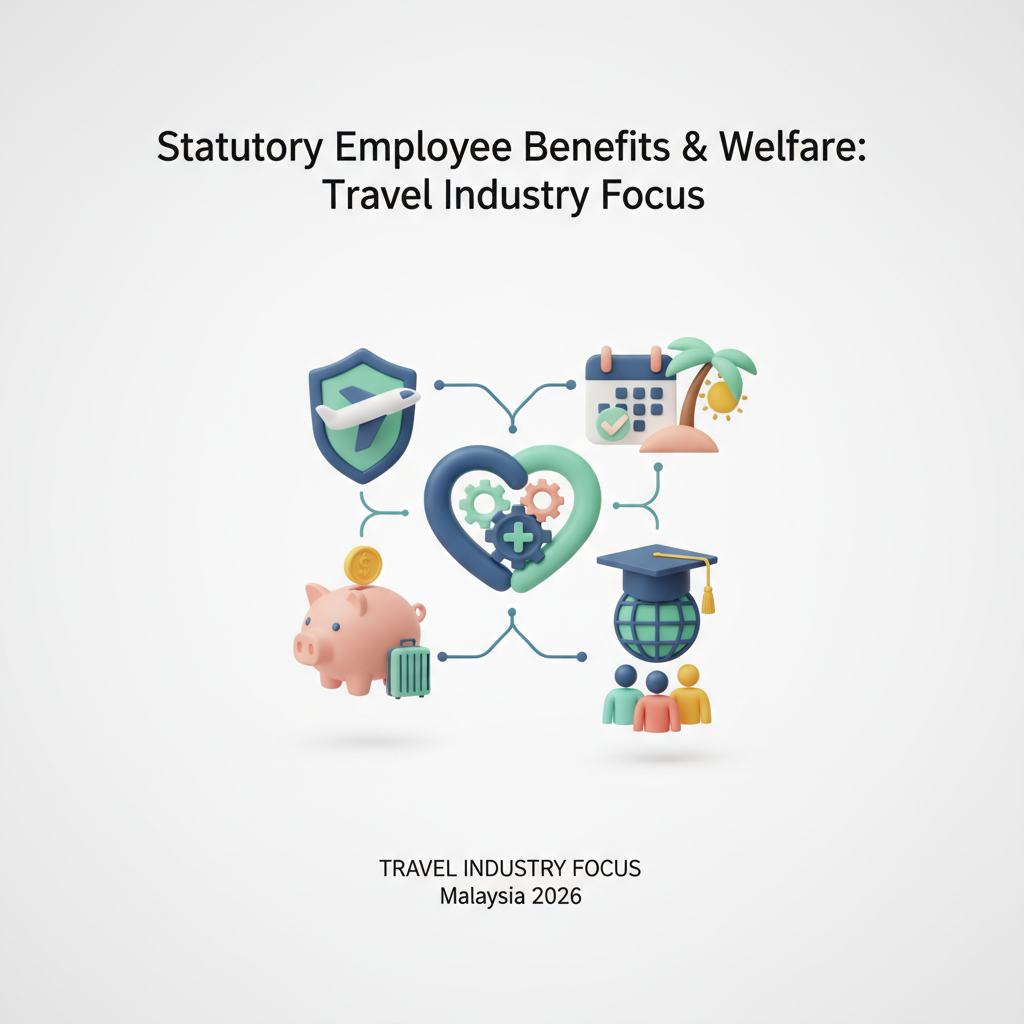
Statutory Employee Benefits & Welfare: Travel Industry Focus
Malaysian travel companies operate within a robust legal framework designed to protect employee rights and welfare. Adhering to these statutory requirements is not just a legal obligation but also a cornerstone of ethical business practices and employee retention in the competitive travel industry. This section meticulously outlines the mandatory benefits and welfare provisions that Malaysian travel companies must provide to their employees, covering essential statutory contributions and various types of leaves, ensuring compliance with Legal HR terms & conditions for Travels field in malaysia.
-
Annual Leave, Sick Leave, and Other Statutory Leave Entitlements
The Employment Act 1955 (EA 1955) and its subsequent amendments serve as the primary legislation governing employment practices in Peninsular Malaysia, including for employees in the travel sector. A fundamental aspect of this Act is the provision for various types of leave.
- Annual Leave: Employees are entitled to paid annual leave based on their length of service. Specifically, those with less than two years of service are entitled to 8 days, those with two to five years get 12 days, and those with five years or more receive 16 days per year. Effective management of these leave requests is crucial for operational continuity in the travel industry.
- Sick Leave: Entitlement to paid sick leave also varies with service length. Employees with less than two years of service are entitled to 14 days, those with two to five years to 18 days, and those with five years or more to 22 days per year. If hospitalization is required, an additional 60 days of paid sick leave is provided. A medical certificate is typically required for sick leave, especially for periods exceeding two days.
- Public Holidays: Employees are entitled to paid holidays on all gazetted public holidays. Employers must grant 11 gazetted public holidays, five of which are designated as mandatory (National Day, Birthday of the Yang di-Pertuan Agong, Birthday of the Ruler or Yang di-Pertua Negeri, Labour Day, and Malaysia Day). Work on a public holiday entitles employees to double their ordinary rate of pay.
- Rest Days: Every employee is entitled to one rest day per week. Work performed on a rest day must be compensated at not less than double their ordinary rate of pay.
-
EPF, SOCSO, and EIS Contributions for Travel Sector Employees
Beyond leave entitlements, Malaysian employment law mandates several social security contributions that travel companies must make on behalf of their employees. These contributions form a crucial safety net, providing financial security and support in various circumstances.
- Employees Provident Fund (EPF/KWSP): EPF is a compulsory savings scheme primarily for retirement. Both employers and employees contribute a percentage of the employee’s monthly salary. For employees below 60, employer contribution rates are typically 13% (for wages exceeding RM5,000) or 12% (for wages up to RM5,000), and employee contribution is 11%. These funds are critical for employees’ post-retirement financial stability.
- Social Security Organization (SOCSO/PERKESO): SOCSO provides social protection through the Employment Injury Scheme and Invalidity Scheme. The Employment Injury Scheme protects against work-related accidents, occupational diseases, and commuting accidents. The Invalidity Scheme offers 24-hour coverage against invalidity and death. Contribution rates are generally low and shared, ensuring employees in the travel sector are protected against work-related risks.
- Employment Insurance System (EIS/SIP): Introduced in 2018, EIS provides financial assistance to employees who lose their jobs for reasons other than misconduct. This system offers temporary financial relief, job search assistance, and vocational training. Both employers and employees contribute a small percentage (typically 0.2% each) of the employee’s monthly wages to EIS, which is highly relevant for an industry susceptible to economic fluctuations. Understanding and implementing these contributions is a key aspect of Legal HR terms & conditions for Travels field in malaysia. For more detailed information on statutory contributions, employers can refer to the official website of the Ministry of Human Resources Malaysia.
-
Maternity, Paternity, and Parental Leave Provisions
The Employment Act 1955 has seen significant amendments concerning family-friendly policies, reflecting a broader commitment to supporting working parents.
- Maternity Leave: Effective 1 January 2023, the mandatory paid maternity leave period has been extended from 60 days to 98 days (approximately 14 weeks) for eligible female employees, applicable for up to five confinements. During this period, the employee is entitled to her ordinary monthly wages. This extended leave allows new mothers sufficient time for recovery and bonding.
- Paternity Leave: A groundbreaking amendment to the EA 1955 introduced mandatory paid paternity leave. Eligible male employees are now entitled to 7 consecutive days of paid paternity leave for up to five confinements, provided they meet specific employment criteria (e.g., employed for at least 12 months with the same employer immediately before the leave, and their spouse is a Malaysian citizen). This acknowledges the importance of fathers’ roles in early childcare.
- Parental Leave (Childcare Leave) & Flexible Working Arrangements: While not explicitly termed “parental leave” under Malaysian statute, the concept of Flexible Working Arrangements (FWA) has been introduced. Employees, including those in the travel industry, can now apply for FWAs, which include variations in working hours, days, or place of work. This provides a mechanism for parents to better balance work and family responsibilities, offering invaluable flexibility. Employers must consider such applications and provide grounds for any rejection.
- Discrimination: It is illegal to terminate an employee due to pregnancy or maternity, as explicitly outlined in the EA 1955. Travel companies must ensure their policies and practices are non-discriminatory and fully compliant with these updated provisions to support their employees through significant life events.
Special HR Considerations for Malaysian Travel Businesses
The vibrant and dynamic travel industry in Malaysia presents unique opportunities but also complex Legal HR terms & conditions for Travels field in Malaysia. Beyond standard employment practices, travel businesses must navigate a labyrinth of challenges specific to their operations, from managing staff across borders to safeguarding sensitive client and employee data. Ensuring robust Malaysian travel HR compliance is paramount to avoid legal pitfalls, maintain employee welfare, and uphold the company’s reputation. This section delves into critical HR considerations, offering insights into effective strategies for managing a global workforce, protecting data privacy, and handling unique disciplinary scenarios inherent in the travel sector.
1. Managing Staff on Overseas Assignments and Extended Tours
One of the most intricate HR challenges for Malaysian travel businesses involves the deployment of staff on overseas assignments or extended domestic and international tours. This necessitates a comprehensive understanding of diverse labor laws, immigration requirements, and cultural sensitivities. For employees working abroad, companies must navigate the complexities of securing appropriate work permits and visas, ensuring compliance with local employment regulations in host countries, which can significantly differ from Malaysian standards.
Beyond legalities, the duty of care extends to providing adequate insurance coverage (medical, travel, and personal accident), appropriate allowances for accommodation, meals, and incidentals, and establishing clear communication channels. Compensation structures must consider fluctuating exchange rates, tax implications in both Malaysia and the host country, and potential overtime or special remuneration for irregular working hours. Developing robust emergency protocols and providing pre-departure training on health, safety, and cultural awareness are crucial. Effective overseas staff management travel Malaysia policies also involve defining clear job roles, performance metrics, and return-to-work strategies, ensuring a seamless transition and continuous support for employees throughout their assignments.
2. Data Protection and Privacy (PDPA) for Employee and Client Information
In an industry that routinely handles vast amounts of personal information, data protection and privacy are non-negotiable. Malaysia’s Personal Data Protection Act 2010 (PDPA) governs the processing of personal data in commercial transactions. Travel businesses collect sensitive data from both employees (e.g., NRIC, bank details, health records, next of kin) and clients (e.g., passport details, travel itineraries, dietary restrictions, payment information). Adhering to the PDPA’s seven principles—General, Notice and Consent, Disclosure, Security, Retention, Data Integrity, and Access—is crucial for the PDPA travel industry Malaysia.
For employees, this means obtaining explicit consent for data collection, ensuring secure storage, restricting access to authorized personnel, and having clear policies on data retention and disposal. For clients, the implications are even broader, encompassing the secure handling of passport copies, visa applications, flight and accommodation bookings, and financial transactions. Cross-border data transfers, especially when sharing client details with international airlines, hotels, or tour operators, require careful consideration to ensure compliance with PDPA and potentially, international data protection laws like GDPR. Companies must implement robust cybersecurity measures, conduct regular privacy impact assessments, and train staff on data handling best practices. Further guidance can be found through official channels, such as the Department of Personal Data Protection Malaysia.
3. Disciplinary Procedures and Termination Laws Specific to Travel Incidents
The dynamic nature of the travel industry often exposes staff to unique situations that may warrant specific disciplinary actions. Incidents such as misconduct while on tour, breach of safety protocols, misrepresentation to clients, or actions that bring the company into disrepute, require tailored disciplinary frameworks. Malaysian employment law, primarily governed by the Employment Act 1955 and the Industrial Relations Act 1967, mandates fair and just procedures for disciplinary actions and termination.
Travel businesses must establish clear codes of conduct that address specific operational risks and expectations for staff both in-office and on assignment. When an incident occurs, a fair investigative process must be followed, including issuing a show-cause letter, conducting a domestic inquiry (if dismissal is contemplated), and providing the employee with an opportunity to be heard. Termination, especially for misconduct, must be based on just cause or excuse, proven through a thorough process, to avoid claims of unfair dismissal at the Industrial Court. Given the high-stakes nature of international operations and client relationships, any breach of trust or professional conduct can have severe consequences, making well-defined disciplinary policies and consistent application essential for Legal HR terms & conditions for Travels field in Malaysia, protecting both the business and its employees.
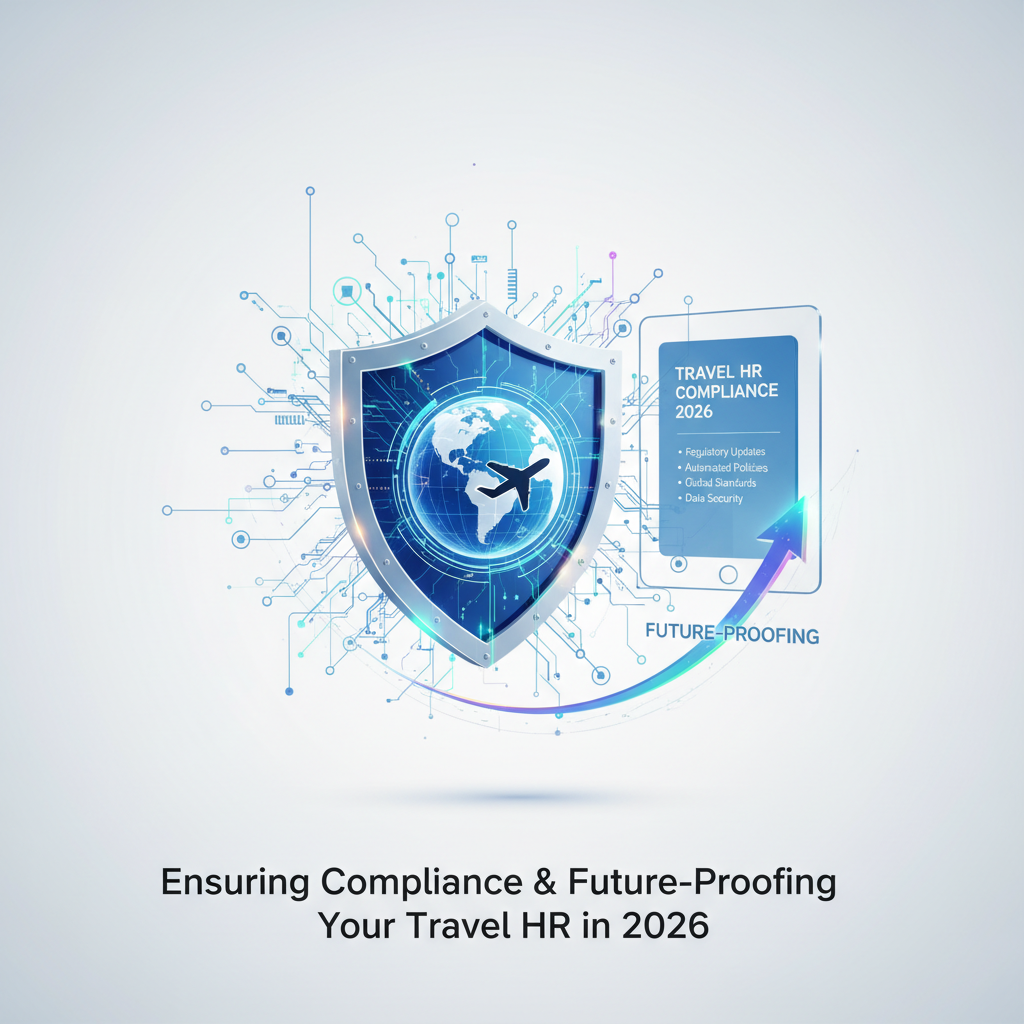
Ensuring Compliance & Future-Proofing Your Travel HR in 2026
The dynamic nature of the travel industry, particularly in vibrant markets like Malaysia, demands an equally agile approach to Human Resources. As 2026 approaches, travel businesses face the crucial challenge of navigating an evolving legal landscape to ensure robust HR compliance. This section provides actionable strategies for travel businesses to maintain ongoing adherence to Legal HR terms & conditions for Travels field in Malaysia, prepare for anticipated legislative changes, and adapt proactively to protect their operations and workforce. Understanding Malaysian employment law for travel is not just about avoiding penalties; it’s about fostering a fair, productive, and future-ready work environment.
1. Conducting Regular HR Audits and Policy Updates
Proactive HR management begins with a comprehensive understanding of your current state. Regular HR audits are indispensable for travel companies operating in Malaysia. These audits should meticulously review all existing HR policies, contracts, employee handbooks, and operational procedures against current Legal HR terms & conditions for Travels field in Malaysia. This includes scrutinizing aspects like recruitment practices, wage structures, leave entitlements, termination procedures, and grievance handling mechanisms to ensure alignment with the Employment Act 1955 (and its upcoming amendments), Occupational Safety and Health Act 1994, and other relevant statutes.
Beyond identifying non-compliance, audits provide an opportunity to update policies to reflect best practices and recent legal shifts. For instance, policies concerning remote work, flexible hours, and digital communication, which have become prevalent in the post-pandemic travel sector, must be clearly defined and legally sound. Ensuring your employment contracts for tour guides, hotel staff, or agency professionals are robust and compliant minimizes future legal risks and supports effective HR compliance in tourism Malaysia. This systematic review and update process is foundational to future-proofing your HR framework.
2. Training and Awareness Programs for Management and Staff
Even the most meticulously crafted policies are ineffective without proper understanding and application. Implementing regular training and awareness programs is a critical component of ensuring HR compliance within the travel sector. These programs should target all levels of employees, from senior management to front-line staff. For managers, training should focus on their responsibilities in upholding labor laws, understanding disciplinary procedures, managing performance, and promoting a respectful workplace free from discrimination and harassment. They need to be well-versed in the specifics of Legal HR terms & conditions for Travels field in Malaysia to avoid potential pitfalls.
For general staff, awareness programs can cover essential topics such as their rights and responsibilities, company codes of conduct, data privacy policies, and grievance reporting procedures. Specialized training might be required for roles dealing with international clients or sensitive data, ensuring compliance with global and local regulations. Investing in these programs not only mitigates the risk of legal breaches but also fosters a culture of transparency, accountability, and ethical conduct, which is vital for the reputation and sustained success of any travel business.
3. Anticipated Legislative Changes and Their Impact on Travel HR (2026 Outlook)
The legislative landscape for HR in Malaysia is dynamic, with significant amendments often being introduced to reflect global standards and local socio-economic needs. Travel businesses must keep a keen eye on anticipated changes to the Employment Act, potentially encompassing areas like increased maternity/paternity leave, enhanced protections against discrimination, or changes to working hours definitions. For example, recent amendments increasing maternity leave to 98 days and paternity leave to 7 days, alongside changes to calculation of wages for flexible working arrangements, directly impact the travel sector’s HR planning.
Looking towards 2026, potential developments in future HR legislation Malaysia might involve more stringent data protection regulations, further clarification on gig economy workers’ rights (which are prevalent in parts of the travel and tourism industry), or enhanced provisions for mental health support in the workplace. Staying informed through legal advisories, industry associations, and government publications is paramount. Proactive engagement with these potential changes – perhaps by conducting impact assessments or scenario planning – allows travel HR departments to adapt swiftly, ensuring that their policies and practices remain compliant and continue to attract and retain top talent in a competitive market. Understanding and adapting to these shifts will be key to long-term success.
Partner with Shelby Global
You are looking for reliable HR Sevice Suppliers? Contact Shelby Global Now! To connect with verified talents and upgrade your orginization.
—————————————
References
– The Employment (Amendment) Act 2022: Key Amendments and What Employers Should Know: https://www.skrine.com/insights/alerts/2022/the-employment-amendment-act-2022-key-amendments-and-what-employers-should-know
– The Employment Act 1955 (Amendment) 2022: The New Era of Employment Law in Malaysia: https://www.skrine.com/insights/publications/january-2023/the-employment-act-1955-(amendment)-2022-the-new-era-of-employment-law-in-malaysia
– website of the Ministry of Human Resources Malaysia: https://www.mohr.gov.my/
– Department of Personal Data Protection Malaysia: https://www.pdpa.gov.my/
– Employment Act 1955: https://www.mohr.gov.my/index.php/en/legislation/acts/employment-act-1955



































































































