Understanding the Landscape: Malaysia’s Travel Field in 2026
Malaysia, a vibrant tapestry of cultures, breathtaking landscapes, and modern marvels, has long cemented its position as a premier global travel destination. As we navigate towards 2026, its travel industry stands at a pivotal juncture, demonstrating remarkable resilience and a clear trajectory for sustained growth. This sector is not merely a collection of attractions; it is a fundamental pillar of the national economy, acting as a significant contributor to the Gross Domestic Product (GDP), a major employer, and a driver of infrastructure development. Providing unique experiences from bustling cityscapes to pristine rainforests and idyllic islands, Malaysia’s tourism sector is dynamic, diverse, and inherently exposed to a myriad of opportunities and challenges. Understanding this intricate landscape is paramount, forming the essential groundwork for any comprehensive the trend report of the risk of Travels field in malaysia, and highlighting the critical need for proactive risk assessment and strategic planning to ensure its continued prosperity.
1. Growth Trajectories and Economic Contributions
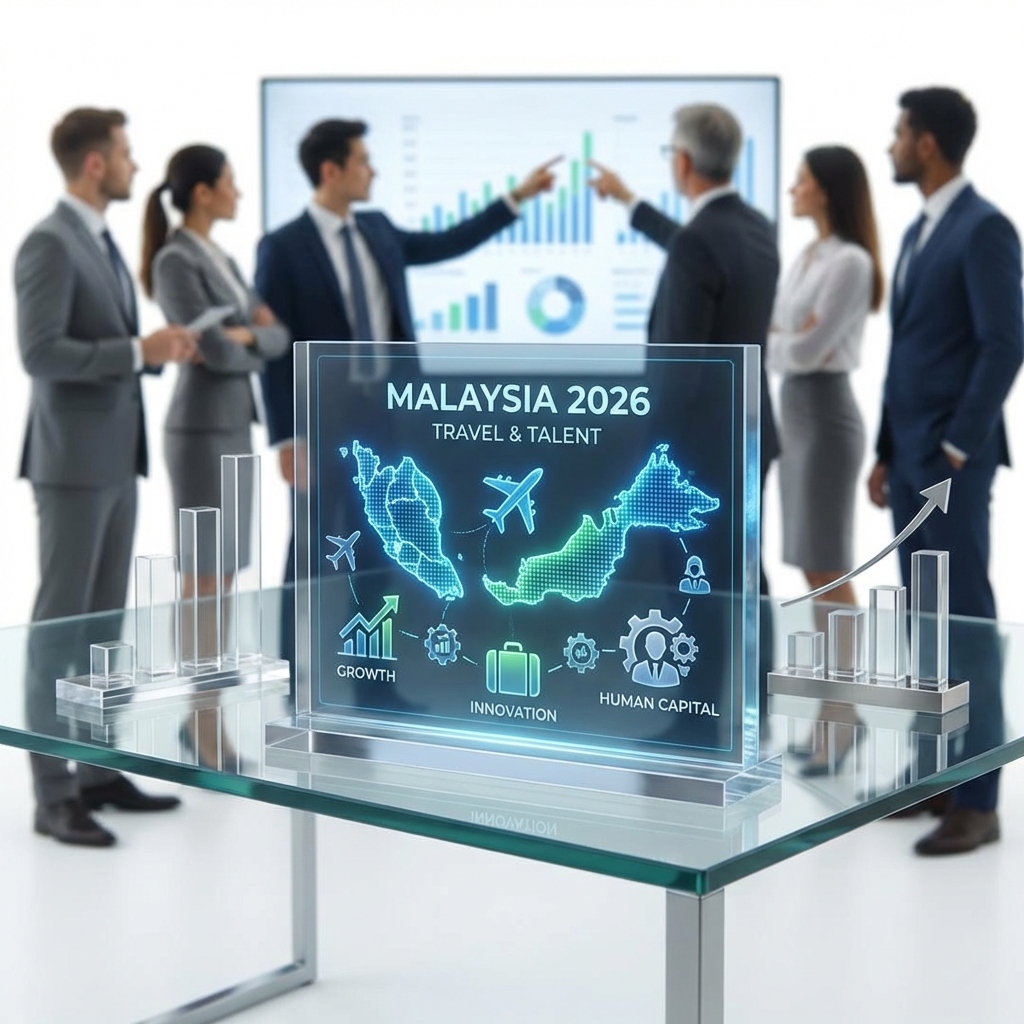
The Malaysian travel industry has showcased an impressive recovery trajectory following the unprecedented disruptions of recent years. Pre-pandemic, the sector was a robust economic engine, consistently attracting millions of international visitors and generating substantial revenue. While the global health crisis presented significant setbacks, Malaysia’s strategic reopening and targeted promotional efforts have spurred a vigorous rebound. This resurgence is evident in both domestic tourism, which provided a crucial lifeline during border closures, and the strong return of international arrivals.
Economically, tourism’s contribution to Malaysia’s GDP is substantial. According to the World Travel & Tourism Council’s (WTTC) analysis, the sector is not only a significant wealth generator but also a colossal job creator, supporting millions of livelihoods across hospitality, transportation, retail, and food and beverage. Government initiatives, such as the National Tourism Policy 2020-2030, are designed to further enhance competitiveness, promote sustainable tourism practices, and diversify tourism products. This strategic foresight, coupled with ongoing investment in infrastructure, underpins the positive outlook for the industry’s sustained growth towards and beyond 2026.
2. Key Tourism Destinations and Activities
Malaysia’s allure lies in its remarkable diversity, offering an array of experiences that cater to every type of traveler. The capital city, Kuala Lumpur, stands as a beacon of modernity with its iconic Petronas Twin Towers, vibrant shopping districts, and rich culinary scene. Historical and cultural enthusiasts are drawn to the UNESCO World Heritage Sites of Penang and Melaka, where colonial architecture and unique Peranakan heritage abound.
For those seeking natural beauty, the archipelago of Langkawi presents pristine beaches, lush rainforests, and geopark wonders. The East Malaysian states of Sabah and Sarawak on Borneo island are renowned for their incredible biodiversity, offering opportunities for eco-tourism adventures like scaling Mount Kinabalu, diving in Sipadan, or exploring ancient rainforests inhabited by orangutans. Furthermore, Malaysia is steadily growing its niche markets, including medical tourism, business events (MICE), and agritourism, broadening its appeal and revenue streams. The continuous development and promotion of these varied attractions are vital for Malaysia’s tourism success, but also introduce complex considerations when compiling the trend report of the risk of Travels field in malaysia, particularly concerning the sustainability and resilience of these unique offerings.
3. Defining ‘Risk’ in the Context of Malaysian Travel
In the dynamic and interconnected global landscape of 2026, understanding ‘risk’ within Malaysia’s travel sector extends far beyond traditional notions of safety and security. While these remain paramount, a comprehensive risk assessment must encompass a broader spectrum of potential threats that could impede growth, damage reputation, or disrupt operations. Economic risks, such as global recessions, currency fluctuations, or shifts in consumer spending habits, can directly impact visitor numbers and tourism revenue. Environmental risks, including the escalating impacts of climate change, natural disasters (e.g., floods, haze), and the challenges of over-tourism, threaten both natural attractions and supporting infrastructure.
Furthermore, health-related risks, exemplified by potential future pandemics or regional disease outbreaks, necessitate robust preparedness and response mechanisms. Political instability, regional conflicts, and changes in visa policies can also swiftly alter travel patterns. Operational risks, ranging from airline disruptions to cybersecurity threats, pose constant challenges to seamless travel experiences. Moreover, the rapid evolution of technology and competitive pressures from other destinations add layers of market and reputational risk. Effectively navigating Malaysia’s travel field in 2026 demands not just identifying these multifaceted risks, but proactively developing adaptive strategies to mitigate their potential impacts and safeguard the industry’s vibrant future.
Identified Trends in Travel Risks within Malaysia
Malaysia, a jewel of Southeast Asian tourism, continues to attract millions with its vibrant culture, stunning natural beauty, and modern infrastructure. However, like any evolving travel destination, it presents a dynamic landscape of potential risks that travelers and industry stakeholders must understand. This section of our trend report of the risk of Travels field in Malaysia delves into specific categories of risks that are currently prevalent or showing upward trends within the Malaysian travel sector, encompassing everything from natural calamities to human-made threats. Recognizing these patterns is crucial for fostering safer travel experiences and bolstering the resilience of the tourism industry against emerging challenges in Malaysia’s diverse travel environment, enhancing overall tourism safety Malaysia provides.
1. Geopolitical and Security Concerns (Regional Stability, Crime)
While Malaysia is generally considered a safe destination, it is not entirely immune to geopolitical shifts and localized security concerns that can influence travel decisions. Regional stability, particularly in maritime areas and border regions, remains a nuanced issue. Instances of piracy in the Sulu Sea, though largely contained, have historically warranted vigilance, especially for yachting or island-hopping itineraries in Eastern Sabah, contributing to specific Malaysia travel risks. Travelers should always be aware of current travel advisories issued by their respective governments to stay informed about security threats Malaysia faces. Beyond regional dynamics, urban and tourist-centric crime trends in Malaysia are also a factor. Petty crime, such as pickpocketing and bag snatching, especially in crowded areas like markets, public transport hubs, and popular tourist attractions in Kuala Lumpur and Penang, shows a persistent presence. More sophisticated scams, often targeting tourists through fraudulent schemes or ATM manipulation, are also on the rise, necessitating increased traveler awareness and caution. Vigilance against these crime rates Malaysia experiences in certain contexts is paramount for a smooth travel experience.
2. Natural Disasters and Climate Change Impacts (Floods, Haze)
Malaysia’s equatorial climate, while contributing to its lush landscapes, also exposes it to a range of natural hazards, the frequency and intensity of which are increasingly influenced by climate change. Flooding stands out as a significant and growing risk. Monsoon seasons, particularly the Northeast Monsoon (roughly November to March), often bring torrential rains that can lead to severe flash floods and landslides, especially in the East Coast states of Peninsular Malaysia and in parts of Borneo. These events can disrupt travel plans, damage infrastructure, and pose direct safety risks, making natural disaster travel Malaysia a critical consideration. The recurring issue of transboundary haze, primarily originating from agricultural burning in neighboring countries, continues to be another seasonal threat. The haze, typically prevalent between June and October, can drastically reduce air quality to unhealthy levels, affecting respiratory health, visibility, and overall tourism appeal. Understanding these climate impact tourism challenges and staying informed about environmental warnings are critical for prospective visitors and tour operators alike.
3. Health and Safety Issues (Disease Outbreaks, Road Safety)
Ensuring the health and personal safety of travelers is a fundamental aspect of risk management in Malaysia. While public health infrastructure is generally good in major cities, certain health risks Malaysia presents warrant attention. Dengue fever, a mosquito-borne illness, is endemic throughout the country, with outbreaks occurring periodically, particularly during rainy seasons. Travelers are advised to take precautions against mosquito bites. Other gastrointestinal illnesses can also occur from contaminated food or water, emphasizing the importance of hygienic practices. The post-pandemic era also means that potential resurgences of diseases or new outbreaks remain a factor in health risks Malaysia’s tourism sector must monitor. Perhaps the most pervasive and often underestimated safety issue for tourists, however, is road safety. Malaysia has a high rate of road accidents, particularly involving motorcycles. Navigating busy roads, whether as a pedestrian, driver, or passenger in taxis or ride-shares, requires extreme caution. Understanding local driving habits, adhering to traffic laws, and exercising vigilance are crucial for mitigating road accidents Malaysia unfortunately experiences frequently, making personal safety a key consideration in any travel advisory for the region.
Socio-Economic and Technological Influences on Travel Risk
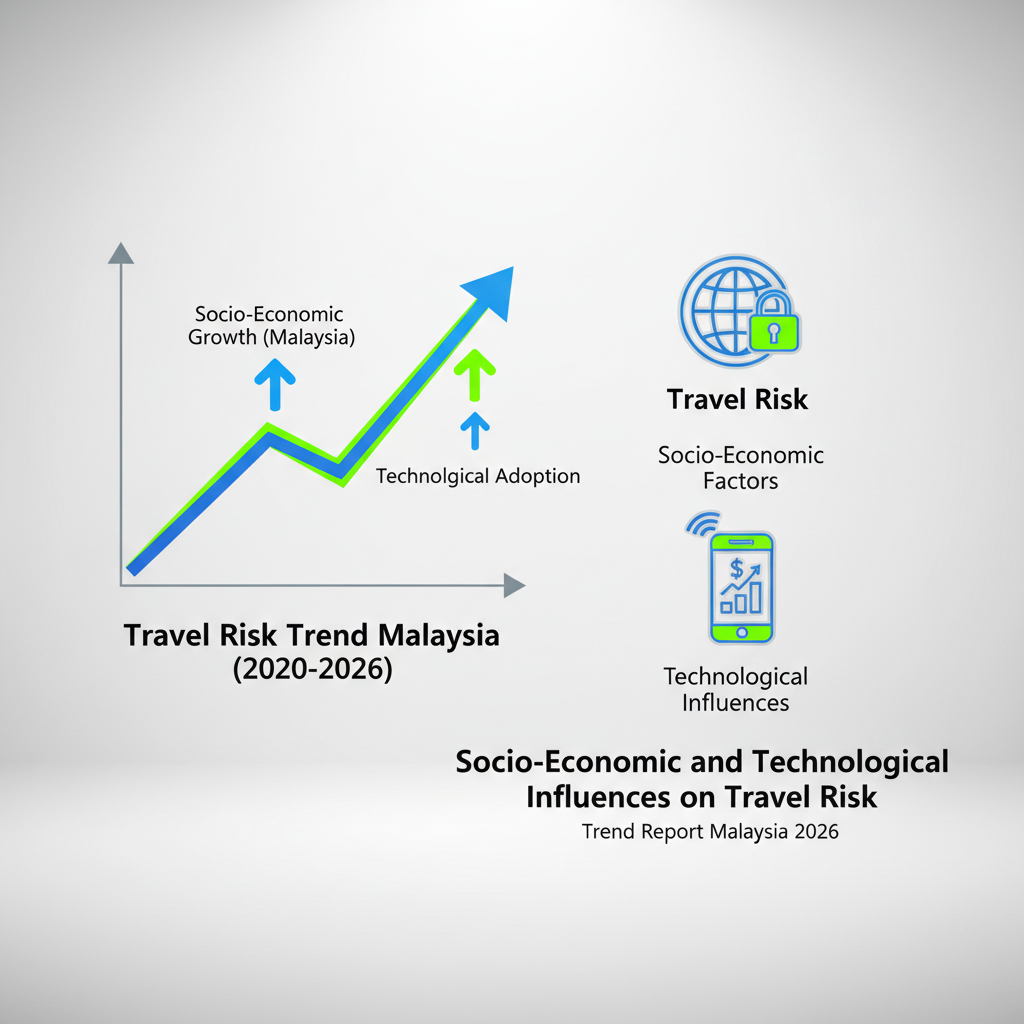
The dynamic landscape of global socio-economic shifts and rapid technological advancements profoundly reshapes the risk profile for travelers and the broader tourism industry in Malaysia. Understanding these intricate interdependencies is crucial for stakeholders to develop robust risk mitigation strategies. A comprehensive trend report of the risk of Travels field in malaysia highlights how factors from economic downturns to cyber threats are creating new challenges and opportunities for ensuring traveler security and operational resilience. This analysis delves into key areas where these influences are most keenly felt, shaping the future of travel safety and tourism risk management in the region. The increasing digitalization of travel, coupled with evolving global economic pressures, demands a proactive approach to maintain Malaysia’s appeal as a safe and desirable destination.
-
Economic Volatility and its Effect on Travel Infrastructure
Economic volatility, whether driven by global recessions, regional trade tensions, or domestic policy changes, directly impacts the sustainability and development of travel infrastructure in Malaysia. Periods of economic uncertainty often lead to reduced government and private sector investment in critical areas such as airport expansions, road networks, public transportation upgrades, and even routine maintenance. Budget cuts can compromise essential safety standards, delay the adoption of modern security technologies, and potentially affect emergency preparedness capabilities. For instance, reduced funding might defer the upgrading of air traffic control systems or critical bridge maintenance, thereby increasing operational risks for airlines and road users. Furthermore, economic downturns can lead to a rise in petty crime or more severe socio-economic distress, indirectly influencing traveler safety and the perception of security. Conversely, periods of economic growth can spur significant infrastructure development, but without proper oversight and long-term planning, rapid expansion might outpace maintenance capacity or quality control, introducing different sets of risks related to infrastructure resilience and operational efficiency. The long-term stability of the tourism sector heavily relies on consistent investment in and upkeep of its physical assets, making economic stability a cornerstone of effective tourism risk management.
-
Cybersecurity Threats and Data Privacy in Digital Travel
The digital transformation sweeping across the travel industry has brought unprecedented convenience but also introduced complex cybersecurity threats and data privacy concerns. From booking flights and accommodations online to using digital payment gateways and personalized travel apps, travelers’ sensitive personal and financial data is constantly in transit. Malaysia’s travel sector is increasingly vulnerable to sophisticated cyberattacks, including data breaches, ransomware attacks targeting hotel chains and airlines, and phishing scams designed to defraud travelers. Such incidents not only result in financial losses but also erode consumer trust and damage the reputation of affected businesses and the destination itself. Protecting traveler data privacy is paramount, especially with evolving global data protection regulations. Companies operating in Malaysia must adhere to stringent cybersecurity protocols and comply with data protection acts to safeguard customer information. The continuous evolution of these threats necessitates ongoing investment in robust security infrastructure, employee training, and swift incident response mechanisms. For travelers, understanding the risks associated with public Wi-Fi networks and verifying the legitimacy of digital platforms becomes a critical aspect of personal travel safety. According to a 2024 report by the World Economic Forum, cyber insecurity is one of the most severe global risks, highlighting the urgent need for enhanced digital resilience across all sectors, including travel. This focus on digital security is a key component of modern traveler security strategies.
-
Infrastructure Development and Maintenance Challenges
Beyond economic influences, Malaysia faces inherent challenges in infrastructure development and ongoing maintenance that directly impact travel risk. Rapid urbanization and the push for new tourism hubs often prioritize development speed over comprehensive, long-term planning and quality assurance. This can lead to issues such as inadequate drainage systems contributing to urban flooding, sub-optimal construction materials, or insufficient maintenance budgets for critical infrastructure like roads, bridges, and public transport systems. For example, the expansion of road networks must be matched with consistent upkeep to prevent potholes and structural damage that pose accident risks. Similarly, ensuring the safety and operational integrity of airports, seaports, and railway lines requires rigorous inspection regimes and timely repairs. Environmental factors, particularly the increasing frequency of extreme weather events like heavy rainfall and flash floods in parts of Malaysia, also place immense strain on existing infrastructure, demanding more resilient designs and proactive maintenance. Addressing these challenges requires a holistic approach that integrates sustainable development practices, climate resilience planning, and robust quality control mechanisms from design to implementation and maintenance. This ensures that the infrastructure supporting Malaysia’s tourism sector is not only expansive but also safe, reliable, and capable of withstanding both daily wear and unforeseen environmental pressures, thereby bolstering overall travel safety and destination appeal.
Strategies for Risk Mitigation and Traveler Safety
In an increasingly dynamic global landscape, ensuring traveler safety and mitigating potential risks remain paramount for the tourism sector, especially in vibrant destinations like Malaysia. This section outlines the current, multi-faceted efforts by authorities, travel operators, and individuals to manage and reduce identified risks, emphasizing proactive measures and best practices. By understanding these strategies, travelers can make informed decisions, contributing to safer and more enjoyable journeys. The insights here build upon a deeper understanding presented in this comprehensive trend report on travel risks in Malaysia, which details the evolving challenges within the region’s travel field.
1. Government Policies and Regulatory Frameworks
The Malaysian government plays a crucial role in establishing a secure and welcoming environment for tourists. Through robust policies and stringent regulatory frameworks, they address various aspects of travel safety Malaysia. This includes enforcing strict standards for accommodation providers, transportation services, and tour operators, ensuring compliance with international safety protocols. Law enforcement agencies maintain a visible presence, particularly in popular tourist zones, to deter criminal activities and respond swiftly to emergencies, thereby mitigating common security risks Malaysia. Furthermore, comprehensive health regulations are in place to manage public health concerns, including disease surveillance and response mechanisms, which are vital for addressing potential health risks travel. Significant investments are also made in natural disaster management Malaysia, with early warning systems and coordinated emergency response plans to protect travelers from environmental hazards like floods or haze. Efforts to strengthen border security measures Malaysia are continuous, aiming to prevent illicit activities and ensure controlled entry and exit points, contributing to overall national security and traveler confidence. These proactive government initiatives form the bedrock of risk mitigation for visitors.
2. Role of Travel Agencies and Insurance Providers
Beyond governmental oversight, travel agencies and insurance providers are indispensable partners in ensuring traveler safety and preparedness. Reputable travel agencies are often the first line of defense, offering curated travel packages that prioritize safety-vetted accommodations and transport. They provide invaluable on-the-ground support, including emergency contact information, local insights, and assistance with re-routing or evacuation in unforeseen circumstances, enhancing overall emergency preparedness Malaysia. Many agencies also educate travelers on potential risks and cultural sensitivities. Parallel to this, travel insurance providers offer critical financial protection against a spectrum of risks. A robust travel insurance Malaysia policy typically covers medical emergencies, trip cancellations or interruptions, lost luggage, and even personal liability. This financial safety net is crucial, transforming potentially devastating incidents into manageable inconveniences. They also play a role in travel fraud prevention by offering secure booking platforms and advice on legitimate service providers, thus safeguarding travelers from scams. The synergistic relationship between travel agencies and insurance companies empowers travelers with both practical assistance and financial security, making their journey more resilient against disruptions.
3. Personal Preparedness and Responsible Tourism Practices
While external entities establish the frameworks for safety, individual travelers bear a significant responsibility for their own preparedness and adherence to responsible tourism practices. Prior research into destinations, local customs, and potential risks is fundamental. This includes understanding visa requirements, local laws, and cultural norms to avoid inadvertent infringements or misunderstandings. Personal health precautions, such as vaccinations, carrying necessary medications, and being aware of local health advisories, are also crucial for mitigating health risks travel. Engaging in sustainable tourism Malaysia involves respecting local communities, preserving natural environments, and supporting local economies ethically. This means minimizing environmental footprint, avoiding exploitation of wildlife, and engaging with cultural heritage respectfully. Travelers should also prioritize digital safety, securing personal data and being wary of public Wi-Fi networks to prevent travel fraud prevention. Carrying copies of important documents, knowing emergency contacts, and maintaining situational awareness are simple yet effective measures. Ultimately, a well-informed and responsible traveler is not only safer but also contributes positively to the destination, fostering a culture of mutual respect and long-term sustainability within the vibrant tourism landscape of Malaysia.
The Future of Travel Risk in Malaysia: A 2026 Outlook
This section offers a forward-looking perspective on how travel risks in Malaysia are expected to evolve by 2026, providing insights and recommendations for all stakeholders. Understanding these dynamics is crucial for crafting a comprehensive trend report of the risk of Travels field in Malaysia.
Malaysia, a jewel of Southeast Asia, continues to be a vibrant destination for global travelers. However, the landscape of travel is ever-changing, shaped by global events, technological advancements, and environmental shifts. As we look towards 2026, understanding and anticipating the evolution of travel risks in Malaysia becomes paramount for ensuring visitor safety, bolstering industry resilience, and fostering sustainable tourism growth. This outlook provides a proactive trend report of the risk of Travels field in Malaysia, highlighting key areas of concern and opportunity for government bodies, tourism operators, and travelers alike.
1. Emerging Risk Scenarios and Predictive Models
By 2026, several risk factors are expected to gain prominence in Malaysia’s travel sector. Climate change impacts will likely intensify, manifesting as more frequent and severe weather events, such as flash floods and prolonged heatwaves, particularly affecting coastal areas and natural attractions. This necessitates enhanced disaster preparedness and early warning systems. Secondly, cybersecurity threats to travel infrastructure, including booking platforms, airline systems, and hotel networks, are projected to escalate. Malicious actors could target personal data or disrupt essential services, making robust digital defenses a critical investment.
Furthermore, health crises, while hopefully not on the scale of recent pandemics, will remain a significant concern. The focus will shift towards rapid response protocols, effective disease surveillance, and clear communication strategies to manage localized outbreaks. Geopolitical shifts and regional instabilities, though less predictable, could also introduce new complexities, impacting travel routes and perceptions of safety. To counter these evolving threats, the adoption of predictive models and advanced analytics will be crucial. Leveraging big data from travel patterns, weather forecasts, social media sentiment, and health indicators can enable stakeholders to foresee potential risks, allocate resources effectively, and implement preventative measures before incidents escalate. This proactive approach forms a core pillar of any effective risk management strategies in the travel field.
2. Innovations in Travel Safety and Security
The period leading up to 2026 will undoubtedly see significant technological advancements dedicated to bolstering travel safety and security in Malaysia. Smart infrastructure at airports, seaports, and major tourist hubs will become more prevalent, incorporating AI-powered surveillance, facial recognition, and automated baggage screening to enhance efficiency and threat detection. The implementation of biometric authentication for seamless border control and secure access will reduce wait times while strengthening security protocols.
Real-time tracking and emergency response systems will become more sophisticated. Wearable technology and mobile applications could offer travelers immediate access to emergency services, localized safety alerts, and health advice, fostering a greater sense of security. Communication channels will also evolve, with government agencies and tourism bodies utilizing AI-driven chatbots and multi-platform alerts to disseminate critical safety information instantly. For tourism operators, digital platforms for staff training on emergency procedures, cultural sensitivity, and first aid will be standard. These innovations are not just about reactive measures but about creating an environment where risks are minimized proactively, aligning with the principles outlined in a comprehensive travel safety Malaysia report.
3. Recommendations for Sustainable and Resilient Tourism
To navigate the future of travel risk, Malaysia must adopt a holistic strategy focused on sustainable and resilient tourism. For the government, this involves continuous investment in infrastructure upgrades, robust regulatory frameworks, and international collaborations for intelligence sharing and capacity building. Developing clear, actionable national crisis management plans tailored for the tourism sector is paramount.
Tourism operators and hoteliers must prioritize traveler well-being through transparent safety protocols, comprehensive insurance options, and staff training that covers diverse risk scenarios, including environmental and health emergencies. Embracing sustainable practices, such as eco-tourism initiatives and community-based tourism, not only enhances the visitor experience but also builds local resilience against economic shocks and environmental degradation. UNWTO offers valuable insights into building back better in tourism. Travelers, too, have a role to play by staying informed, purchasing appropriate travel insurance, respecting local customs, and adhering to safety guidelines. Collaborative efforts among all stakeholders – government, private sector, local communities, and travelers – are essential to ensure that Malaysia remains a safe, enjoyable, and sustainable destination. By fostering this collective responsibility, Malaysia can transform potential threats into opportunities for strengthening its tourism sector and setting a benchmark for tourism resilience globally. A deeper dive into these strategies can be found in our comprehensive trend report of the risk of Travels field in Malaysia. This forward-looking perspective helps shape proactive measures.
Partner with Shelby Global
You are looking for reliable HR Sevice Suppliers? Contact Shelby Global Now! To connect with verified talents and upgrade your orginization.
—————————————
References
– World Travel & Tourism Council’s (WTTC) analysis: https://wttc.org/research/economic-impact/countries/malaysia
– :
– 2024 report by the World Economic Forum: https://www.weforum.org/agenda/2024/01/cyber-risk-threats-economic-impact-global-risks-report-2024/
– Foreign travel advice Malaysia – GOV.UK: https://www.gov.uk/foreign-travel-advice/malaysia
– UNWTO Launches Policy Guide to Build Back Better: https://www.unwto.org/news/unwto-launches-policy-guide-to-build-back-better