Understanding Vietnam’s Logistics Labor Landscape
Vietnam’s rapid economic ascent has propelled its logistics sector into a critical growth engine, yet it simultaneously presents a complex and evolving labor landscape. For Small and Medium-sized Enterprises (SMEs) aiming for sustainable growth, comprehending this dynamic environment is paramount for effective human resource planning and, most importantly, for establishing robust and Optimized Salary Budget Structures for SMEs in logistics field in vietnam. This section delves into the current state, challenges, and unique characteristics of the labor market specifically within the Vietnamese logistics sector, providing essential context for strategic salary budgeting and talent retention.
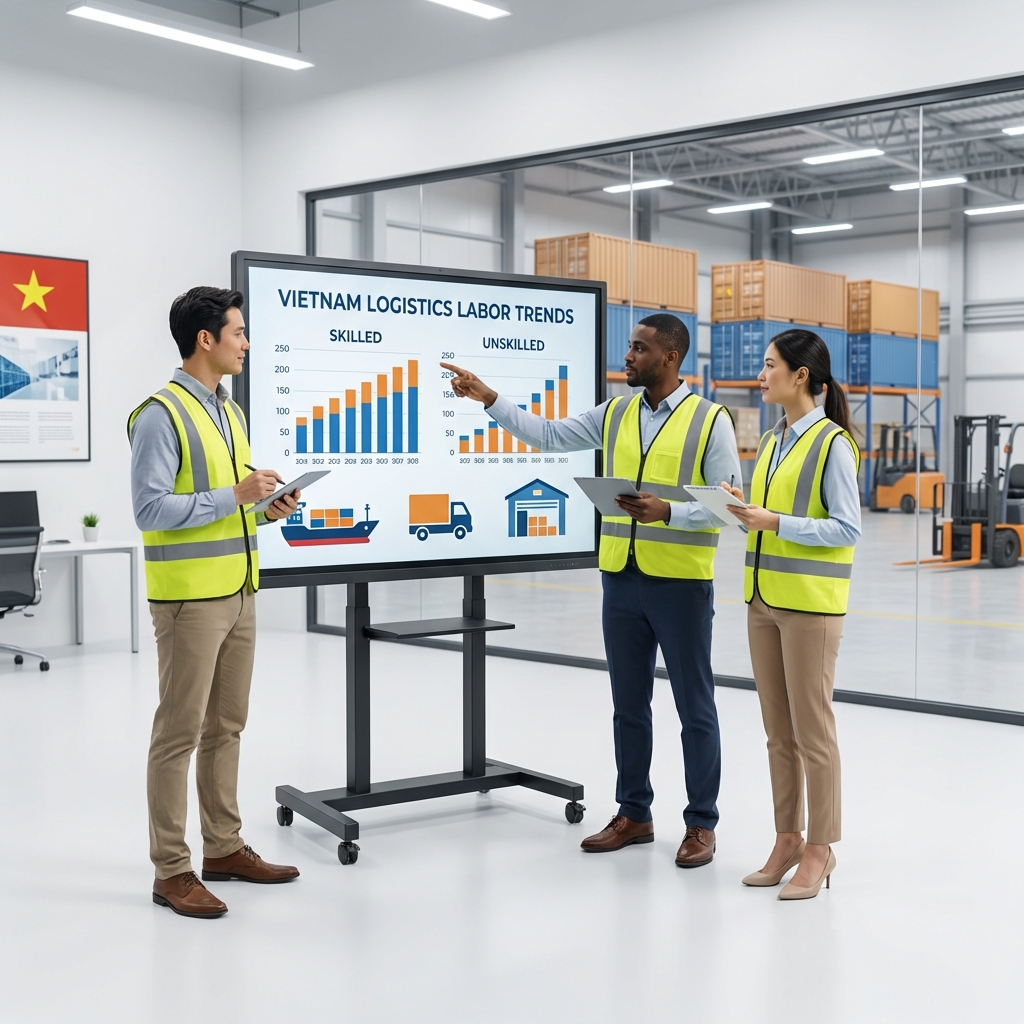
The logistics workforce in Vietnam is diverse, from entry-level warehouse staff and drivers to highly skilled supply chain managers and IT specialists. Each segment faces unique pressures and demands, influenced by domestic policies and global trade trends. A nuanced understanding is crucial for SMEs looking to allocate resources efficiently and remain competitive in attracting and retaining top talent.
-
Current Wage Trends and Benchmarks for Logistics Roles
The Vietnamese logistics sector exhibits broad wage trends, heavily influenced by location, required skills, experience, and company type (local vs. foreign-invested, small vs. large). Entry-level positions like warehouse operators, packers, and local delivery drivers typically command wages slightly above regional minimums, reflecting a supply of unskilled labor. However, roles demanding specialized skills – such as forklift operation, customs declaration expertise, or Warehouse Management Systems (WMS) proficiency – see significant salary increases.
For mid-level roles like logistics coordinators, freight forwarders, and junior supply chain analysts, salaries are competitive, especially in major economic hubs like Ho Chi Minh City and Hanoi. These roles require a blend of technical knowledge, problem-solving, and often English language proficiency, making skilled candidates valuable. At the senior level, positions such as supply chain directors, logistics managers, and advanced analytics specialists command premium salaries, reflecting talent scarcity and strategic importance. Benchmarking against industry averages and factoring in regional cost of living adjustments are vital for SMEs to develop fair and competitive packages, ensuring their Optimized Salary Budget Structures for SMEs in logistics field in vietnam align with market expectations.
-
Key Challenges: Labor Shortages & Skill Gaps in Vietnam
Despite a large overall labor pool, the Vietnamese logistics sector faces persistent challenges related to labor shortages and significant skill gaps. The rapid expansion of e-commerce, manufacturing, and international trade has created unprecedented demand, often outstripping the supply of adequately trained professionals. This is particularly true for roles requiring digital literacy, data analytics, and understanding of complex international trade regulations.
Many entry-level roles experience high turnover due to demanding conditions and relatively lower wages, leading to chronic shortages. More critically, there’s a pronounced gap in “soft skills” like critical thinking and communication, alongside “hard skills” in areas like advanced logistics software operation and cold chain management. Educational institutions strive to catch up, but industry evolution often leaves a void. This scarcity of skilled professionals drives up wage expectations and intensifies competition, forcing SMEs to invest more in training. Understanding these dynamics is key to planning for Vietnam’s economic and labor market trends.
-
Impact of Economic Growth on Logistics Workforce Demands
Vietnam’s robust economic growth, characterized by strong foreign direct investment (FDI), expanding export manufacturing, and a burgeoning domestic consumer market, directly fuels the demand for a sophisticated logistics workforce. The country’s strategic location and extensive free trade agreements position it as a crucial link in global supply chains. This growth necessitates not just more workers, but a more skilled and adaptable workforce capable of handling increasing volumes and complexity.
The rise of modern retail and e-commerce platforms has revolutionized last-mile delivery and warehousing, creating new jobs and demanding higher efficiency. Infrastructure development, including new ports, airports, and expressways, further accelerates this demand, requiring skilled personnel for operations and management. As Vietnam progresses towards a higher-income nation, the focus will shift from labor-intensive roles to value-added services, requiring continuous upskilling. SMEs must anticipate these shifts to develop future-proof talent acquisition and retention strategies, ensuring their salary structures remain competitive and attractive to the evolving demands of the sector.
In conclusion, Vietnam’s logistics labor landscape is a vibrant yet challenging environment, offering significant growth opportunities alongside acute talent pressures. For SMEs, navigating these complexities requires a proactive approach to understanding wage benchmarks, addressing skill gaps through training, and aligning human resource strategies with broader economic trends. Developing Optimized Salary Budget Structures for SMEs in logistics field in vietnam is not merely about cost control; it’s about strategic investment in a workforce pivotal to sustained success in this dynamic market.
Core Components of an Optimized Salary Structure
In Vietnam’s competitive logistics sector, attracting and retaining skilled talent is crucial for Small and Medium-sized Enterprises (SMEs). An Optimized Salary Budget Structures for SMEs in logistics field in Vietnam is not just about competitive pay; it’s a strategic framework for fairness, motivation, and operational efficiency. For logistics SMEs, where margins can be tight and demands high, a well-thought-out salary structure provides clarity, fosters loyalty, and supports sustainable growth. It integrates a holistic approach, acknowledging employee contributions while aligning with financial health and strategic objectives.
1. Defining Base Salary Ranges for Different Positions
The foundation of any robust salary structure lies in establishing clear and equitable base salary ranges for every position. For logistics SMEs, this demands systematic job analysis to understand responsibilities, required skills, experience, and the market value of roles—from warehouse operatives and drivers to logistics coordinators and operations managers. Thorough market research, specific to the Vietnamese logistics industry, is crucial to ensure these ranges are externally competitive, benchmarking against similar companies to avoid underpaying valuable talent or overspending. Internally, the structure must maintain equity; roles requiring similar skill, effort, and responsibility should receive comparable compensation. Transparency in how these ranges are determined (even if individual salaries remain confidential) significantly boosts employee trust and morale. A well-defined base salary range ensures new hires are compensated appropriately and provides clear career progression with associated salary growth, encouraging employees to develop skills and remain with the company. It also simplifies budgeting and ensures consistent compensation policies.
2. Performance-Based Incentives & Bonus Schemes
Beyond base salary, performance-based incentives and bonus schemes are vital for motivating employees, rewarding excellence, and aligning individual efforts with organizational goals. In the fast-paced logistics environment, where efficiency and accuracy directly impact profitability, such schemes drive significant improvements. These incentives can take various forms:
- Individual Bonuses: Tied to personal metrics like achieving delivery targets, reducing error rates, or exceeding customer satisfaction.
- Team Bonuses: Awarded when a department meets collective goals, such as improving warehouse turnaround times or successfully executing complex projects.
- Profit-Sharing: A broader scheme where employees receive a portion of company profits, fostering ownership and collective responsibility.
The key to effective incentive programs is clarity, measurability, and fairness. Employees must understand what they need to achieve to earn a bonus and how performance will be measured; targets should be challenging yet attainable. A robust performance management system to track these metrics is essential. By directly linking compensation to tangible results, logistics SMEs can foster a high-performance culture, encourage proactive problem-solving, and significantly enhance overall productivity and service quality, strengthening their competitive edge in the Vietnamese market.
3. Employee Benefits, Allowances, and Non-Monetary Perks
An optimized salary structure extends beyond cash compensation to encompass a comprehensive package of benefits, allowances, and non-monetary perks. These are increasingly important for attracting and retaining talent, contributing significantly to overall well-being and job satisfaction. In Vietnam, statutory benefits like social insurance, health insurance, and unemployment insurance are mandatory. However, logistics SMEs can differentiate themselves by offering additional benefits:
- Allowances: Common additions include transportation, meal, housing support, and communication allowances.
- Health and Wellness: Supplementary health insurance, annual health check-ups, and wellness programs demonstrate commitment to employee health.
- Professional Development: Investing in training, workshops, and certifications relevant to logistics and supply chain management enhances skills and signals career growth.
- Non-Monetary Perks: Flexible working arrangements (where feasible), employee recognition programs, a positive work environment, and company outings.
By offering a thoughtful mix of monetary and non-monetary benefits, logistics SMEs create a compelling Employee Value Proposition (EVP). This holistic approach recognizes that employees desire security, growth opportunities, and a supportive work environment beyond a paycheck. A well-rounded benefits package boosts morale, reduces turnover, and reinforces the company’s reputation as a desirable employer, critical for long-term success in the competitive Vietnamese logistics industry.
Strategic Budgeting & Cost Control for SMEs
Explore practical strategies for logistics SMEs to effectively manage and optimize their salary expenditures without compromising on talent acquisition or employee morale.
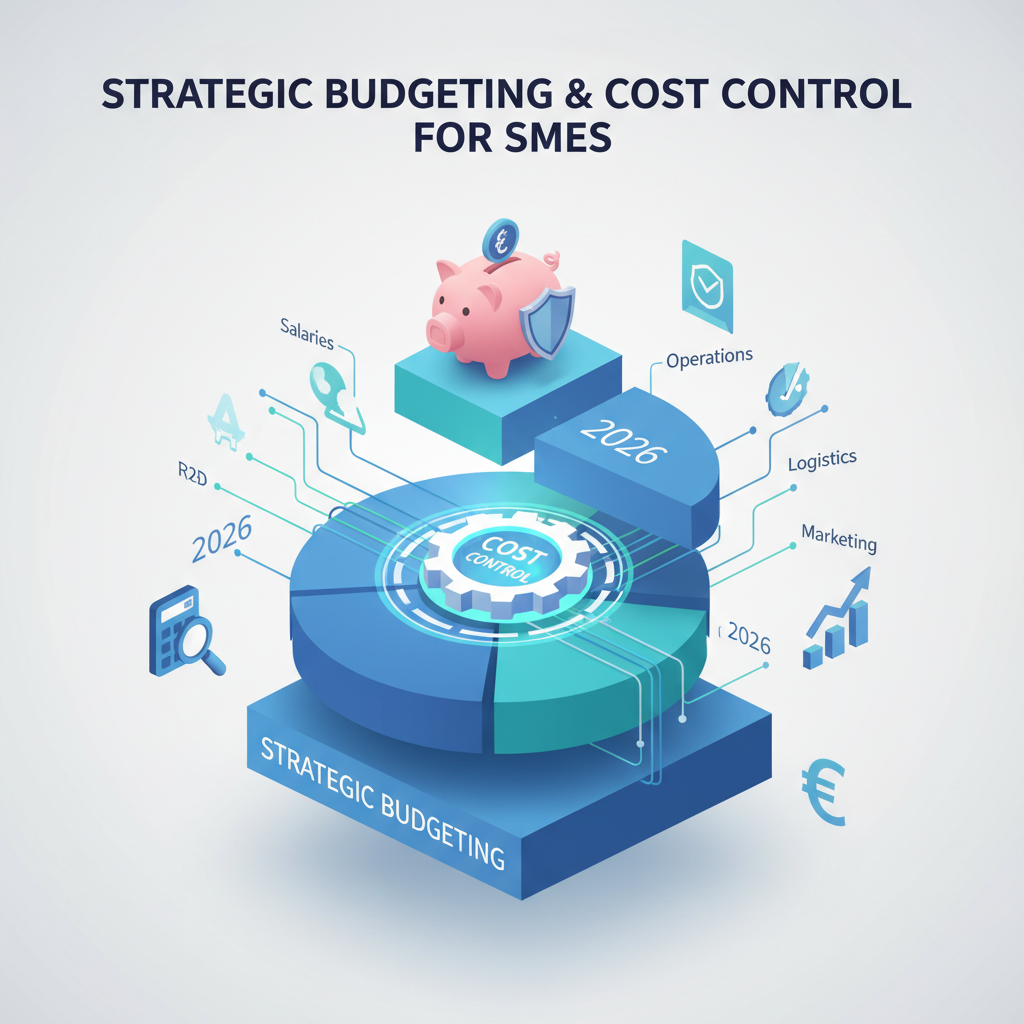
In the dynamic and competitive landscape of Vietnam’s logistics sector, Small and Medium-sized Enterprises (SMEs) face a perennial challenge: how to attract and retain top talent while maintaining fiscal responsibility. Salary expenditures often represent one of the largest operational costs, making their strategic management crucial for sustainability and growth. Achieving Optimized Salary Budget Structures for SMEs in logistics field in vietnam is not merely about cutting costs; it’s about smart resource allocation, enhancing efficiency, and ensuring that every dong spent on human capital yields maximum returns. This section will delve into actionable strategies designed to empower logistics SMEs to navigate this complex terrain, fostering a productive workforce without financial strain.
1. Effective Budget Allocation Methodologies
The foundation of effective cost control lies in robust budget planning. For logistics SMEs, moving beyond historical budgeting to more dynamic methods is essential. One highly effective approach is a modified form of activity-based budgeting, where salary allocations are directly linked to specific operational outputs or revenue-generating activities. This ensures that resources are channeled where they provide the most value. Another powerful methodology involves scenario planning, anticipating market fluctuations and adjusting potential salary allocations accordingly. By forecasting demand for logistics services, SMEs can proactively scale their workforce and associated salary budgets, preventing overstaffing during lean periods and ensuring adequate capacity during peak seasons.
Furthermore, consider implementing flexible compensation models. This could involve a base salary complemented by performance-based bonuses, commissions, or profit-sharing schemes directly tied to individual or team productivity and company profitability. For roles with variable workloads, such as drivers or warehouse staff, a blend of hourly wages and task-based incentives can optimize costs. Aligning remuneration with measurable outcomes not only motivates employees to perform better but also inherently ties salary expenditures to the company’s financial health, contributing significantly to Optimized Salary Budget Structures for SMEs in logistics field in vietnam. Regular reviews of these allocation methodologies, ideally quarterly or semi-annually, are critical to adapt to evolving business needs and market conditions.
2. Identifying and Implementing Cost-Saving Tactics
Beyond broad allocation strategies, specific cost-saving tactics can significantly impact salary budgets without compromising talent quality or morale. One key area is optimizing workforce planning. Conducting thorough workforce audits helps identify redundancies, skill gaps, and areas where outsourcing might be more cost-effective for non-core functions, such as certain administrative tasks or IT support. Cross-training employees to handle multiple roles can also reduce the need for additional hires, boosting internal flexibility and employee development.
Furthermore, a comprehensive review of non-monetary benefits can be a game-changer. While competitive salaries are important, benefits such as professional development opportunities, flexible working hours, health and wellness programs, and a positive company culture are increasingly valued by employees. Investing in these areas can enhance job satisfaction and reduce turnover, which indirectly saves costs associated with recruitment and training new staff. When comparing compensation packages, SMEs should look beyond basic salary to the total rewards package. According to a report by SHRM on compensation trends, non-cash benefits play a crucial role in talent attraction and retention. Regularly benchmarking salaries against industry standards in Vietnam helps ensure competitiveness without overpaying, allowing SMEs to fine-tune their compensation structures for optimal balance.
3. Leveraging Technology for Payroll Efficiency and Accuracy
In today’s digital age, technology is an indispensable ally in optimizing salary budget structures. Manual payroll processing is prone to errors, time-consuming, and can lead to non-compliance penalties. Implementing a robust Human Resources Information System (HRIS) or specialized payroll software can automate numerous tasks, from time tracking and attendance management to salary calculations, tax deductions, and benefits administration. This automation significantly reduces administrative overheads, frees up HR personnel for more strategic tasks, and minimizes costly errors.
Beyond mere automation, these systems provide invaluable data analytics. SMEs can gain deeper insights into labor costs, overtime expenses, and departmental spending. This data empowers management to make informed decisions regarding staffing levels, identify areas of inefficiency, and project future salary expenditures with greater accuracy. For instance, analyzing overtime trends can reveal bottlenecks in operations that, once addressed, can lead to substantial cost savings. Integrating payroll with performance management systems can also streamline the allocation of performance-based incentives, ensuring fairness and transparency. By adopting such technological solutions, logistics SMEs can achieve unparalleled efficiency and accuracy, directly contributing to more Optimized Salary Budget Structures for SMEs in logistics field in vietnam, allowing them to stay competitive and compliant in a rapidly evolving market.
Mastering strategic budgeting and cost control for salaries is a continuous journey for logistics SMEs in Vietnam. It requires a multifaceted approach that combines intelligent budget allocation, innovative cost-saving tactics, and the strategic deployment of technology. By adopting these strategies, businesses can not only stabilize their financial footing but also cultivate a motivated and high-performing workforce. The goal is not to cut corners but to spend smarter, ensuring that salary investments drive productivity, foster growth, and secure a sustainable competitive advantage in the challenging logistics sector.
Attracting & Retaining Top Talent with Compensation
In the dynamic and rapidly expanding logistics sector of Vietnam, the ability to attract and retain top talent is paramount for the success and sustainability of Small and Medium-sized Enterprises (SMEs). A critical, yet often underestimated, component of this strategy lies in implementing a well-designed and Optimized Salary Budget Structures for SMEs in logistics field in vietnam. Beyond mere compliance, a strategic approach to compensation transforms the budget from a cost center into a powerful tool for competitive advantage, drawing in skilled professionals and fostering long-term loyalty amidst a competitive landscape. For Vietnamese logistics SMEs, navigating the complexities of local labor markets while competing with larger enterprises and international players necessitates a sophisticated understanding of how compensation, broadly defined, can drive recruitment and retention efforts.
1. Beyond Salary: Crafting a Compelling Total Rewards Package
While base salary remains a foundational element, modern talent increasingly looks beyond the paycheck. An optimized salary budget structure for logistics SMEs in Vietnam must therefore encompass a comprehensive ‘total rewards’ package. This includes not only competitive base wages but also performance-based bonuses, attractive benefits such as health insurance, retirement contributions, and even flexible work arrangements. For SMEs, creativity in crafting these packages is key. For instance, offering unique non-monetary perks like subsidized transport, meal allowances, or professional development stipends can significantly enhance perceived value without solely relying on salary hikes. Understanding what truly motivates employees in the Vietnamese context – often a blend of financial security, family support, and personal growth – allows SMEs to tailor benefits that resonate deeply. A holistic approach ensures that every aspect of an employee’s compensation contributes to their overall satisfaction and commitment to the company. According to SHRM, a well-structured total rewards strategy is essential for attracting and retaining talent, going beyond just monetary compensation to include development opportunities, a positive work environment, and recognition programs.
2. Career Development, Training, and Growth Opportunities
In a sector like logistics, where technology and best practices are continually evolving, opportunities for career development and continuous learning are highly prized. Employees, particularly younger generations, seek roles that offer a clear path for advancement and skill enhancement. For Vietnamese logistics SMEs, integrating training programs, mentorship initiatives, and clear promotional pathways into their talent strategy is crucial. This doesn’t necessarily demand massive financial outlays; rather, it requires a commitment to employee growth. Offering internal workshops, sponsoring relevant certifications, or providing opportunities for cross-functional exposure can significantly boost employee engagement and loyalty. When employees see a future with the company, they are more likely to invest their long-term commitment. This investment in human capital not only improves the capabilities of the workforce but also signals to potential recruits that the SME values their professional journey, making it a powerful differentiator in the talent market.
3. Promoting a Positive Work Culture and Employee Engagement
Beyond tangible rewards and career growth, the intangible aspect of work culture plays a monumental role in talent retention. A positive, supportive, and inclusive work environment where employees feel valued and heard can be as powerful, if not more powerful, than financial incentives alone. For Vietnamese logistics SMEs, cultivating such a culture involves fostering open communication, recognizing achievements, encouraging teamwork, and establishing transparent leadership. Employee engagement initiatives, ranging from regular feedback sessions and team-building activities to community involvement projects, can significantly enhance job satisfaction and reduce turnover. When employees are engaged, they become advocates for the company, attracting others to join. This collective sense of purpose and belonging, coupled with fair compensation and growth opportunities, creates a robust framework that not only attracts skilled professionals but also transforms them into loyal, long-term contributors to the SME’s success.
Ultimately, attracting and retaining top talent within Vietnamese logistics SMEs is a multifaceted challenge that requires a holistic and strategic approach to human capital management. While an Optimized Salary Budget Structures for SMEs in logistics field in vietnam forms the bedrock, its effectiveness is amplified when integrated with a compelling total rewards package, robust career development programs, and a vibrant, engaging work culture. By investing strategically in all these areas, SMEs can create an irresistible proposition for talent, ensuring they not only survive but thrive in Vietnam’s competitive logistics landscape.
Compliance, Future-Proofing, and Regular Reviews
For small and medium-sized enterprises (SMEs) operating within Vietnam’s dynamic logistics sector, establishing and maintaining an Optimized Salary Budget Structures for SMEs in logistics field in vietnam goes beyond mere compensation. It’s a strategic imperative that encompasses rigorous legal compliance, proactive adaptation to economic shifts, and a commitment to ongoing evaluation. As we look towards 2026 and beyond, a robust framework for these elements ensures the salary structure remains not only competitive and attractive but also legally sound and financially sustainable.

1. Navigating Vietnamese Labor Laws and Regulations
Operating in Vietnam necessitates a deep understanding and meticulous adherence to the country’s intricate labor laws and regulations. For SMEs in the logistics field, compliance is not optional; it’s foundational to avoiding costly penalties, legal disputes, and reputational damage. Key areas of focus include the minimum wage (which varies by region), mandatory social insurance contributions (health insurance, social insurance, unemployment insurance), personal income tax (PIT) regulations, and guidelines concerning working hours, overtime, holidays, and termination benefits.
These regulations are subject to periodic revisions, making it crucial for logistics SMEs to have mechanisms in place for continuous monitoring. Establishing internal protocols, potentially partnering with local legal experts or HR consultants, and regularly educating HR and management teams on updates are vital steps. For instance, understanding the nuances of the 2019 Labor Code and subsequent decrees is critical to ensure your salary structure and employment contracts are fully compliant. Employers must ensure that all elements of compensation, from base salary to benefits and bonuses, are calculated and reported in line with Vietnamese legal requirements, securing the long-term viability and ethical standing of the business. Staying informed about Vietnam’s labor law updates is a continuous process that safeguards your operations.
2. Adjusting Structures for Inflation and Market Fluctuations
The Vietnamese economy, while robust, is susceptible to inflation and market fluctuations that can significantly impact the purchasing power of salaries and the competitiveness of your compensation packages. An optimized salary budget structure for SMEs in the logistics field must therefore be agile, incorporating mechanisms for regular adjustments to reflect these economic realities. Annual or biennial reviews of the cost of living index, national inflation rates, and sector-specific wage benchmarks are essential.
Beyond broad economic indicators, specific trends within the logistics sector in Vietnam can also influence salary expectations. A surge in demand for skilled warehouse managers, truck drivers, or supply chain analysts, for example, might necessitate targeted salary increases to retain top talent. Companies should build in budget contingencies for salary adjustments and consider using variable pay components, such as performance-based bonuses or profit-sharing schemes, which can offer flexibility. This proactive approach ensures that employee compensation remains fair and competitive, preventing high turnover rates and maintaining morale, both critical for efficient logistics operations.
3. Establishing a Schedule for Regular Salary Structure Audits and Updates
To ensure the salary structure remains effective, compliant, and competitive, a routine schedule for comprehensive audits and updates is indispensable. Best practices suggest conducting a full salary structure audit at least annually, or biannually for rapidly changing markets like Vietnam’s logistics sector. These audits should encompass several key areas:
- Internal Equity: Evaluating fairness and consistency in pay across similar roles and experience levels within the company.
- External Competitiveness: Benchmarking salaries against market data to ensure the company remains attractive to potential hires and retains existing talent.
- Legal Compliance: A thorough check to confirm alignment with all current Vietnamese labor laws, tax regulations, and social welfare contributions.
- Budgetary Impact: Assessing the financial sustainability of the current and proposed salary structures against the company’s fiscal health and growth projections.
- Performance Linkage: Ensuring that the salary structure effectively supports performance management and incentive programs.
Based on audit findings, actionable recommendations should be developed and implemented. This iterative process of review, analysis, and adjustment guarantees that your Optimized Salary Budget Structures for SMEs in logistics field in vietnam remains a powerful tool for talent acquisition and retention, contributing directly to the long-term success and sustainability of your operations in Vietnam’s competitive logistics landscape.
Partner with Shelby Global
You are looking for reliable HR Sevice Suppliers? Contact Shelby Global Now! To connect with verified talents and upgrade your orginization.
—————————————
References
– World Bank – Vietnam Overview: https://www.worldbank.org/en/country/vietnam/overview
– Salaries, Wages, and Other Benefits in Vietnam: https://www.vietnam-briefing.com/guides/human-resources/salaries-wages-and-other-benefits.html/
– SHRM 2023 Compensation Benefits Report: https://www.shrm.org/resources-and-tools/hr-topics/compensation/pages/2023-compensation-benefits-report.aspx
– SHRM Total Rewards Strategy: https://www.shrm.org/resources-and-tools/tools-templates/hr-qa/what-are-total-rewards
– Vietnam’s Labor Law Updates: Key Changes to Know: https://www.vietnam-briefing.com/news/vietnams-labor-law-updates-key-changes-to-know.html/