
The Unique Challenges of Sales Salary Structuring for Malaysian SMEs
Malaysian Small and Medium-sized Enterprises (SMEs) are the backbone of the nation’s economy, yet they face a distinct set of hurdles when it comes to structuring sales salaries. Unlike larger corporations with extensive HR departments and bigger budgets, SMEs operate with leaner resources, making the task of crafting an Optimized Salary Budget Structures for SMEs in sale field in malaysia particularly intricate. The unique blend of local economic conditions, a competitive talent landscape, and the imperative for sustainable growth demands a nuanced approach to sales compensation. This section will delve into the specific challenges Malaysian SMEs encounter, highlighting the critical factors that influence their ability to attract, motivate, and retain top-performing sales talent.

1. Market Salary Benchmarks and Local Competitiveness
Understanding the prevailing market rates is the cornerstone of any effective sales compensation strategy. For Malaysian SMEs, however, establishing accurate market salary benchmarks for sales roles can be a complex endeavor. The country’s diverse economic landscape, with varying costs of living and wage expectations across states like Kuala Lumpur, Penang, and Johor, means that a one-size-fits-all approach is rarely effective. SMEs must contend not only with regional disparities but also with fierce competition from multinational corporations (MNCs) and larger local conglomerates that often offer more attractive remuneration packages and benefits. This dynamic environment necessitates a thorough understanding of what constitutes competitive sales compensation in specific local markets. Without robust benchmarking, SMEs risk either overpaying and straining their limited resources or underpaying and failing to attract qualified candidates, leading to high turnover and poor sales performance. Businesses must leverage available market data to strike a balance, ensuring their offerings are competitive enough to draw skilled professionals while remaining financially viable. For reliable insights into salary trends across various sectors in Malaysia, consulting resources like JobStreet’s Salary Guide can provide valuable data to help SMEs make informed decisions about their sales compensation structures.
2. Balancing Fixed Costs with Performance-Based Pay
The dilemma of balancing fixed costs with performance-based pay is perhaps the most critical challenge for Malaysian SMEs. Fixed salaries provide stability but can be a heavy burden during lean periods, especially for businesses with fluctuating revenues. Conversely, overly aggressive commission-only structures, while seemingly cost-efficient, can demotivate sales professionals who require a base level of financial security, particularly in markets with longer sales cycles or unpredictable demand. Crafting an Optimized Salary Budget Structures for SMEs in sale field in malaysia requires finding the sweet spot between a reasonable basic salary and robust, yet achievable, incentives. This often involves hybrid models that combine a modest fixed base with performance-linked bonuses, tiered commissions, or profit-sharing schemes. The goal is to create a structure that mitigates financial risk for the SME while strongly incentivizing high performance and rewarding success. Effective design of these performance metrics is crucial; they must be clear, measurable, and directly tied to business objectives to ensure salespeople are motivated to achieve targets that drive the company’s growth. Striking this balance is key to both cost control and maximizing sales team output, directly influencing overall profitability. For deeper insights into crafting effective compensation models, exploring resources like those on Optimized Salary Budget Structures for SMEs in sale field in malaysia can provide valuable strategies.
3. Attracting and Retaining Top Sales Talent in a Dynamic Market
Beyond mere monetary compensation, Malaysian SMEs face significant hurdles in attracting and retaining top sales talent amidst a highly dynamic employment market. The best sales professionals are often drawn to larger organizations that offer not just higher salaries but also more comprehensive benefits packages, structured career progression paths, and greater brand prestige. For SMEs, this means their sales compensation strategy cannot solely rely on base pay and commissions. They must innovate to create an attractive employee value proposition. This includes offering clear growth opportunities, continuous training and development, a positive work culture, flexible working arrangements where possible, and non-monetary recognition programs. The ability to foster an environment where sales team members feel valued, challenged, and see a future within the company is paramount. Retention is equally vital; high turnover in sales is costly, impacting client relationships, team morale, and recruitment expenses. Therefore, an effective Optimized Salary Budget Structures for SMEs in sale field in malaysia must integrate both financial incentives and compelling non-financial benefits to ensure not only that talented individuals are recruited but also that they are motivated to stay and grow with the business long-term, contributing consistently to its sales objectives.
The challenges of sales salary structuring for Malaysian SMEs are multifaceted, encompassing market competitiveness, budgetary constraints, and the imperative to attract and retain high-performing talent. Addressing these requires a strategic, flexible, and well-researched approach to sales compensation in Malaysia. By diligently benchmarking against local market rates, designing balanced pay structures that blend fixed and performance-based components, and cultivating an attractive work environment, SMEs can overcome these hurdles. The ultimate aim is to create Optimized Salary Budget Structures for SMEs in sale field in malaysia that not only sustain the business financially but also empower the sales force to drive consistent growth and success in a challenging yet opportunity-rich market.
Deconstructing Optimized Salary Models for Sales Teams
For Small and Medium-sized Enterprises (SMEs) in Malaysia, crafting an effective sales compensation plan is not merely about paying salaries; it’s a strategic imperative to maximize sales output and foster team motivation. An Optimized Salary Budget Structures for SMEs in sale field in malaysia can directly impact market penetration, customer acquisition, and overall revenue growth. This section dives into various sales compensation models, dissecting their pros and cons to help SMEs build robust, performance-driven sales teams.
1. Base Salary Plus Commission: Finding the Right Balance
The base salary plus commission model remains a cornerstone for many Malaysian sales teams, offering a blend of security and performance-based incentives. Under this structure, sales professionals receive a fixed base salary, which provides financial stability, coupled with a variable commission component tied directly to their sales achievements. For SMEs, the key lies in establishing the optimal ratio between the fixed and variable elements.
Pros: This model appeals to a broad range of sales talent, as the base salary mitigates risk, while the commission motivates proactive selling. It encourages consistent effort and reduces the pressure for immediate results, which can be crucial during longer sales cycles or for nurturing new markets. It’s often seen as a budget-friendly compensation model for startups and growing SMEs, as the variable cost scales with revenue.
Cons: If the base salary is too high, it can lead to complacency, diminishing the incentive to push beyond targets. Conversely, a low base salary combined with an aggressive commission structure might create high-pressure environments, potentially leading to burnout or high sales team retention issues. Striking the right balance is essential for sales force motivation and sustainable SME sales performance. The ideal ratio often depends on the industry, sales cycle length, and the level of business development required.
2. Tiered Commission Structures and Accelerator Models
To further incentivize high performance and drive revenue growth strategies, many SMEs are adopting more dynamic commission structures such as tiered commissions and accelerator models. Tiered commissions involve increasing the commission rate as a salesperson hits predefined sales thresholds. For instance, a 5% commission on sales up to RM50,000, rising to 7% for sales between RM50,001 and RM100,000, and so on.
Pros: These structures are powerful for stimulating overachievement. They provide a clear pathway for sales professionals to earn significantly more by exceeding their targets, fostering a competitive yet rewarding environment. This approach is particularly effective for highly motivated sales teams in Malaysia who are driven by the potential for substantial earnings. It’s an excellent way to reward top performers and encourage them to consistently push boundaries, directly impacting SME sales performance.
Cons: Complexity can be an issue. Calculating tiered commissions accurately requires robust systems, which might be a challenge for smaller SMEs without dedicated HR or finance support. If targets are perceived as unattainable, it could demotivate the middle-tier performers. Additionally, sales incentive programs with steep tiers might encourage a ‘feast or famine’ mentality rather than steady, incremental growth.
Accelerator models take this a step further, offering an exceptionally high commission rate once a salesperson dramatically surpasses their quota. This provides a super-incentive for going above and beyond, aligning individual financial goals with aggressive company growth objectives. According to a Harvard Business Review article on sales compensation, well-designed accelerator plans can significantly boost sales force effectiveness by focusing on key strategic objectives.
3. Hybrid Models: Integrating Bonuses, Spiffs, and Non-Monetary Perks
The most comprehensive and often most effective compensation plans for modern Malaysian sales teams are hybrid models. These integrate a base salary, commission, and a variety of other incentives like bonuses, spiffs, and non-monetary perks. This strategic salary planning approach recognizes that motivation is multifaceted and caters to diverse needs within a sales force.
Bonuses: These can be quarterly, annual, team-based, or tied to specific strategic goals (e.g., market share growth, customer satisfaction scores, new product launches). Bonuses reward collective effort and encourage collaboration, mitigating the potential for overly individualistic sales behavior.
Spiffs (Sales Performance Incentive Funds): Spiffs are short-term, targeted incentives designed to drive specific behaviors or promote particular products within a defined period. For example, an extra bonus for selling a slow-moving inventory item or achieving a certain number of demos for a new service. They are excellent for quickly igniting interest and focus on immediate objectives, making them a flexible part of sales incentive programs.
Non-Monetary Perks: Beyond financial incentives, non-monetary recognition plays a crucial role in sales force motivation and employee engagement in sales. These can include public recognition, professional development opportunities, flexible working arrangements, travel incentives, or awards. Such perks foster a positive work culture, improve sales team retention strategies, and build loyalty that money alone cannot buy.
Pros: Hybrid models offer maximum flexibility and can be tailored to specific business objectives and individual salesperson profiles. They promote a holistic approach to motivation, addressing both financial security and psychological rewards. By combining different elements, SMEs can create a robust and adaptable structure for their sales compensation models that supports long-term growth and high performance-based pay.
Cons: The primary challenge lies in the complexity of administration and communication. Managing multiple incentive layers requires clear guidelines, transparent reporting, and efficient payout processes. It also demands careful budget allocation to ensure the total compensation package remains competitive and sustainable for the SME. However, the benefits of enhanced sales force effectiveness and greater sales team motivation often outweigh these administrative hurdles.
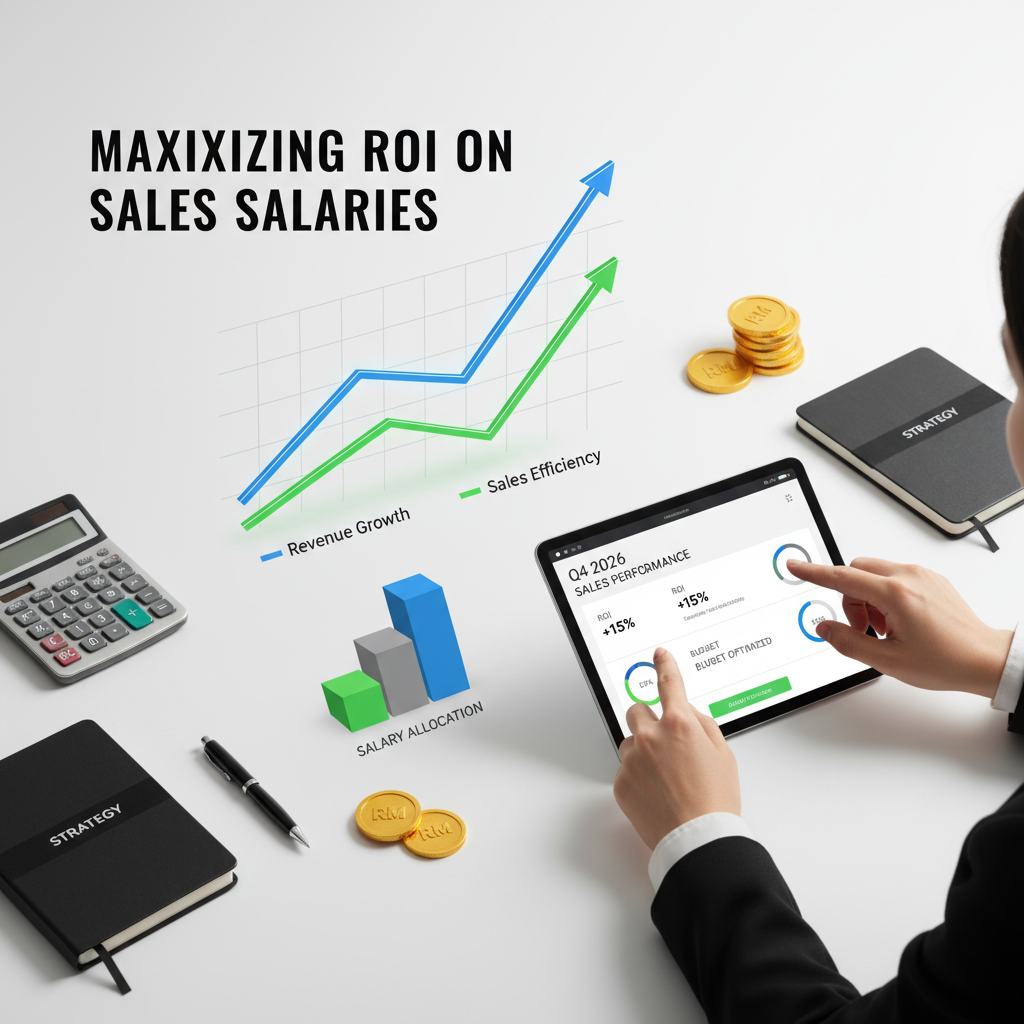
Strategic Budgeting and Allocation: Maximizing ROI on Sales Salaries
In the dynamic and competitive sales landscape of Malaysia, particularly for Small and Medium-sized Enterprises (SMEs), effective budgeting for sales salaries is not merely an accounting task but a strategic imperative. It’s about ensuring every ringgit allocated to your sales team delivers optimal return on investment (ROI), driving sustainable growth and profitability. This section delves into the critical elements of crafting Optimized Salary Budget Structures for SMEs in the sale field in Malaysia, focusing on strategic allocation of resources to maximize the impact of your sales workforce.
1. Forecasting Sales Revenue and Budgeting for Variable Pay
Accurate sales forecasting forms the bedrock of a robust sales salary budget. For Malaysian SMEs, understanding market trends, seasonality, and the competitive landscape is crucial for setting realistic sales targets. Once revenue projections are established, budgeting for variable pay—including commissions, bonuses, and other incentives—becomes more precise. Effective incentive structures are paramount; they must be designed to motivate high performance without over-committing resources. This involves carefully defining sales performance metrics that align with business objectives and reflect individual and team contributions. When budgeting for variable pay, consider different scenarios: what if sales exceed expectations, or fall short? Building flexibility into your budget ensures you can adapt without financial strain. Moreover, transparent target setting ensures your sales team understands what is expected and how their efforts translate into their earnings, fostering a motivated and results-driven culture.
2. Cost-Benefit Analysis of Different Compensation Plans
Choosing the right compensation plan is a pivotal decision that directly impacts your sales team’s motivation, retention, and ultimately, your bottom line. A thorough cost-benefit analysis is essential for evaluating various models, such as pure base salary, base plus commission, pure commission, or salary plus bonus. Each approach has unique implications for cash flow, risk management, and sales team behavior. For example, a higher base salary might attract top talent but increases fixed costs, while a commission-heavy plan can drive aggressive sales but might lead to high churn if targets are difficult. When designing your compensation plan design, consider factors like market competitiveness to attract and retain skilled sales professionals. Neglecting this can lead to challenges in talent acquisition and high employee retention rates. Resources like those from the Society for Human Resource Management (SHRM) on Compensation offer valuable insights into best practices for structuring plans that balance financial prudence with motivational effectiveness. The goal is to create a structure that rewards performance, aligns with company goals, and remains sustainable for the SME.
3. Tools and Software for Sales Commission Management
Managing sales commissions, especially with complex variable pay structures, can be a time-consuming and error-prone process if handled manually. Investing in dedicated sales commission software offers significant advantages for Malaysian SMEs. These tools automate the calculation of commissions, bonuses, and other incentives, drastically reducing administrative overhead and eliminating calculation errors. Key features to look for include robust performance tracking capabilities, seamless CRM integration (e.g., with Salesforce or HubSpot) to pull sales data directly, and comprehensive reporting functions. Automation ensures greater payroll accuracy and provides transparency to your sales team regarding their earnings, boosting trust and motivation. Furthermore, these platforms can offer analytical insights into sales performance, helping refine compensation plans and identify areas for improvement in revenue growth strategies. By streamlining commission management, SMEs can free up valuable HR and finance resources, allowing them to focus on more strategic initiatives rather than manual reconciliation.
In conclusion, achieving Optimized Salary Budget Structures for SMEs in the sale field in Malaysia is a continuous process requiring a strategic outlook. By meticulously forecasting sales, conducting thorough cost-benefit analyses of compensation plans, and leveraging modern commission management tools, businesses can transform their sales salary budget from a mere expense into a powerful engine for growth and profitability. This integrated approach not only maximizes ROI on sales salaries but also builds a highly motivated, stable, and productive sales force essential for sustained success.
Driving Performance: KPIs, Incentives, and Motivation Strategies
For small and medium-sized enterprises (SMEs) in Malaysia’s competitive sales landscape, optimizing team performance is paramount. This requires a strategic approach to performance management that encompasses clear objectives, compelling incentives, and robust motivational strategies. A well-designed framework significantly contributes to Optimized Salary Budget Structures for SMEs in sale field in malaysia, ensuring investments in your sales force yield maximum returns. By focusing on setting clear Key Performance Indicators (KPIs) and implementing effective incentive programs, SMEs can significantly boost sales team motivation and productivity, fostering sustainable growth.
1. Setting SMART Sales KPIs for SMEs
Establishing clear and actionable Key Performance Indicators (KPIs) is the bedrock of any successful sales strategy. For Malaysian SMEs, these KPIs must be SMART: Specific, Measurable, Achievable, Relevant, and Time-bound. Generic targets are ineffective; instead, specific metrics reflecting your SME’s unique sales cycle and business goals are crucial. Examples include conversion rates, average deal size, new customer acquisitions per quarter, or sales cycle length. These metrics provide a quantifiable way to assess individual and team performance, forming the basis for effective performance management for Malaysian SMEs. Well-defined KPIs offer clarity, helping your sales team understand expectations and how their efforts contribute to the bottom line. They are vital for identifying strengths and weaknesses, enabling targeted interventions for sales productivity improvement Malaysia. By regularly reviewing and adjusting KPIs, SMEs ensure they remain aligned with evolving market conditions, providing a dynamic KPI framework sales SMEs that drives continuous improvement. Understanding the right KPIs to track is essential for driving results, as outlined in HubSpot’s guide to sales KPIs.
2. Developing Short-Term and Long-Term Incentive Programs
While clear KPIs show your team where to go, effective incentive programs provide the fuel. A balanced approach combining both short-term and long-term incentives is key for SME sales incentives in Malaysia. Short-term incentives, such as sales commissions, monthly/quarterly bonuses, and SPIFFs, offer immediate gratification and drive specific behaviors. These should be transparent and directly linked to achieving set KPIs, providing powerful immediate motivation. Designing appropriate commission structures Malaysia sales and bonus schemes for sales teams requires careful consideration of profit margins and targets to ensure sustainability. For long-term motivation and talent retention, SMEs should consider incentives fostering loyalty, such as annual performance bonuses or profit-sharing schemes. These long-term rewards are crucial for cultivating a stable and experienced sales team compensation Malaysia strategy, encouraging sustained high performance. Integrating these programs thoughtfully within an Optimized Salary Budget Structures for SMEs in sale field in malaysia is critical for financial viability.
3. Recognition, Training, and Career Progression as Motivational Tools
Beyond monetary incentives, a holistic approach to motivating your sales force involves robust non-financial strategies. Recognition significantly boosts morale; public acknowledgment, ‘salesperson of the month’ awards, and leaderboards are powerful non-monetary incentives sales that enhance job satisfaction and drive competitive spirit for motivating sales force Malaysia. Equally important is investing in continuous professional development through targeted sales training Malaysia. This encompasses honing sales techniques, improving negotiation, and mastering CRM software. Such investments not only enhance individual capabilities but also signal company value for growth, directly contributing to sales productivity improvement Malaysia. Finally, clear pathways for career development sales Malaysia are essential for retaining ambitious talent. Providing opportunities for advancement—from senior sales roles to leadership positions—offers a future vision and reduces turnover. These elements form a comprehensive strategy that complements financial rewards, ensuring SMEs develop effective sales strategies Malaysia that cultivate a highly motivated, skilled, and loyal sales team.
Conclusion:
Achieving high sales performance in Malaysian SMEs hinges on a multi-faceted strategy. By meticulously setting SMART KPIs, implementing balanced short-term and long-term incentive programs, and championing non-monetary motivational tools, businesses can create a powerful ecosystem for success. This integrated approach not only boosts individual and team productivity but also contributes directly to Optimized Salary Budget Structures for SMEs in sale field in malaysia, ensuring every ringgit spent yields maximum impact. Cultivating a motivated and skilled sales team is fundamental for long-term business growth and market leadership in Malaysia’s dynamic economy.
Future-Proofing Your Sales Salary Structure for Sustainable Growth
Navigating the dynamic landscape of the Malaysian sales sector demands more than just competitive products; it requires an Optimized Salary Budget Structures for SMEs in sale field in malaysia. For small and medium-sized enterprises (SMEs), talent acquisition and retention hinge significantly on a well-designed sales compensation plan. This section delves into proactive strategies for regularly reviewing and adapting your sales salary structures, ensuring long-term sustainability, robust talent retention, and crucial alignment with evolving market trends. By future-proofing your approach to sales remuneration, you empower your team, boost morale, and drive consistent, scalable growth.

1. Regular Review and Adjustment Based on Market Shifts and Performance
The Malaysian sales market is constantly evolving, influenced by economic shifts, technological advancements, and changing consumer behaviors. To maintain competitive sales salaries and attract top-tier talent retention sales Malaysia, SMEs must implement a rigorous cycle of review and adjustment for their compensation plans. This involves benchmarking against industry standards and analyzing market competitive sales salaries at least annually, if not bi-annually. Tools and data from HR consulting firms or industry reports can provide invaluable insights into current sales compensation Malaysia trends, including base salaries, commission rates, and bonus structures.
Beyond external market factors, internal performance data is paramount. A truly effective performance-based sales pay model ties compensation directly to measurable outcomes. This includes individual sales targets, team achievements, and overall company profitability. Analyze the effectiveness of your current sales commission structures Malaysia. Are they motivating the desired behaviors? Are they fair and transparent? Adjustments might involve recalibrating commission percentages, introducing tiered bonuses for exceeding targets, or even shifting the balance between fixed and variable pay. The goal is to create sustainable sales compensation that rewards high performance, encourages continuous improvement, and supports your budgeting for sales teams Malaysia effectively. Regular feedback loops with your sales force motivation Malaysia are essential to ensure these adjustments resonate positively and foster a sense of ownership and equity among your sales professionals. This proactive approach to future-proof sales salaries helps in managing sales team productivity incentives effectively.
2. Legal Compliance and Ethical Considerations in Malaysian Payroll
Ensuring legal payroll compliance Malaysia is not merely a bureaucratic requirement but a fundamental pillar of ethical business practice and talent retention. Malaysian labor laws, governed primarily by the Employment Act 1955 (and upcoming amendments), dictate minimum wage, statutory contributions (EPF, SOCSO, EIS), working hours, and termination procedures. For SMEs, navigating these regulations can be complex, especially when dealing with various types of sales compensation, such as commissions, bonuses, and allowances. It’s crucial to ensure that all elements of your sales compensation Malaysia structure adhere to the legal framework, avoiding potential disputes, penalties, and reputational damage. Resources like the Malaysian Ministry of Human Resources provide comprehensive guidance on employment standards and workers’ rights.
Beyond strict legal adherence, ethical considerations play a vital role in fostering a positive and productive work environment. Transparency in sales commission structures Malaysia, fairness in target setting, and consistency in applying compensation policies build trust and reduce turnover. Avoiding discriminatory practices, ensuring equal pay for equal work, and clearly communicating all aspects of the compensation plan are non-negotiable. An ethically sound and legally compliant SME sales payroll strategy not only protects the company but also enhances its employer brand, making it a more attractive prospect for top talent seeking stable and fair employment. This commitment to legal and ethical standards reinforces an Optimized Salary Budget Structures for SMEs in sale field in malaysia, contributing to long-term success.
3. Building a Culture of Performance and Continuous Improvement
An Optimized Salary Budget Structures for SMEs in sale field in malaysia extends beyond just numbers; it’s intricately linked to fostering a vibrant culture of performance and continuous improvement. Sales talent retention sales Malaysia relies heavily on an environment where employees feel valued, challenged, and supported in their growth. Performance-based sales pay systems, when transparently designed and fairly administered, can be powerful motivators. However, compensation alone is insufficient. It must be complemented by robust training programs, regular performance feedback, and clear career progression paths.
Encouraging continuous improvement means providing ongoing coaching, skill development workshops, and access to the latest sales technologies. It also involves setting realistic yet challenging goals that align with broader business objectives. When sales professionals understand how their individual efforts contribute to the company’s success, and when they see a direct correlation between their performance and their earnings through clear sales team productivity incentives, motivation soars. This holistic approach helps build a resilient sales force motivation Malaysia that is adaptable to market shifts and committed to achieving ambitious targets. A culture that celebrates success, learns from setbacks, and continually seeks better ways to operate will naturally support sustainable sales compensation models, ensuring that the company’s investment in its sales team yields maximum returns and secures its future growth.
Partner with Shelby Global
You are looking for reliable HR Sevice Suppliers? Contact Shelby Global Now! To connect with verified talents and upgrade your orginization.
—————————————
References
– JobStreet Malaysia Salary Guide: https://www.jobstreet.com.my/career-resources/malaysian-salary-report
– The Four Pillars of Sales Compensation – Harvard Business Review: https://hbr.org/2012/03/the-four-pillars-of-sales-com
– Society for Human Resource Management (SHRM) on Compensation: https://www.shrm.org/resourcesandtools/hr-topics/compensation/pages/default.aspx
– HubSpot’s guide to sales KPIs: https://blog.hubspot.com/sales/sales-kpis
– Malaysian Ministry of Human Resources: https://www.mohr.gov.my/index.php/en/legislation



































































































