Decoding the Evolving Landscape of Singapore’s Education Risks
In an era defined by rapid technological advancements, shifting global dynamics, and evolving societal expectations, the education sector faces unprecedented challenges. This trend report of the risk of education field in Singapore aims to provide a comprehensive analysis of the potential pitfalls and vulnerabilities that could impact the nation’s esteemed education system up to 2026. Understanding these risks is not merely an academic exercise; it’s a strategic imperative for maintaining Singapore’s competitive edge, fostering innovation, and ensuring the holistic development of its future generations. This section introduces the core concepts underpinning our analysis, delineating what precisely constitutes ‘risk’ within this unique context and outlining the robust methodology employed to forecast these educational vulnerabilities.

1. Defining ‘Risk’ in Singapore’s Education Context
In Singapore’s high-stakes and globally interconnected educational environment, ‘risk’ transcends conventional financial or operational threats. Here, risk encompasses any factor that could impede the system’s ability to achieve its strategic objectives: to nurture future-ready citizens, cultivate a skilled workforce, and uphold its reputation for excellence. These educational vulnerabilities can manifest across several dimensions, including pedagogical relevance, student well-being challenges, talent retention of educators, technological disruption, and geopolitical shifts. For example, a curriculum’s failure to adapt to new industry demands presents a significant risk to graduate employability, while growing mental health concerns among students can undermine their academic and personal development. The integrity of Singapore’s educational landscape is deeply tied to its ability to anticipate and proactively mitigate these multifaceted challenges. This comprehensive view is crucial for shaping effective strategies, as detailed in this trend report of the risk of education field in Singapore. Understanding these dynamics is pivotal for stakeholders navigating the complexities of the future of education Singapore, ensuring its continued resilience and adaptability. For more insights into Singapore’s strategic approach to skills development and future readiness, you can explore initiatives by SkillsFuture Singapore.
2. Methodology: Forecasting Educational Vulnerabilities to 2026
Our methodology for this trend report of the risk of education field in Singapore is built upon a rigorous, multi-faceted approach designed to identify and forecast educational vulnerabilities with high precision. We integrate both quantitative data analysis and qualitative insights from a broad spectrum of stakeholders, including policymakers, educators, industry leaders, and parents. The forecasting horizon extends to 2026, a critical period characterized by accelerated digital transformation in education and evolving global education trends. Our analysis framework incorporates several key pillars:
- Data-Driven Trend Analysis: Examination of historical data and current trends in student performance, enrolment patterns, graduate outcomes, and educator demographics.
- Expert Interviews and Workshops: Gathering insights from leading experts on emerging risks, technological impacts, and pedagogical innovations.
- Policy Scan and Future Scenarios: Assessing current government policies and exploring various future scenarios to understand potential educational disruptions.
- Risk Matrix Development: Categorizing risks by their likelihood and impact across areas such as curriculum relevance, digital divide, and talent retention educators.
This systematic approach allows us to construct a robust predictive model for the future of education Singapore, offering actionable insights for proactive risk management education. By meticulously analyzing these factors, we aim to provide a nuanced understanding of potential threats and opportunities facing the sector.
3. Why a Trend Report Now? Urgency and Relevance
The timing for this trend report of the risk of education field in Singapore is more pertinent than ever. The past few years have underscored the fragility of traditional educational models and highlighted the imperative for greater agility and resilience. Global events, rapid technological shifts like AI integration, and evolving job market demands are reshaping what it means to be ‘educated.’ There’s an urgent need to address student well-being challenges, ensure curriculum relevance, and adapt to the digital transformation in education, which continues to accelerate. Without a clear understanding of impending risks, Singapore’s education system risks falling behind, potentially impacting its human capital development and economic competitiveness. This report serves as a vital resource for stakeholders to engage in proactive risk management education, enabling informed decision-making and strategic planning. By offering a forward-looking perspective on educational vulnerabilities, this document empowers leaders to build a more resilient, equitable, and future-proof education system. For a deeper dive into our findings and ongoing analysis, please refer to the trend report of the risk of education field in Singapore itself.
Emerging Digital & Technological Disruptions to Learning
Singapore, renowned for its forward-looking education system, finds itself at a critical juncture, navigating the profound impact of rapid technological advancements. This era ushers in not only unprecedented opportunities but also significant challenges, demanding a re-evaluation of pedagogical approaches and infrastructure. The evolving landscape necessitates a deep dive into the trend report of the risk of education field in singapore, particularly concerning how the nation addresses the digital divide and equips its populace with future-ready skills.
The acceleration of digital transformation, fueled by advancements in Artificial intelligence (AI), automation, and ubiquitous connectivity, is reshaping industries and the very nature of work. Consequently, the demands on education systems globally, and in Singapore specifically, are shifting. Ensuring equitable access to technology, adapting curricula to remain relevant, and safeguarding digital learning environments are paramount to sustaining Singapore’s competitive edge and fostering a resilient, digitally literate society. This section explores these critical areas, highlighting key disruptions and their implications for Singapore education challenges.
1. The Widening Digital Divide and Access Gaps
Despite Singapore’s high internet penetration and ambitious Smart Nation initiatives, the concept of a “digital divide” remains a pertinent concern within its education sector. While basic internet access might be widespread, disparities persist in access to adequate devices, high-speed, reliable connectivity in all learning environments, and, critically, the digital literacy skills required to leverage these tools effectively. This gap can manifest between socio-economic strata, different learning institutions, and even between educators and students.
The rapid pivot to remote learning during global health crises starkly illuminated these access gaps, revealing that not all students possessed the necessary home learning setups. Furthermore, simply providing hardware isn’t enough; true digital equity demands robust support for teachers to integrate technology meaningfully and for students to develop advanced digital competencies. Bridging this divide is crucial for equitable learning outcomes and ensuring that no child is left behind in the journey towards becoming digitally fluent. Effective strategies for addressing digital divide Singapore must go beyond infrastructure, focusing on holistic support and continuous skill development to enhance digital literacy in Singapore education.
2. AI, Automation, and Curriculum Relevance Challenges
The rise of Artificial Intelligence and automation technologies is profoundly altering the global workforce, necessitating a paradigm shift in the skills deemed essential for future generations. Routine, repetitive tasks are increasingly being automated, placing a premium on higher-order cognitive skills such as critical thinking, creativity, complex problem-solving, collaboration, and emotional intelligence. Singapore’s education system faces the challenge of rapidly adapting its curriculum to ensure its graduates are not just employable but thrive in this evolving landscape. This is a central theme in any exploration of the impact of technology on Singapore education.
Integrating AI literacy, ethical AI considerations, and computational thinking into core subjects is no longer optional but imperative. Schools must move beyond traditional rote learning models to cultivate agile learners who can adapt to new technologies and acquire new skills throughout their lives. The World Economic Forum’s Future of Jobs Report 2023 underscores the urgency of reskilling and upskilling for the future economy, highlighting a significant skills gap. This calls for a proactive approach to developing future-ready skills Singapore, ensuring the curriculum remains relevant in the age of AI. The successful integration of AI in Singapore schools will depend on innovative pedagogical approaches and continuous professional development for educators, embracing new EdTech trends Singapore.
3. Cybersecurity Threats and Data Privacy Concerns
As education increasingly leverages digital platforms, cloud services, and online learning tools, the sector becomes a more attractive target for cyber adversaries. The vast amount of sensitive personal data held by educational institutions – from student records to financial information – poses significant data privacy concerns. A breach could lead to severe consequences, including identity theft, reputational damage, and erosion of trust in the education system.
Protecting this data and ensuring the integrity of online learning environments are critical challenges. Educational institutions must invest in robust cybersecurity infrastructure, implement stringent data governance policies, and regularly audit their systems for vulnerabilities. Beyond technical solutions, there is an urgent need to cultivate a strong cybersecurity culture among students, teachers, and administrative staff. Incorporating comprehensive cybersecurity education Singapore into the curriculum is vital, empowering individuals with the knowledge and skills to identify and mitigate online risks. This proactive stance is essential for safeguarding learning environments and fostering a secure digital future for all stakeholders, as outlined in any comprehensive assessment of Singapore education challenges.
Socio-Economic Shifts & Workforce Alignment Challenges
Singapore’s robust education system, long a cornerstone of its economic success, now faces unprecedented challenges stemming from dynamic global and local economic shifts. As industries transform and societal expectations evolve, the traditional education model is under pressure to adapt rapidly. This section delves into the critical risks posed by these socio-economic trends, highlighting the imperative for innovation and strategic re-alignment to ensure the nation’s continued competitiveness and inclusive growth. For a deeper understanding of these developments, particularly the vulnerabilities within the learning landscape, examining the trend report of the risk of education field in singapore is crucial for policymakers, educators, and industry leaders alike.
1. Future of Work: Mismatch Between Skills and Industry Needs
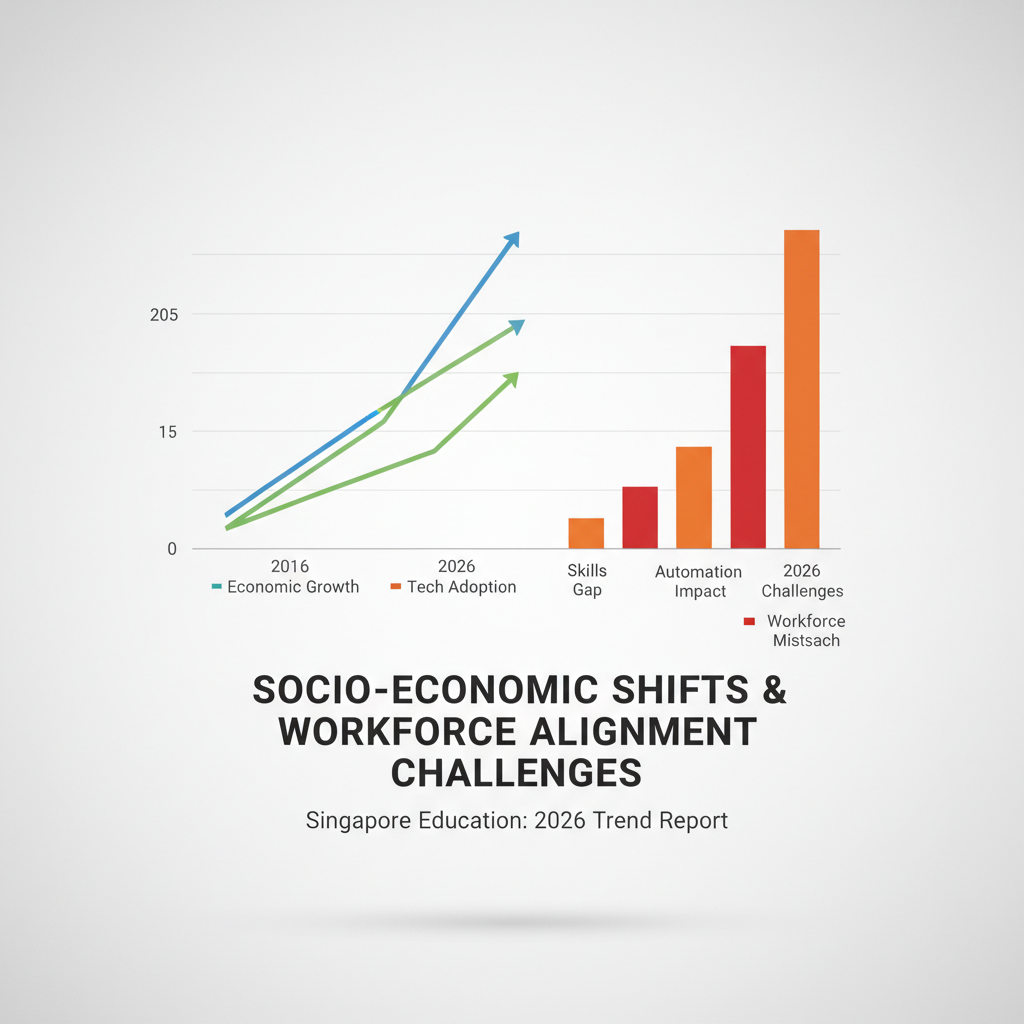
The acceleration of technological advancements, particularly in areas like Artificial Intelligence, automation, and data analytics, is fundamentally reshaping the global job market. For Singapore, a nation heavily reliant on its skilled workforce, this presents a significant challenge: the widening skills gap between the competencies traditionally imparted by educational institutions and those increasingly demanded by evolving industries. While graduates emerge with foundational knowledge, many find themselves lacking the specialized digital literacy, critical thinking, problem-solving, and adaptability essential for roles in the future economy. This mismatch is not merely a local phenomenon but is exacerbated by Singapore’s ambition to remain a leading global hub for innovation and high-value industries. The traditional education model struggles to pivot quickly enough to integrate these dynamic industry demands into curricula, leading to concerns about graduate employability and overall workforce readiness. Initiatives like SkillsFuture aim to address this by promoting lifelong learning and upskilling, yet the pace of change necessitates a more agile and foresight-driven approach to curriculum development and pedagogical practices, ensuring continuous alignment with emerging industry demands.
2. Funding Models and Resource Allocation Pressures
The financial sustainability of Singapore’s education system faces increasing scrutiny amidst these profound shifts. Traditional funding models, primarily reliant on government allocations and student tuition fees, are under pressure to support the rising costs associated with a modern, future-ready education. Investing in cutting-edge technologies for learning, developing new facilities for experiential training, and continuously upskilling educators to teach emerging competencies all require substantial financial resources. Furthermore, the imperative for lifelong learning means that educational institutions must expand their offerings beyond conventional degree programs to cater to a diverse demographic of adult learners seeking reskilling and upskilling opportunities. This expansion strains existing budgets and necessitates a re-evaluation of resource allocation strategies. The challenge lies in developing innovative funding models that can sustain these investments without placing undue financial burden on students or taxpayers, potentially exploring public-private partnerships, industry co-funding for specialized programs, and leveraging technology for more cost-effective educational delivery. The efficient allocation of these resources is paramount to mitigating the risk of education field stagnation in Singapore.
3. Equity and Access: Addressing Disparities in Educational Outcomes
As Singapore strives for inclusive growth, ensuring equitable access to quality education for all remains a critical challenge. Socio-economic disparities can significantly impact educational outcomes, with students from lower-income backgrounds potentially having less access to supplementary learning resources, digital tools, or enriching co-curricular activities. The rapid digitalization of education, while offering numerous benefits, also risks deepening the digital divide if not managed carefully, as not all households have equal access to reliable internet or personal learning devices. Furthermore, the emphasis on specialized skills for the future economy could inadvertently create new forms of inequality if access to advanced training and higher-demand fields is not uniformly distributed. Addressing these disparities requires a multi-faceted approach, including targeted financial assistance, enhanced support systems for vulnerable students, and ensuring that educational pathways cater to diverse learning styles and aspirations. The goal is to prevent a widening gap in opportunities, ensuring that every individual, regardless of their background, has the chance to acquire the skills necessary to thrive in Singapore’s evolving workforce and contribute meaningfully to society, thereby reducing the overall risk of education field inequities.
Human Capital & Well-being Vulnerabilities in Education
The bedrock of any thriving education system lies in its people – the dedicated educators, administrative staff, and, most crucially, its students. In Singapore’s dynamic educational landscape, addressing human capital and well-being vulnerabilities is paramount to ensuring sustained excellence and innovation. This section delves into the critical risks impacting the human element within education, exploring challenges such as mental health concerns, the pressing issue of teacher retention, and the complexities of maintaining student engagement in evolving learning environments. Understanding these areas is vital for any comprehensive trend report of the risk of education field in Singapore, as these factors directly influence learning outcomes and the overall resilience of the sector.
1. Educator Burnout and Teacher Shortages
One of the most significant challenges confronting the education sector globally, and increasingly in Singapore, is the escalating phenomenon of educator burnout, leading to potential teacher shortages. Teachers, the frontline drivers of learning, are often burdened with heavy workloads, extensive administrative duties, and the constant pressure to adapt to new pedagogical methods and technologies. This multifaceted pressure significantly impacts teacher well-being and job satisfaction, making effective workload management a critical concern. The OECD’s Teaching and Learning International Survey (TALIS) 2018 highlights that teachers frequently report long working hours, with a substantial portion dedicated to tasks beyond direct instruction, exacerbating stress levels. If unaddressed, this can lead to a decline in the quality of teaching, decreased morale, and an exodus of experienced educators from the profession. Robust teacher retention strategies are essential to mitigate this risk, ensuring a stable and experienced workforce capable of fostering academic excellence and providing crucial mental health support for students. Cultivating greater educational resilience within the teaching fraternity requires systemic changes, including professional development focusing on stress management and a re-evaluation of administrative loads to empower teachers to focus on their core mission of educating.
2. Student Mental Health and Academic Stress
Beyond the educators, the mental health and well-being of students present another critical vulnerability. In a highly competitive academic environment like Singapore’s, students frequently grapple with immense pressure to excel, leading to elevated levels of academic stress. This pressure, compounded by societal expectations, family aspirations, and the omnipresent influence of social media, can manifest as anxiety, depression, and other mental health concerns. A holistic approach to student well-being is vital, moving beyond mere academic achievement to encompass emotional and psychological health. Implementing comprehensive mental health support systems within schools, including counselling services, peer support groups, and resilience-building programs, is imperative. Early identification and intervention are key to preventing these issues from escalating and impacting academic performance and personal development. Educators and parents must collaborate to create a supportive ecosystem where students feel safe to express their struggles and seek help without stigma. Addressing student well-being proactively contributes significantly to the overall health of the educational system and fosters a generation better equipped to handle future challenges.
3. Maintaining Engagement and Motivation in Blended Learning
The accelerated adoption of blended learning models, spurred by recent global events, has introduced new complexities in maintaining student engagement and motivation. While offering flexibility and access to diverse resources, blended learning presents unique challenges. Students may struggle with self-discipline, time management, and the lack of immediate social interaction inherent in traditional classroom settings. Digital fatigue is a growing concern, where prolonged screen time can diminish focus and motivation. Effective student engagement strategies are crucial to bridge the gap between online and offline learning experiences. This includes designing interactive digital content, fostering collaborative online activities, and ensuring equitable access to technology and reliable internet connectivity for all students. Educators need specialized training to effectively facilitate blended learning environments, employing innovative pedagogical approaches that keep students actively involved and curious. Overcoming these blended learning challenges requires continuous innovation and adaptability, ensuring that the benefits of hybrid models are fully realized without compromising the students’ learning experience or their overall motivation. This proactive approach ensures that the educational landscape remains dynamic and responsive to student needs.
Strategic Responses and Building Resilience for 2026 and Beyond
This concluding section shifts focus to proactive measures, policy recommendations, and innovative strategies Singapore can adopt to mitigate identified risks and ensure a robust and future-proof education system. Having meticulously reviewed the trend report of the risk of education field in singapore, it becomes unequivocally clear that mere reactive adjustments will be insufficient. Singapore, renowned for its foresight and adaptability, must embark on a comprehensive strategy that not only addresses current challenges but also anticipates future disruptions, ensuring its education system remains a beacon of excellence and prepares its populace for an evolving global landscape.
1. Policy Adaptations and Regulatory Frameworks
To navigate the complexities of the future, Singapore’s education policies must demonstrate unparalleled agility and foresight. A key imperative is to continually review and adapt regulatory frameworks to support innovative pedagogies and the integration of advanced technologies. This includes fostering a dynamic environment for policy development that prioritizes equitable access to high-quality education for all learners, irrespective of socio-economic background. Policies must be crafted to address the evolving nature of work, ensuring that the curriculum and assessment methods foster critical thinking, creativity, and problem-solving skills – core components of future-ready skills. Furthermore, robust frameworks for ongoing teacher professional development are essential, equipping educators with the competencies to leverage digital tools, embrace new teaching methodologies, and support student holistic development. Emphasis on data-driven policy-making will allow for more targeted interventions and resource allocation, enhancing the system’s overall responsiveness and effectiveness.
In a world increasingly shaped by digital transformation, policies must also explicitly champion digital literacy across all educational stages. This involves not just access to technology, but the pedagogical integration that enables students to critically evaluate information, understand digital ethics, and become responsible digital citizens. Regulatory frameworks should also facilitate the seamless integration of online and blended learning models, offering flexibility and resilience in the face of unforeseen circumstances. The goal is to cultivate an education ecosystem that is not only robust but also fair, innovative, and deeply responsive to the needs of its learners and the demands of the future economy.
2. Innovation in Pedagogy and Curriculum Design
At the heart of building a resilient education system lies a commitment to continuous innovation in how we teach and what we teach. Traditional models are increasingly insufficient to prepare students for a rapidly changing world. Therefore, there is an urgent need to pivot towards pedagogies that encourage active learning, inquiry-based exploration, and project-based approaches. Curriculum design must move beyond rote memorization, focusing instead on developing deep conceptual understanding and transferable skills. Integrating real-world problems and interdisciplinary studies will enhance curriculum relevance, making learning more engaging and applicable to future careers and global challenges.
Furthermore, addressing student mental well-being must be woven into the fabric of curriculum design and pedagogical practices. Creating supportive learning environments that prioritize emotional intelligence, resilience, and stress management will empower students to thrive academically and personally. Personalised learning pathways, supported by adaptive technologies, can cater to diverse learning styles and paces, ensuring every student reaches their full potential. Embracing innovation also means exploring new assessment methods that are more holistic and formative, providing richer feedback on student growth in both academic and character development, moving beyond conventional standardized tests to evaluate genuine competency in future-ready skills.
3. Fostering Public-Private Partnerships and Community Engagement
A truly future-proof education system cannot operate in isolation. It requires a collaborative ecosystem where public institutions, private enterprises, and the wider community actively contribute to learning and development. Strategic public-private partnerships are vital for bridging the gap between academic learning and industry demands. These collaborations can manifest in various forms, such as industry mentorship programs, internships, co-developed curriculum modules, and shared R&D initiatives. Such partnerships ensure that students gain practical experience and exposure to emerging technologies and business practices, enhancing their global competitiveness.
Beyond formal partnerships, fostering robust community engagement is paramount. This includes empowering parents as partners in their children’s educational journey and leveraging community resources for enrichment activities and informal learning opportunities. Promoting a culture of lifelong learning across all age groups, facilitated by community learning centres and digital platforms, will ensure that Singaporeans can continuously reskill and upskill throughout their careers. By cultivating a collective responsibility for education, Singapore can build a resilient and adaptive learning society, ready to face the challenges and seize the opportunities of 2026 and beyond. This collaborative approach, as highlighted in previous sections of this report, is crucial for sustained educational excellence.
Partner with Shelby Global
You are looking for reliable HR Sevice Suppliers? Contact Shelby Global Now! To connect with verified talents and upgrade your orginization.
—————————————
References
– SkillsFuture Singapore: https://www.skillsfuture.gov.sg/
– World Economic Forum: Future of Jobs Report 2023: https://www.weforum.org/agenda/2023/05/future-of-jobs-2023-report-reskilling-and-upskilling/
– Skills Demand for the Future Economy Report 2023 | SkillsFuture Singapore: https://www.skillsfuture.gov.sg/insights/skills-demand-for-the-future-economy-report-2023
– teacher well-being: https://www.oecd-ilibrary.org/education/talis-2018-results-volume-i_5f7d7500-en
– OECD Education: https://www.oecd.org/education/