Overview of Vietnam’s Food & Beverage Industry
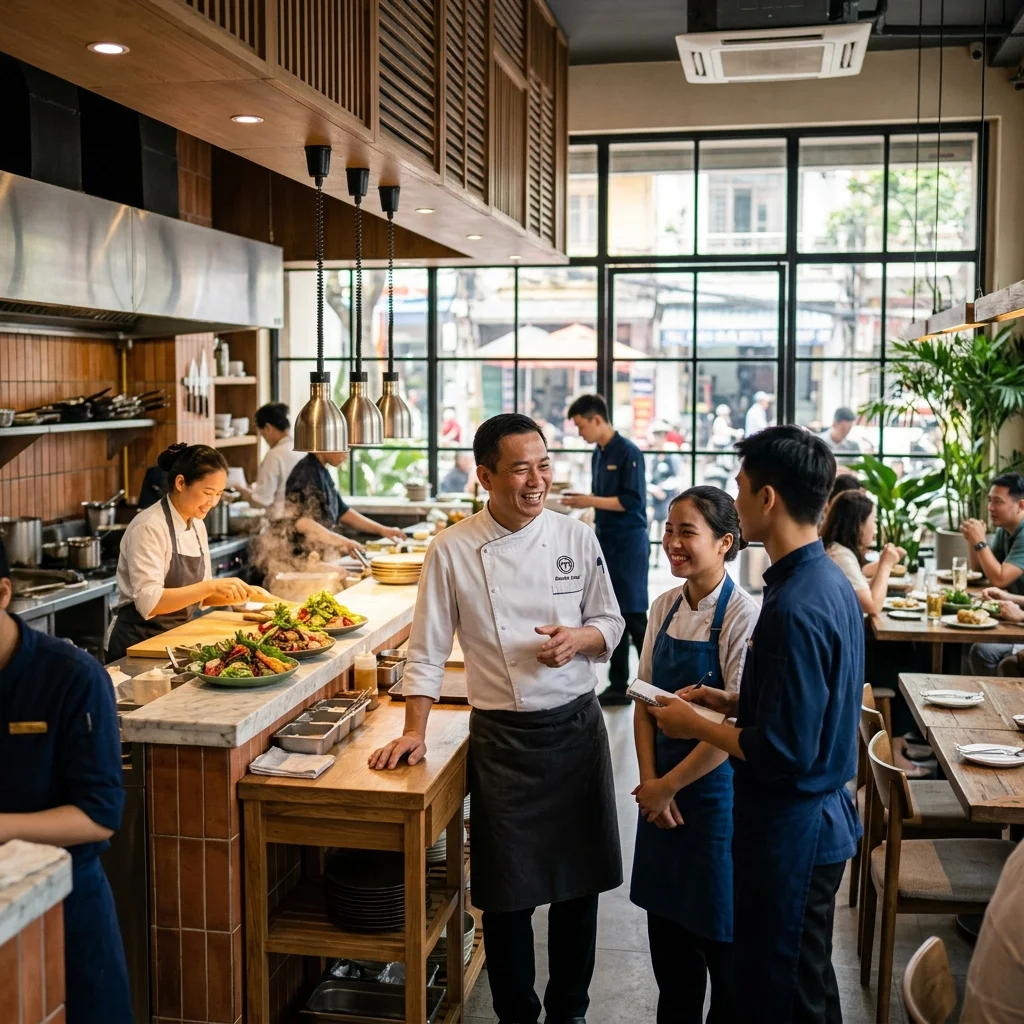
The Food & Beverage (F&B) sector in Vietnam has emerged as one of the most dynamic and rapidly expanding industries, reflecting the nation’s robust economic growth, increasing urbanization, and evolving consumer preferences. This section provides an in-depth insight into the current landscape of Vietnam’s F&B sector, highlighting its significant growth drivers, diverse key segments, and the overarching impact of tourism and economic factors.
Vietnam’s F&B industry is a vibrant ecosystem, encompassing everything from traditional street food stalls to sophisticated fine-dining establishments, bustling cafes, and innovative bars. Its dynamism is fueled by a burgeoning middle class with rising disposable incomes, a young and digitally-savvy population, and a strong culinary heritage that attracts both domestic and international visitors. Understanding this intricate sector is crucial for investors, entrepreneurs, and professionals looking to thrive within its promising confines.
1. Growth Trends and Market Size Expansion
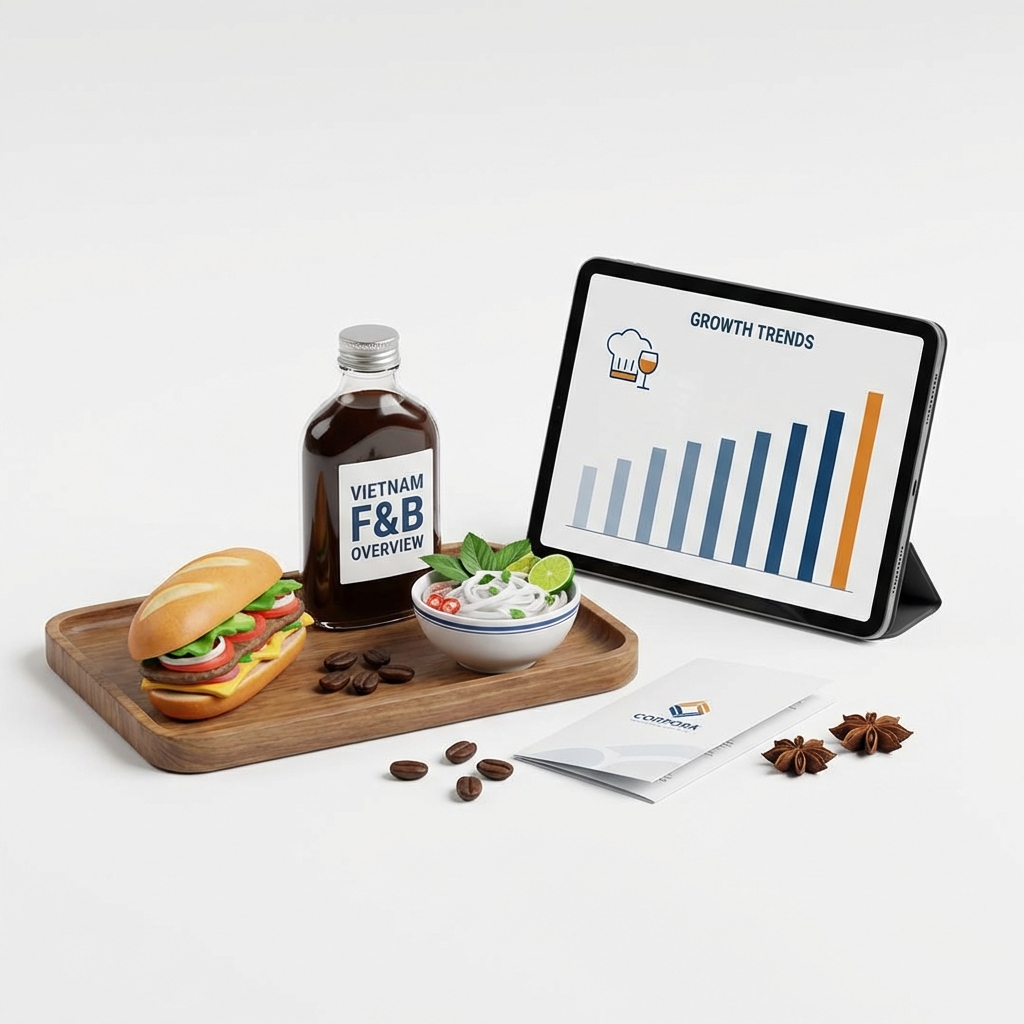
The Vietnamese F&B market has experienced remarkable growth over the past decade, consistently outperforming many other sectors. This expansion is largely attributed to several interconnected factors: sustained GDP growth, an expanding urban population, and a shift in consumer lifestyles towards convenience and diverse culinary experiences. The market’s resilience, even amidst global economic fluctuations, underscores its intrinsic strength and adaptability.
According to Statista’s market forecast, the Food & Beverage market in Vietnam is projected to continue its strong upward trajectory, with significant annual growth rates anticipated in the coming years. This robust expansion translates into numerous opportunities across the value chain, from production and supply to distribution and service. As the market matures, there’s a growing demand for skilled professionals in various roles, from chefs and restaurant managers to marketing specialists and hospitality executives. For those considering a career in this vibrant sector, a comprehensive salary range report of jobs in Food & Beverage field in Vietnam can offer invaluable insights for both job seekers and employers.
2. Key Segments: Hotels, Restaurants, Cafes, and Bars
Vietnam’s F&B industry is characterized by its diverse segments, each contributing significantly to the overall market growth and offering unique experiences:
- Hotels: The hospitality sector, especially hotels, plays a pivotal role. With increasing tourist arrivals and business travel, hotels, ranging from international luxury chains to boutique accommodations, heavily invest in their F&B offerings, including multi-cuisine restaurants, bars, and banquet services.
- Restaurants: This segment is exceptionally dynamic, encompassing a spectrum from traditional Vietnamese eateries and bustling street food vendors to high-end fine dining and a rapidly growing number of international cuisine establishments. Consumer demand for variety, quality ingredients, and unique dining experiences fuels innovation and competition.
- Cafes: Vietnam boasts a deeply ingrained coffee culture, making the cafe segment particularly strong. Beyond traditional Vietnamese coffee shops, there’s a surge in specialty coffee houses, international chains, and concept cafes that serve as social hubs and co-working spaces.
- Bars: The nightlife scene is thriving, with an expanding array of options from traditional bia hơi (draft beer) spots and local pubs to sophisticated cocktail bars, craft beer establishments, and nightclubs, catering to both local residents and expatriates/tourists.
Each of these segments offers distinct employment opportunities and career paths, making a detailed understanding of the sector’s structure crucial for professional development and business strategy.
3. Impact of Tourism and Economic Factors
Tourism is undeniably a major catalyst for Vietnam’s F&B growth. As millions of international tourists and domestic travelers explore the country, the demand for diverse culinary experiences skyrockets. Tourists not only seek authentic local flavors but also expect international standards and options, driving innovation and service quality across hotels, restaurants, cafes, and bars. The government’s continued investment in tourism infrastructure and promotion further bolsters this symbiotic relationship.
Beyond tourism, several economic factors profoundly influence the F&B sector. The expanding middle class in Vietnam means more disposable income allocated to dining out, entertainment, and premium F&B products. Urbanization continues to concentrate populations in cities, increasing the density of F&B establishments and the frequency of eating outside the home. Furthermore, changing consumer preferences, driven by global trends, a greater awareness of health and wellness, and the convenience offered by food delivery platforms, are reshaping the industry landscape. The adoption of digital technologies, from online ordering apps to sophisticated POS systems, is also optimizing operations and enhancing customer experiences, underlining the sector’s progressive outlook.
In conclusion, Vietnam’s F&B industry is a powerhouse of growth, innovation, and opportunity. Its vibrant segments, coupled with strong economic fundamentals and a flourishing tourism sector, paint a picture of sustained expansion and increasing demand for talent. For anyone looking to enter or advance within this exciting field, understanding these dynamics and continuously adapting to evolving trends will be key to success.
Key Factors Influencing F&B Salaries in Vietnam
Understand the various elements that dictate salary variations across different roles and regions within Vietnam’s F&B industry.
Understanding the dynamics behind F&B salaries in Vietnam is crucial for employers and professionals alike. Vietnam’s burgeoning F&B sector, blending local and international influences, presents a diverse salary landscape. While a general salary range report of jobs in Food & Beverage field in Vietnam offers a broad overview, several key factors dictate variations across roles and regions. From major cities to tourist hubs, salaries are influenced by individual qualifications, market demand, and organizational structure.
-
Experience Level and Seniority
Experience and seniority are paramount determinants of F&B professional salaries in Vietnam. Entry-level positions, like junior waitstaff or kitchen assistants, typically command modest salaries, often supplemented by service charges and tips. As individuals gain experience and hone specialized skills—be it culinary expertise, mixology, or front-of-house management—their earning potential significantly increases. Mid-career professionals, such as sous chefs or restaurant supervisors, see salaries reflecting enhanced responsibilities and contributions to operational efficiency.
Senior roles, including Executive Chefs, F&B Directors, or General Managers, attract the highest remuneration. These positions demand extensive industry knowledge, proven leadership, and strategic planning. Leaders are responsible for profitability, staff development, and maintaining brand standards. For example, an entry-level server might earn VND 5-7 million monthly, while an experienced F&B Director at a reputable international hotel could command VND 40-70 million or more, excluding bonuses, illustrating the substantial progression tied to experience and leadership.
-
Geographic Location (Ho Chi Minh City, Hanoi, Da Nang)
Geographic location significantly shapes F&B salaries across Vietnam. Ho Chi Minh City and Hanoi, as economic and cultural hubs, consistently offer higher salaries. This is due to a higher cost of living, concentrated high-end international establishments, a larger tourism market, and a more competitive job market. Demand for qualified F&B talent is particularly acute in these cities, driving up wage scales.
Da Nang, a rapidly growing tourist destination, generally falls between the two major cities and smaller provinces in salary offerings. Its booming tourism industry creates demand for skilled F&B staff, but its market intensity doesn’t always match Ho Chi Minh City or Hanoi. For instance, a Head Chef in Ho Chi Minh City might earn VND 25-45 million, while a similar role in Da Nang could range from VND 20-35 million. Smaller towns present lower salary brackets due to reduced demand. This regional disparity highlights the importance of understanding local market conditions. The World Bank reports continued strong economic performance for Vietnam, fueling growth in sectors like F&B, particularly in urban centers.
-
Company Type and Size (Local vs. International Chains)
The type and size of the employing company critically influence F&B salaries and overall compensation packages. Large international hotel chains, luxury resorts, and global restaurant groups generally offer more competitive salaries and superior benefits compared to smaller, independent local establishments. International chains often adhere to global pay scales and benefit structures, which include higher base salaries, comprehensive health insurance, retirement plans, professional development, and performance-based bonuses. They also tend to have more structured career progression paths.
Conversely, local independent restaurants and cafes, while offering unique experiences, often operate on tighter margins. This can mean lower base salaries, though service charges and tips often supplement income. Benefits might be less comprehensive, and career advancement less formally structured. However, these local businesses provide invaluable hands-on experience and immersion into Vietnamese culinary traditions. An F&B Manager at a five-star international hotel chain might receive a total compensation package far exceeding that of an F&B Manager at a well-regarded local restaurant. When considering a role, it’s essential to weigh not just the take-home pay but also benefits, work-life balance, and opportunities for skill development. For a deeper understanding of specific job roles and compensation across various establishment types, explore a comprehensive salary range report of jobs in Food & Beverage field in Vietnam.
In conclusion, F&B salaries in Vietnam are a complex mosaic shaped by experience, location, and employer type. As the industry flourishes, driven by domestic consumption and international tourism, understanding these underlying factors is key for job seekers and employers. Professionals should strategically plan their careers, considering where to gain experience, where to work geographically, and what type of organization aligns with their aspirations to maximize earning potential and career satisfaction in Vietnam’s vibrant Food & Beverage sector.
Detailed Salary Ranges for Specific F&B Roles
Vietnam’s vibrant Food & Beverage (F&B) sector continues its rapid expansion, fueled by growing domestic tourism and an influx of international visitors. This dynamic environment offers numerous opportunities, making it crucial for both job seekers and employers to understand the typical salary range report of jobs in Food & Beverage field in vietnam. This breakdown offers specific figures and comparative insights into salary expectations for common positions, reflecting the current market landscape and key influencing factors.
1. Front-of-House Roles (Servers, Bartenders, Restaurant Managers)
Front-of-House (FOH) staff are the face of any F&B establishment. Salaries in these roles often vary significantly based on the venue type (e.g., local eatery, casual dining, fine dining, 5-star hotel) and geographical location, with major cities like Ho Chi Minh City and Hanoi generally offering higher wages.
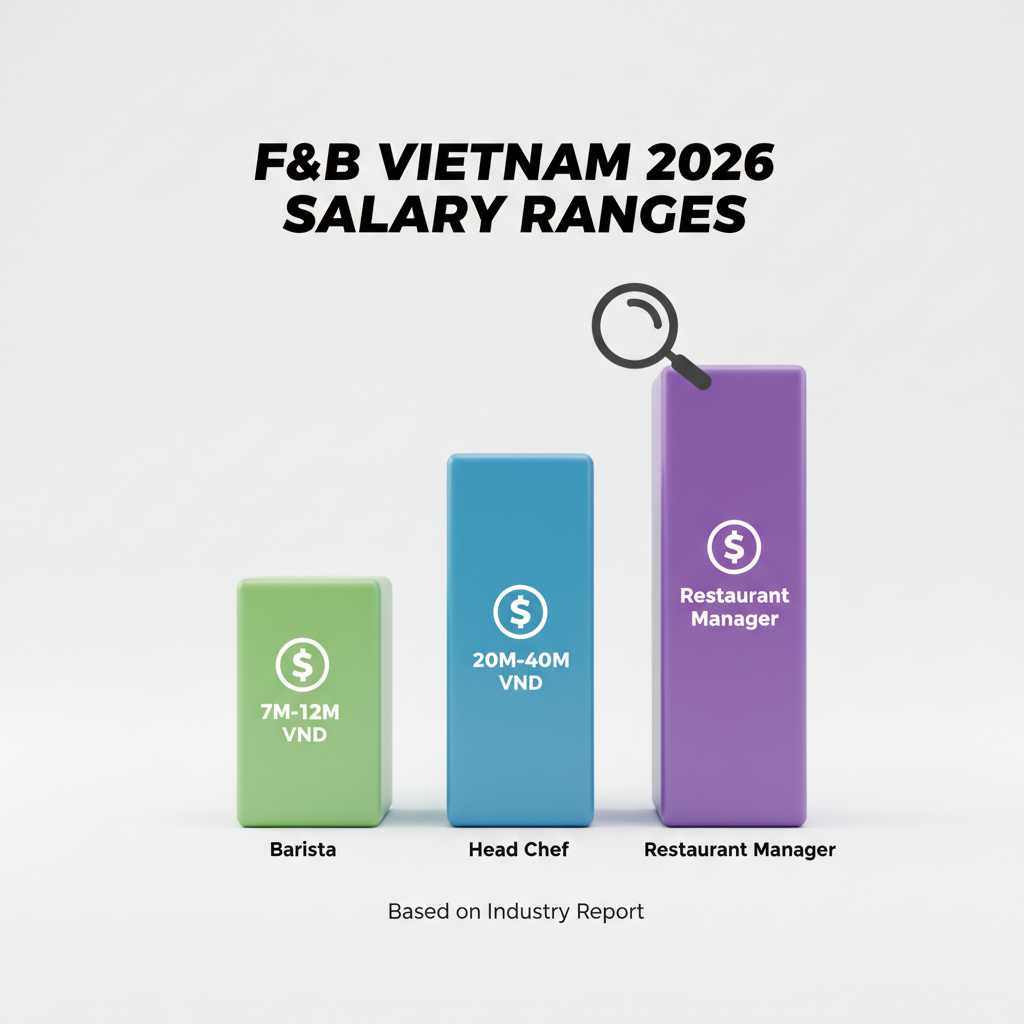
- Servers/Waitstaff: Entry-level positions typically start from 5,000,000 VND to 7,000,000 VND per month. Experienced servers, especially in high-end establishments with strong language skills, can earn up to 8,000,000 VND to 10,000,000 VND, often supplemented by service charges and tips.
- Bartenders: Skilled bartenders, particularly those with mixology expertise, are in high demand. Salaries range from 7,000,000 VND for junior bartenders to 12,000,000 VND per month for experienced professionals in popular bars or luxury hotels. High-volume venues often offer more competitive packages.
- Restaurant Managers: Responsible for daily operations, staff supervision, and guest satisfaction, restaurant managers command higher salaries. Entry-level managers might expect 15,000,000 VND to 22,000,000 VND. Experienced managers overseeing larger or upscale restaurants can earn 25,000,000 VND to 35,000,000 VND, with some luxury hotel restaurant managers reaching 40,000,000 VND or more depending on P&L responsibilities.
2. Back-of-House Roles (Chefs, Cooks, Kitchen Managers)
The culinary team forms the heart of any F&B operation, with salaries reflecting skill, experience, and cuisine complexity. Demand for qualified kitchen professionals is consistently high across Vietnam’s diverse culinary landscape.
- Cooks/Commis Chefs: Junior cooks or commis chefs can expect salaries from 6,000,000 VND to 9,000,000 VND per month. As they gain experience and specialize, salaries can increase significantly.
- Chefs (Chef de Partie, Sous Chef, Head Chef):
- Chef de Partie: Responsible for a specific kitchen section (e.g., pastry, hot line), salaries typically fall between 9,000,000 VND and 15,000,000 VND.
- Sous Chef: A key supervisory role, assisting the Head Chef. Experienced Sous Chefs can earn from 15,000,000 VND to 25,000,000 VND, higher in 5-star hotels or acclaimed restaurants.
- Head Chef/Executive Chef: The pinnacle of the kitchen hierarchy, responsible for menu creation, kitchen management, and food quality. Salaries for Head Chefs range from 25,000,000 VND to 45,000,000 VND. Executive Chefs in large hotels or multi-outlet operations, especially those with international experience, can command 50,000,000 VND to 80,000,000 VND or even more.
- Kitchen Managers: Overseeing kitchen logistics, inventory, and staff scheduling, Kitchen Managers typically earn between 18,000,000 VND and 30,000,000 VND, depending on the kitchen’s size and complexity.
3. Management and Executive Positions (F&B Director, General Manager)
These roles demand extensive experience, strategic vision, and strong leadership, with compensation packages reflecting the high level of responsibility and impact on business profitability and reputation. The booming tourism sector in Vietnam continues to drive demand for top-tier hospitality management. According to a Statista report on the tourism industry in Vietnam, the sector has seen significant growth, underpinning the need for skilled managers.
- F&B Director: Responsible for overall F&B strategy, multiple outlets, budgeting, and performance. Salaries typically range from 35,000,000 VND to 70,000,000 VND. In large 5-star international hotels or luxury resorts, an experienced F&B Director with a proven track record could earn upwards of 80,000,000 VND to 120,000,000 VND, often including performance bonuses and benefits.
- General Manager (Restaurant/Hotel): The ultimate leadership role, overseeing all aspects of the business. General Managers of standalone restaurants might earn 40,000,000 VND to 80,000,000 VND. For General Managers of hotels (especially mid-to-large scale or international brands), salaries can range from 80,000,000 VND to 150,000,000 VND, with some high-profile positions exceeding this significantly, complemented by comprehensive benefits packages and housing allowances.
Factors such as foreign language proficiency, international experience, specialized certifications, and the specific brand reputation of the employer can further influence these salary ranges. As Vietnam’s F&B industry continues to evolve and mature, competitive compensation remains a key factor in attracting and retaining top talent.
Benefits and Compensation Beyond Base Salary
While base salary forms the foundation of remuneration, a holistic understanding of compensation in Vietnam’s dynamic Food & Beverage (F&B) sector extends far beyond this figure. To truly gauge the attractiveness and competitiveness of roles, both potential employees and employers must consider the full spectrum of benefits, incentives, and non-monetary perks. This comprehensive approach is crucial for attracting top talent and retaining experienced professionals in a rapidly expanding market. A detailed salary range report of jobs in Food & Beverage field in Vietnam often highlights these diverse components, revealing that the true value proposition of a job lies in its entire compensation package rather than just the monthly paycheque.
1. Bonuses, Tips, and Service Charges Structures
In the Vietnamese F&B industry, variable components such as bonuses, tips, and service charges significantly augment an employee’s total earnings. Bonuses are typically performance-based, tied to individual achievements, team targets, or overall company profitability. These can range from annual performance bonuses to special incentives for reaching sales goals or excellent customer service. Many establishments also offer Tet bonuses, a culturally significant year-end payment that can substantially boost annual income.
Tips, while varying by establishment and customer base, are a common and often expected part of service roles, particularly in higher-end restaurants, hotels, and bars frequented by tourists and affluent locals. Tip distribution can follow different models: some venues allow employees to keep individual tips, while others pool tips to be distributed among staff based on predefined criteria, ensuring fairness across front-of-house and sometimes even back-of-house teams.
Service charges, typically a 5-10% levy added to the customer’s bill, are another critical component. According to Vietnamese labor regulations, a significant portion of this service charge (often at least 75%) must be distributed to employees. This structure provides a more stable and predictable supplementary income compared to tips, which can fluctuate. For many F&B professionals, especially those in guest-facing roles, the combined income from these variable components can rival or even surpass their base salary, making them crucial elements in evaluating the overall financial appeal of an F&B position.
2. Healthcare, Insurance, and Employee Welfare Programs
Beyond monetary incentives, a robust benefits package in the Vietnamese F&B sector often includes essential welfare programs designed to safeguard employee well-being and provide financial security. By law, employers in Vietnam are required to contribute to social insurance, health insurance, and unemployment insurance for their employees. Social insurance covers sickness, maternity, occupational diseases, work accidents, retirement, and death benefits, providing a fundamental safety net.
Healthcare benefits, particularly private health insurance, are becoming increasingly important, especially in larger F&B chains and international hotel groups. While basic health insurance is mandatory, premium health coverage can offer access to higher-quality medical facilities and a broader range of services, significantly enhancing an employee’s peace of mind. Some companies also extend these benefits to employees’ dependents, further strengthening their commitment to staff welfare.
Employee welfare programs may also encompass a variety of non-mandated benefits. These can include annual health check-ups, meal allowances or free staff meals, transportation support, and company-sponsored social events or team-building activities. The provision of such welfare initiatives demonstrates an employer’s dedication to creating a supportive work environment, improving employee morale, and reducing staff turnover. Understanding these comprehensive welfare provisions is vital when assessing the complete value of an F&B job offer in Vietnam, as they directly impact an employee’s quality of life and financial stability.
3. Training, Development, and Career Progression Opportunities
In a rapidly evolving industry like F&B, opportunities for training, development, and career progression are invaluable non-monetary benefits that significantly contribute to job satisfaction and long-term career growth. Progressive F&B establishments in Vietnam invest in their workforce through various training programs, ranging from on-the-job coaching and internal workshops to external certifications and specialized courses in culinary arts, hospitality management, customer service, and language skills. These investments not only enhance an employee’s current performance but also equip them with new skills for future roles.
Clear career progression paths are equally crucial. Employees are more likely to stay with a company that offers visible opportunities for advancement, whether it’s moving from a line cook to a sous chef, or a server to a restaurant manager. Many leading F&B businesses implement structured development plans, mentorship programs, and internal promotion policies to foster a culture of growth. This focus on internal talent development not only provides employees with a sense of purpose and loyalty but also ensures a pipeline of skilled leaders for the organization.
Access to professional development resources, such as industry conferences and cross-departmental rotations, further enriches an employee’s experience. Companies that prioritize such opportunities are often seen as more attractive employers, as they demonstrate a commitment to their staff’s professional journey, beyond just the immediate financial rewards. This holistic view of career advancement, often detailed in a comprehensive Vietnam Employment Guide, underscores how investing in human capital translates into a more engaged, skilled, and loyal workforce within the competitive Food & Beverage landscape.
In conclusion, when evaluating job prospects or designing compensation strategies within the Vietnamese F&B sector, it is imperative to look beyond the base salary. The interplay of performance-based incentives, comprehensive welfare programs, and robust career development opportunities forms a compelling and competitive compensation package. These elements collectively contribute to employee satisfaction, retention, and overall organizational success, painting a more accurate picture of the true value of employment in Vietnam’s vibrant Food & Beverage industry.
Future Outlook and Career Growth in Vietnam’s F&B
Vietnam’s Food & Beverage (F&B) sector is a dynamic and rapidly expanding industry, fueled by a growing middle class, increasing tourism, and evolving consumer preferences. This vibrant landscape offers immense opportunities for professionals seeking career advancement and higher earning potential. Understanding the future trends and adapting to the industry’s evolving demands is crucial for anyone aiming to thrive. This section projects future trends in the F&B job market and offers strategic advice for professionals looking to elevate their careers and maximize their income. For those keen to benchmark their earning potential, a comprehensive salary range report of jobs in Food & Beverage field in Vietnam is an invaluable resource to navigate career choices effectively.

1. Emerging Job Roles and In-Demand Skills
The F&B industry in Vietnam is witnessing the emergence of specialized roles driven by innovation and consumer shifts. Beyond traditional kitchen and front-of-house positions, we anticipate a surge in demand for roles such as: F&B Data Analysts to interpret consumer trends and operational efficiencies; Sustainability Managers to oversee eco-friendly practices; Digital Marketing Specialists focused purely on F&B branding and online engagement; and Experience Designers who craft unique dining concepts. Chefs with a focus on plant-based cuisine or fusion specialties will also be highly sought after.
To excel in these evolving roles, professionals must cultivate a blend of traditional expertise and modern competencies. Key in-demand skills include: digital literacy (for operating advanced POS systems, online ordering platforms, and social media), data analysis capabilities, strong customer experience design acumen, and a deep understanding of sustainable practices. Furthermore, multilingualism, particularly English and other relevant Asian languages, will provide a significant advantage in Vietnam’s increasingly globalized F&B market. Investing in these skills through continuous learning and certifications will directly correlate with higher earning potential and more secure career paths.
2. Strategies for Salary Negotiation and Advancement
Navigating salary negotiations and career advancement requires a proactive and informed approach. Firstly, robust market research is paramount. Professionals should regularly consult a salary range report of jobs in Food & Beverage field in Vietnam to understand industry benchmarks for various positions, experience levels, and locations. This knowledge empowers individuals to articulate their value effectively during negotiations.
Secondly, continuous professional development is non-negotiable. Pursue advanced certifications in culinary arts, hospitality management, food safety, or specific technology relevant to F&B. Actively seek out mentorship opportunities and build a strong professional network; these connections can open doors to new roles and provide invaluable insights. When negotiating salary, highlight specific achievements, quantifiable contributions to revenue or cost savings, and unique skills that differentiate you. Clearly communicate your career aspirations and demonstrate your commitment to long-term growth within the organization. Regular performance reviews should be utilized not just for feedback, but as a structured opportunity to discuss your trajectory and advocate for advancement.
3. Impact of Technology and Sustainability on F&B Careers
Technology and sustainability are not just trends; they are fundamental shifts reshaping the F&B industry and, by extension, career opportunities. On the technology front, the proliferation of automation, AI-driven analytics, and sophisticated management systems (e.g., inventory, supply chain, customer relationship management) is creating new demands. Roles requiring expertise in integrating these technologies, managing online delivery platforms, and leveraging social media for brand building are becoming crucial. Chefs and managers must be adept at using smart kitchen equipment, optimizing digital menus, and understanding how data can enhance customer satisfaction and operational efficiency.
Sustainability, meanwhile, is moving from a niche concern to a core business imperative. Consumers are increasingly valuing ethical sourcing, waste reduction, and eco-friendly operations. This shift is creating new roles focused on green supply chain management, food waste reduction programs, and developing sustainable menu options. Professionals with knowledge of sustainable certifications, circular economy principles within F&B, or expertise in plant-based food innovation will find themselves highly sought after. According to global F&B market trends, the emphasis on sustainability will only intensify, making it a critical area for career growth and specialization. Adapting to these technological and sustainable paradigms will not only enhance individual career prospects but also contribute significantly to the future resilience and profitability of Vietnam’s F&B sector.
Partner with Shelby Global
You are looking for reliable HR Sevice Suppliers? Contact Shelby Global Now! To connect with verified talents and upgrade your orginization.
—————————————
References
– Food & Beverages – Vietnam | Statista Market Forecast: https://www.statista.com/outlook/cmo/food-beverages/vietnam
– World Bank reports continued strong economic performance for Vietnam: https://www.worldbank.org/en/country/vietnam/overview
– Statista report on the tourism industry in Vietnam: https://www.statista.com/topics/6842/tourism-industry-in-vietnam/#topicOverview
– Vietnam Employment Guide: https://www.dlapiper.com/en-us/insights/publications/vietnam-employment-guide
– :